REVIEW · SEDONA
Sedona: Nighttime UFO & Stargazing Tour
Book on GetYourGuide →Operated by Sedona UFO Vortex Food Tours · Bookable on GetYourGuide
The sky looks different once the goggles turn on. In Sedona, this Nighttime UFO & Stargazing Tour pairs classic constellation spotting with real-time sky tracking and spooky-cool UFO talk from guides like Tom and Mike.
I especially love that you start with what you can see with the naked eye and then shift to 3rd-generation night vision so the whole horizon changes. The biggest drawback to plan for is simple: it runs after sunset and can be canceled if the sky stays too cloudy, plus it gets cold fast in the desert wind.
Key things to know before you go
- You get your own goggle experience: the tour is set up so you don’t have to share a pair.
- Naked-eye first, goggles second: you’ll compare what you can see before and after the switch.
- UFO tracking is part entertainment, part observation: flashing lights and fast-moving objects are part of the show.
- Small group size (up to 4): more sky time, less waiting around in the dark.
- No pickup included: you’ll meet the guide at a set location and time.
- Warm clothing matters: layers beat bravado every time.
In This Review
- Why Sedona’s Night Vision Changes the Whole Stargazing Game
- The 1-Hour Flow: What You’ll Actually Do After Sunset
- Naked Eye vs. Night Vision: What Changes When the Goggles Go On
- UFO Tracking, Flashing Lights, and the Guide’s Role in the Story
- Weather, Moonlight, and When the Show Might Get Canceled
- Price and Value: Is $160 for Night Vision Worth It?
- Practical Tips: What to Bring and What to Skip
- Who This Tour Fits Best (and Who Might Want Another Option)
- Should You Book the Sedona Nighttime UFO & Stargazing Tour?
- FAQ
- Is pickup or drop-off included?
- How do I find the meeting time and location?
- What time does the tour start?
- How long is the tour?
- What’s the group size?
- Are night vision goggles included, and do we share them?
- What should I bring?
- What’s not allowed during the tour?
- Can the tour be canceled due to weather?
Why Sedona’s Night Vision Changes the Whole Stargazing Game
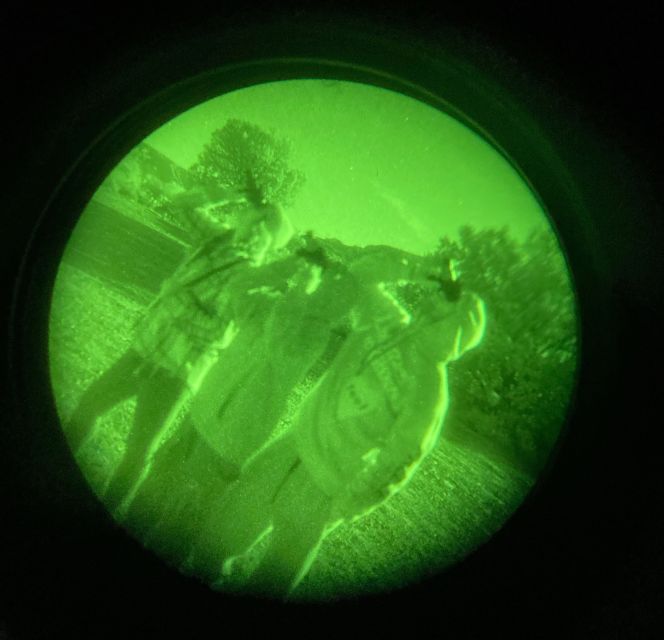
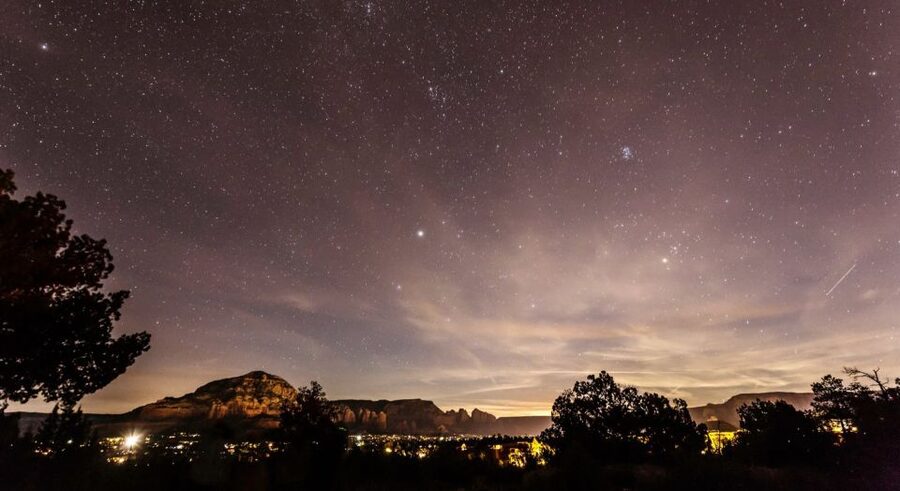
Sedona is famous for sunsets, but nights are a different story. On this tour, you’re not just looking at stars from a blanket. You’re watching how the night gets reorganized when military-style night vision comes into play.
The magic here is contrast. With your eyes, the sky can feel quiet—until you know where to aim. Then the goggles go on and suddenly there’s structure everywhere: more points of light, more movement, and more detail near the horizon. One of the recurring themes in the guide’s approach is comparison—what you’d normally miss, what looks like a satellite, what looks like aircraft, and what remains unexplained based on what you can physically observe.
Another thing I like: the tour doesn’t treat UFO sightings like a straight sci-fi script. The guide gives you context and helps you track what you’re seeing as it changes in the sky. That’s why even people who go in skeptical tend to come out saying they saw more than they expected.
The whole experience stays grounded in watching the sky carefully, using the equipment, and listening to the story while you track the lights. Even if you’re a “stars only” person, you’ll still get a fun education in what’s up there.
The 1-Hour Flow: What You’ll Actually Do After Sunset
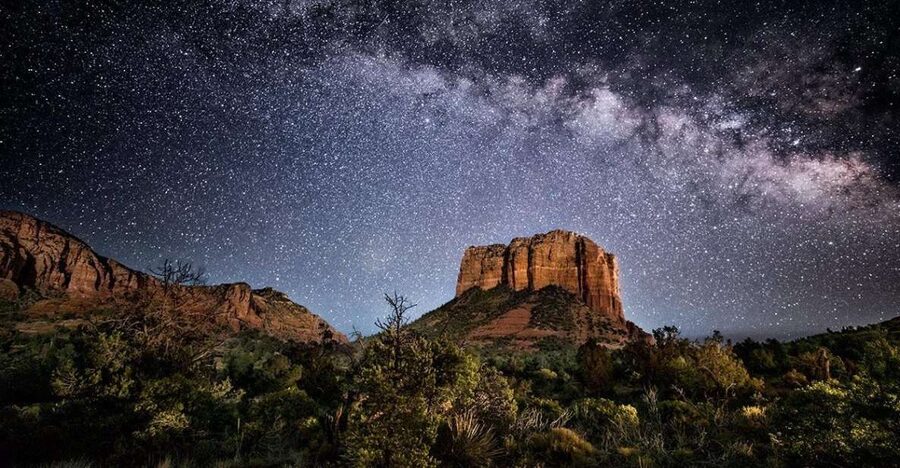
This is a tight, one-hour session, so it feels like a sprint instead of a slow stroll. The schedule starts after sunset, and the exact timing and meeting details shift every other week. You’ll get a text from your guide the day before with the precise time and location, so plan to keep your phone handy.
Here’s the typical rhythm you can expect:
First, you’ll spend a short stretch looking at the sky with your naked eye. This matters. It sets a baseline so you notice the differences right away—especially the way your brain fills in the gaps before you have help from the goggles.
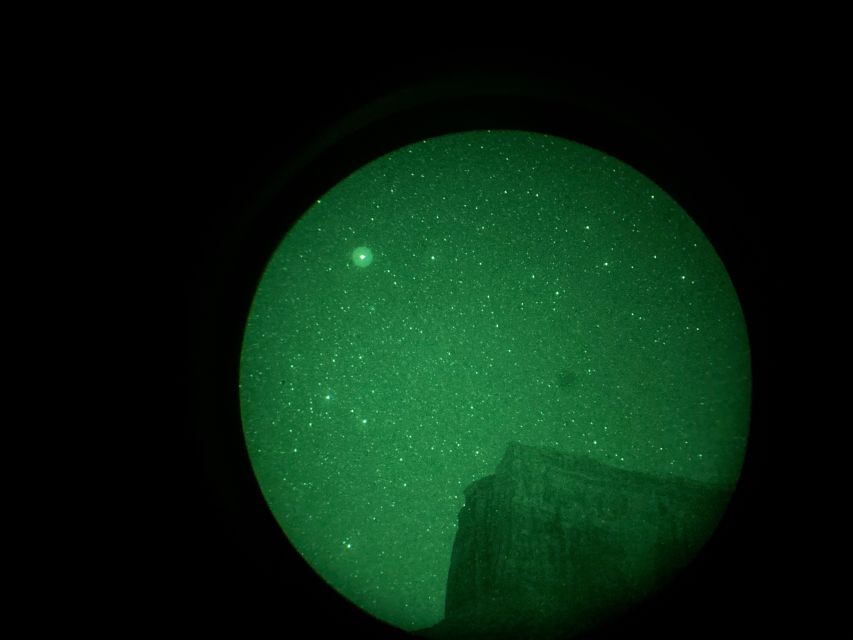
Next comes the goggles. The guide helps you aim and scan the sky so you’re not just waving your head around like a lost tourist. This is where the tour’s reputation comes from: flashing lights, objects changing brightness or size, and lights that move in patterns you’ll want to follow.
Finally, you’ll keep tracking as the hour moves toward the end—often with the guide pointing things out and explaining what to watch for as objects move around the mountains. The goal isn’t to “prove” anything. It’s to make you see the night as a dynamic scene, not a static postcard.
Because it’s only an hour, dress and prep matter. If you’re shivering or fighting wind, you’ll spend less time enjoying what you came for.
You can also read our reviews of more tours and experiences in Sedona.

Naked Eye vs. Night Vision: What Changes When the Goggles Go On
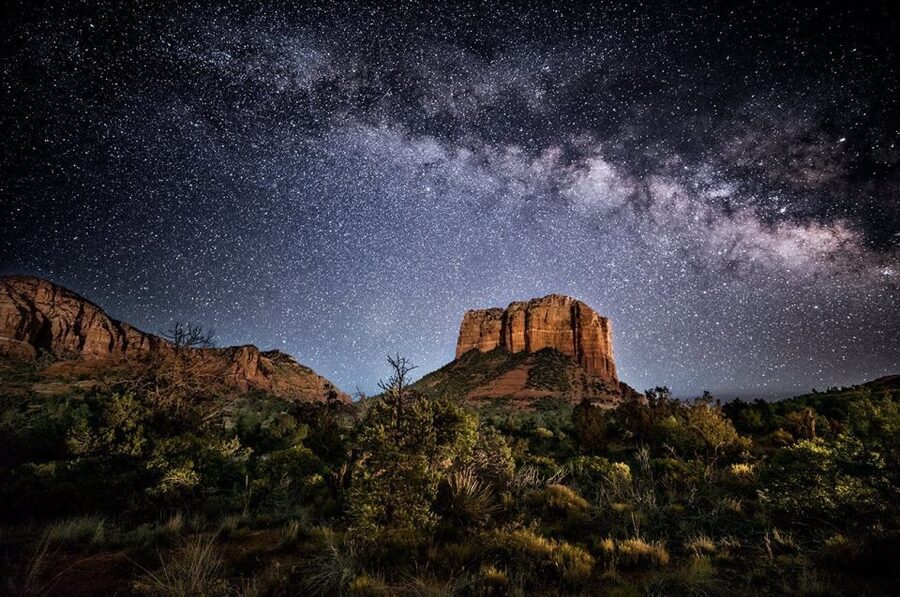
A lot of stargazing tours show you a sky full of stars. This one shows you a sky full of information—and the tools change what information becomes visible.
With your naked eye, you’ll usually start by learning how to orient yourself and find the obvious bright points. You may also catch satellites and shooting stars, depending on conditions. One of the nicest surprises is that even a well-known sight like Starlink can pop out to you when the sky is clear and dark enough.
Then the 3rd-generation night vision goggles change your scanning game. Lights that were faint or invisible can appear sharper, brighter, or more numerous. Movement becomes easier to track because the scene feels “alive” instead of purely distant.
A key benefit of the setup is that it’s designed so you don’t need to share goggles. That matters because in other tours, you lose time swapping gear or waiting your turn. Here, you’re more likely to get continuous viewing, which means you’re less likely to miss the brief moments when something interesting flashes or shifts.
Quick reality check: no goggles can magically erase weather or cloud cover. If the air is too cloudy, your view will suffer and the tour may be canceled. That’s why the best nights feel like a lottery—you just improve your odds by booking close to a new moon and keeping your expectations flexible.
UFO Tracking, Flashing Lights, and the Guide’s Role in the Story
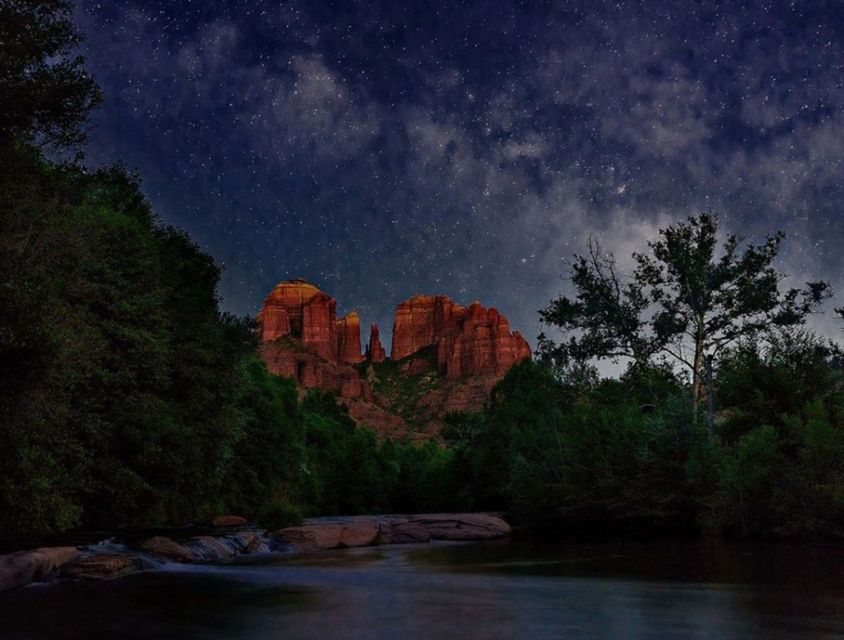
This tour is built around UFO talk, but it’s delivered through observation. Your guide monitors what’s happening overhead and helps you track it as the night goes on—especially the moments when lights flash or move quickly.
Guides like Tom, John, Mike, and Steve show up in people’s experiences, and they tend to share the same core style: fun energy plus lots of sky-guiding. The goal is to help you answer questions in real time:
- Is that an aircraft or something else?
- Does the light behavior look consistent?
- Is the object changing brightness rapidly?
- Where is it relative to the mountains and your viewing position?
You’ll also hear the stories behind what you see—UFO folklore mixed with practical sightline guidance. Some guides explain things in a more scientific tone, others lean into the entertaining alien side. Either way, the narration is meant to keep you focused on what’s visible rather than on what you’re hoping to see.
One more detail that’s worth knowing: the guide may use a pointer or laser to help you lock onto targets. When you’re scanning a dark sky, a good pointer is the difference between seeing a light and actually tracking it long enough to make sense of its movement.
If you love the idea of “watching the sky like a detective,” this part is the payoff.
Weather, Moonlight, and When the Show Might Get Canceled
Night vision works best when the sky cooperates. The tour starts after sunset, but conditions at night—clouds especially—can control your results.
The operator may cancel if weather is too cloudy. That’s not a small note; it’s the main risk factor. If you’re traveling with a packed itinerary, consider building in buffer time so you can shift your night if needed.
Moon phase is another variable you can influence. One of the best tips you’ll get is to aim for darker nights—especially around a new moon—so you can see more stars and better contrast through the goggles. That doesn’t guarantee UFO lights, but it improves the stargazing part of the experience.
Temperature is the practical sleeper issue. Even in Arizona, nights can get chilly, and wind can cut through your layers fast. Having warm clothing isn’t optional if you want a good hour. Some guides bring extra blankets, which can be a lifesaver if you’re not dressed for desert cold.
Also keep in mind that the tour runs in the evening and is short. If you show up late or unprepared, you’ll feel it immediately because there’s no time to settle in.
Price and Value: Is $160 for Night Vision Worth It?
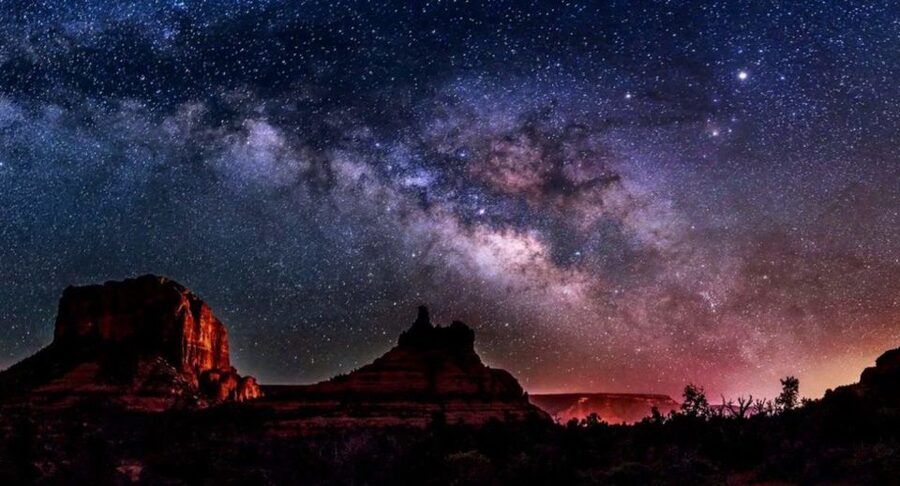
At $160 per person, you’re paying for more than a guide and a bit of star talk. You’re paying for access to night vision goggles and the time to use them properly with a guide helping you aim and track objects.
The pricing structure is important: the tour notes that the price is per goggle, not per person, and it’s set up so you don’t have to share a goggle. That shifts the value conversation. If you’re traveling in a group, you want the equipment experience to match what you paid for. Sharing gear often turns a short tour into a waiting game. Here, the promise is more direct: you get your own look during the session.
That said, I’d be smart and confirm equipment counts for your exact booking. One past experience involved fewer goggles than expected, and that kind of mismatch can change the value instantly when you’re paying a premium for gear time.
So is it worth it?
- If you want a basic stargazing outing, this is likely pricier than you need.
- If you want night vision equipment, structured sky tracking, and UFO storytelling in a small group, it can feel like good value—especially because the viewing is concentrated into an hour rather than stretched and diluted.
The strongest value angle is simple: you’re not just hearing about the night sky. You’re seeing it with help most people can’t access on their own.

Practical Tips: What to Bring and What to Skip
This tour keeps rules straightforward, and you’ll enjoy it more if you plan like it’s an outdoor night hike, even though you’re mostly standing and looking up.
Bring:
- Warm clothing. Layers matter more than thick one-piece outfits.
- Something wind-resistant if you have it.
- A plan to keep your hands warm, because you’ll be holding still for long moments.
Avoid:
- Smoking (not allowed).
- Food and drinks (not included and not allowed).
Two logistics notes that matter:
- There’s no pickup or drop-off, so you need to be at the meeting point on your own.
- You’ll get a text the day before with the exact meeting time and location, but the tour timing can vary because the schedule shifts every other week.
One more small behavior tip: phones are great for checking your location, but dim your screen once you start looking up. You’re trying to keep your eyes adjusted to the dark so the goggles and night contrast feel as dramatic as possible.
Who This Tour Fits Best (and Who Might Want Another Option)
This is a great match for you if you enjoy:
- UFO stories but want them tied to actual sky viewing
- stargazing that uses technology (not just binoculars and a star chart)
- a short, focused activity with a guide who keeps you moving through the sky observations
- small-group time rather than a crowd
You’ll likely get the most satisfaction if you’re comfortable standing outside for an hour and you dress for cold. It also helps if you like the interactive side—watching lights change, tracking movement, and listening while you aim.
This is less ideal if:
- you hate waiting in cold air (because it’s after sunset)
- you’re extremely sensitive to weather changes and need guaranteed visibility
- you’re expecting a private, custom experience every minute (it’s limited to a small group, but it’s still a group setting)
If you want a more classic nature-and-stars night, you might pair this with a separate day activity in Sedona. But if your priority is “show me the sky in a different way,” this tour is one of the most direct ways to do it.
Should You Book the Sedona Nighttime UFO & Stargazing Tour?
Book it if you want a high-contrast night-sky experience with 3rd-generation night vision goggles and a guide who helps you track lights overhead instead of simply pointing at constellations.
Skip or swap to a backup option if your schedule is tight, you’re arriving on a forecast of thick clouds, or you’re likely to show up underdressed for desert wind. The tour depends on clear viewing, and the hour goes by fast enough that cold discomfort can dull the experience.
If you’re deciding today, my practical advice is this: bring the warm gear, aim for darker skies when you can, and confirm equipment expectations for your booking. Done right, it’s the kind of Sedona night activity that makes the stars feel like a living show, not just distant dots.
FAQ
Is pickup or drop-off included?
No. The tour does not include pickup or drop-off, so you’ll need to get yourself to the meeting point.
How do I find the meeting time and location?
Your guide sends you a text the day before your tour with the exact time and location.
What time does the tour start?
The tour starts after sunset, and the exact timing can change every other week. Contact the activity provider on the day of your tour for the exact meeting time.
How long is the tour?
The tour lasts 1 hour.
What’s the group size?
It’s a small group limited to 4 participants.
Are night vision goggles included, and do we share them?
Night vision goggles are included. The tour is described as not requiring you to share a goggle.
What should I bring?
Bring warm clothing, since the tour takes place at night after sunset.
What’s not allowed during the tour?
Smoking is not allowed. Food and drinks are also not allowed.
Can the tour be canceled due to weather?
Yes. The tour may be canceled if the weather is too cloudy.