REVIEW · SEDONA
Sedona: Stargazing Tour with Telescopes and Video Astronomy
Book on GetYourGuide →Operated by Night Owl Tours · Bookable on GetYourGuide
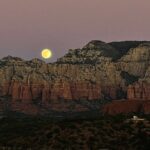
Stars get personal out here. In Sedona, this 90-minute night-sky tour pairs large-aperture telescopes with video astronomy on a 4K screen, so you don’t just hear about the universe, you actually see it. I really like the combination of a guided constellation walkthrough (with zodiac and myth stories) plus hands-on views of both planets and faint deep-sky objects. I also like that the experience leans practical, with padded chairs and blankets for comfort on cold nights. One thing to plan around: the tour depends on clear conditions, and you’re responsible for getting to the dark-sky site.
You’ll meet your astronomer at a permitted dark-sky location near Uptown Sedona, then spend the evening learning how to read the sky and what to look for once the big gear comes out. The guide has a knack for keeping things light while still answering real astronomy questions, and it’s a strong pick if you’re coming from a city where light pollution makes stars feel harder to find. Just know the experience runs outdoors at night and involves uneven ground, so it may not work well if you have mobility issues.
In This Review
- Why This Sedona Stargazing Tour Feels Different Than Basic Star Gazing
- Entering the Dark Sky Site: Comfort, Permission, and Real Planning
- Constellations First: Learning the Sky With Laser and Myth Stories
- Big Telescopes, Two Viewing Modes, and Why That Matters
- Visual viewing: Moon, planets, and brighter targets
- Video astronomy (EAA): faint objects on a 4K OLED screen
- What You’re Likely to See: Planets, Nebulae, Galaxies, and Occasional Suprises
- Comfort for a Cold Night: Blankets, Padded Chairs, and Time to Look
- Who This Tour Fits Best (And Who Should Skip It)
- The Real Value Question: Is $125 Worth It?
- Small Logistics That Can Make or Break the Night
- Should You Book This Sedona Stargazing Tour?
- FAQ
- How long is the stargazing tour?
- What do I see during the tour?
- Are telescopes included?
- Where is the meeting point?
- Do I need my own transportation?
- What should I bring?
- Will the tour run if it’s cloudy?
- Is it suitable for young children or mobility limits?
Why This Sedona Stargazing Tour Feels Different Than Basic Star Gazing
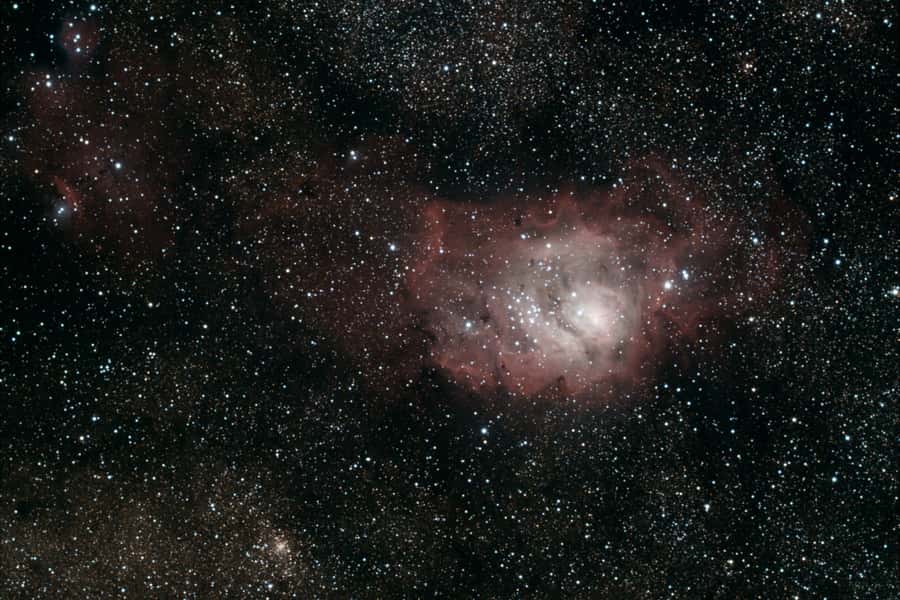
Most stargazing experiences either focus on naked-eye sky watching or on a telescope demonstration. This one does both, and then adds the part that makes it feel modern: video astronomy streamed in real time to a 4K OLED TV.
Here’s the practical upside for you: the telescopes let you look at bright targets like the Moon and planets with satisfying detail, while the video system helps reveal objects that are usually too faint for normal human eyesight. That means you’re more likely to leave feeling like you saw something you couldn’t easily see on your own.
The other big difference is the way the astronomer teaches. You’re not stuck guessing what you’re looking at. You get star patterns traced with a laser, mythic constellation stories, and a guided sense of what’s up in the sky tonight.
Entering the Dark Sky Site: Comfort, Permission, and Real Planning
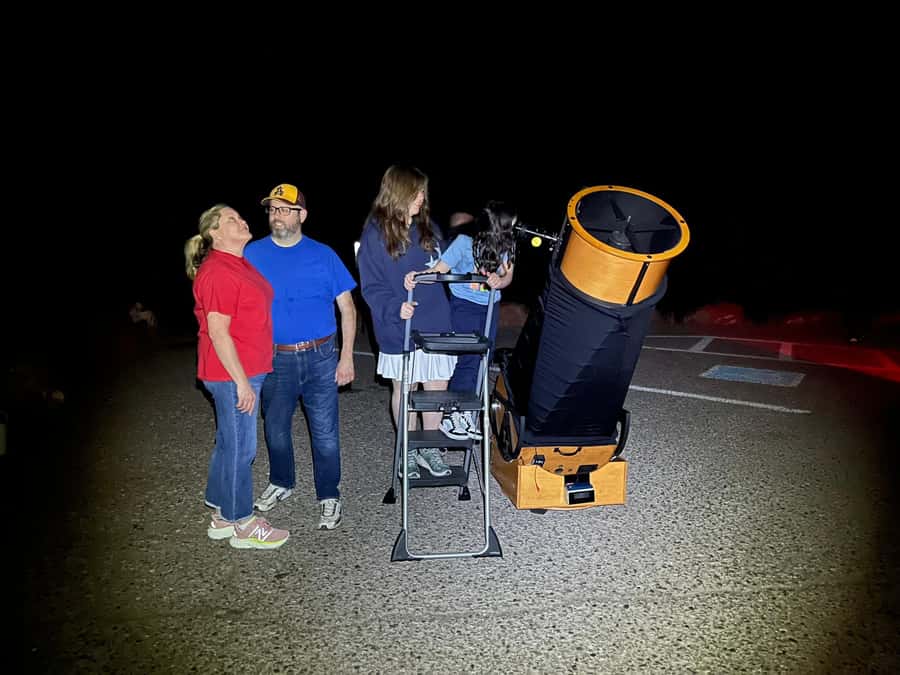
The meeting point is not a single fixed pull-off. The company uses dark sky sites on forest lands near Sedona under a USFS permit, and which site they can access changes with the season. After you book, you’ll get the exact meetup directions, and you’re dealing with a half-hour drive range from Uptown Sedona.
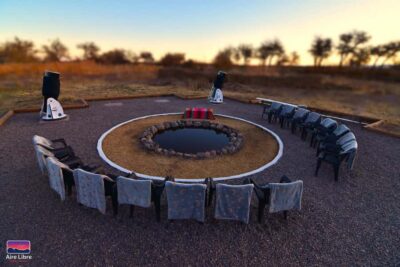
Plan on arriving prepared for nighttime, even before the stargazing starts. You’re in outdoor forest terrain, sitting for a bit, and the temperature can drop fast once the sun goes down. The tour provides padded chairs and blankets, which is a thoughtful touch because comfort matters when your “lecture time” is actually “sit and look” time.
You’ll also want to think about getting there and back. Transportation is not included, so you either need your own vehicle or you need to prearrange a taxi or ride-share driver for after pickup. Late-night finding-a-driver can be its own mini-crisis.
You can also read our reviews of more tours and experiences in Sedona.

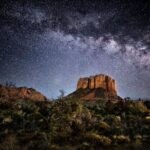
Constellations First: Learning the Sky With Laser and Myth Stories
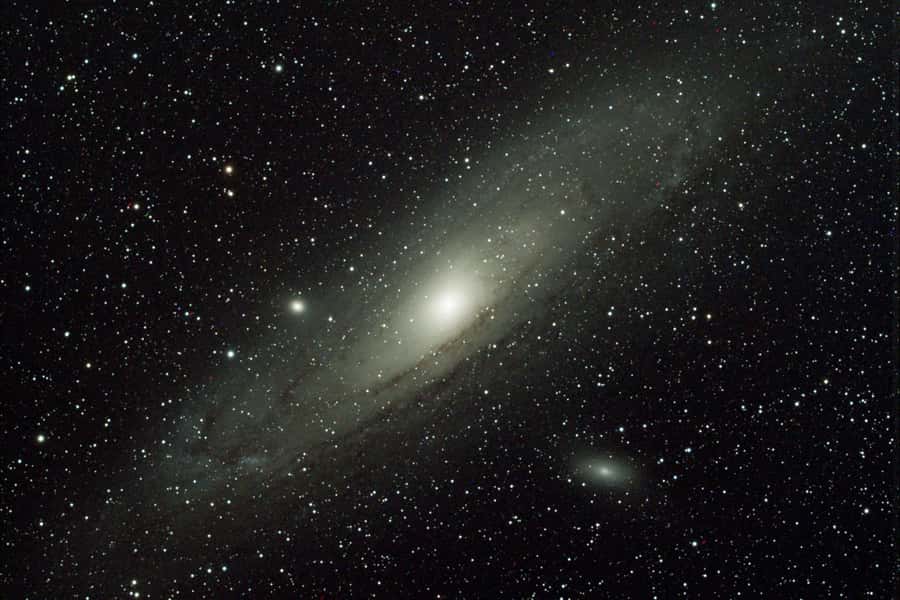
The night starts with a guided constellation tour. Your astronomer traces star patterns with a laser and connects what you see to names and stories behind the constellations, including zodiac signs. This order matters because once you learn the “map,” later views feel less random.
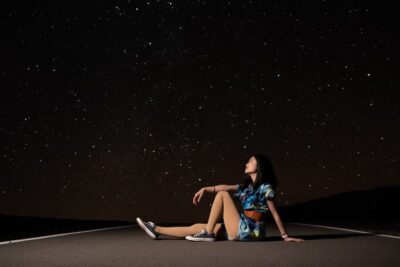
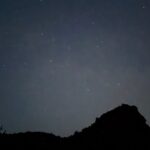
During this part of the tour, you’ll also look for the kinds of sky features most people miss. Depending on conditions, expect to point out bright stars and patterns, plus the Milky Way, meteors, and passing artificial satellites. Even if you’ve seen photos online, this is still a different experience when your guide helps you locate what’s actually overhead.
A real strength here is how the guide keeps it approachable. In past tours led by Chris (also referenced as Christopher), the vibe has been informative but not stiff, with a dry sense of humor and quick answers when questions came up.
Big Telescopes, Two Viewing Modes, and Why That Matters
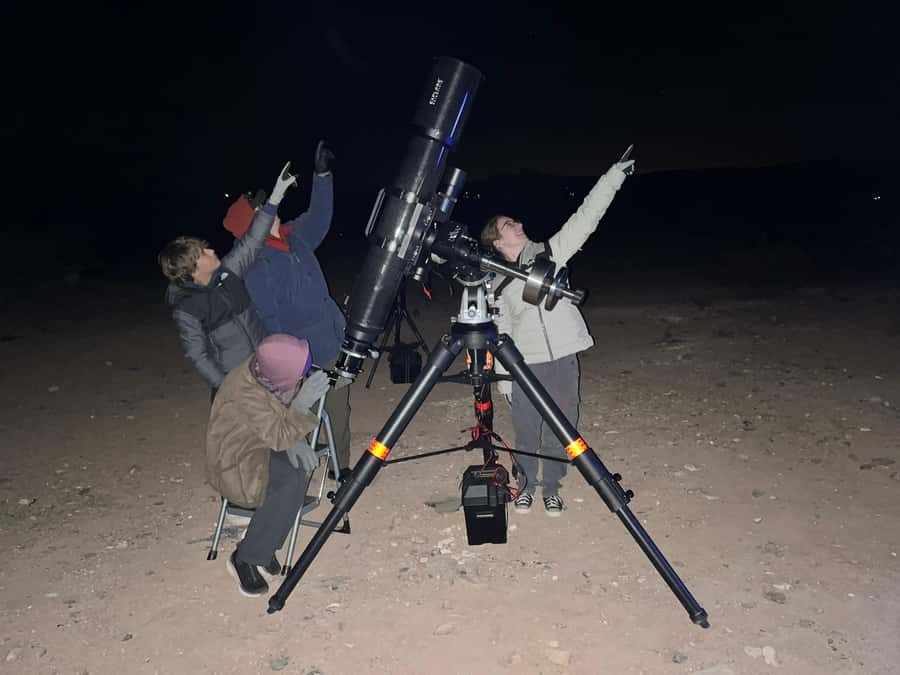
After the constellation groundwork, you switch from “how to read the sky” to “what the sky looks like through equipment.” The tour uses two approaches, and knowing the difference helps you understand what you’re seeing.
Visual viewing: Moon, planets, and brighter targets
For part of the session, you’ll use high-quality eyepieces on visual telescopes. This is the classic mode for targets that respond well to direct viewing: the Moon, planets, double stars, and other brighter deep-sky objects.
If you’ve never used a telescope before, this is often the most magical moment. A view that’s just a point of light to your eyes can turn into something structured and real-looking once you’re at the eyepiece.
Video astronomy (EAA): faint objects on a 4K OLED screen
Then the tour shifts to electronically assisted astronomy, also called EAA. Many deep-sky objects are extremely faint, and your eyes can’t collect enough light quickly enough to see detail. The cameras used for EAA are far more sensitive, so you can capture light that would otherwise be invisible.
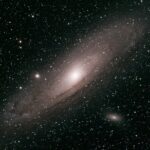
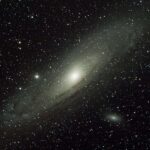
What you see comes through on a 4K OLED TV as a live feed. That’s how you can catch color and structure in targets like hydrogen glow in stellar nurseries, colorful remnants of dead suns, and dust structures around objects such as the Pleiades. The tour may also show dust lanes in distant galaxies, which are the kind of details that sound technical until you’re actually watching them appear on the screen.
For you, this is the key value: you’re not limited to what the human eye can do in a single glance. You’re getting help from technology that turns “barely there” into “wow, that’s actually visible.”

What You’re Likely to See: Planets, Nebulae, Galaxies, and Occasional Suprises
The night’s exact targets depend on what’s up in the sky and the conditions that night. But based on how the tour is set up, you’ll be in the right place and using the right gear to look at multiple categories of objects in a short window.
You can expect a mix that usually includes:
- Planets and bright stars during the guided sky portion and/or through the telescopes
- Deeper targets during the EAA segment, including nebulae and galaxies
- A chance at meteors and maybe even artificial satellites when they pass through view
In earlier sessions with Chris, groups have reported seeing Saturn, nebulas, and even two planets in the same tour, plus shooting stars when conditions lined up. That’s not a guarantee, but it’s a good sign that the setup is capable of delivering more than one “single object” moment.
Also worth noting: the experience includes the option of live imaging views discussed during the tour. If you like seeing the process—not just the end image—this can feel extra satisfying.
Comfort for a Cold Night: Blankets, Padded Chairs, and Time to Look
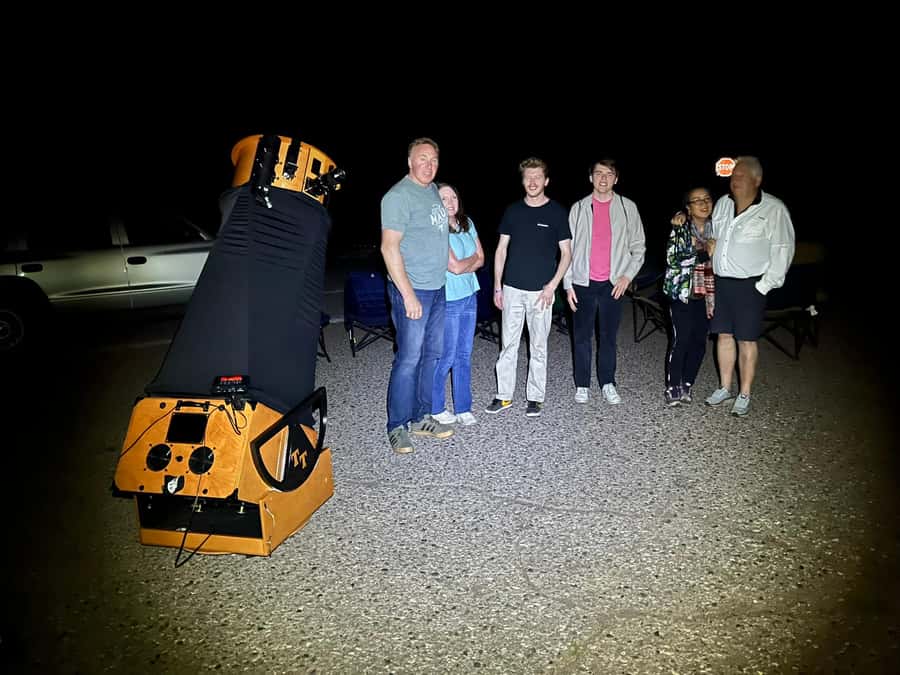
Ninety minutes sounds short, but it’s the right length for this style of astronomy. You get a teaching start, a telescope segment, and a technology-assisted segment without feeling like you’ve been waiting forever.
Comfort details are not random here. You’ll be in outdoor nighttime conditions, so the included blankets and padded chairs do real work. In past tours, the cold-night comfort has been specifically appreciated, which makes sense if you’ve ever tried to watch the sky while shifting your weight every five minutes.
One practical tip: bring warm layers you can move in. The tour asks for warm clothing, long pants, closed-toe shoes, and a jacket (plus long-sleeved layers). If you’re the type to underestimate Arizona evening temperatures, this is your reminder.
Who This Tour Fits Best (And Who Should Skip It)
This is a family-friendly option, but it isn’t for little kids. It’s not suitable for children under 7, and it also isn’t recommended for people with limited mobility. Wheelchair users are also listed as not suitable.
There’s also a weight limit noted for participants: not over 300 lbs (136 kg). If that applies to you or someone in your group, you’ll want to choose a different activity.
If you’re a couple looking for a romantic evening, or if you want a memorable first step into astronomy without needing any prior knowledge, this tour is built for you. The guided approach makes it easy to follow along, and the equipment makes it more likely you’ll see noticeable detail even if you’ve never used a telescope before.
The Real Value Question: Is $125 Worth It?
At $125 per person for 90 minutes, you’re paying for more than a casual star walk. You’re paying for premium gear (large aperture telescopes), state-of-the-art video astronomy with a 4K display, and an astronomer who guides the whole experience.
The value shows up in two places:
1) You get to see bright and faint objects using the right tool for each one, instead of one viewing method only.
2) You get real interpretation, so your time at the telescope or screen turns into learning, not just staring.
If your goal is simply to check off a stargazing box, you might find cheaper options. But if you want the best odds of actually seeing nebulae, galaxies, and structured detail—while also learning what you’re looking at—this price starts to make sense.
Small Logistics That Can Make or Break the Night
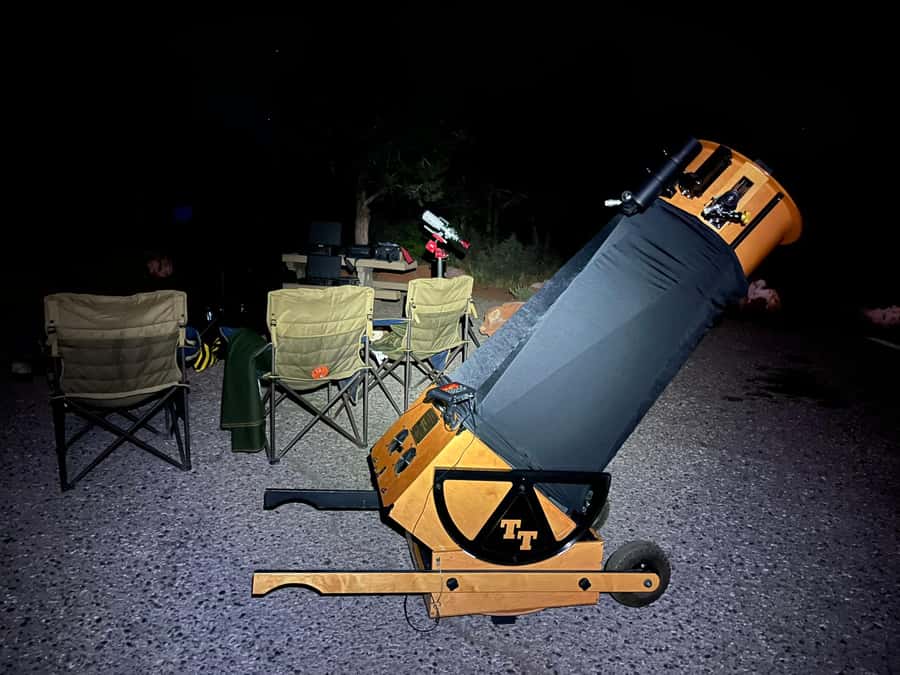
A few practical points can help your evening go smoothly:
- Expect possible cancellation if clouds or dangerous weather show up. Storms, flood warnings, or dangerously high winds can change plans.
- You’re not allowed to bring alcohol or drugs, and smoking and vaping are not allowed.
- The terrain is outdoors and uneven, so good closed-toe footwear is a real must.
- If you’re using taxi or ride-share after the tour, reserve your pickup driver in advance.
One more detail that comes up in the real world: GPS can be spotty for the final turn depending on the site. If you’re arriving by car, give yourself a little extra buffer time and follow the final directions carefully when they arrive.
Should You Book This Sedona Stargazing Tour?
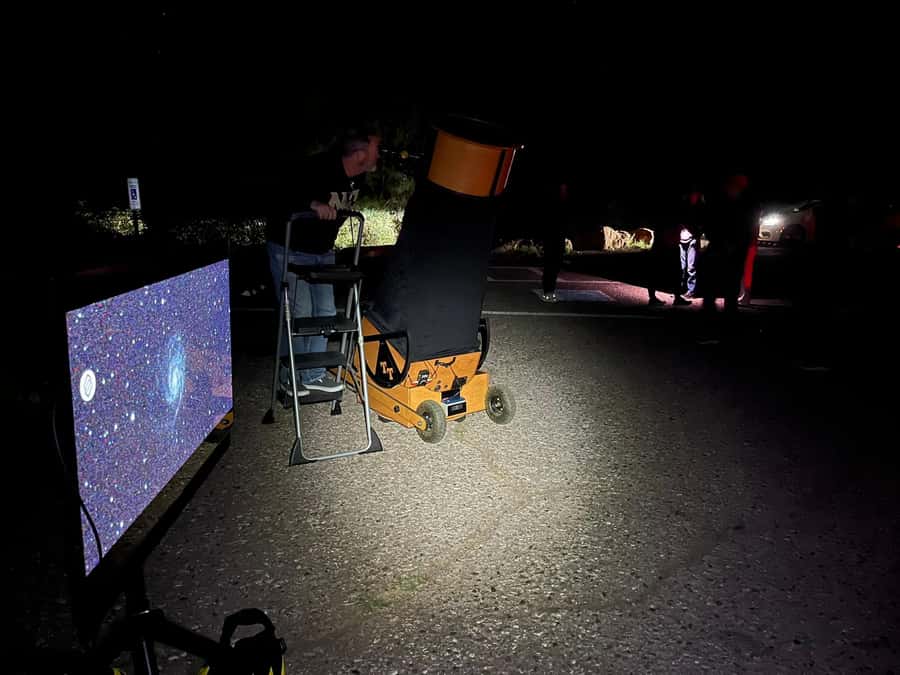
If you want a guided night-sky experience that goes beyond basic star spotting, I think this is an easy yes. The combination of visual telescope viewing plus EAA video astronomy gives you a broader range of targets than most short tours, and the guided constellation start helps you connect what you see to the sky above you.
Book it if:
- You’re coming from a city and want to see what a darker sky really looks like
- You want clear teaching while you observe, not just a demo
- You’re curious about both classic astronomy views and modern imaging tools
Skip it if:
- You have mobility limitations or need wheelchair-friendly terrain
- You’re not comfortable dressing for cold outdoor conditions
- You don’t have a plan for getting to and from the dark-sky site
FAQ
How long is the stargazing tour?
The tour lasts 90 minutes.
What do I see during the tour?
You’ll learn constellations (including zodiac), look for planets and other sky highlights, and observe targets through telescopes. The tour also uses video astronomy on a 4K OLED screen to view faint galaxies and nebulae.
Are telescopes included?
Yes. The tour includes premium large-aperture telescopes and high-quality astronomy eyepieces, plus video astronomy equipment for live viewing on the 4K screen.
Where is the meeting point?
You meet your astronomer at a dark-sky site near Sedona. Which exact location is available changes seasonally, and you’ll receive full meetup directions after confirmation.
Do I need my own transportation?
Yes. Transportation to and from the dark sky site is not included. You’ll need access to a vehicle or a taxi/ride-share, and it’s recommended to arrange pickup in advance for late-night travel.
What should I bring?
Bring warm clothing like a jacket, long-sleeved shirt, long pants, warm shoes, and closed-toe footwear. The tour is outdoors at night.
Will the tour run if it’s cloudy?
Stargazing requires clear conditions. The tour may be canceled due to cloudy weather or dangerous conditions like storms, flood warnings, or dangerously high winds.
Is it suitable for young children or mobility limits?
It’s not suitable for children under 7. It’s not recommended for people with limited mobility and is not suitable for wheelchair users.