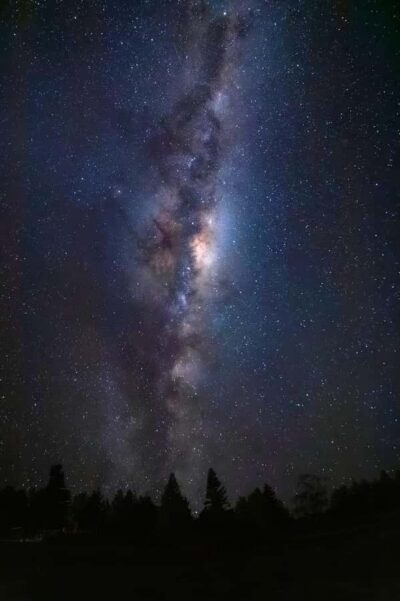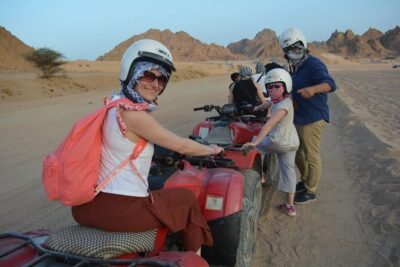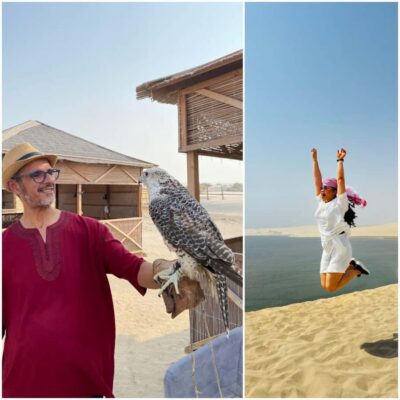
Night skies in the Sinai are a real treat. This Sharm el Sheikh experience combines camel riding, a hearty Bedouin open-buffet BBQ, and a night-sky session in Wadi Khroume Valley. Two things I really like: the dinner setup feels welcoming and food-forward, and the stargazing includes an astronomer, telescopes, and plain-language help for finding planets and constellations.
One thing to think about before you go: this is not an all-day, ultra-remote desert expedition. The camp is reached by a short drive from Sharm el Sheikh, so if you’re chasing the absolute darkest skies possible, you may want to calibrate expectations.
In This Review
- Key things to know before you go
- From Sharm pickup to Wadi Khroume: timing and logistics that matter
- Wadi Khroume Valley: what makes this stargazing setting special
- Camel riding at the camp: fun, but plan for comfort
- Bedouin BBQ dinner: what you actually get and why it works
- Fire show and El Tannoura: entertainment before the telescope
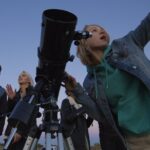
- Stargazing with an astronomy guide and digital telescopes
- How to get the best stars for your money
- Camel transfer and the drive issue: how far into the desert is it?
- Who should book this Sharm el Sheikh stargazing trip?
- Price and value vs. the cheapest desert safari option
- Should you book the Sharm Classic Stargazing Trip?
- FAQ
- What time does the stargazing tour start?
- How long is the tour?
- Is hotel pickup and drop-off included?
- What activities are included in the ticket?
- Does the tour include dinner and drinks?
- Is there a limit on group size?
- Can I get a mobile ticket?
- Can I cancel and get a full refund?
Key things to know before you go
- Wadi Khroume Valley for stargazing: the valley is the star of the show for night-sky viewing.
- Hotel pickup and return: you’re collected and dropped back, so you don’t have to coordinate desert driving.
- Camel ride + Bedouin camp: it’s part adventure, part dinner night out.
- BBQ open buffet dinner: grilled chicken and kofta are part of the mix, plus salads, rice, pasta, potatoes, bread, and tea.
- Fire show and El Tannoura: folkloric entertainment happens before the telescope time.
- Digital telescope is included: paired with an astronomy guide for identifying what you’re seeing.
From Sharm pickup to Wadi Khroume: timing and logistics that matter
This tour runs about 5 hours, starting at 4:00 pm, which fits nicely if you want a full afternoon without losing your whole evening to travel. Pickup is typically earlier (around 3:00 pm), meaning you’ll be leaving your hotel before the sun fully drops.
The drive to Khroume Valley is short—about 20 minutes from Sharm el Sheikh—so you’re not spending your precious daylight hours bumping through the desert. For most people, that’s a win: you get more time in the camp and less time in a vehicle, and the whole experience still feels like a true desert outing.
Group size is kept to a maximum of 25 travelers, which helps the pacing. Big groups can turn a telescope night into chaos. Here, it’s more likely to feel organized, with people cycling through viewing time and space staying manageable.
You can also read our reviews of more tours and experiences in Sharm el Sheikh.
Wadi Khroume Valley: what makes this stargazing setting special
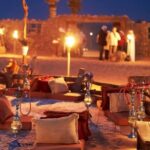
The tour is centered on stargazing conditions in the Sinai desert valley area. You’ll arrive to a camp-style setup where the night is part of the atmosphere—think fire and candles and a slow shift from warm afternoon temperatures to cooler desert air.
This matters, because stargazing isn’t just about equipment. It’s about having enough time to look up without feeling rushed, and having an astronomer help you connect the dots. The setup here is designed for that. Instead of handing you a telescope and sending you off, the tour guides you through how to locate things in the sky and what those objects are.
Also, the tour is positioned as family-friendly and for “all ages.” That doesn’t mean it turns into a kids-only event—it means the explanations should be approachable, and the night isn’t structured like a lecture that leaves non-enthusiasts behind.
Camel riding at the camp: fun, but plan for comfort
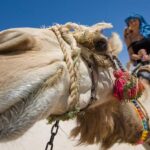
The camel ride is included and it’s one of the easiest ways to feel like you’re doing something truly local, not just sitting in a vehicle until dark. Expect it to be part of the camp flow—before dinner and shows, then tied into the overall desert vibe.
One practical consideration: a camel ride can be less “scenic stroll” and more “short experience with a quick transition.” Since you’re in a managed tour format with dinner and telescope time, there’s limited time for long rides or extended stops.
If you have balance concerns or you prefer minimal physical friction, I’d still consider it—but keep your expectations realistic: this is a short included camel ride as part of a larger evening, not a multi-hour ride across dunes.
Bedouin BBQ dinner: what you actually get and why it works
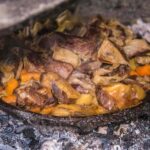
Dinner is a major part of why this trip feels like more than a quick desert photo stop. You’ll eat in Bedouin tents with an open buffet style spread that includes both grill items and sides that keep things filling.
Here’s what’s listed on the BBQ buffet:
- Fresh grilled chicken
- Kofta
- Cooked potatoes
- Rice and pasta
- Three kinds of oriental salads
- Fresh bread
- Mineral water, soft drinks
- Bedouin tea
I like this menu because it’s not just “tourist barbecue.” It’s the kind of mix that works for different tastes: if you’re hungry, you’ll leave satisfied; if you prefer lighter bites, the salads and bread keep it from feeling one-note.
There’s also a cultural texture here. The camp experience includes Bedouin bread fresh cooking, which gives the dinner a hands-on feel instead of being only packaged and plated.
The practical vibe: you’ll be eating before the stargazing session, while the camp is warm and active. That matters because once you’re doing telescope viewing, you don’t want your night to hinge on feeling hungry or cold.
Fire show and El Tannoura: entertainment before the telescope
After dinner, you’ll shift from eating and chatting into staged performance time. The included shows focus on fire and a folkloric dance performance: El Tannoura.
This part does two jobs. First, it gives you a break from food so your eyes and attention can switch into “night mode.” Second, it keeps the evening lively for groups with different interests—especially helpful if not everyone in your group is a sky-spotting fan.
If you’re photographing, keep in mind the lighting will be dramatic and moving. That’s great for performance shots, but it also means your camera settings and your expectations for sharp star photos should be saved for later.
Stargazing with an astronomy guide and digital telescopes
This is the heart of the tour: after the shows, an astronomy guide takes you through the sky. You’ll get telescope time with a modern digital telescope, plus explanation of constellations and where planets are.
The goal is not just to say what’s up there. It’s to teach you how to find it again on your own—so you’re not only relying on the guide to point. The tour is specifically set up to answer questions like how to locate planets such as Saturn, and what kinds of objects you can see through binoculars.
A useful expectation-setting note: telescope quality can vary from what people imagine when they hear the word telescope. If you’re expecting high-powered astrophotography-level views, you might feel slightly underwhelmed. The value here is the guide’s ability to help you identify what you’re seeing, and the fact that the night includes strong targets like the moon and bright planets.
In short: you’ll get the most out of this if you treat it like an astronomy lesson plus a night camp hangout—not only a technical gear experience.
How to get the best stars for your money
At $49.99 per person, this isn’t a budget-only add-on; it’s priced like a real evening experience that bundles transportation, dinner, entertainment, and stargazing. That bundling is what makes it good value. You’re not just buying telescope time—you’re buying a whole night program.
To maximize your odds of enjoying it:
- Show up ready to slow down: stargazing is easier when you stop rushing and let your eyes adjust.
- Listen for the “where to look” instructions: the guide’s explanations are meant to help you locate objects on your own.
- Think bright targets first: planets and the moon tend to be easier wins than faint deep-sky objects.
- Dress for desert night: even if it starts warm, the evening can cool down, and comfort helps you stay focused.
Also, if you’re comparing this to a generic “desert safari,” pay attention to what’s included beyond driving. Here, you’re paying for dinner in Bedouin tents, folkloric shows, and structured astronomy guidance. If stargazing is a priority for you, that structure is the point.
Camel transfer and the drive issue: how far into the desert is it?
This tour includes transfers: you’re picked up at your hotel and driven to the camp area, then brought back after the night program. The camp is only about 20 minutes from Sharm el Sheikh, which is part of why the day feels efficient.
That short distance is also why you might not feel like you’re going “deep” into the desert. If your dream version is hours of remote dune driving and maximum isolation, this may feel more like a desert night out on the edge of the desert area than a long-distance expedition.
The included camel ride gives you the desert flavor without the logistics of long travel. And if you’re traveling with kids or you want an easier pace, that’s actually a strong advantage.
Who should book this Sharm el Sheikh stargazing trip?
This trip is a good fit if you want:
- A family-friendly night activity that isn’t only for astronomy nerds
- A mix of camel ride, dinner, and shows, not just telescope time
- Guided stargazing where someone explains how to find planets and constellations
- A straightforward pickup-and-return plan from your hotel
It may not be the best fit if:
- You’re an advanced amateur astronomer expecting very high-end viewing equipment every time
- You want the absolute deepest remote desert darkness and long off-road travel
- Your main interest is gear, not guidance
Price and value vs. the cheapest desert safari option
If you’re comparing prices, keep this straight: this experience bundles multiple components into one ticket—hotel transfers, camel ride, Bedouin BBQ dinner, fire and Tanoura-style show, and an astronomer-led stargazing session with a digital telescope.
Yes, a cheaper desert safari may include similar elements like camel riding and some entertainment. But the differentiator here is the astronomy focus: the night is structured around explanation, locating objects, and telescope viewing as part of the program.
If stargazing is what you care about most, it’s worth paying for the stargazing-first format rather than gambling on a generic program where night-sky time might be short or less guided.
Should you book the Sharm Classic Stargazing Trip?
Book it if you want a complete evening: Bedouin dinner + desert camp atmosphere + camel ride + shows + guided telescope viewing in a program that runs about 5 hours and returns you to your hotel.
Skip it or lower your expectations if you’re chasing “pro-level astronomy equipment” or a long, remote desert trek. The camp area is reached by a relatively short drive, and the telescope experience is best treated as a guided sky identification night rather than a hardcore equipment test.
If your goal is to leave Sharm having truly looked up with help—finding things you can recognize and remember—this is a solid, enjoyable choice for the price.
FAQ
What time does the stargazing tour start?
The experience starts at 4:00 pm, with pickup typically arranged earlier (often around 3:00 pm).
How long is the tour?
The duration is listed as about 5 hours.
Is hotel pickup and drop-off included?
Yes. The tour includes hotel pickup and drop-off.
What activities are included in the ticket?
Included are camel ride, Bedouin BBQ open buffet dinner, Bedouin bread fresh cooking, oriental/fokloric shows (including fire show and El Tannoura), and star gazing with an astronomer plus a modern digital telescope.
Does the tour include dinner and drinks?
Yes. Dinner is an open buffet with water, soft drinks, and Bedouin tea listed as included.
Is there a limit on group size?
Yes. The maximum is 25 travelers.
Can I get a mobile ticket?
Yes. The tour includes a mobile ticket.
Can I cancel and get a full refund?
Yes. Free cancellation is available up to 24 hours in advance for a full refund. If you cancel within 24 hours of the start time, the amount paid is not refunded.