REVIEW · HERAKLION
Mount Juktas, the observatory of CRETE ZEUS face mountain
Book on Viator →Operated by The real safari crete · Bookable on Viator
Zeus shows up where you least expect. This late-evening Crete safari strings together Skotino Cave, a traditional village break, a working raki and wine stop, and then Mount Juktas observatory for big night views. I love the mix of nature plus food, and I also like that you travel with a small group (max 18), which keeps the pace human and the questions flowing. The one drawback to weigh is timing: you start at 8:30 pm, so it’s a long day and a late return.
What makes it feel special is how practical it all is. You get door-to-door pickup arranged by message or email, an English-speaking guide, and a warm plan for the whole stretch—from cool cave time to tastings and lunch—without you having to map anything out yourself. You’ll also have a mobile ticket, plus WiFi on board to keep everyone happy during the ride.
In This Review
- Quick hits: what you’ll remember most
- Skotino Cave: part myth, part cool air break
- Smari village stop: coffee and a slow walk
- Kato Vrisi: the photo stop with crystal-clear water
- Stironas raki and wine: learning the old way, then tasting it
- Stironas lunch: traditional food plus more raki and wine
- The Cretan village atmosphere: a second taste of local life
- Mount Juktas observatory: the Zeus-face mountain at night
- Guides make a real difference: George, Oli, Sifis
- Price and value: what about $112 per person covers
- When a 7-hour, 8:30 pm start works best
- What to bring so you’re comfortable
- Should you book the Mount Juktas Zeus-face safari?
- FAQ
- FAQ
- What time does the tour start?
- How long is the experience?
- Is pickup included, and how do they find you?
- What language is the tour in?
- What’s included in the price?
- What is not included?
- Can I cancel and get a full refund?
Quick hits: what you’ll remember most
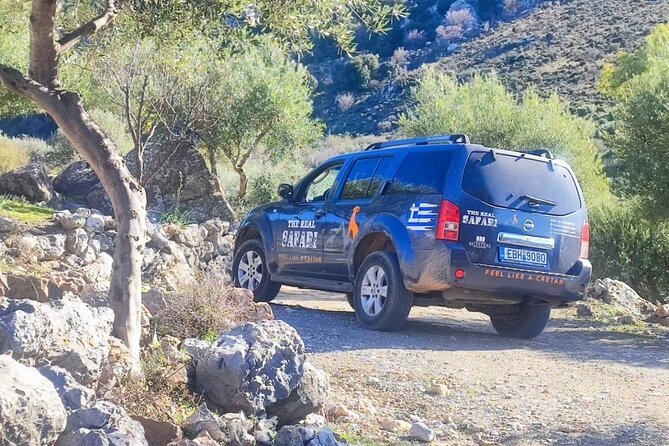
- Skotino Cave with Artemis mythology and included entry, plus a short 45-minute window that’s easy to fit
- Raki and wine tasting at Stironas, with you learning the old Cretan way and then trying it
- Traditional lunch with raki and wine, included so you’re not hunting for food later
- Mount Juktas observatory on the Zeus-face mountain, timed for dramatic night scenery
- Small group size (max 18) and guides who actually explain what you’re seeing
- Pickup offered from your area, which removes the stress of getting to the right start point
Skotino Cave: part myth, part cool air break
The day begins with Skotino Cave, one of the biggest and oldest caves on Crete. You get about 45 minutes here, and admission is included. The cave has a mythology tie-in too: local tradition links it to a temple connected to Artemis. Even if you’re not a “myths and legends” person, it’s a fun angle because it frames the cave as more than a hole in the ground—it’s part of how Crete explains its landscape.
Here’s what this stop is good for from your point of view: it’s a fast dose of “real Crete.” You’re not only seeing a view; you’re stepping into a place that feels ancient and different from the coastline. You’ll also get a natural break in the schedule, so the later tastings and mountain time don’t feel like a nonstop sprint.
Practical tip: caves can feel cooler than the outside air, even in warm months. Wear shoes you’re comfortable walking in, and don’t plan to squeeze in heavy bags.
Smari village stop: coffee and a slow walk
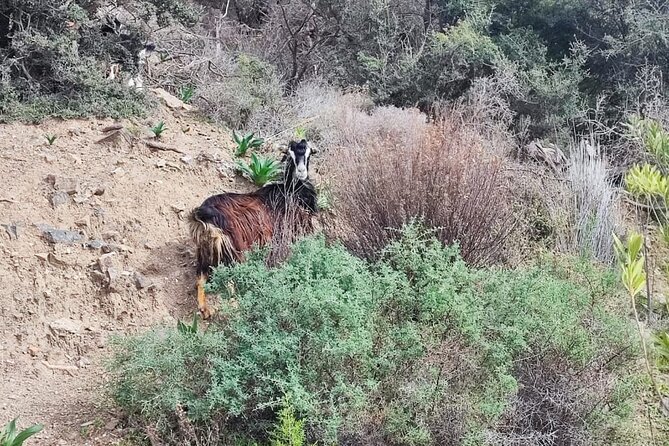
Next is Smari, where you get about 1 hour for a coffee break and a walk in a traditional village. This stop is ticket-free, which is nice because you’re mostly there for atmosphere and legs-stretching time.
I like this part because it slows the day down on purpose. After cave time, you get to reset: wander a bit, look at village details, and sip something while you watch life happen at a human pace. It’s also the moment to judge how much energy you have left for the late-night climb up to Mount Juktas.
Budget note: coffee isn’t listed as included. So if you want it, plan for it. The tour does include lunch later, but Smari is the time you might want a caffeine boost.
Kato Vrisi: the photo stop with crystal-clear water
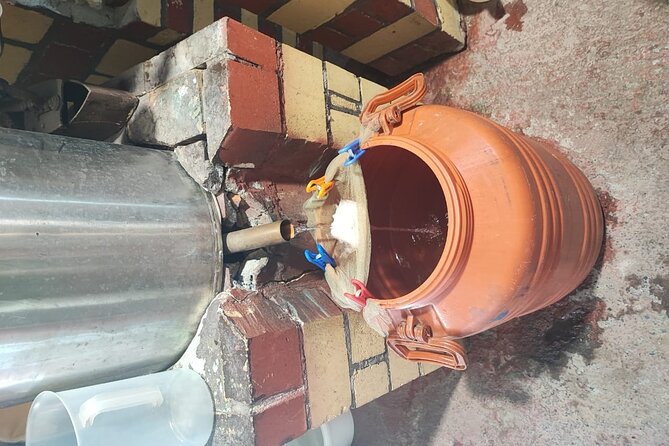
Then you move to Kato Vrisi for a 45-minute photo stop by a natural spring. The spring is described as crystal clear, and admission is included. Since it’s a photo stop, the goal is simple: see the water, get your photos, and enjoy the quick “Crete doing something beautiful without trying” moment.
This is a good stop for a few reasons. First, it’s short, so it doesn’t eat the day. Second, the spring adds variety between village streets and the later distillery and observatory. And third, photo time is actually useful here because the water is the feature—no need to rush through it.
Practical tip: bring your phone charger and keep an eye on battery life. Night views on Mount Juktas can tempt you to take a lot of photos fast.
Stironas raki and wine: learning the old way, then tasting it
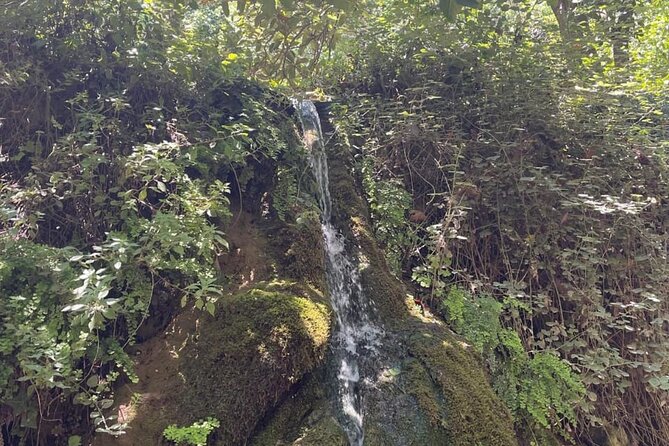
At Stironas, you get 1 hour 30 minutes focused on a raki and wine distillery experience. Admission is free as part of the tour, and you’ll learn how older Cretan people used to make raki and wine in their own unique way. Then you get to try the raki and wine.
This is one of the most praised parts of the experience, and I get why. It’s not just tasting something; it’s hearing the story behind it. You’re getting context for what you’re drinking, which turns the tasting into a mini lesson you can actually remember later. It also adds a hands-on feel to the day—something you don’t get from a quick roadside stop.
A practical point: tasting means you should pace yourself. Even if you like raki, go easy so you can still enjoy Mount Juktas when you reach it. Also, if you’re sensitive to alcohol, tell your guide so you can adjust what you try.
Stironas lunch: traditional food plus more raki and wine
Right after the distillery time, you’ll spend another 1 hour 30 minutes at Stironas for a traditional Cretan lunch. This is included, and it comes with raki and wine as part of the meal.
This section is a smart value move. Instead of you paying for lunch separately (and possibly not finding something you like late in the day), the tour builds a full food block right in the middle. You also stay at the same area instead of scattering to different places, which helps the schedule stay smooth.
What to expect: a traditional lunch that fits the theme of the day—Crete as a place you taste, not just a place you photograph. If you’re a foodie, this is a highlight. If you just want an easy meal that doesn’t derail your timing, it’s still a win.
What’s not included: coffee and/or tea aren’t listed as included, and snacks aren’t included either. So if you think you’ll snack, plan for it beforehand or pick something small during the village hour.
The Cretan village atmosphere: a second taste of local life
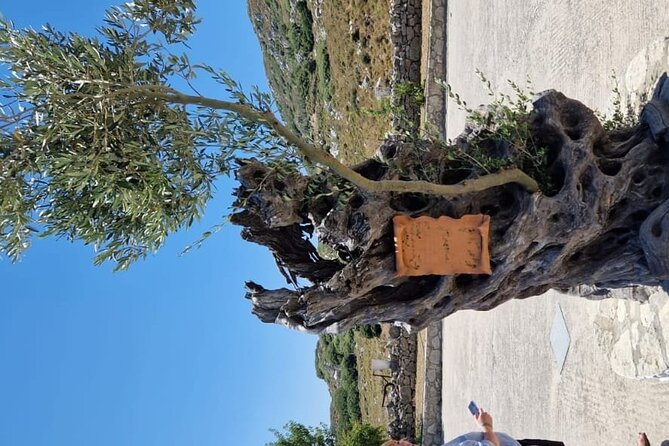
After Stironas, there’s additional time described as Cretan traditional village. The exact length isn’t spelled out clearly, but you can expect another chance to slow down and experience village life in a more relaxed way. Think of this as a cultural breather between tastings and Mount Juktas.
I like having two village-ish moments in one trip, because it gives you contrast: one village time can feel like a quick stop; two village moments can make it feel more real. You’ll likely get more time to look around, ask questions, and absorb how locals structure a day.
Mount Juktas observatory: the Zeus-face mountain at night
Finally comes the big payoff: Mount Juktas, the observatory of Crete and the so-called Zeus face mountain. You get about 1 hour 30 minutes here, and the Mount Juktas visit is included with no extra admission listed in the tour plan.
This is the part that makes the start time make sense. The tour begins at 8:30 pm, so you’re arriving under night conditions when the views can feel dramatic. The Zeus-face landmark is a major “only-in-Crete” moment, and the observatory setting makes it less of a random viewpoint stop and more of a structured “look and learn” experience.
I also love that this is not just scenery. With the rest of the tour—cave mythology, village culture, and Stironas tastings—you reach Mount Juktas as the final piece of a story. It feels like you’ve been traveling through different Crete moods, not just hopping between points.
Practical tip: night temps can shift fast. If you tend to feel cold easily, pack a warm layer even if daytime felt mild.
Guides make a real difference: George, Oli, Sifis
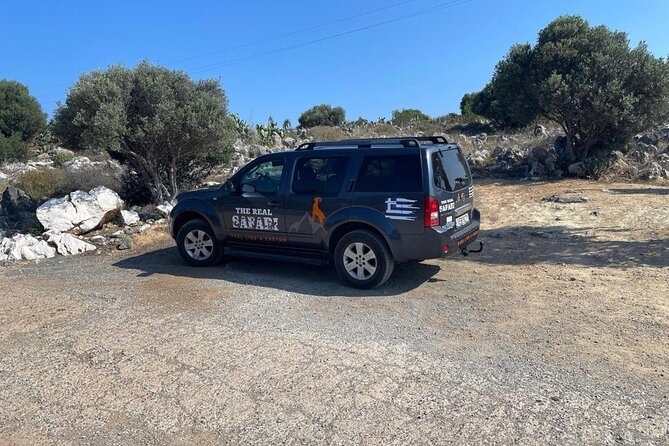
One pattern shows up again and again: the day feels better when the guide brings personality and clear explanations. The name George comes up strongly, including a recommendation to ask for him (he’s described as fun, informative, and easy to learn from). Other guides like Oli and Sifis are also mentioned as leading groups with a friendly, personal feel.
Even without a specific name, here’s what you should look for in how the tour works: you’re not just being driven around. You’re getting the “why” behind the stops—myth ties at the cave, how Crete traditionally produced raki and wine at Stironas, and what you’re looking at from Mount Juktas.
If you’re booking and you care about the guide vibe, put extra emphasis on the tour’s English guide support and small-group size. Those two things usually decide whether the day becomes a checklist or a story.
Price and value: what about $112 per person covers
The price listed is $112.38 per person, and that number can look steep—until you break down what’s included. Your plan covers:
- Air-conditioned vehicle with WiFi onboard
- Fuel surcharge
- Lunch
- Admission where listed (like Skotino Cave and Kato Vrisi, plus Mount Juktas time in the plan)
- Stironas raki and wine tasting, plus traditional lunch with raki and wine
What’s not included is also clear: coffee/tea and snacks. So you’re not forced to pay for everything twice during the day.
To me, the value is in the combination. You’re getting transportation, multiple stops, and food and tastings rolled into one schedule. If you tried to do the same “caves + village + distillery + mountain observatory” combo on your own at night, you’d likely pay for separate tickets, meals, and transport—and still deal with timing gaps.
When a 7-hour, 8:30 pm start works best
This tour is for people who like a structured plan but don’t mind a late schedule. Starting at 8:30 pm means you’re spending most of the day traveling and touring, and you’ll likely finish late because the experience runs about 7 hours.
I think it works best if:
- you’re staying in/near Heraklion and want an easy pickup setup
- you prefer guided explanations over DIY wandering
- you want a tasting-and-food component, not just viewpoints
- you’re okay with a night-focused day rather than a bright daytime one
It might feel less ideal if you’re the type who hates late returns, or if you want a full afternoon on your own first and only then head out. This one is designed as a full slot.
What to bring so you’re comfortable
Since a big chunk includes cave time, village walking, and a mountain observatory, keep your packing simple and practical.
Bring:
- Comfortable walking shoes for cave and village areas
- A light-to-warm layer for night at Mount Juktas
- Phone fully charged (photo stop + night views)
- Any small snacks you like, since snacks aren’t included
Skip overplanning. The tour is already built so you eat and taste without needing to stop for everything yourself.
Should you book the Mount Juktas Zeus-face safari?
If your goal is to see Crete beyond the usual sun-and-beach rhythm, I’d say yes. This tour has a strong theme: ancient myth and real culture in the same night cycle—caves, village atmosphere, raki and wine with a lesson, a real lunch, then Mount Juktas for the Zeus-face views.
Book it if you like:
- small-group travel (max 18)
- guided storytelling (especially with guides like George, Oli, or Sifis)
- included meals and tastings
- a night view payoff
Skip it (or think twice) if you strongly dislike late schedules, or if you prefer fully independent travel with zero structure. This is not that kind of trip.
FAQ
FAQ
What time does the tour start?
The tour starts at 8:30 pm.
How long is the experience?
It’s listed as about 7 hours.
Is pickup included, and how do they find you?
Pickup is offered. You’ll be informed by email or message about the location and pickup time.
What language is the tour in?
The tour is offered in English.
What’s included in the price?
You get lunch, an air-conditioned vehicle, fuel surcharge, and WiFi onboard. Mobile tickets are also used for this experience.
What is not included?
Coffee and/or tea and snacks are not included.
Can I cancel and get a full refund?
Yes, you can cancel for a full refund if you cancel at least 24 hours before the experience’s start time.