REVIEW · SEDONA
Sedona Night Hike and Stargazing Tour
Book on GetYourGuide →Operated by Arizona Red Rock Adventures LLC · Bookable on GetYourGuide
Sedona looks different after dark. This 4-hour Sedona night hike mixes quiet trail time, sky spotting, and hands-on desert science, all led by certified professionals. You’ll start before sunset, hike up toward Doe Mountain, then head into deeper darkness for brighter stars and a whole different kind of wildlife hunt.
I especially liked the UV flashlight scorpion scouting—watching the desert change under ultraviolet light is pure wow. I also like how the stargazing feels practical, not vague: your guide can point out constellations and even planets, and you get help identifying what’s above you as the Milky Way comes into view.
One thing to think about before you go: this is nighttime hiking on uneven ground. If you’re uncomfortable moving in the dark or you need lots of reassurance, go in with clear expectations (and note it’s not suitable for babies under 1 year or people over 95).
In This Review
- Key highlights worth your attention
- Doe Mountain turns into a stargazing platform at night
- Whole Foods pickup, van ride, and the 4-hour flow that matters
- UV scorpions and nocturnal wildlife spotting in the desert
- Why WFR-certified guides make night hikes feel doable
- Stargazing that teaches you what you’re seeing
- What you’ll carry, and what you should wear for a 3-hour hike
- Price and value: is $495 per group fair for this setup?
- Who should book this Sedona Night Hike and Stargazing Tour
- Should you book? My quick call
- FAQ
- How long is the Sedona Night Hike and Stargazing Tour?
- Where do we meet for pickup?
- What does the tour include?
- What should I bring?
- Is there stargazing instruction during the hike?
- Is the tour safe for first-time night hikers?
- What is the cancellation policy?
Key highlights worth your attention
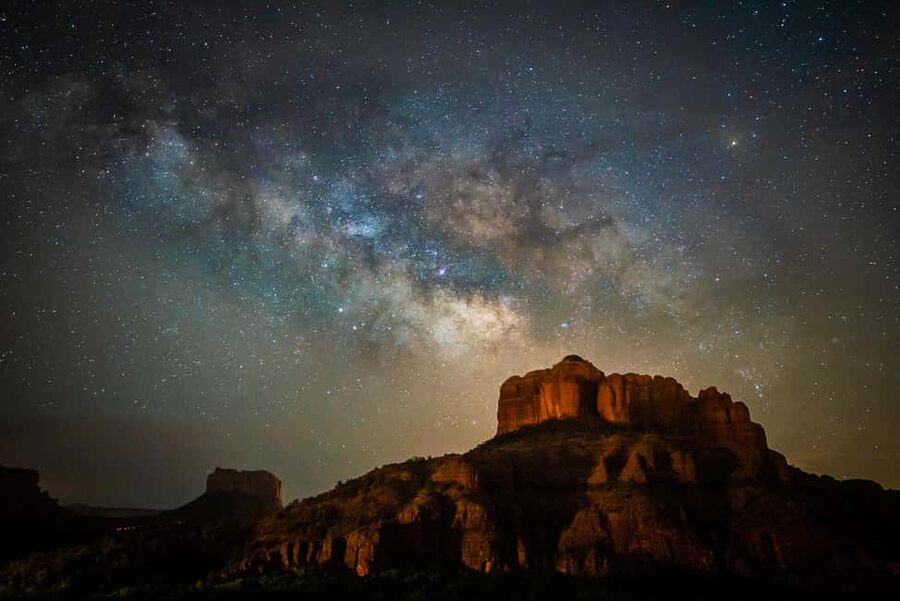
- Doe Mountain at sunset, then deeper into night for a true shift from red-rock glow to star-filled darkness
- UV scorpion scouting with flashlights that can reveal scorpions glowing blue-green
- Stargazing with real guidance to identify constellations and planets with a laser
- WFR-certified safety focus from guides trained in Wilderness First Responder and orienteering
- Small-group feel with pickup and snacks so you’re not figuring logistics after dark
Doe Mountain turns into a stargazing platform at night
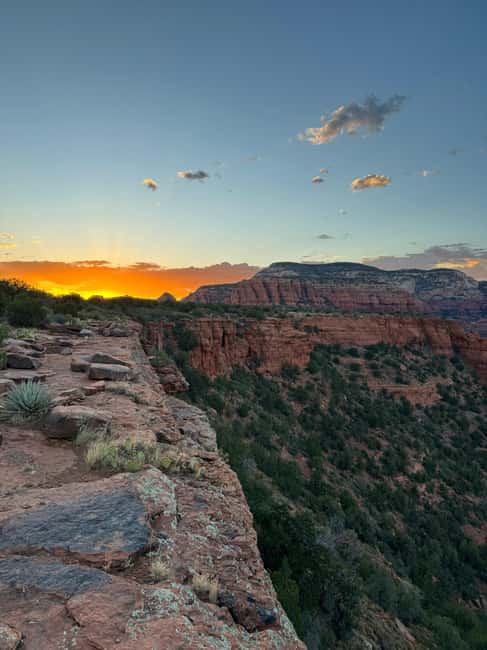
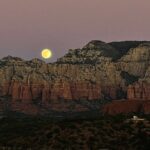
The whole experience is built around timing. You start just before sunset, when Sedona’s red rocks look almost warm even though the air is cooling. From the hiking side, that means you get views while there’s still light to read the terrain. Then as the sky darkens, you continue beyond the easy comfort zone—into quieter parts of the trail where the night sky has a better chance of feeling truly huge.
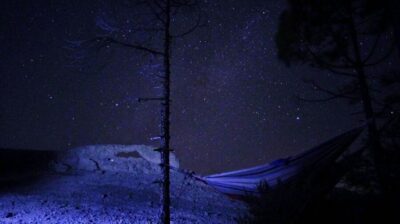
At the summit area, you slow down on purpose. Your guide points out what’s up there, then shifts into stories and astronomy highlights. It’s not just look-and-hope stargazing. The guidance helps you connect the shapes you’re seeing with names you can remember, and it makes planets easier to spot than trying to guess from a phone screen.
You can also read our reviews of more tours and experiences in Sedona.


Whole Foods pickup, van ride, and the 4-hour flow that matters
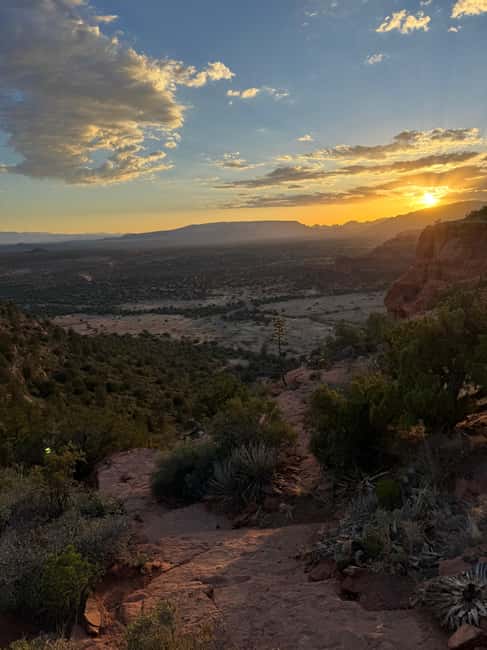
Your tour begins at Whole Foods Market, meeting in the southwest corner of the parking lot. From there, you ride in a van for about 15 minutes to your trail start, which is a big deal in Sedona—parking and nighttime navigation can be a hassle.
Total time is about 4 hours, with roughly 3 hours of hiking. That pacing means you should plan to be active most of the evening, not just “walk a little then sit.” It’s also long enough that comfort gear matters: comfortable shoes, a hat, and water aren’t optional vibes—they keep the experience enjoyable.
Because the tour is designed around the moon and the stars, the guide may choose the route based on season, current tourism levels, and sky conditions. Translation: you’re not always on the same trail, even if it’s the same general experience. The goal is a darker sky and a calmer hike, not a rushed checklist.
UV scorpions and nocturnal wildlife spotting in the desert
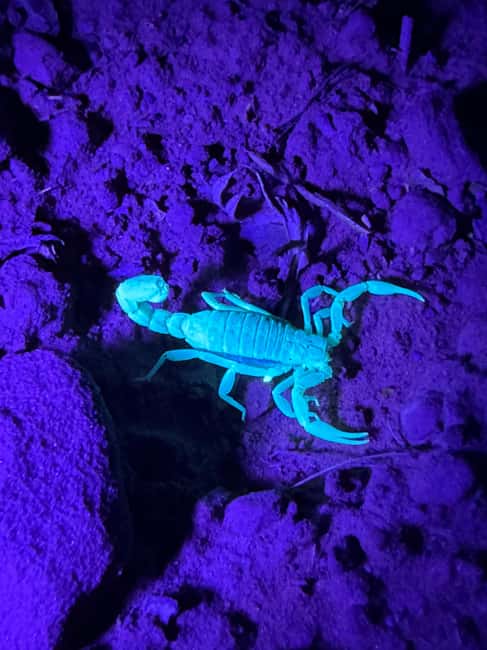
The most memorable science moment is the UV part. When the light drops and your eyes adjust, the tour switches to UV flashlights to search for scorpions that can appear glowing blue-green under ultraviolet light. Your guide shows you what to look for—often things like movement or patterns in cracks, along the trail, or where scorpions might hide under rocks.
A key point: the goal is observation, not disturbance. You’re looking for signs and using the right light to see what’s usually invisible at night. That changes how you perceive the desert. Instead of thinking of it as quiet and empty, you start recognizing it as busy and adapted.
The wildlife search is broader too. Your guide looks for clues and possible sightings of nocturnal creatures like owls and bats, and you may also spot other nighttime activity depending on conditions. Even when you don’t see an animal directly, the pauses to scan and listen make the night feel alive.
Why WFR-certified guides make night hikes feel doable
Night hiking can make people nervous, and that makes sense. Your guide is a certified Wilderness First Responder (WFR), which is a real credential, not marketing fluff. They also have training in orienteering, so navigation at night isn’t guesswork.
That safety mindset shows up in how the hike is run. One of the best signals is how guides handle uncertainty on the trail. In my mind, the “job” here isn’t just leading you up a mountain—it’s keeping you calm and moving well as visibility drops. From what I’ve seen in the way this tour operates, that reassurance matters most when you’re dealing with uneven steps, a rocky uphill, or a child who’s running out of patience.
The guide experience really comes through with names too. Guides like Ty are described as patient and steady, guiding first-timers step by step so you feel confident going up and especially during the darker return. That kind of coaching turns the night from scary into manageable.
Stargazing that teaches you what you’re seeing
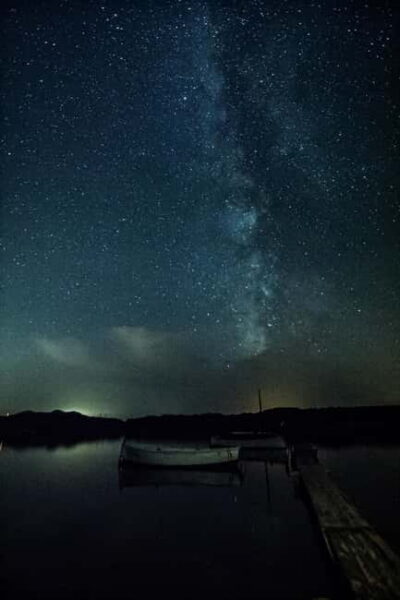
Sedona’s night sky is one of the region’s biggest reasons to visit, but a sky can still feel confusing if no one helps you map it. This tour avoids that. Your guide uses a laser to point out constellations and helps you connect the patterns to names you can actually use later.
You’ll also get astronomy highlights tied to what you can see in the moment. If you’re new to stargazing, this is where the value jumps out: you’re not just watching light, you’re learning a simple way to read the sky. If you already know some constellations, you’ll still likely enjoy the guided reminders and the “look here” focus that cuts down on frustration.
And because the tour aims for minimal light pollution conditions, the sky tends to look much better than what you might be used to from brighter areas. The result is that stars feel more “present,” not just background noise behind city glow.



What you’ll carry, and what you should wear for a 3-hour hike
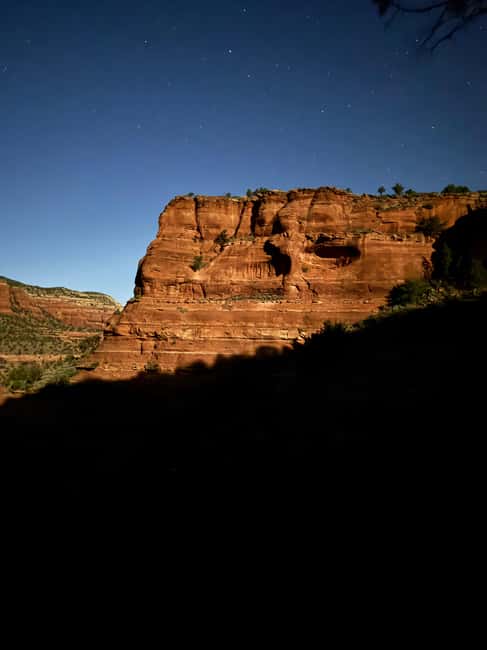
Here’s what you should bring:
- Comfortable shoes (non-negotiable for rocky desert paths)
- Hat
- Water
- Camera
The tour also suggests wearing weather-appropriate clothing and using sunscreen. Even at night, you’re often in open desert sun earlier in the evening, and Sedona’s temperature swings can be real. A hat helps with both sun and evening comfort.
If you have any preference for how you film or photograph the stars, plan ahead. Night skies can look amazing on camera, and this is one of the easier ways to get memorable shots because you’ll be in a guided, low-light setting with time to pause.
Price and value: is $495 per group fair for this setup?
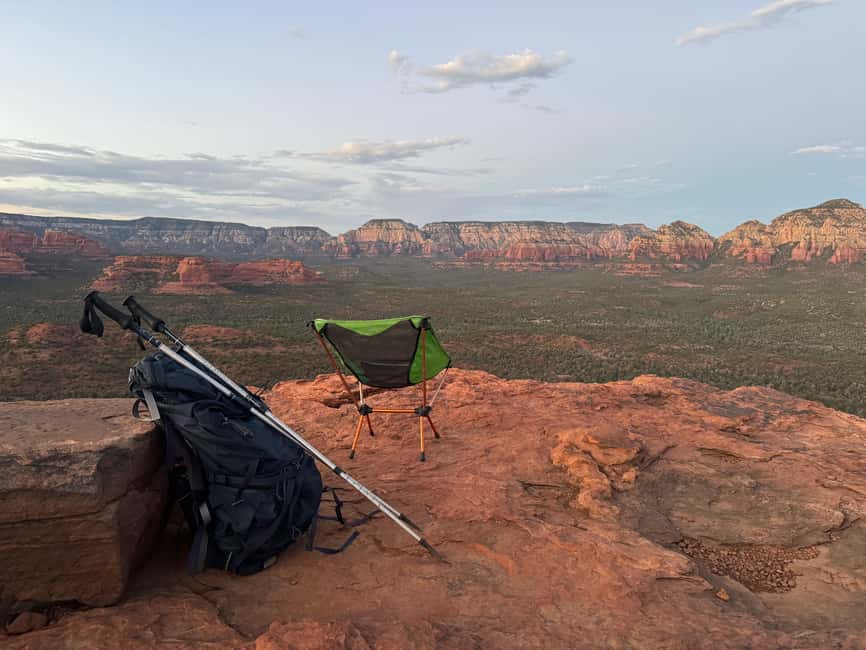
The listed price is $495 per group, and the format is described as private group. That means you’re paying for more than a basic hike—you’re paying for the guide, the transportation, the stargazing instruction, the UV scorpion scouting gear, and the structure that makes it work after dark.
In value terms, I’d treat it like this:
- If you’re the kind of person who wants a guided experience (especially for stargazing and safe nighttime navigation), the price starts to make sense fast.
- If you’d rather hike independently and you already have gear, the cost may feel high compared to self-guided hiking.
One thing that supports the price is the WFR certification plus the orienteering skill. That safety layer is hard to DIY, especially if you’re not familiar with navigating at night on uneven terrain. Also, you’re getting snacks included, plus van pickup and drop-off from a specific location—so you’re not managing logistics in the dark.
If you’re deciding for a family, the guide quality can matter more than anything else. The experience is described as a great fit for first-time night hikers and for groups with kids who need patience and calm direction.
Who should book this Sedona Night Hike and Stargazing Tour
This tour fits best if you want:
- A guided night experience that includes stargazing instruction, not just walking
- A hands-on way to learn about desert nighttime life, including scorpion scouting
- A safety-forward guide team trained as WFR and in orienteering
- A more controlled small-group vibe with pickup, snacks, and a clear flow
It’s also a good choice for people who love Sedona but want something beyond the daytime red-rock scene. The red-rock sunset glow, then the shift into a darker trail, then the sky moments—this sequence is the point.
Two important limitations are baked in: it’s not suitable for babies under 1 year, and it’s not suitable for people over 95 years. If you’re in a different age group but have mobility limits, think carefully about how you handle uneven ground at night.
Should you book? My quick call
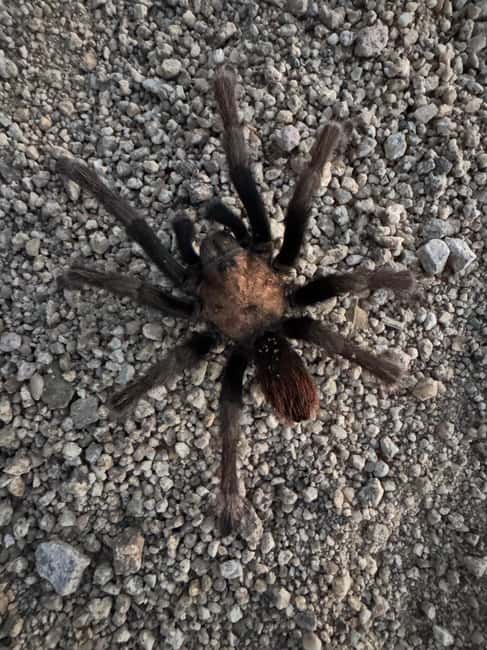
Book this if you want Sedona’s night sky plus desert science in one evening, and you value a guide who’s trained for nighttime safety. The UV scorpion scouting and the guided stargazing instruction are the standout reasons it’s worth paying for, not just taking a casual hike.
Skip it (or ask for guidance before booking) if you know you’ll struggle with darkness, uneven terrain, or you need a very low-activity option. This is a real hike built around hours of moving, pausing, and scanning the desert as it comes alive at night.
FAQ
How long is the Sedona Night Hike and Stargazing Tour?
The tour lasts about 4 hours total.
Where do we meet for pickup?
You meet at Whole Foods Market, in the southwest corner of the parking lot.
What does the tour include?
It includes an expert local guide, small group experience, transportation by van with pickup and drop-off, a guided hike up Doe Mountain, stargazing, scorpion scouting, and snacks.
What should I bring?
Bring comfortable shoes, a hat, water, and a camera.
Is there stargazing instruction during the hike?
Yes. Your guide will pause to stargaze and help identify constellations and planets.
Is the tour safe for first-time night hikers?
Your guides are certified Wilderness First Responders (WFR) and skilled in orienteering, which supports safer nighttime hiking.
What is the cancellation policy?
Free cancellation is available up to 24 hours in advance for a full refund.