REVIEW · SAN PEDRO DE ATACAMA
San Pedro de Atacama: Stargazing Experience
Book on GetYourGuide →Operated by Llama Stargazing · Bookable on GetYourGuide
Night sky in the Atacama feels unreal. You ride out from San Pedro de Atacama with an astronomer, hear stories tied to the night sky (including Ancient Greece), then start spotting stars with your own eyes.
What I like most is the hands-on telescope time and the way the guide helps you actually locate things you can name—planets, clusters, nebulae, and galaxies—rather than just staring. I also love that the comfort is built in: blankets, benches, and a warm-drink rhythm that matches the desert cold.
One thing to consider: if the Moon is bright, you might lose some of the Milky Way sparkle. Still, you’ll likely get great telescope views of the Moon and planets, so it’s not a wasted night.
In This Review
- Key reasons this stargazing night works
- Why San Pedro de Atacama is so good for stars
- From town lights to a dark-sky site in about 15 minutes
- The two-hour sky lesson: Greeks, constellations, and the view at your feet
- Telescope time: planets, binary stars, clusters, nebulae, and galaxies
- The Moon factor: how to stay happy even when it’s bright
- Drinks, snacks, and why comfort affects what you see
- What to bring so you’re not miserable
- Astrophotography: your starry souvenir (and your own photo time)
- Logistics that matter: small group, van ride, and the drop-off
- Price: $35 per person and what you’re really buying
- Who should book this stargazing tour
- Should you book it?
- FAQ
- How long is the stargazing experience?
- How much does it cost?
- What languages are offered?
- Do I need to bring a telescope or camera equipment?
- Is there a bathroom on this tour?
- What should I wear or bring?
- Is it a small group?
Key reasons this stargazing night works
- Telescopes are a real focus: you get guidance as objects come into view, not just a quick look.
- Greek mythology meets astronomy: you get history-based sky stories, then connect them to what you can see now.
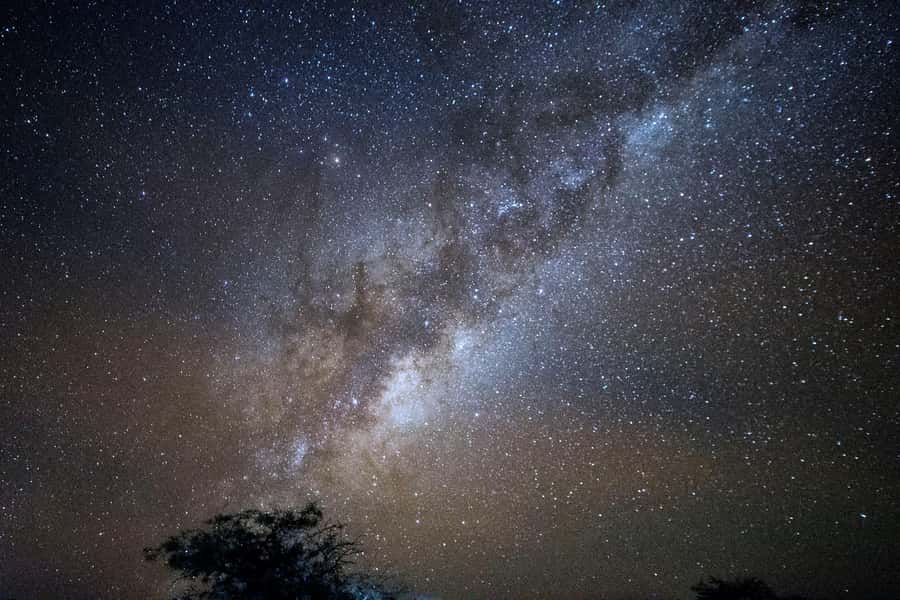
- Southern-sky navigation tips: you learn practical ways to find key points like the southern pole.
- Comfort beats discomfort: blankets, benches, and warm drinks help you stay outside long enough to enjoy it.
- Astrophotography is included: you get starry photos as a takeaway, plus time for your own shots.
Why San Pedro de Atacama is so good for stars
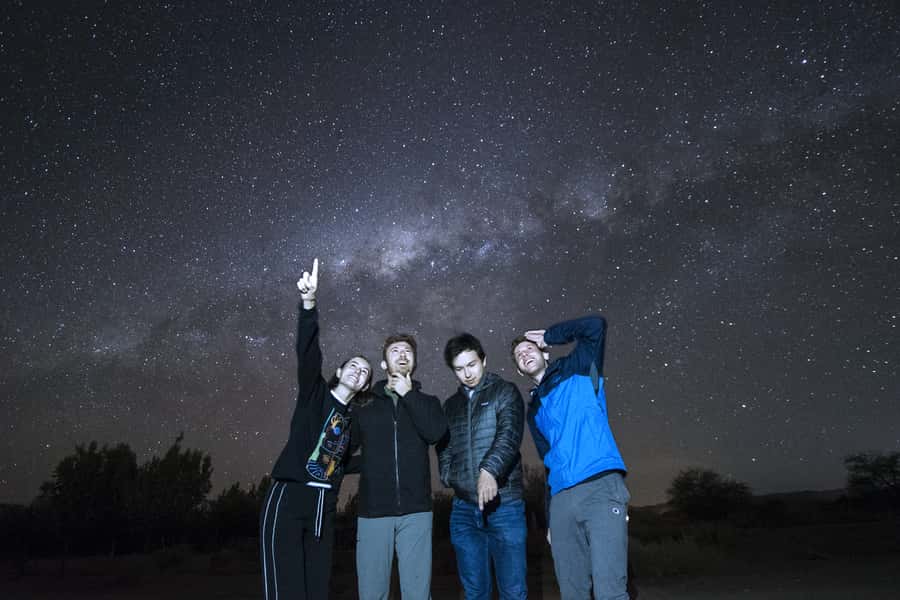
San Pedro de Atacama sits in one of the clearest, darkest parts of the world. That matters because stargazing is less about fancy equipment and more about seeing faint light without haze. When the air is steady and the sky is clean, even beginners can spot real patterns—and with a telescope, you can move from dots to details.
This tour leans into that advantage. You start with a naked-eye session so you learn how to see like an astronomer, then you move to telescopes to pull in targets your eyes can’t reach alone.
You can also read our reviews of more tours and experiences in San Pedro De Atacama.
From town lights to a dark-sky site in about 15 minutes
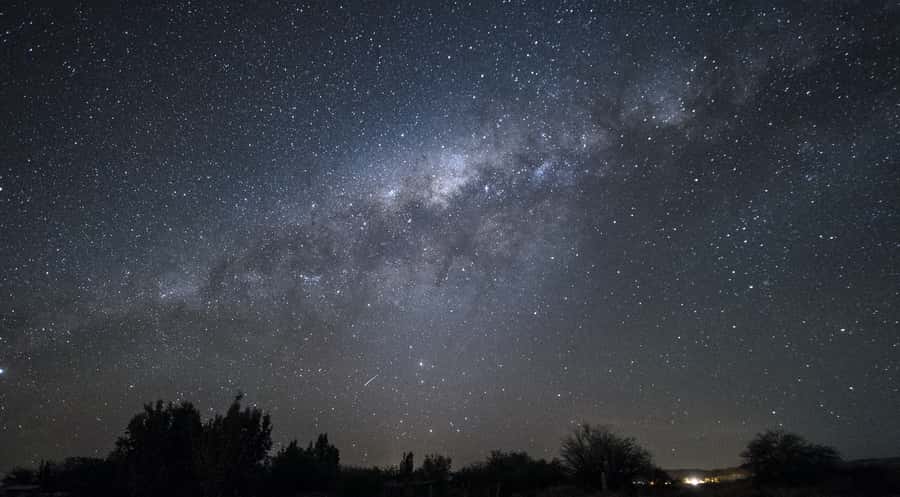
You meet in San Pedro de Atacama (the exact point can vary by option). Then you board a van for about 15 minutes out of town, leaving local lights behind.
That short ride is a big deal. It gets you to a quieter observation spot without turning the whole evening into travel time. Once you arrive, you get a short setup talk, then the night starts for real—slowly, so your eyes can adjust to the dark.
The two-hour sky lesson: Greeks, constellations, and the view at your feet
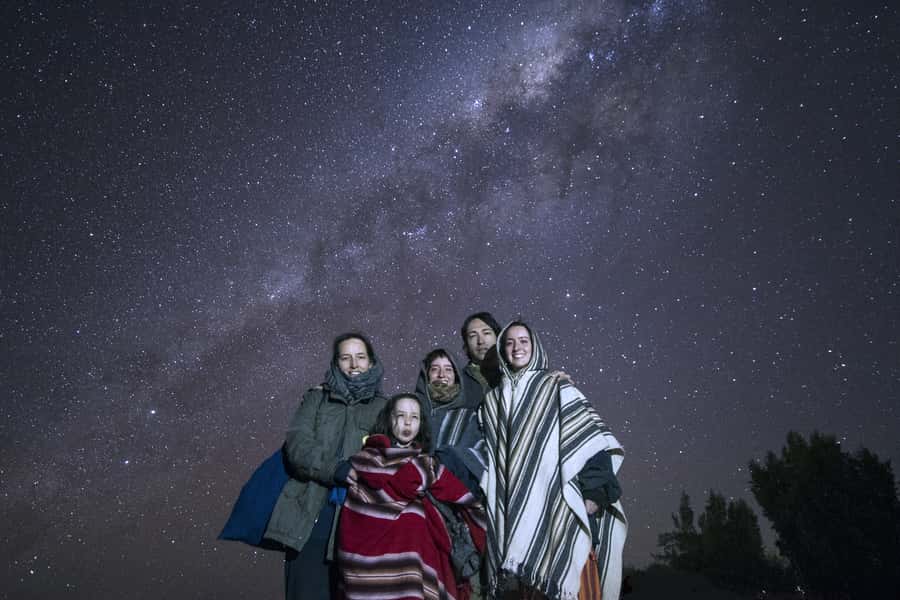
The heart of the experience is a guided, 2-hour observing session. It begins with what you can do without any tools: recognizing constellations, learning how the sky changes across the seasons, and understanding what you’re looking at.
A distinctive touch here is the connection to Ancient Greece. The guide explains how people once imagined the sky, then links those stories to modern astronomy. One reason this works well is that it gives your brain a hook. Instead of memorizing random star names, you get a story framework, then you practice seeing.
You’ll also hear plenty of practical “how-to” guidance. On some departures, guides like Alberto have spent time on finding the Southern pole, which helps everything feel more grounded once you start scanning the sky.
Telescope time: planets, binary stars, clusters, nebulae, and galaxies
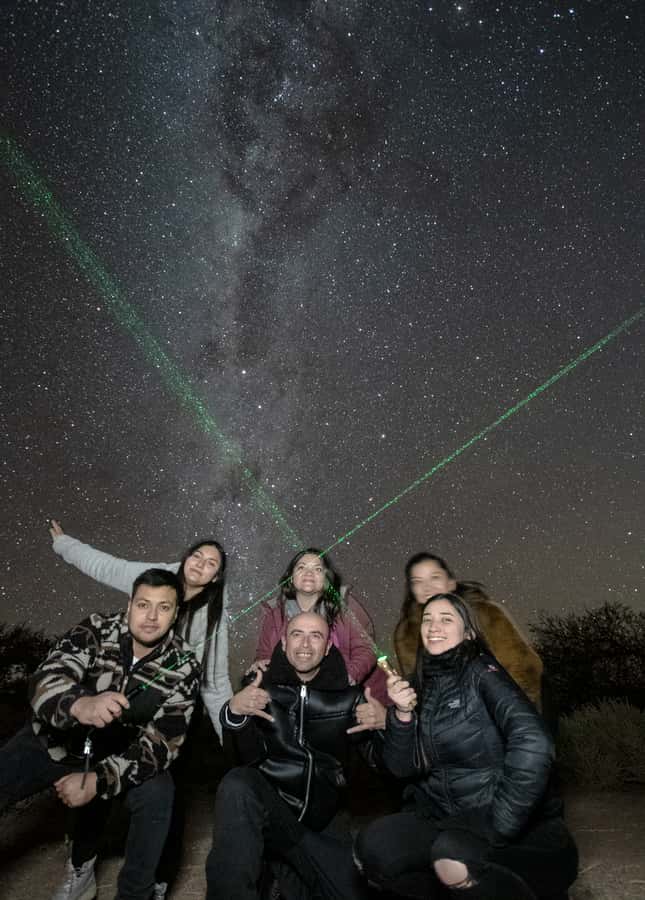
After the naked-eye part, you shift to telescopes. This is where the tour earns its value. Telescopes aren’t just for show here—they’re used to point out specific targets.
What you see depends on the season, but the range is wide: planets, stars, binary stars, stellar clusters, nebulae, and galaxies. That’s not just “one cool thing.” It’s a guided menu of objects that makes the sky feel less like a blank backdrop and more like a living map.
The guide’s job is also hands-on. In real-world use, Alberto re-adjusted the telescope after each person looked so the next guest had a crisp view. If you’re the type who gets nervous about missing out, this matters. You’re not waiting your turn with a blurry view—you’re kept on track.
Guides you might meet include Alejandro and Rafael. Their common thread is clear: they explain what you’re seeing in plain language, then help you aim and focus so you get the full moment.
The Moon factor: how to stay happy even when it’s bright
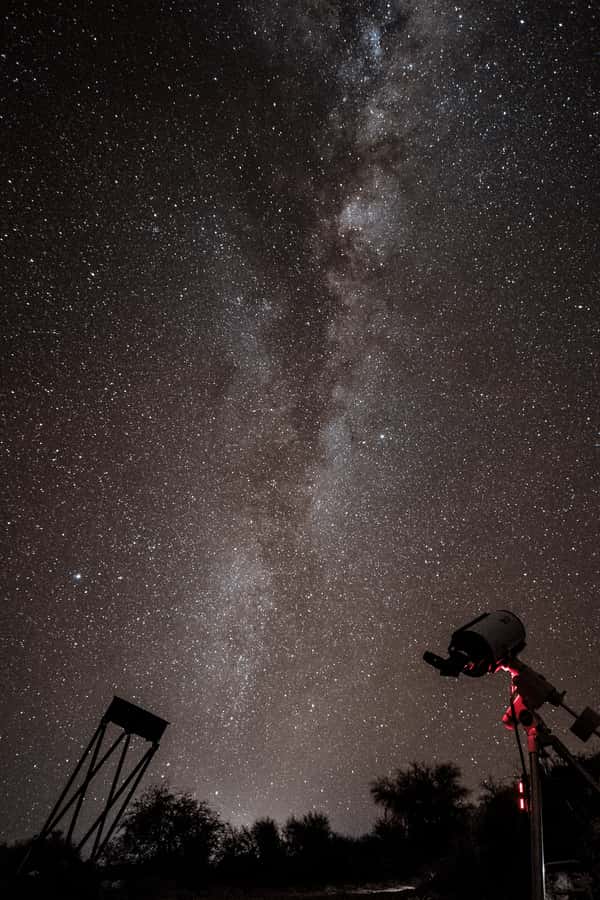
A bright Moon can reduce the number of stars you see with your naked eyes. Even so, it can still make the night special. Many astronomy tours treat the Moon as a problem; this one treats it as a target.
On full-moon timing, you may see fewer Milky Way details, but you can still enjoy:
- the Moon itself through the telescope
- planets like Saturn (with its rings when conditions allow)
- standout constellations you can anchor your viewing around
If you’re anxious about booking on a lunar-bright night, don’t cancel your plans. Think of it as a different show: less “faint galaxy hunting,” more “planet and Moon detail.”
Drinks, snacks, and why comfort affects what you see
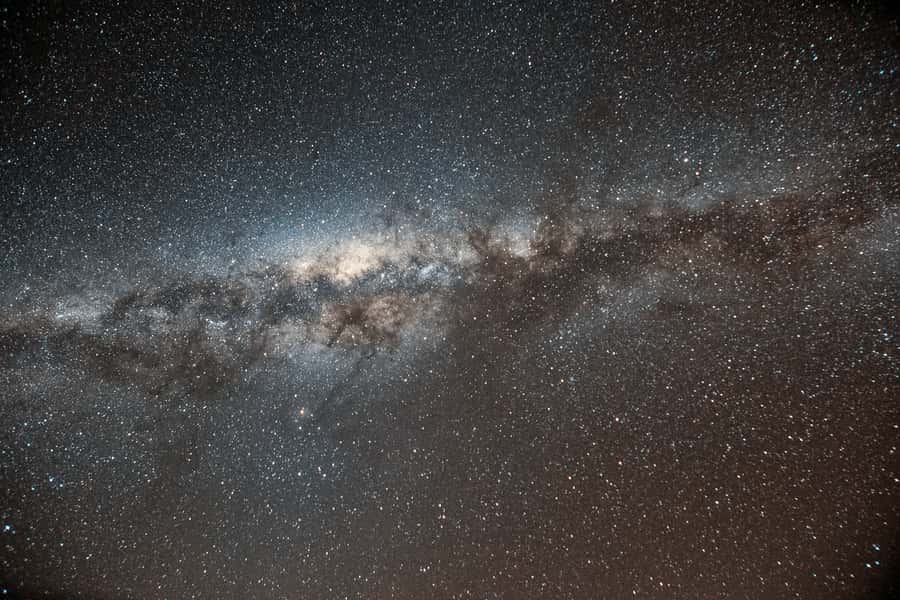
Stargazing is simple math: how long you can stand/sit comfortably outside directly affects what you’ll notice. This tour gets that right.
You start with included drinks—red wine, pisco sour, and juice—along with coffee and tea options. Later, you get tea, coffee, and hot chocolate, plus a snack. Several guests noted a sweet addition later on, which is exactly what you want when the desert drops temperature fast.
Seating is part of the deal too. You’ll find benches and, in some setups, cushions and blankets. If you feel cold early, you start skipping the slow parts—like learning a constellation. Here, the comfort supports the learning.
What to bring so you’re not miserable
- Warm clothing you can layer (a real jacket)
- Comfortable shoes for standing or shifting positions
- Extra warmth for hands and ears
Even in warm-season months, the Atacama nighttime chill can surprise you.
Astrophotography: your starry souvenir (and your own photo time)
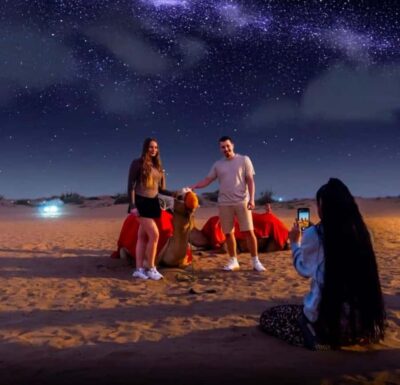
The tour includes astrophotography. That usually means someone helps set up a shot and captures a starry portrait you can take home, not just a group standing in the dark.
You’ll also get time to take your own photos. This is where the included guidance pays off. You learn how to handle timing and focus while the sky changes overhead. If you’ve ever tried to photograph the Milky Way from a bright street, you’ll understand why this matters.
One practical tip: ask how photos are delivered and when you’ll receive them. Some people have had missing-photo issues with many tour operators in general, so a quick check saves stress later.
Logistics that matter: small group, van ride, and the drop-off
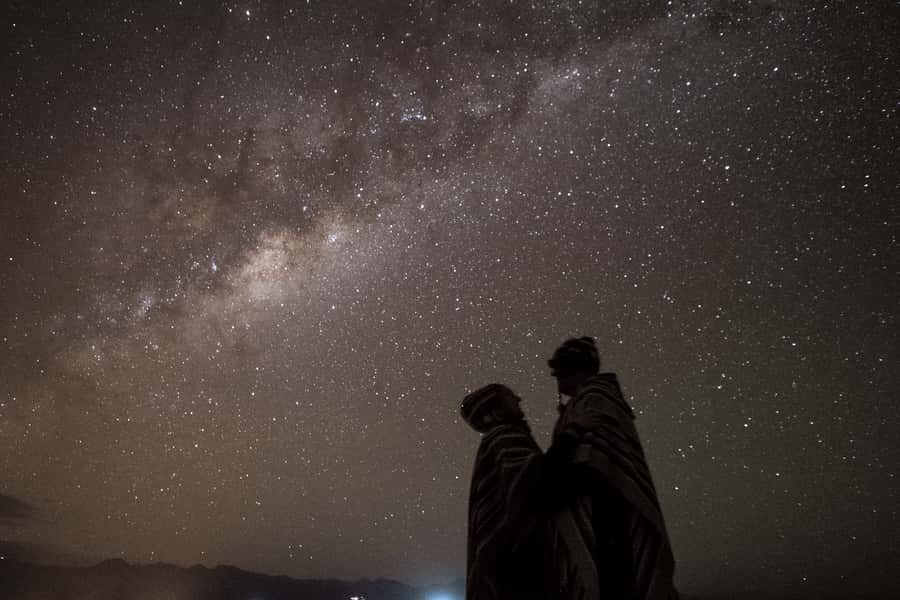
This is set up as a small group experience. That tends to make questions easier and helps the guide keep the telescope line moving without losing the lesson.
Transportation is by van with about 15 minutes each way. You’ll also get drop-offs around town, including addresses on Ignacio Carrera Pinto (499 and 530), depending on the option.
One key note: there’s no bathroom included. Plan for that before you go. In a tour where you’ll spend real time outside, it’s one less thing you have to worry about.
Price: $35 per person and what you’re really buying
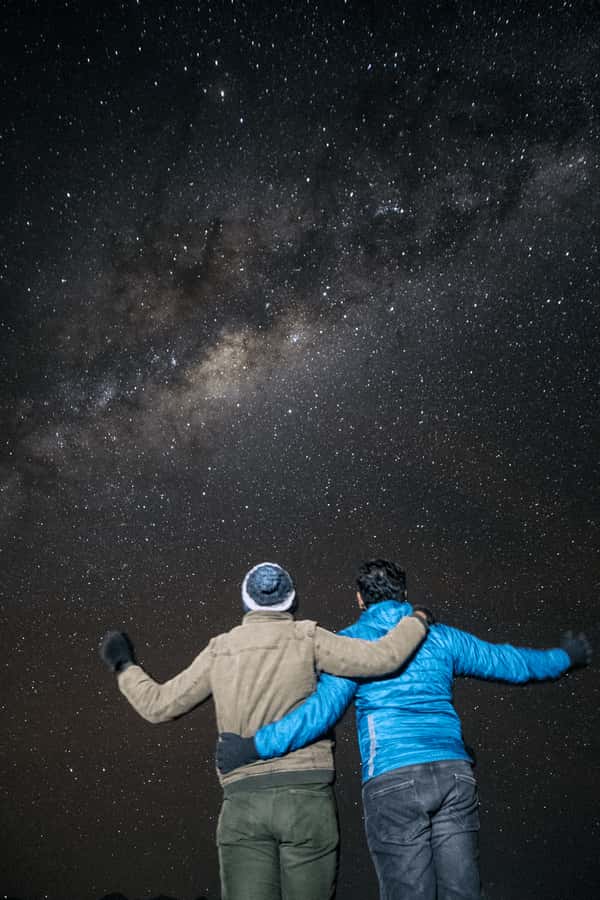
At $35 per person for about 150 minutes, this tour feels fair because it bundles the stuff that normally costs extra in the Atacama:
- a professional guide for a structured sky lesson
- telescope use
- included drinks and hot drinks
- snacks
- blankets
- astrophotography
If you’re trying to compare against doing it “DIY-style,” remember the hidden costs: transportation to a dark site, renting or transporting a telescope, and losing the guided interpretation that turns random stars into named objects.
The one price caution: if you book in a way that adds fees, the per-person cost can climb. If you have time in town and want the same basic experience, I’d check for local booking options first.
Who should book this stargazing tour
This tour fits best if you want:
- guided telescope viewing, not just a short “look through the scope” stop
- a structured way to learn the sky in about 2.5 hours
- a comfortable evening with warm drinks and blankets
It’s especially good for first-timers. If you’ve always wanted to see the Milky Way clearly, this is one of the most efficient ways to get there without needing astronomy know-how.
It’s less ideal if:
- you want a strictly scientific lecture with no story context
- you hate cold and won’t layer up (desert nights can get sharp)
- you need bathroom access during the outing
The tour is not suitable for children under 4, and it’s not designed for people over 80.
Should you book it?
Yes—if your goal is a guided, high-impact stargazing night with telescopes, warm comfort, and starry photos included. The biggest reasons to choose it are the combination of organized viewing time and the practical help that makes the sky feel readable.
Book with confidence even if the Moon is bright. You might trade some Milky Way faintness for sharper Moon and planet detail. Just do yourself a favor and pack warm layers, arrive ready to sit still, and lean into the guide’s pointing—because that’s where the magic becomes real.
FAQ
How long is the stargazing experience?
The total duration is 150 minutes, including time traveling from town and the guided observing session.
How much does it cost?
The price is $35 per person.
What languages are offered?
The live tour guide is available in English and Spanish.
Do I need to bring a telescope or camera equipment?
No. Telescope use and astrophotography are included, and you’ll have guidance for night-sky photos.
Is there a bathroom on this tour?
No bathroom is included.
What should I wear or bring?
Bring warm clothing, comfortable shoes, and a jacket. The desert can get cold at night.
Is it a small group?
Yes. Small group options are available.