REVIEW · SEDONA
Stargazing Tour with Telescopes and Video Astronomy in Sedona
Book on Viator →Operated by Night Owl Tours · Bookable on Viator
Sedona goes dark at night. This stargazing tour takes you from town-light glow to a dark sky site, then uses telescopes plus live streaming on a 4K OLED TV so you can actually see faint deep-space targets in color.
I especially like the way the guide connects the night sky to something you can follow right away—laser tracing constellations, pointing out objects like the Milky Way, planets, and even passing satellites. One heads-up: the meeting point and exact location can require close attention to the directions you’re given, and once you’re at the site you’ll be in low light on uneven ground.
In This Review
- Key Highlights You Should Know
- Sedona’s Dark-Sky Detour: Why the Location Matters
- The 4K OLED Video + Telescope Plan (What Makes It Feel Different)
- Laser Constellations and “Find It Again” Astronomy
- One Evening Itinerary: What Actually Happens After You Meet in Sedona
- What You’ll See: From Planets to Galaxies on the Same Night
- Two Telescopes, Two Ways of Seeing
- Comfort on Cold Nights: Chairs, Blankets, and Warm Clothing
- Group Size and the Value of Paying $125 for 1 Hour 15
- Who This Tour Fits Best (and Who Might Want to Skip)
- Practical Tips So Your Night Goes Smoothly
- Should You Book This Stargazing Tour in Sedona?
- FAQ
- How long is the Stargazing Tour with Telescopes and Video Astronomy in Sedona?
- How much does the tour cost?
- How many people are in the group?
- Where does the tour start and end?
- Is the tour offered in English?
- What’s included with the tour?
- Is coffee, tea, or snacks included?
- Can I save images from the video astronomy portion?
- Is the tour dependent on weather?
- Is it suitable for young children or people with mobility concerns?
- Are service animals allowed?
Key Highlights You Should Know
- Dark-sky access off Sedona’s bright lights, using USFS-managed forest land and private ranches
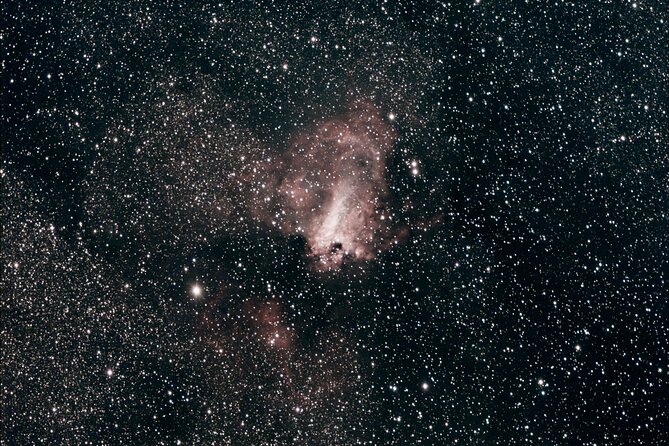
- 4K OLED live video astronomy, so everyone sees the same faint targets without crowding one eyepiece
- Laser-guided sky tour to help you find constellations, then build on what you spot
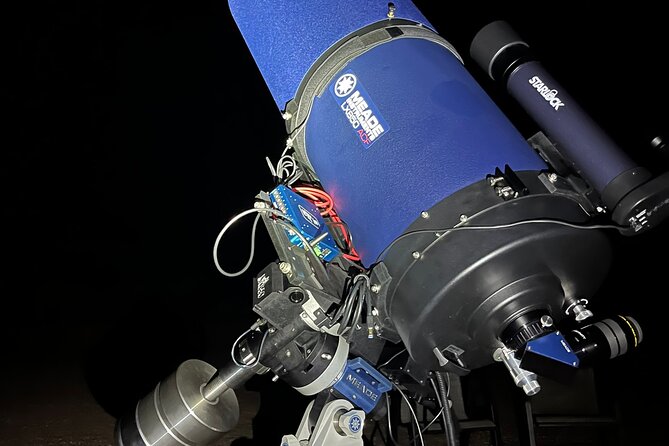
- Two-telescope setup, with one used for the wider “finding” view and the other for detailed viewing
- Chairs and huge blankets that make winter desert nights much more bearable
- Save your favorites: you get a chance at the end to keep images captured during the video session
Sedona’s Dark-Sky Detour: Why the Location Matters
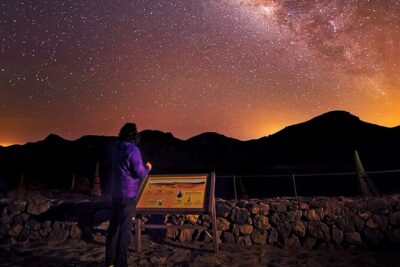
Sedona’s daytime buzz is great, but at night the town lights can flatten the sky. This tour solves that by taking you to a secluded dark-sky site away from city glow, so you’re not fighting brightness just to see stars.
That difference is huge. When the sky darkens, familiar constellations pop more clearly, and faint objects become easier for the telescopes to pull in. It also makes the whole experience feel more like a real observing session instead of a quick stop-and-look.
You can also read our reviews of more tours and experiences in Sedona.

The 4K OLED Video + Telescope Plan (What Makes It Feel Different)
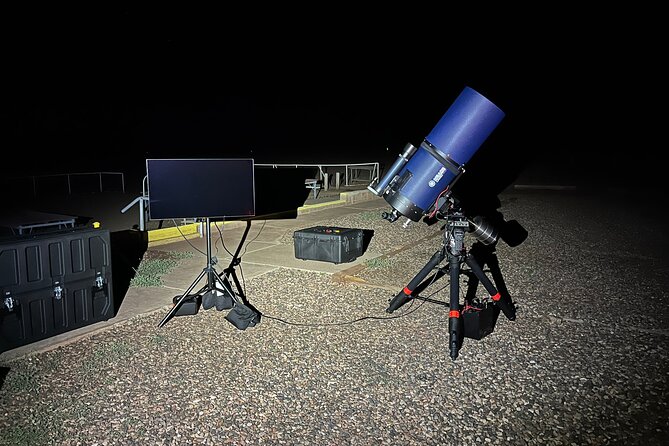
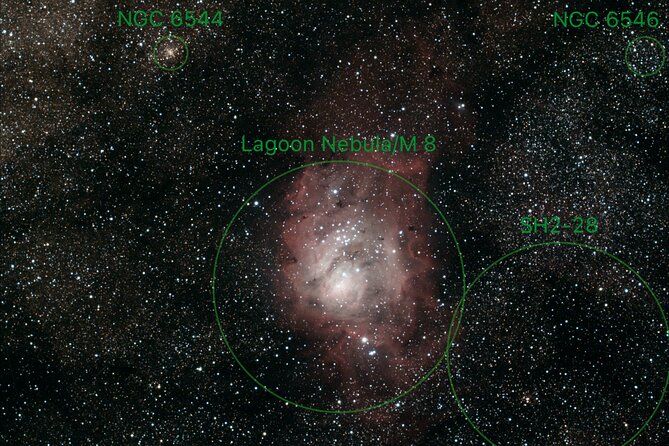
Traditional tours often rely on one thing: looking through an eyepiece. This one keeps that option, but it adds video astronomy with a special camera, then streams the live feed to a 4K monitor.
Why that matters for you: the faint stuff is hard to see at first, especially if you’re new to astronomy or your eyes need time to adjust. On the screen, you can see a clearer, brighter view in color and detail while the guide keeps explaining what you’re looking at.
You still get hands-on observing. The telescopes are used to show targets directly and also to capture the representative views that are shown on the TV. In practice, it’s a smart mix: you get both the wonder of direct observing and the clarity of a shared live display.
Laser Constellations and “Find It Again” Astronomy
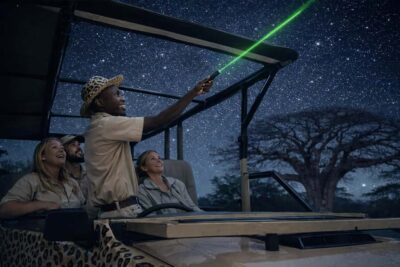
The sky tour starts with a laser trace. Your guide uses it to outline constellations and show you how to connect what’s in the sky to the objects you’ll explore—like the Milky Way, planets, meteor showers, or passing satellites when they’re visible.
This is one of the most practical parts of the evening. You’re not just being shown objects; you’re being taught how to locate them again. When the guide explains what to look for and why it’s interesting, the night feels organized instead of random.
One Evening Itinerary: What Actually Happens After You Meet in Sedona
This is a simple, focused outing: you meet in Sedona, then head out to the dark-sky site with your small group. The tour runs about 1 hour 15 minutes, so it moves at a pace that still leaves time for questions.
The key “stop” is the sky site itself. That’s where telescopes go up, the laser tracing happens, and the video feed gets shared on the 4K display. When the night is working well, you feel like you’re watching astronomy take shape in real time: sky → points of reference → targets → deeper views.
There’s also a realism check built into the experience. If conditions aren’t great, the guide may need to adjust. That’s part of why good weather matters so much for this kind of tour.
What You’ll See: From Planets to Galaxies on the Same Night
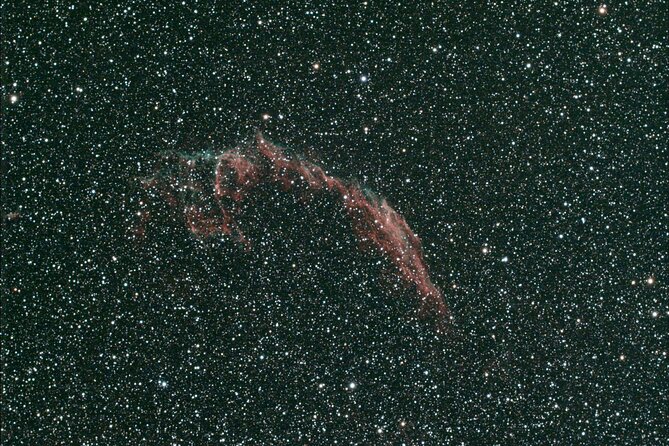
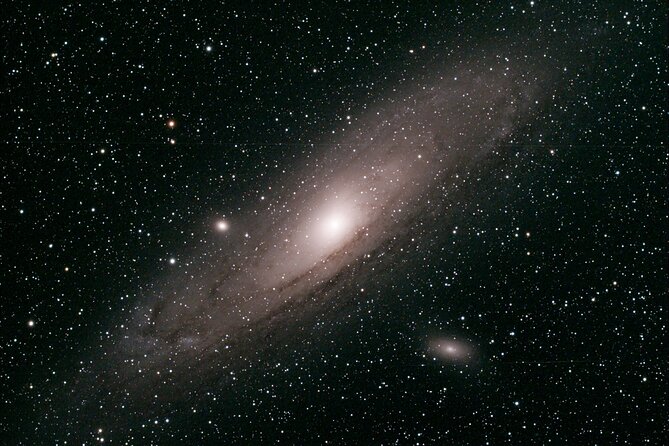
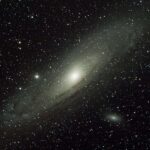
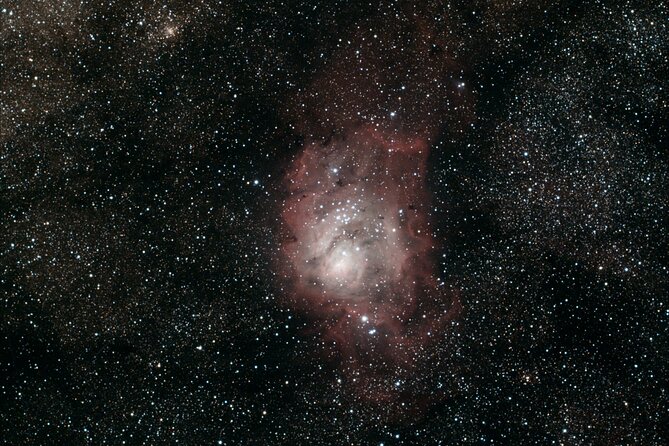
You can expect a mix of solar system views and deep-space objects. Plans often include planets (Jupiter has been specifically mentioned, along with its moons) and familiar bright targets, then shift outward to galaxies, nebulae, and star clusters.
Through the telescopes, the guide helps you focus on what you can actually resolve. Through the video astronomy setup, you get a shared view that’s often more detailed than you’d see with just the naked eye.
The best part is the variety in one sitting. You start with constellations and big patterns, then you move into the “how is that even possible?” realm of faint galaxies and nebulae. Even people who think they don’t know anything about space usually leave with something concrete they can describe.

Two Telescopes, Two Ways of Seeing
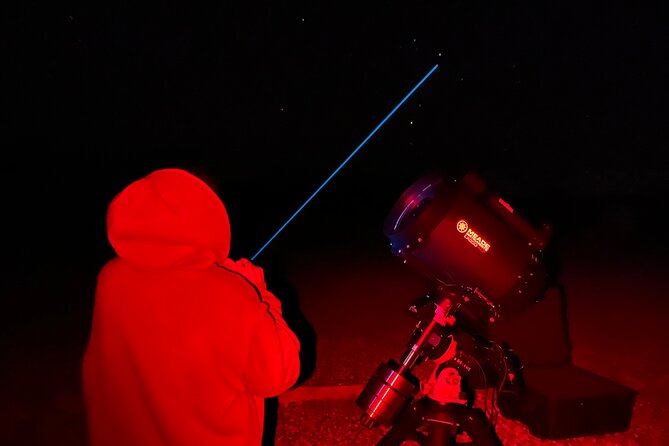
You won’t just see one mode of astronomy. The setup includes premium, large aperture telescopes and uses them in a way that supports the whole flow of the night.
One telescope approach is for direct observing through eyepieces. The other is used for capturing views that then show up on the monitor, especially for more distant or harder-to-find targets. That’s why you can often understand what you’re looking at even when it’s too faint to spot quickly by yourself.
In a small group, that technical setup becomes more personal. Everyone gets time where the guide can point, explain, and then reframe what you’re seeing with the screen view.
Comfort on Cold Nights: Chairs, Blankets, and Warm Clothing
This is the desert, but winter nights in Sedona can get chilly fast. The good news is the tour is built for comfort: chairs are provided, and blankets are brought out, including very large blankets that make a big difference once you’ve parked still for a while.
Still, I’d plan like it’s cold. Wear warm layers and consider hats and gloves if you run cold. Reviews also point out that having real cold-weather gear helps—especially if you’re staying out after dark waiting for the sky to settle.
Comfort matters here because the best part of stargazing is time. If you’re freezing, you won’t enjoy the slow build from constellation spotting to telescope targets.
Group Size and the Value of Paying $125 for 1 Hour 15
At $125 per person, you’re paying for dark-sky access, serious optics, and live video tech—not just a guided walk. The tour is capped at up to twelve people, which is a big deal for two reasons.
First, it keeps the night from turning into a crowded “point at the sky” event. Second, it gives the guide enough attention to keep everyone oriented and answering questions.
This tour is also good value because it doesn’t waste your time. In about an hour and change, you get a guided constellation tour, telescope viewing, and video astronomy all tied together. If you tried to do this on your own, you’d likely spend time and money just getting the viewing setup right.
Who This Tour Fits Best (and Who Might Want to Skip)
This works best for people who want a guided, structured night sky experience. If you like science and want the story behind what you see, the laser-guided approach and the live video views make it easier to follow.
Most people can participate, and service animals are allowed. The main limitation is for kids and for mobility: it may not be suitable for participants under seven years old or anyone who has trouble negotiating uneven terrain in low light conditions.
If you’re traveling with teens or curious adults, this tour can also connect nicely to classroom astronomy. The mix of constellation lessons and deep-space views gives you both the “how to find it” part and the “what it is” part.
Practical Tips So Your Night Goes Smoothly
Planning well makes this kind of tour much more enjoyable. Here are the things I’d focus on before you go.
- Follow the instructions carefully. The exact meeting spot can be shared on the day of the tour, and you’ll want to arrive ready to find it fast.
- Dress for cold even if the day was warm. Blankets help, but you should still prepare to be outside in low light.
- Use the time wisely. Ask questions while the guide is pointing and the telescopes are running, because the session is short by design.
- Keep an open mind about the sky. It depends on conditions, and weather can change what’s visible.
One more small thing: because you’re going to a darker site, it’s easier to get disoriented in the dark. Give yourself a buffer, and don’t rush your arrival.
Should You Book This Stargazing Tour in Sedona?
If you want a night that’s both fun and structured, I think this tour is a strong pick. The big reason is the 4K OLED video astronomy paired with actual telescopes, which helps beginners see more and helps everyone stay oriented.
I’d book it if you care about deep-space targets like galaxies, nebulae, and star clusters—and if you like learning the “how to find it” part, not just looking once and moving on. The small group size and the comfortable seating also make it easier to enjoy the whole hour instead of constantly adjusting position.
Skip it only if cold weather and low-light terrain are a problem for you, or if you’re expecting an all-weather, never-changing show. Like any astronomy outing, the sky has its mood, and the tour is designed for nights when conditions cooperate.
FAQ
How long is the Stargazing Tour with Telescopes and Video Astronomy in Sedona?
It lasts about 1 hour 15 minutes.
How much does the tour cost?
The price is $125.00 per person.
How many people are in the group?
The group size is capped at a maximum of 12 travelers.
Where does the tour start and end?
It starts in Sedona, AZ 86336, USA, and ends back at the meeting point.
Is the tour offered in English?
Yes, it’s offered in English.
What’s included with the tour?
You get premium large aperture telescopes, live deep-space views streamed to a 4K monitor, small group access, and exclusive access to dark sky sites on USFS-managed forest land and private ranches.
Is coffee, tea, or snacks included?
No. Coffee and/or tea and snacks are not included.
Can I save images from the video astronomy portion?
Yes. At the end of the tour, you have a chance to save your favorite images from the video astronomy session.
Is the tour dependent on weather?
Yes. It requires good weather. If it’s canceled due to poor weather, you’ll be offered a different date or a full refund.
Is it suitable for young children or people with mobility concerns?
It may not be suitable for participants under seven years old or anyone who has difficulty negotiating uneven terrain in low light conditions.
Are service animals allowed?
Yes, service animals are allowed.