REVIEW · TENERIFE
Tenerife: Mount Teide Observatory Astronomical Tour
Book on GetYourGuide →Operated by Volcano Teide · Bookable on GetYourGuide
Mount Teide turns astronomy into a real show. This 8-hour Tenerife tour pairs a guided visit to Teide Observatory with sunset views and then takes you to the night sky using high-quality telescopes. I especially like the small-group feel, which makes it easier to ask questions and actually follow along during the star talk. One thing to plan for: you’re outside in cold, windy conditions, and you’ll only get the full telescope experience if the sky cooperates.
The afternoon is for the science side of the island, including time at the world’s largest solar observatory. Then night falls, and the pacing shifts to constellation spotting with both the naked eye and long-range telescopes. If weather blocks visibility, the tour has a backup plan with an audio-visual virtual tour—so you still leave with a sense of what you missed.
In This Review
- Key things I’d circle in advance
- From hotel pickup to Mount Teide road-trip views
- The Teide Observatory visit: solar science while the sky is still awake
- Sunset viewpoints on volcanic ground (and why clothing matters)
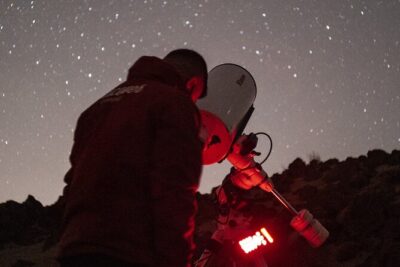
- Night sky time: unaided stars first, then long-range telescopes
- If the weather spoils stargazing: the tour’s backup plan
- Guides make or break astronomy tours (and this one has real experts)
- The value of $121: what you’re actually buying
- What to pack and what to plan around (so the day feels good)
- Who this tour is perfect for (and who should skip it)
- Should you book this Tenerife Mount Teide astronomy tour?
- FAQ
- How long is the Tenerife Mount Teide Observatory astronomy tour?
- How much does the tour cost?
- What’s included in the price?
- Are food and drinks included?
- What languages are the live guides available in?
- Where is pickup available?
- What should I bring and wear?
- Are there restrictions on clothing?
- What happens if the weather prevents clear star visibility?
Key things I’d circle in advance
- Guided entry to the Teide Observatory with expert-led explanations tied to what you’ll actually see.
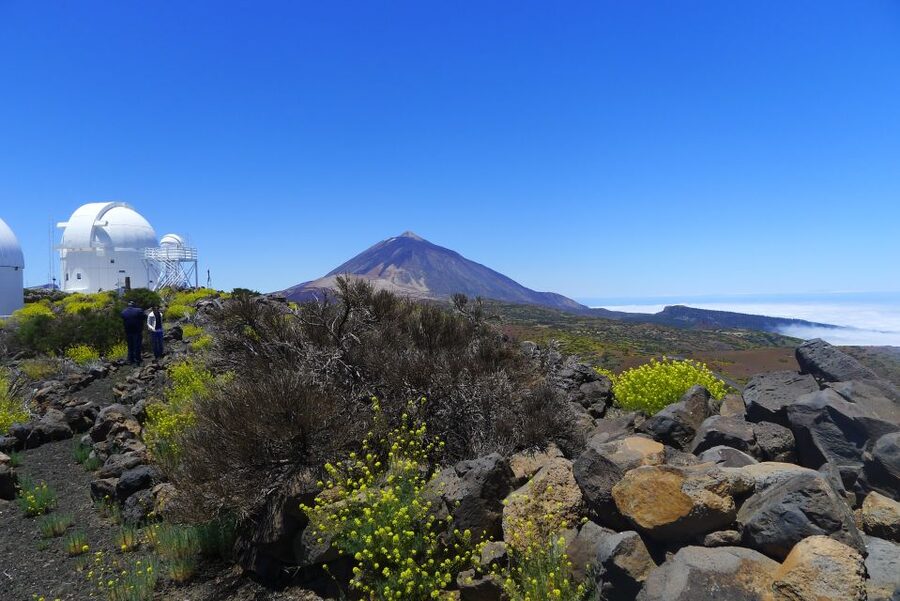
- Solar observing in the afternoon, including a chance to watch solar activity (when conditions allow).
- Sunset viewpoints from volcanic terrain, built into the timing rather than tacked on.
- Real nighttime stargazing, starting with what you can see without equipment, then moving to telescopes.
- Weather fallback: if stars are obscured, you’ll switch to more nocturnal telescopes and/or get a virtual night-sky session.
- Hard clothing rules (no shorts, no sandals), which matter because the temps can drop fast up high.
From hotel pickup to Mount Teide road-trip views
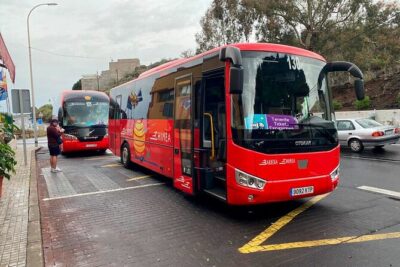
This is not a “show up and figure it out” kind of outing. You’ll be picked up from hotels in north Tenerife (with listed stops including Parque San Antonio, GF Noelia, Hotel Magec, Hotel Concordia, Tucán, Coral Teide Mar, Riu Garoé, CC La Cúpula, and Kiosko Paragüitas). The tour uses transportation designed for small groups, which helps you move smoothly without feeling herded.
On the drive, you’re typically looking out for the scenery. One review notes the route went up the west coast with chances to see the Las Gigantes cliffs—so even before the astronomy starts, you’re getting a change of scenery rather than just staring at a road.
Timing varies by season and sunset time, so don’t expect a fixed “sunset at 7:30” type schedule. The upside: the whole day is built around the sun setting when you’re already in the right place to watch it.
You can also read our reviews of more tours and experiences in Tenerife.
The Teide Observatory visit: solar science while the sky is still awake
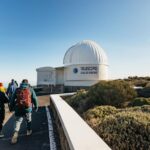
The biggest “wow” in the afternoon is the guided visit to Teide Observatory—and the focus is solar. You’ll spend time at the world’s largest solar observatory, which is a great change of pace from typical tours that only do night-sky stuff.
What makes this visit feel special is the way it connects to observing. In feedback, people highlight real-time excitement like seeing solar flares. Even if your exact targets change based on conditions, the tour’s structure is clearly meant to show you how observations happen: what instruments do, what you’re seeing, and how astronomers interpret it.
This also serves a practical purpose. When you learn the “sun side” first, the night session lands better because you understand that telescopes aren’t magic—they’re tools, and the sky has a logic.
Sunset viewpoints on volcanic ground (and why clothing matters)
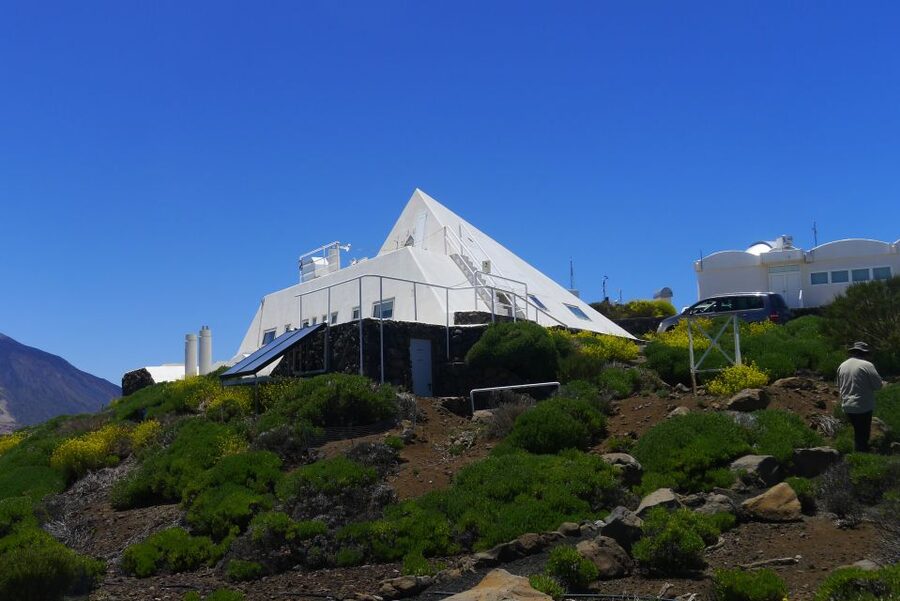
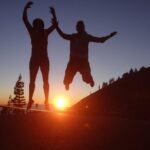
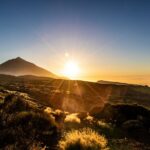
After the observatory portion, the tour includes an unforgettable sunset from a volcanic mountain viewpoint. This is the emotional hinge of the day: you shift from science explanations to that quiet moment when you look up and realize how high you are, and how different the air feels.
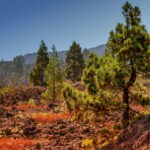
Here’s the catch: the climb up high can be a shock. One review calls out the contrast—about 30°C at the hotel and then around 7°C with strong winds near the cable car station. That’s why the packing list isn’t fussy. It’s survival-level practical.
Bring:
- Warm clothing (layers beat one thick jacket)
- Long-sleeved shirt and long pants
- Closed-toe shoes
- A hat or anything that covers your ears if you run cold
And follow the rules: no sandals/flip-flops, no shorts, no short skirts, no sleeveless shirts. People without the required clothing won’t be allowed to join. If you’re not sure what “warm” means for you, pack warmer than you think you need.
Night sky time: unaided stars first, then long-range telescopes
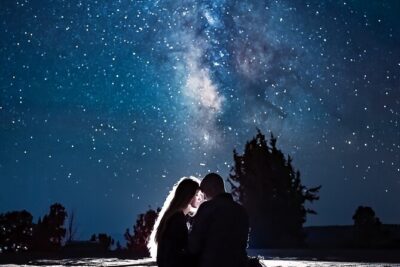
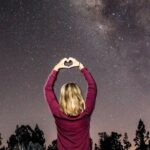
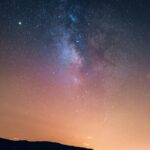
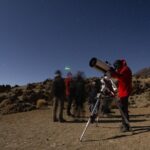
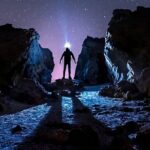
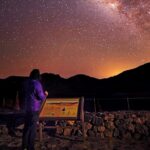
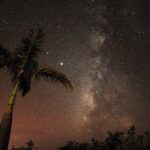
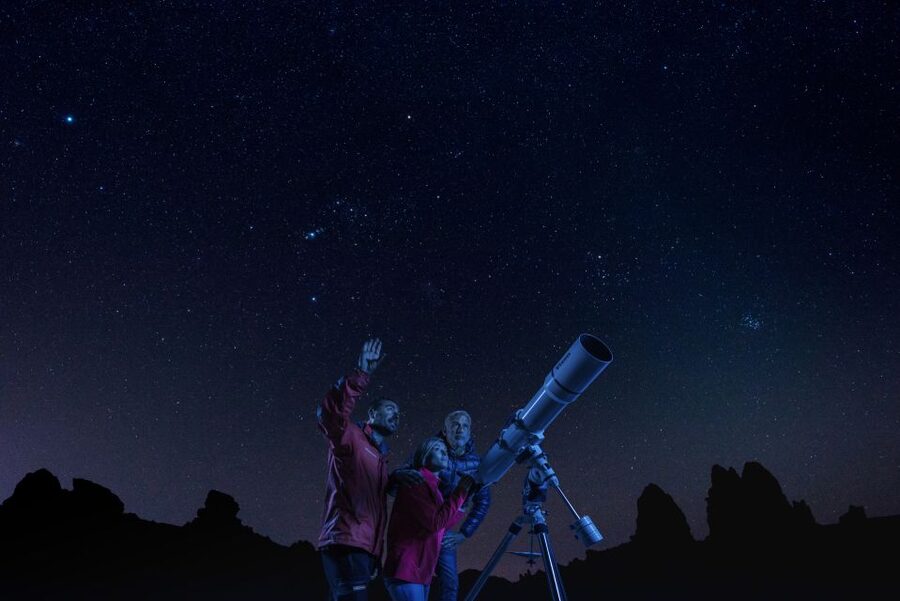
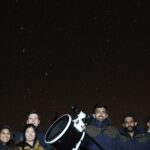
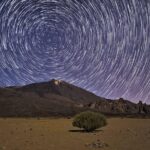
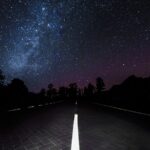
Once night falls, the tour becomes classic astronomy. You start by star gazing with the unaided eye, then the session steps up into telescope viewing.
Why this order matters: when you begin without equipment, your brain locks into the sky. You learn what patterns look like before you’re shown what telescopes reveal. Then, when you look through the long-range telescope, it feels like a clear upgrade rather than a random “look through the tube” moment.
In the reviews, the telescope time gets real praise—people mention strong results on clear nights, plus the joy of seeing lots of stars. One person even reports catching a comet and shooting stars. Your exact sightings can’t be guaranteed, but the tour’s goal is consistent: make the night sky readable.
If the weather spoils stargazing: the tour’s backup plan
Mount Teide is great, but it’s also exposed. If weather prevents proper visibility through the solar telescopes or if it threatens the tour, you’ll adjust.
The plan works like this:
- If stargazing visibility is limited, your guides may use audio-visual equipment for a virtual tour of the night sky, including constellations and prominent objects you could have seen.
- If weather blocks the plan, you may visit two nocturnal telescopes instead of one.
This matters for your expectations. You’re not paying for hope. You’re paying for structured astronomy, with a contingency that still teaches you what’s up there—rather than just saying “sorry, clouds.”
Guides make or break astronomy tours (and this one has real experts)
A big part of why this tour earns a strong rating is the guide quality. Names show up repeatedly.
- Lucas gets multiple highlights for being friendly and explaining telescope use, constellation navigation, the life cycle of a star, and how elements are identified in other stars and planets.
- Micaela is praised for being professional and for helping astronomy lovers get more out of the experience.
- Natasha is called informative, and another mention pairs her with a strong overall flow including sunset and planetarium-style content.
- Frederico / Frederico-type spelling shows up as a skilled driver in one account, and another mention credits an astrophysicist-led approach for the telescope design and workings.
Even if your guide isn’t one of these exact names, the pattern is clear: the tour is built and led by people who understand the equipment and can translate it without talking down to you.
The value of $121: what you’re actually buying
At $121 per person for about 8 hours, you’re paying for three main things:
- Transport in small groups from listed north Tenerife pickup points.
- Guided access to the Teide Observatory, not just a quick look from outside.
- Telescope-led observation time and structured astronomy teaching, including a stargazing fallback if weather interferes.
Food and drinks aren’t included, and that can affect value if you assume there will be easy meals up high. One review warns that taking food helps because nothing is guaranteed on the mountain and the café may be busy and not well stocked.
So here’s the practical value test for you:
- If you want only a night-sky “tour,” there are cheaper options.
- If you want both the observatory science (solar) and the night telescope session with expert guidance, the price starts to make sense fast.
For many astronomy fans, the Teide Observatory access plus the telescopes is the key reason this feels like a day worth planning.
What to pack and what to plan around (so the day feels good)
This tour is strict on clothing, and the temperatures can swing. I’d treat this like a cold-weather hike with a science show attached.
Wear:
- Long pants, long sleeves
- Warm layers
- Closed-toe shoes with grip
Bring:
- Warm clothing (even if your morning is sunny)
- A long-sleeved base layer if you run cold
- Some snacks or a simple meal plan since food isn’t included and mountain options may be limited
Plan around:
- Children: the tour is not recommended for kids under 8 years old, and children must confirm age with a passport or ID.
- Health: people with health conditions should consult a doctor before going.
- Mobility: the tour isn’t suitable for people with mobility impairments.
Also, the experience is outdoors for a lot of it. If you get restless in the cold, this might not be your easiest day on Tenerife.
Who this tour is perfect for (and who should skip it)
This is a strong match if you:
- Love astronomy, even at a beginner level
- Want to see both the solar observatory side and the night-sky side in one day
- Prefer small-group experiences where you can ask questions
- Want a guide-led explanation that ties to the actual telescopes
It’s not a good fit if you:
- Need an easy walking day with minimal outdoor time (it’s not marketed as accessible)
- Have mobility limitations
- Are traveling with children under 8
- Would struggle with cold, windy conditions and strict clothing rules
Should you book this Tenerife Mount Teide astronomy tour?
Book it if you want the full Mount Teide astronomy arc: solar observatory science, a real sunset from volcanic viewpoints, and structured night stargazing with telescopes. The small-group format and the consistent praise for guides (including named favorites like Lucas and Micaela) suggest the experience is guided with care, not just “watch the sky and hope.”
Think twice if you hate cold weather, don’t want to follow clothing rules, or expect guaranteed star visibility. The backup plan helps, but it’s still a mountain-night experience, so your comfort setup matters.
If you do book: pack warm, bring long pants, add a snack plan, and arrive ready to look up. On a clear night, this is the kind of Tenerife day you’ll remember for more than just the view.
FAQ
How long is the Tenerife Mount Teide Observatory astronomy tour?
It lasts 8 hours.
How much does the tour cost?
The price is listed as $121 per person.
What’s included in the price?
Included are transportation for small groups, a guide, a guided visit to the Teide Observatory, and astronomical observation using a long-range telescope.
Are food and drinks included?
No. Food and drinks are not included.
What languages are the live guides available in?
Live tour guidance is available in Spanish and English.
Where is pickup available?
Pickup is possible from hotels in north Tenerife, including Parque San Antonio, GF Noelia, Hotel Magec, Hotel Concordia, Tucán, Coral Teide Mar, Riu Garoé, CC La Cúpula, and Kiosko Paragüitas.
What should I bring and wear?
Bring warm clothing, comfortable clothes, a long-sleeved shirt, long pants, and closed-toe shoes. Kids need passport or ID card confirmation of age.
Are there restrictions on clothing?
Yes. Sandals or flip flops are not allowed, and shorts, short skirts, and sleeveless shirts are not allowed.
What happens if the weather prevents clear star visibility?
If weather prevents proper visibility, the tour may use audio-visual equipment for a virtual night-sky tour, and you may visit 2 nocturnal telescopes instead of 1 depending on conditions.