REVIEW · SEDONA
Sedona Stargazing Tours LLC
Book on Viator →Operated by Sedona Star Gazing · Bookable on Viator
Sedona at night feels like a science fair. This private Oak Creek stargazing tour gets you behind GPS telescope views and laser-guided constellations, run by professional astronomers. The catch: clouds or a bright moon can limit what you’ll clearly see.
You meet at Verde Valley School in Sedona, then the night unfolds in a simple rhythm. First you get a laser-pointer overview so constellations actually make sense. After that, you take turns at large telescopes with GPS auto position, with breaks in between to use wide-view binoculars from your chair.
Guides can bring the sky to life in different styles—names you might hear include Wes, Dave, Richard, and Mr. Sanders. Expect a flexible format where you can ask questions and customize what you want to focus on during the 1 hour 15 minutes.
In This Review
- Key Points Before You Go
- Sedona’s Dark-Sky Setup: Oak Creek from Verde Valley School
- What that means for you
- What Happens in 1 Hour 15 Minutes (and Why It Feels Just Right)
- Duration note
- Telescopes with GPS Auto Position: Planets, Stars, and Deep-Sky Views
- Why GPS positioning helps more than you’d think
- Constellation Pointers and Binocular Breaks (The Comfortable Pace)
- A small practical drawback to plan for
- Private Tour, Your Focus: Customizing the Night
- Who benefits most from private format
- Weather and Moon Reality Check: When the Sky Won’t Cooperate
- How to set expectations so you don’t feel shortchanged
- Price and Value: Is $89 Worth 1 Hour 15 Minutes?
- When it feels like a great deal
- When you might question the value
- What to Wear and Bring for a Sedona Winter Stargazing Night
- Who Should Book This Tour (and Who Might Not)
- Should You Book Sedona Stargazing Tours LLC?
- FAQ
- How long is the stargazing tour?
- Where do we meet for the tour?
- Is the tour private?
- What can I see during the tour?
- Are binoculars and a chair included?
- What happens if the weather is poor?
- What is the cancellation policy for a full refund?
Key Points Before You Go
- GPS auto-position telescopes make it easier to lock onto targets fast.
- Laser-pointer constellation explanations help you get your bearings quickly.
- Binocular time from a seated setup keeps the experience comfortable, not frantic.
- Pro astronomer guidance means you’re not just looking—you’re learning what you’re seeing.
- Cold-season extras like blankets and even parkas show up when temperatures drop.
- Private tour for your group means fewer distractions and more hands-on attention.
Sedona’s Dark-Sky Setup: Oak Creek from Verde Valley School

This is a Sedona stargazing outing built around one big idea: get you out under darker skies fast, then help you actually interpret what’s above you.
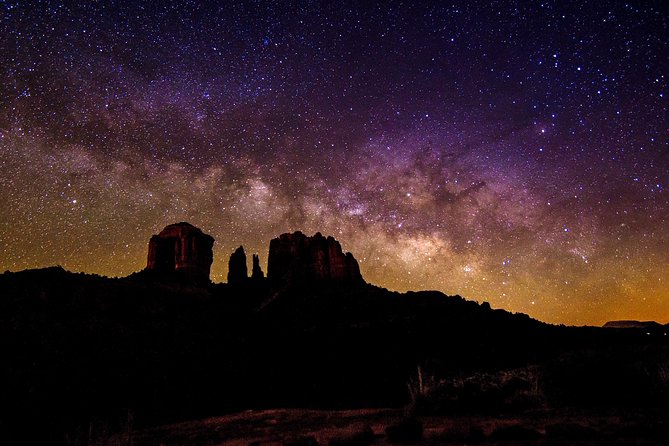
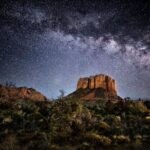
You start near Verde Valley School (3511 Verde Valley School Rd, Sedona, AZ 86351). From there, you head to the observing area near Oak Creek at your scheduled time. Oak Creek is the key phrase here. Sedona’s red rocks get attention in daylight, but at night, it’s the surrounding darkness and open sky that do the real work. You’ll feel that difference once you’re away from the brightest lights.
Also, you’re not standing around waiting for someone to figure out where to point. The format emphasizes guided structure: a constellation overview first, then telescope sessions that are guided and repeatable from person to person.
You can also read our reviews of more tours and experiences in Sedona.

What that means for you
If you’ve ever done stargazing where you’re handed a telescope and left to your own thoughts, this tour is the opposite. You’ll spend less time guessing and more time understanding. And if this is your first time stargazing, that guidance matters a lot—constellations stop being random dots and start becoming a map.
What Happens in 1 Hour 15 Minutes (and Why It Feels Just Right)
The pacing is one of the smartest parts of this experience. The tour isn’t long enough to turn into a sleepy lecture, and it’s not short enough that you barely get any telescope time.
Here’s the flow as you can expect it:
- Meet at Verde Valley School area at your tour time.
- Constellation overview with a laser pointer to set the stage.
- Take turns at large telescopes with GPS auto position so the view locks on the right targets.
- Rest and use wide-view binoculars between telescope turns.
- Ask questions and customize what you want to see while the night is still fresh.
You’re essentially getting two tools at once: one for learning (laser-guided constellations and explanation) and one for seeing (telescopes and lenses). The binocular breaks are also practical. They prevent the tour from becoming one long line at one instrument.
Duration note
At about 1 hour 15 minutes, the goal is clear targets and meaningful context. If you’re hoping for hours of free-form skywatching, this may feel tighter than you want. But if you want a structured, high-impact night without a big time commitment, it’s a strong match.
Telescopes with GPS Auto Position: Planets, Stars, and Deep-Sky Views
The heart of this tour is the telescope time. You’ll use large telescopes with GPS auto position, which is a big deal if you don’t want to wrestle with settings in the dark.
The targets you can expect include:
- Planets
- Stars
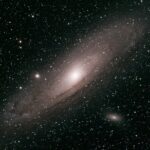
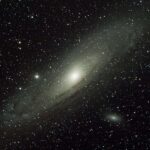
- Distant galaxies
- Nebulas
- Star clusters
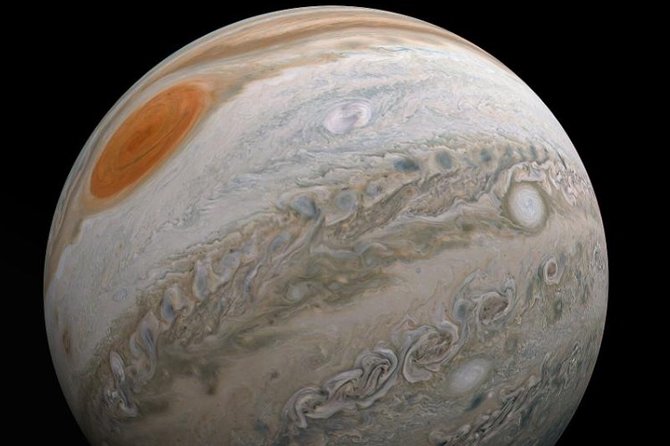
What stands out from real nights is the chance for showpiece views. Saturn comes up again and again, especially Saturn’s rings and a moon seen through the telescope in clear detail (in cold-season conditions, this is often a highlight).

Why GPS positioning helps more than you’d think
When you’re staring at a black sky, “turn it slightly” is hard. GPS auto position reduces that frustration. It keeps the focus on what matters: seeing the object clearly and understanding what you’re looking at when the guide explains it.
It also helps the tour move efficiently, which matters when you’re sharing telescope time among a group. You’re not stuck waiting for someone to align the scope.
Constellation Pointers and Binocular Breaks (The Comfortable Pace)
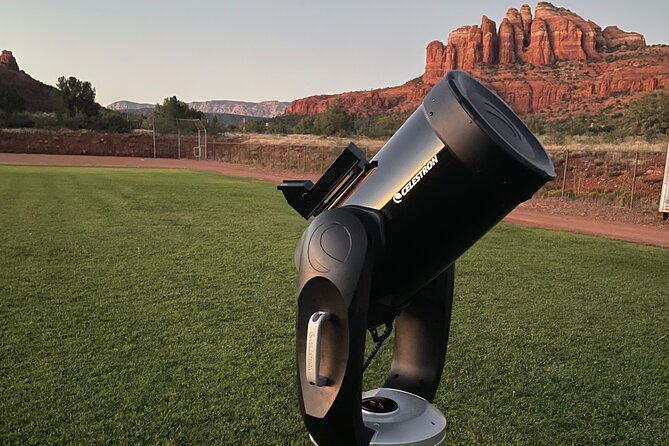
The tour starts with an easy learning step: you get an overview of the constellations using a laser pointer. This isn’t just a warm-up. It’s how you build context fast. Once you know where the constellations are, telescope views feel more connected instead of random.
Then you switch to a rhythm of:
- Telescope turns for close-up views through high-powered lenses
- Wide-view binocular time so you can keep scanning without waiting
- Sitting in a comfortable chair so your night stays enjoyable even when it’s cold
Reviews also point out what you’re likely to notice right away: the guides often use storytelling and structure to explain what you’re seeing—so the sky feels like a living scene, not a test you’re failing.
A small practical drawback to plan for
Because the tour involves moving between spots and equipment, sound and visibility can be hit-or-miss depending on where you’re positioned at that moment. If you’re sensitive to not being able to hear well, arrive ready to shift slightly so you’re in the best spot when the guide is explaining.
Private Tour, Your Focus: Customizing the Night
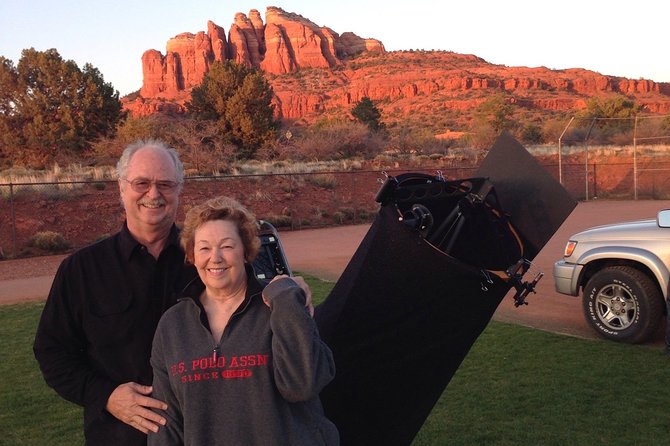
This is a private tour/activity, meaning it’s just your group. That matters because it changes the feel of the night.
Instead of blending into a big crowd, you can ask questions and steer what you want to prioritize. If you want more time on planets, you can often spend more of the telescope cycle there. If you’re curious about specific constellations or deep-sky objects, you can request that focus.
That customization shows up in how different guides work the sky. Names like Wes, Dave, Richard, and Mr. Sanders show up in guide stories connected to clear favorites like Saturn, and the overall “tell you what you’re seeing” approach.
Who benefits most from private format
- Families who want kids engaged without the stress of a larger group
- Couples who want a calmer, more romantic pace
- Small groups who don’t want to compete for attention during telescope time
- First-timers who need extra explanation without feeling rushed
Weather and Moon Reality Check: When the Sky Won’t Cooperate
Stargazing is one activity where the weather controls the script. This tour is still run with structure, but the sky can still change fast.
Here’s the practical reality:
- Cloud cover can reduce visibility dramatically.
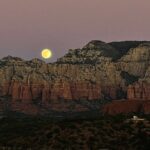
- A bright moon can wash out faint stars, even if you still get some great views through the telescope.
That’s why nights with perfect conditions tend to feel like pure magic. Still, moon-heavy nights can be fun in a different way. You may find you get strong detail on brighter objects, and you can still enjoy planets and the Moon through the telescopes.
How to set expectations so you don’t feel shortchanged
Go in with the mindset that you’re buying the experience of guided stargazing, not guaranteeing a specific “perfect sky” outcome every time. If you’re flexible and prepared for the possibility of cloud cover or moon glare, you’ll get more satisfaction than if you’re treating stargazing like a predictable show.
This is also why the tour is priced like a premium experience: it includes expert guidance and high-end viewing time, but it can’t control what the atmosphere decides to do.
Price and Value: Is $89 Worth 1 Hour 15 Minutes?
At $89 per person for about 1 hour 15 minutes, the price can feel steep at first glance. But the value becomes clearer when you break down what’s included:
You’re paying for:
- Professional astronomer-led explanations
- A guided constellation overview that improves what you can actually see
- Large telescopes with GPS auto positioning (not a DIY setup)
- Wide-view binoculars plus a comfortable seating arrangement
- A private group experience
In other words, it’s not just the telescope fee. You’re buying interpretation, coordination, and the hands-on viewing time that makes stargazing click.
When it feels like a great deal
- You’re traveling with kids or someone who needs structure to stay interested.
- You want a confident first stargazing experience rather than guessing on your own.
- You care about seeing specific targets like planets and deep-sky objects, not just “stars in general.”
When you might question the value
If you’re mainly looking for long, self-directed sky time, or you’re hoping to chase the faintest targets with no guide, you may prefer a different approach. But if you want guidance and telescope access in one night, $89 can work out as a solid value.
What to Wear and Bring for a Sedona Winter Stargazing Night
Sedona nights can get cold fast, especially outside peak summer months. The good news is that you’re not going completely unprepared.
From what people report:
- Blankets and even parkas may be provided during colder seasons.
- You’ll likely spend enough time seated that warmth matters.
So my advice is simple: dress like you’ll be outside longer than you think, and layer up. Even if you’ll be covered part of the time, you’ll enjoy the tour more if you don’t start shivering during telescope waits.
If you get chilly easily, consider bringing your own extra warm layer too. It’s better to be slightly over-prepared than uncomfortable for a night you paid to enjoy.
Who Should Book This Tour (and Who Might Not)
This is a great fit if:
- You’re a first-time stargazer and want fast context using laser-guided constellations.
- You want a guided chance to see planets and deep-sky objects through real telescopes.
- You prefer a private, low-stress format over a crowded group.
- You’re traveling in winter or shoulder season and appreciate the setup for cold weather.
It may be less ideal if:
- Your main goal is long stretches of unsupervised stargazing.
- You’re extremely sensitive to any change in conditions like clouds or a bright moon.
- You dislike structured tours with scheduled telescope turns.
Should You Book Sedona Stargazing Tours LLC?
If you’re deciding whether this tour belongs in your Sedona itinerary, I’d book it if your priority is a guided night that makes the sky make sense quickly. The combination of GPS telescope targeting, laser constellation orientation, binocular breaks, and a private setup is exactly how you turn stargazing from random looking into real understanding.
Book it especially if you’re traveling with family, have limited time, or want that “Saturn moment” where the rings become more than a photo online. Just remember the big rule: weather and moonlight can change what you see, but the experience is designed to still be worthwhile when conditions aren’t perfect.
FAQ
How long is the stargazing tour?
It runs about 1 hour 15 minutes.
Where do we meet for the tour?
You start at 3511 Verde Valley School Rd, Sedona, AZ 86351, and the activity ends back at the meeting point.
Is the tour private?
Yes. It’s listed as a private tour/activity, so only your group participates.
What can I see during the tour?
You can expect views of planets, stars, distant galaxies, nebulas, and star clusters using the telescopes and high-powered lenses.
Are binoculars and a chair included?
Yes. You’ll have wide-view binoculars and a comfortable chair during the experience.
What happens if the weather is poor?
This experience requires good weather. If it’s canceled due to poor weather, you’ll be offered a different date or a full refund.
What is the cancellation policy for a full refund?
You can cancel up to 24 hours in advance for a full refund. If you cancel less than 24 hours before the experience starts, the amount you paid will not be refunded.