REVIEW · SEOUL
From Seoul: Closest Observatory to DMZ & Suspension Bridge
Book on GetYourGuide →Operated by I LOVE SEOUL TOUR Co., Ltd. · Bookable on GetYourGuide
North Korea is closer than you think. This half-day trip takes you to Jogang Observatory in the Civilian Control Zone, with a rare view just 1.4 km away, plus a stop at the famous Starbucks tied to Aegibong Peace Eco Park.
What I really like is the combo of viewpoint and story. I love how the observatory turns a distant political line into something you can actually see, and I also love the oddball-but-meaningful Starbucks stop that sits in the same peace-park setting.
One thing to plan for: this area is run through military operations. Visits can be canceled without notice, and the terrain is hilly, so it is not a good fit for everyone.
In This Review
- Key things that make this tour worth your time
- Why Jogang Observatory feels different from a normal viewpoint
- Aegibong Peace Eco Park: Hill 154, displaced families, and the peace-bridge design
- The guide part that makes it click: history you can ask questions about
- Starbucks at Aegibong Peace Eco Park: coffee with meaning, not just branding
- Jogang Observatory: what to expect from the viewing area
- Timing, transfers, and your reality check on the 4.5–5 hour window
- Price and value: what you’re paying for at $34
- Who should book this, and who should skip
- Should you book this DMZ-close observatory tour?
- FAQ
- How long is the tour?
- Where does the tour start from Seoul?
- How much does it cost?
- Do I need a passport?
- Is video recording allowed at the observatory?
- What happens if Aegibong Peace Park is canceled?
- Is this tour wheelchair accessible?
- What’s included in the price?
Key things that make this tour worth your time
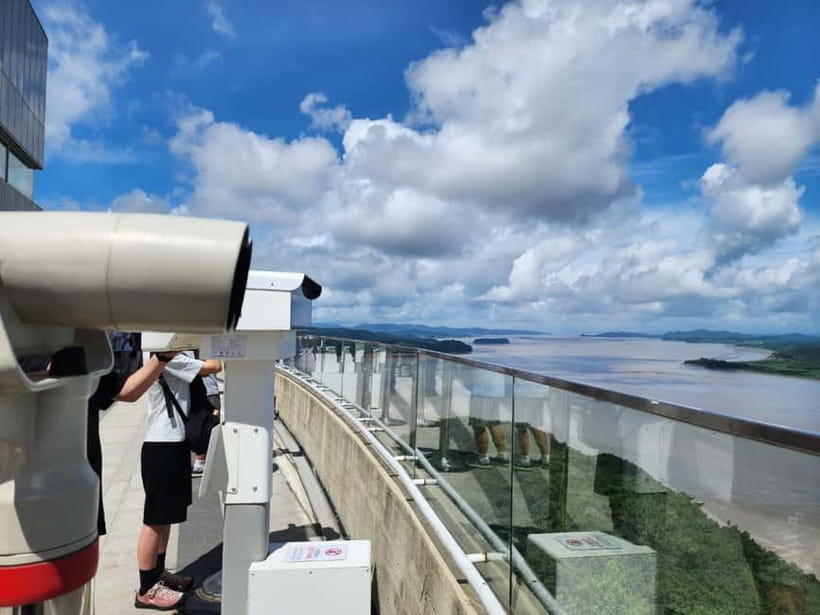
- See North Korea from Jogang Observatory only 1.4 km away across the line
- Aegibong is Hill 154, the former battlefield area tied to wartime displacement
- The peace-park story behind the Starbucks includes the Christmas-tree bridge design
- You get a real guide-led explanation of the Korean War and separated families
- Strict rules apply (passport required, no video recording, photo limits near military sites)
- If Aegibong is canceled, you still go somewhere, typically Starbucks The Bukhansan Branch
Why Jogang Observatory feels different from a normal viewpoint
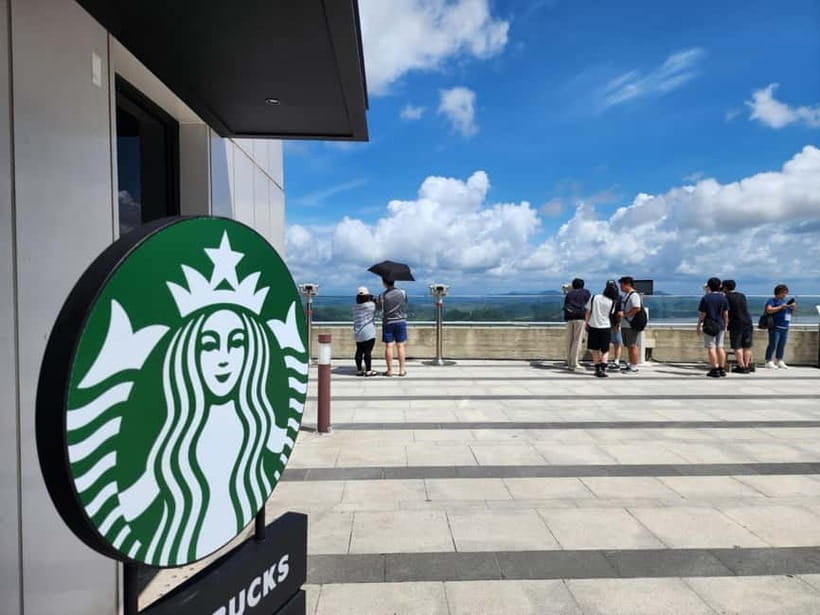
From Seoul, this feels like a straight shot to a special kind of “edge of the map.” You are not just standing somewhere scenic. You are visiting the Civilian Control Zone area where the two Koreas sit with a very real, very close distance between them.
The main draw is Jogang Observatory. It is designed so visitors can look north from the closest practical vantage. The key number is 1.4 km to North Korea, which is the part that sticks in your head. Even if you have seen DMZ photos before, this is different because it is tied to an actual observation point built for viewing.
And then there’s Aegibong Peace Eco Park, located at the mouth of the Hangang River along with the Jogang River. This is not just a park stop. It is rooted in the wartime story of Hill 154, where the two sides fought hard during the Korean War, and later became a place for displaced people to come and look toward what they lost. When you put those two pieces together—the history at Aegibong and the sightline from the observatory—you get a visit with meaning, not just a photo stop.
You can also read our reviews of more tours and experiences in Seoul.
Aegibong Peace Eco Park: Hill 154, displaced families, and the peace-bridge design
Your time on the peace-park side is built around the Aegibong setting. Aegibong Peace Ecopark originally refers to Hill 154, a former battlefield location. That matters because it explains why people came here even after the war. Displaced families often visited to see their hometown from afar, hoping to connect one last time to a place they could no longer reach.
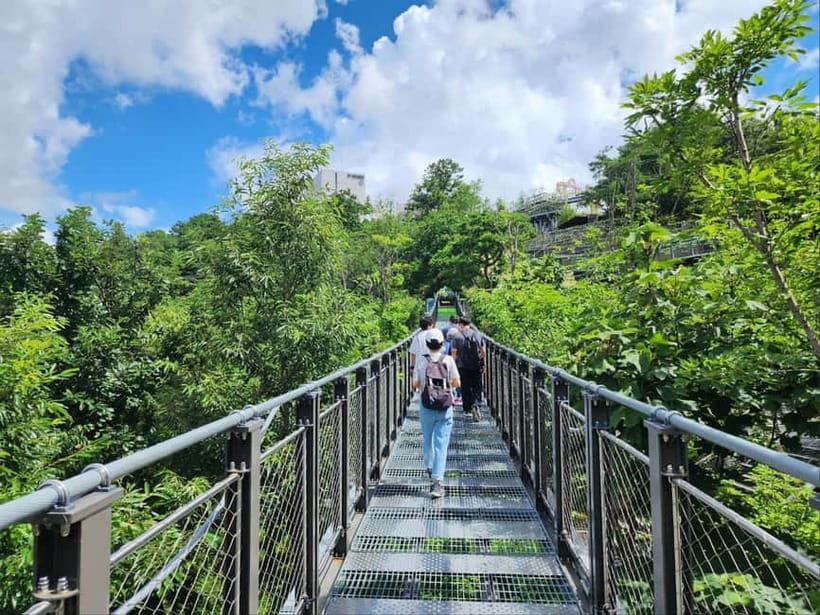
You’ll also notice how the park has been shaped into something symbolic. At one point, there was a huge Christmas tree tied to the observatory area. The lights were reportedly too bright for North Korea and caused conflict, largely because electricity shortages in North Korea made such bright visibility complicated. The tree was removed, but park workers built bridges in a Christmas tree shape with stars instead—an attempt to keep the symbolism while reducing the kind of lighting that created problems.
Even if you do not memorize every detail, the effect is practical. As you walk around, you start connecting the dots: this is a place where “peace” is not just a slogan. It is an engineered design choice, shaped by what happened before.
Plan for the walk. The area includes slopes and hills, and the tour information is clear that this trip is not set up for wheelchairs and strollers. If you have a lot of trouble with uphill walking, you’ll want to decide early whether you can handle it comfortably. There’s also a lot of “show me, then move on,” so wear shoes that grip.
The guide part that makes it click: history you can ask questions about
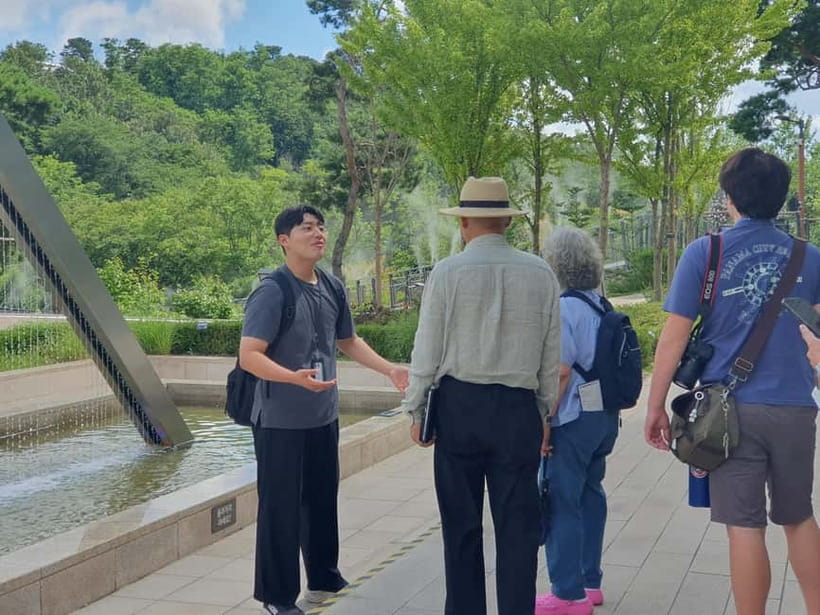
A big part of the value here is the licensed professional guide. If you choose the guide option, you’re not just getting transport and entry. You’re getting interpretation—especially around the Korean War, and how family separation shaped daily lives on both sides of the peninsula.
From what is shared about guides connected to this tour, Dragon is one example known for being professional and kind, and for explaining the history of North and South Korea in a way that is understandable. Shin is another named guide who is described as informative and friendly, including stories that connect the name Aegibong to displaced families and wartime loss. Sunny is also mentioned as helpful and kind, with the sense that the view becomes real only after the explanation lands.
What you should take from that: don’t treat this as a silent photo trip. Ask questions. If something feels confusing—like why certain areas have restrictions or why the story of Aegibong has multiple layers—your guide is there to connect the dots.
You also need to listen for practical guidance. This is a military-operated area, and photo rules matter. The tour notes that there are many military facilities where you are not allowed to take pictures, and you should ask your guide whether photos are allowed before you act. That one habit alone will save you from awkward stops and missed moments.
Starbucks at Aegibong Peace Eco Park: coffee with meaning, not just branding
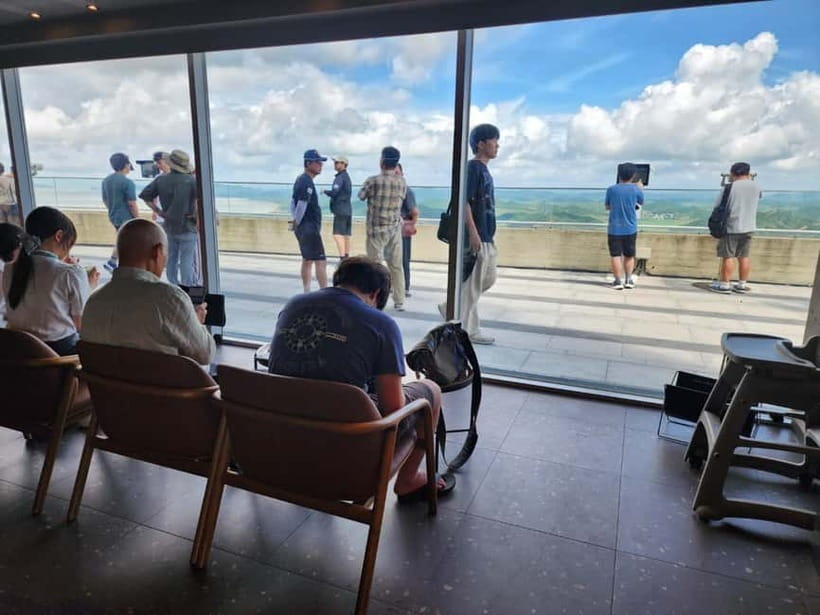
Yes, Starbucks is part of this tour—and yes, it is a little surreal to stand in a peace park tied to the Korean War and buy coffee. But in this case, Starbucks is not just about a familiar logo.
The park is known for the Starbucks cafe linked with the observatory area. It sits in a setting that is only about 1.4 km away from North Korea, which changes the feel of a coffee break. You’re not just drinking something warm. You’re pausing at a carefully framed symbol: peace messaging designed around real-world limitations.
One more nuance: you’ll likely have to treat Starbucks like a quick reset, not a long lounge. The park stop includes free time for about 1.5 hours, so use it for the things you’ll miss if you rush—walk a bit, enjoy the view from approved areas, then take your coffee break without turning it into an all-day café detour.
If Aegibong Peace Park access is canceled due to military operations, the tour information notes you’ll visit Starbucks The Bukhansan Branch instead. That means the “coffee in a special setting” part can still happen, but it won’t be the same observatory-adjacent context. So if North Korea viewing is your top priority, understand that conditions can change.
Jogang Observatory: what to expect from the viewing area

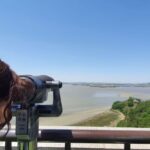
Once you reach the observatory side, the focus becomes simple: observation. The whole reason this works as a tour is that Jogang Observatory is positioned to show the north land from the closest distance available in that area.
Expect a viewing experience with rules. You should assume there will be controlled movement and clear instructions. The tour info specifically says video recording is not allowed, and it also flags photo limits near military facilities. Bring your curiosity, not your camera-on-overdrive plan.
Also, keep your expectations grounded in distance. You are not walking into an epic movie scene where details jump out. This is about the impact of being at a close viewing point and understanding what you are looking at in context. That context comes from your guide’s explanations, the Aegibong Hill 154 story, and the symbolic bridges that connect the park and observatory.
If you want the most from the observatory, you should do the boring things right: arrive ready, listen first, then look. Give your eyes a minute to adjust to what’s in front of you, and don’t waste the limited viewing moment trying to figure out where to stand.
Timing, transfers, and your reality check on the 4.5–5 hour window
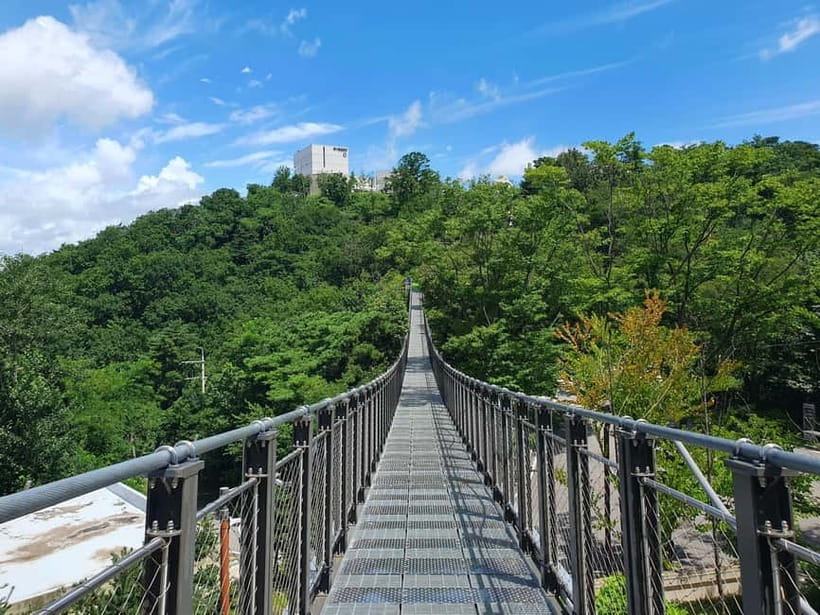
This is a half-day tour, usually 4.5 to 5 hours total. That time window matters because you will not get a long, slow experience. You’re looking at a schedule built around transit from Seoul, a park block with free time, and observatory viewing.
The transport is roundtrip from Seoul, and it’s described as a comfortable bus experience in the shared feedback. You’ll also have at least one clear meeting-point option: start near Hongik University Station area (62-10, 홍대입구역), though the tour notes meeting points can vary depending on the option booked.
The itinerary also indicates the end may be around Myeong-dong. At the same time, it says the activity ends back at the meeting point. In practice, that usually means you’ll be brought back to a central drop-off area rather than left out in the middle of nowhere. Still, confirm what your specific booking says so you can plan your next meal and subway route.
What to do with your time:
- Use the park free time well, but don’t overdo the café stop.
- Save your questions for when your guide is still actively briefing, not at the last five minutes.
- Keep passport access easy, because you’ll need it to participate.
Price and value: what you’re paying for at $34
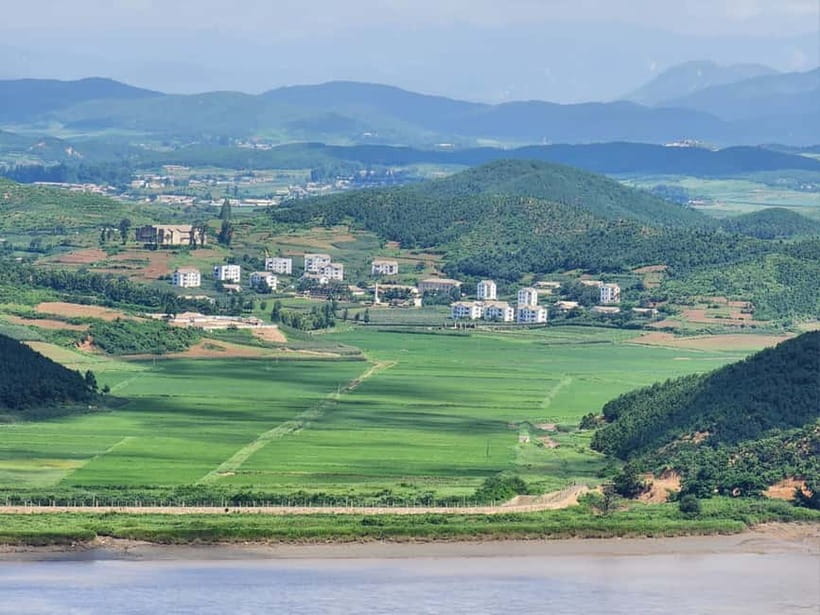
At $34 per person, this is priced like a practical access-and-interpretation tour, not a DIY day trip. The key value is what you get bundled together:
- Roundtrip transfer from Seoul
- Admission fees to the observatory
- A licensed professional guide if that guide option is selected
That combination is exactly what you would struggle to recreate on your own, especially given the security-style rules and the military-adjacent context. Food is not included, and travel insurance is not included, so you’ll still need a plan for a snack or meal before or after. But compared with the cost of paid entry plus a guided, organized transport plan, it feels reasonable for what you gain.
If your goal is just a quick photo and no history, you might be disappointed. If your goal is a meaningful look into the geography and the human story around separation, this price starts to make sense fast.
Who should book this, and who should skip
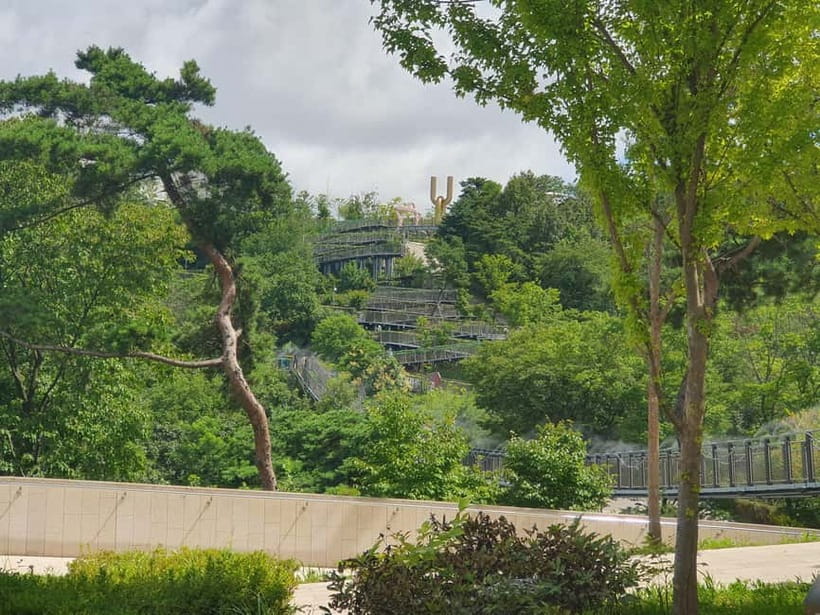
This tour is a good match if you want:
- A guided trip with context, especially around the Korean War and separated families
- A chance to see North Korea from a close observatory viewpoint
- The unusual pairing of the peace-park setting and Starbucks tied to the observatory area
You should be cautious or skip if:
- You have mobility limits. The area includes steep slopes and hills, and wheelchairs/strollers cannot access.
- You have heart problems or you’re pregnant, since the tour states it is not suitable for those needs.
- You are sensitive to restricted rules. There are clear limits on filming and photos, and you must bring a passport.
The best part of this style of tour is that it stays focused. You are not wandering for hours. You are there to see the key points and learn what they mean.
Should you book this DMZ-close observatory tour?
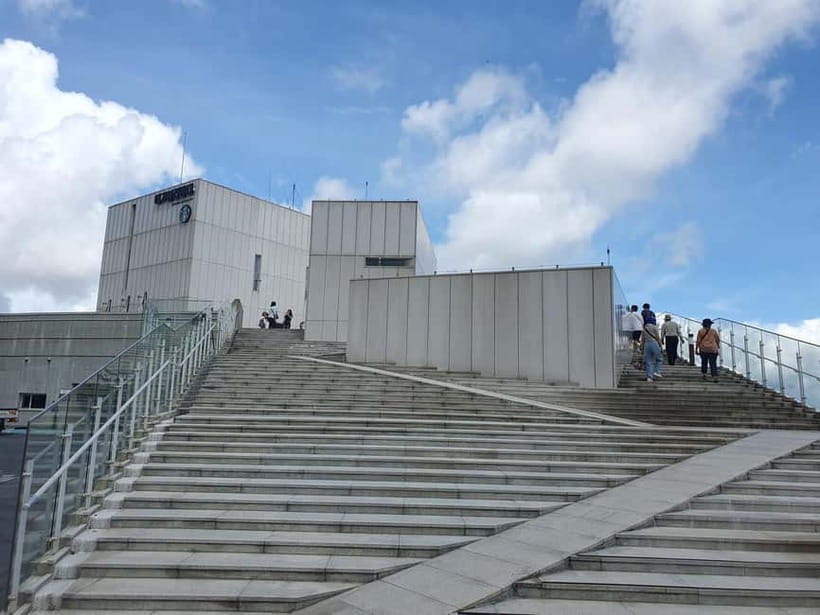
If you want a half-day that mixes a rare viewing point with a real human story, I think it’s worth booking. The standout reasons are the 1.4 km viewing from Jogang Observatory, the Aegibong Peace Eco Park connection to Hill 154 and displaced families, and the fact that your guide (like Dragon or Shin) is there to explain what you’re looking at, not just where to stand.
If you’re booking on a tight schedule, keep one reality in mind: access can change because this is operated through military systems. If Aegibong is canceled, you’ll go to a different Starbucks stop instead, and the North Korea sightline is no longer the same.
If you can handle hills, bring your passport, and follow photo rules, this is a smart, focused way to experience one of the closest “see-what-you-mean” moments near the DMZ.
FAQ
How long is the tour?
The tour runs about 4.5 to 5 hours. Starting times depend on availability.
Where does the tour start from Seoul?
Meeting points can vary by option. One listed starting point is near 홍대입구역 (62-10). The activity ends back at the meeting point, and the itinerary also indicates a finish around Myeong-dong.
How much does it cost?
It is listed at $34 per person.
Do I need a passport?
Yes. You need to bring your passport.
Is video recording allowed at the observatory?
No. Video recording is not allowed.
What happens if Aegibong Peace Park is canceled?
Because the park is operated by the military, the trip may be canceled without prior notice. In that case, the plan is to visit Starbucks The Bukhansan Branch instead.
Is this tour wheelchair accessible?
No. The area has steep slopes and hills, and wheelchairs cannot access. It is also not suitable for wheelchair users.
What’s included in the price?
Included are roundtrip transfer from Seoul, admission fees to the observatory, and a licensed professional tour guide if the guide option is selected. Food and beverages are not included.