REVIEW · ZION NATIONAL PARK
East Zion Dark Sky Stargazing Tour
Book on Viator →Operated by East Zion Adventures · Bookable on Viator
Utah night skies get very serious here. This East Zion stargazing tour takes you just outside Zion’s eastern border for a dark-sky show, with little to no light pollution, so shooting stars and the Milky Way have room to breathe. I also like that you get more than a glance: you can see galaxies, stars, and planets through a telescope while your guide points things out clearly in the dark.
The main thing to plan for is cold. Even though you’ll get warm blankets and hot chocolate, winter nights can still bite, and the viewing area is elevated and open to the sky. Also note the drive matters if you’re staying farther west (roads can be winding after dark), so factor in extra time.
In This Review
- Key things to know before you go
- East Zion dark skies: why this spot works for real stargazing
- Your 1-hour itinerary from Zion Ponderosa Ranch Resort
- Telescope time: what you can expect to see through the scope
- The guide experience: laser pointers, stories, and big patience
- What you’ll likely see with your own eyes (even before the telescope)
- Dress code for winter nights: don’t overthink it, just get warm
- Price and value: $22.44 for one hour under dark skies
- Logistics: drive time, meeting point, and night-group reality
- When to book: timing, clear skies, and moon conditions
- Who this tour is best for (and who should think twice)
- Should you book East Zion Dark Sky Stargazing?
- FAQ
- Where is the meeting point for the East Zion Dark Sky Stargazing Tour?
- How long is the stargazing tour?
- How much does the tour cost?
- Do I need a paper ticket?
- Is the tour offered in English?
- What can I see during the tour?
- Is there light pollution at the viewing spot?
- What should I bring for winter or cold weather?
- Are service animals allowed?
- What if weather is bad?
- What is the cancellation policy?
Key things to know before you go
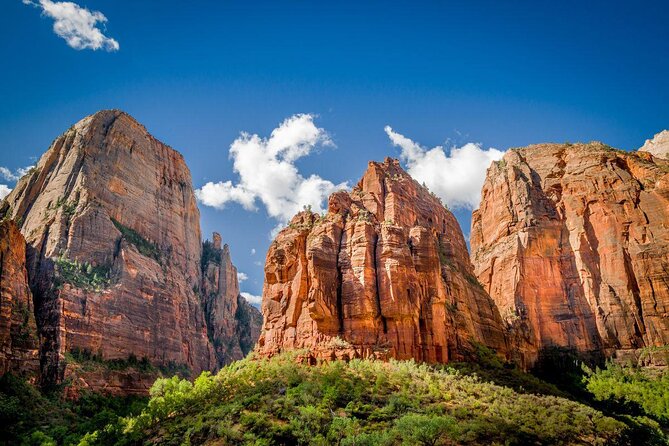
- Dark-sky location just outside Zion: built for stargazing, not city-style night lights
- Telescope viewing of planets and more: including Saturn’s rings, Jupiter (with moons), and targets like the Orion Nebula (when visible)
- Warm blankets and hot chocolate: a real comfort upgrade for a night you’ll spend lying down
- Guides who teach as they point: laser-pointer constellation help shows up in many happy reviews
- Group size capped at 100: usually a smooth experience, but on busy nights telescope time can be shared
- Weather-dependent: clear skies make or break your view, and the tour adjusts if conditions are poor
East Zion dark skies: why this spot works for real stargazing
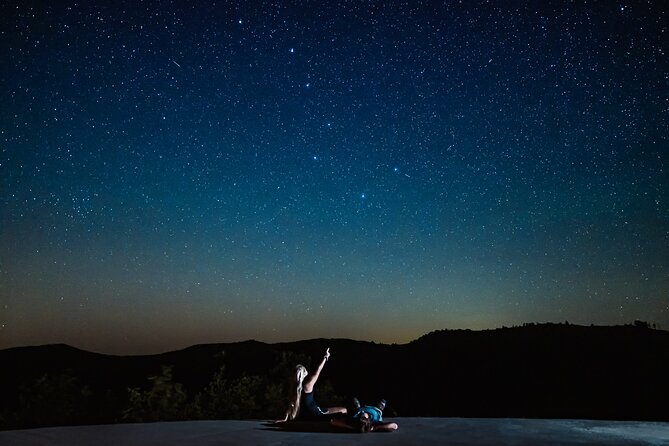
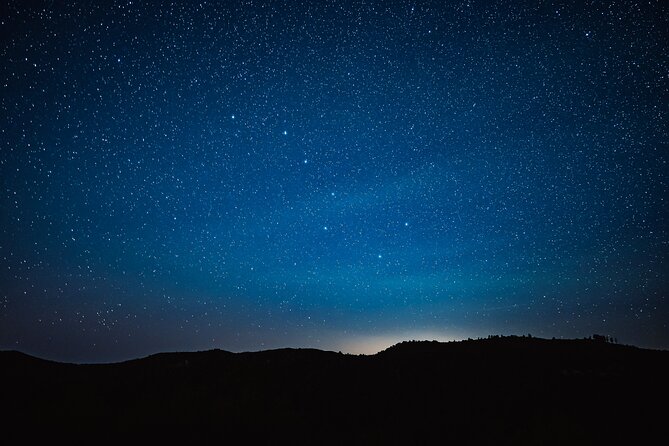
Zion is famous in daylight, but at night it becomes a different kind of show. This tour runs at a dark sky area just outside the eastern border of Zion National Park, up above the surrounding communities. That elevation and the reduced light pollution are the whole point. You’re not fighting streetlights and car headlights for every faint star.
The experience is timed so you’re under the night sky for about an hour. You’ll spend that time looking up, learning the sky’s patterns, and waiting for the fun surprises that happen only when the sky cooperates: satellites streaking across, and the occasional shooting star.
If you’re picturing a quick “look at this star” moment, it’s not that. The guides use stories and sky-navigation tricks so you can actually find things. Some guides even point with a laser pointer so the constellations don’t turn into a guessing game.
You can also read our reviews of more tours and experiences in Zion National Park.
Your 1-hour itinerary from Zion Ponderosa Ranch Resort
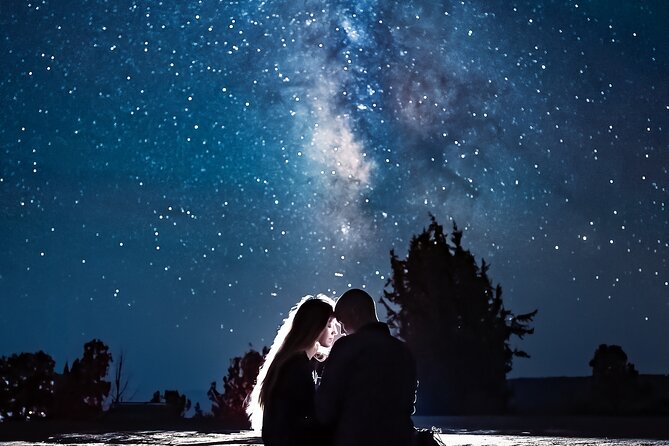
Here’s the simple shape of the tour. You meet at Zion Ponderosa Ranch Resort, Twin Knolls Rd, Orderville, UT 84758, and the night ends back at the same meeting point. The main stargazing stop is at Zion National Park, from an elevated viewing spot outside the park’s eastern border.
That short timeframe is part of the value. You’re not committing a half day. Instead, you’re doing the one thing night skies need: sustained attention in the dark. You’ll settle in, get comfortable, and then the guide runs through what’s visible that night.
On cold nights, comfort equipment matters because you’ll be watching from low positions. Many guests highlight blankets, chairs, and a relaxed pace that makes it easier to actually enjoy the view instead of constantly adjusting your posture.
Practical note: this is a “do it at dusk/night” outing. That means you’ll likely arrive as it gets dark, and you may need to drive winding roads to reach the eastern Zion area. If you’re coming from Springdale, give yourself breathing room for the route.
Telescope time: what you can expect to see through the scope
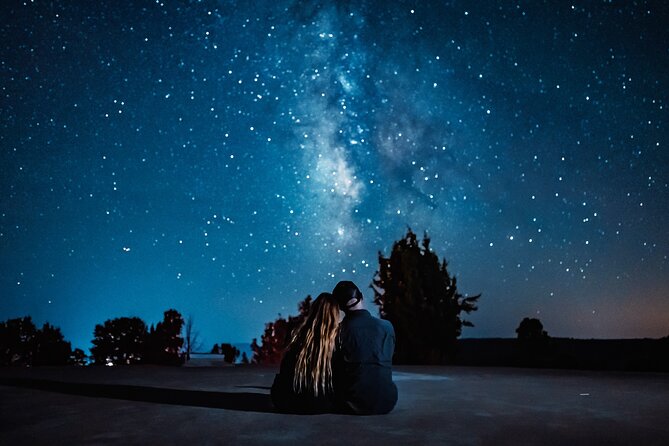
A dark-sky location gets you the big picture. The telescope is what turns that into a list you’ll remember.
The tour is set up so you can see galaxies, stars, and planets through a telescope. Based on what guests described, the telescope moments can include:
- Saturn and its rings
- Jupiter and its moons
- Targets like the Orion Nebula
- The double cluster
You might also spot comets or other interesting objects, depending on the night’s conditions. If the sky is bright from a moon, you can still see plenty of stars, but the faintest details can be harder. Several guides work around these realities by focusing on what’s visible and guiding you to notice it.
One real-world consideration: there’s often just one telescope, and on busier nights you may share the wait. That’s not a dealbreaker, but it’s good to expect some pacing and crowd flow.
The guide experience: laser pointers, stories, and big patience
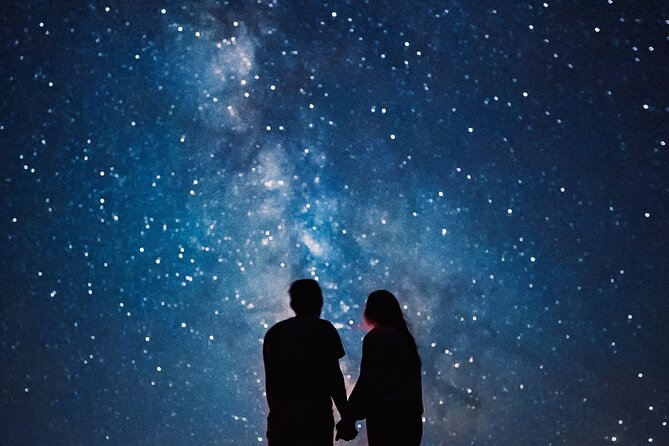
This tour is guided, and the best part is how the teaching stays practical. The guide doesn’t just name stars and move on. They point, connect the dots, and use stories to make constellations feel less random.
You may meet guides such as Hans, Oliver, Mike, Dylan, or Sky, depending on the night. Many guests specifically liked how guides used a laser pointer to make it easy to follow constellations while you’re lying down. That small detail helps a lot. In the dark, “over there” is useless unless you can actually see where the guide is aiming.
Another thing that shows up again and again: the guides tend to explain what you’re seeing with calm confidence and a friendly tone. Even when the night is cold, the vibe stays upbeat and patient.
That said, not every night runs the same. A few reviews mentioned issues like a laser pointer that didn’t work properly or audio that didn’t carry well. Those are exceptions, but they’re worth noting if you’re counting on the pointer and instruction to make the experience click.
What you’ll likely see with your own eyes (even before the telescope)
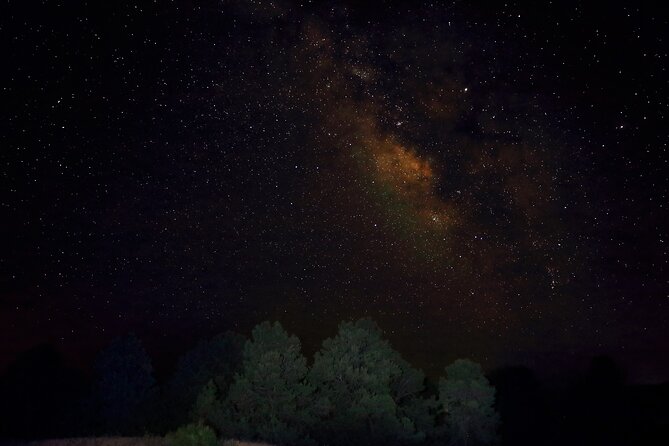
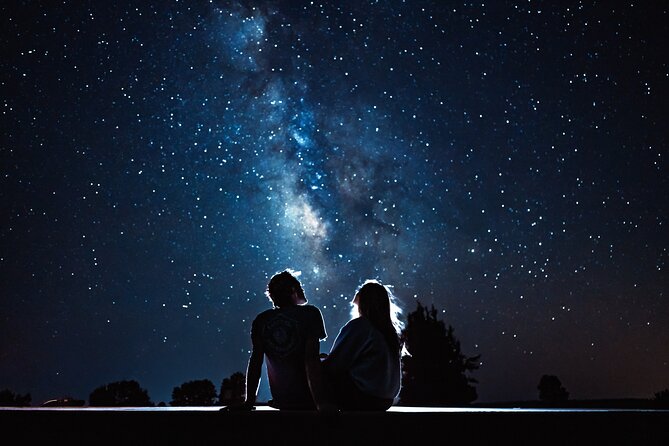
The sky show starts the moment the lights go down. Many guests describe seeing so many stars they’ve never seen that kind of density before. When the night is clear, the Milky Way can be obvious, and shooting stars can pop in at random times.
You should also keep an eye out for satellites. Guests mentioned seeing satellites multiple times, and that’s one of the easiest “wow” moments because it happens fast and doesn’t require a telescope.
If clouds move in, it changes everything. One review called out a cloudy night where the experience didn’t feel worth the drive. This is the reality of dark-sky tours: the sky is the main attraction, and the sky can be moody.
So yes, the tour is structured. But your best view still depends on weather.
Dress code for winter nights: don’t overthink it, just get warm
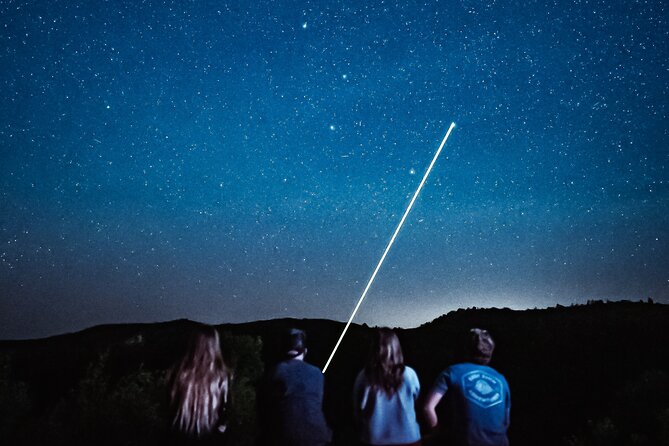
Bring warm clothes. Gloves help. Hats help more than you think. This is especially true in winter months when you’ll be outside, looking up, and staying still long enough for your body to notice the cold.
The tour supplies support, too. Guests repeatedly mention warm blankets and hot chocolate at no extra cost. Chairs and blankets show up in many descriptions, which makes it easier to watch comfortably instead of spending your hour constantly shifting.
My advice is to dress like you’re watching a night sports game outdoors, not like you’re walking into a restaurant. Layering keeps you flexible. If you get warm, you can open up a bit. If you don’t layer, you’re stuck fighting the cold for the whole hour.
Price and value: $22.44 for one hour under dark skies
At $22.44 per person for about an hour, this is priced like a smart add-on rather than a big-ticket attraction. You’re paying for three things:
- Access to a dark-sky viewing spot outside Zion’s east border
- A guide who teaches you what you’re seeing
- Telescope viewing for planets and deep-sky targets when conditions allow
That combination is the value. If you tried to recreate it yourself, you’d still need the dark location and the know-how to identify objects in the sky. Here, the guide does that work and you get telescope time included.
Also, the tour is small enough to feel personal (maximum 100 travelers), but big enough to keep the night lively. The best nights feel like a class with a campfire vibe—just without the campfire.
One more value point: the tour offers hot chocolate and blankets, so you’re not scrambling for purchases on arrival. You can spend your time looking up instead of hunting down comfort items.
Logistics: drive time, meeting point, and night-group reality
This outing starts at Zion Ponderosa Ranch Resort on Twin Knolls Rd in Orderville. That matters because it’s not the same place as many Springdale-based Zion activities. If you’re staying in Springdale or farther west, plan for a drive after dusk.
Some guests called out that the drive can be pretty but winding, and that it can be difficult late at night. That’s not a reason to skip the tour. It’s a reason to respect travel time and don’t assume you’ll move quickly in the dark.
Once you’re at the ranch and viewing area, group size and behavior can affect the vibe. A couple of reviews mention outside phone lights and chatting disrupting the experience. You can’t control other visitors, but you can help by choosing where you sit and keeping your own light discipline (low light, phone use minimal).
When to book: timing, clear skies, and moon conditions
Book ahead because the tour is popular. On average, it’s reserved about 32 days in advance. If you’re traveling during peak season or on a weekend, earlier booking helps.
Then, accept the sky’s rules. The tour requires good weather. If it’s canceled due to poor weather, you’ll be offered a different date or a full refund. That’s exactly what you want for a stargazing experience.
Moon can also change the feel. One review noted they went on a night with a brighter moon, yet still saw plenty of stars. So don’t assume a moon means you’ll see nothing. It just changes contrast.
Who this tour is best for (and who should think twice)
This works well for couples, solo travelers, and friends who want a short, memorable night activity in the Zion area. It’s also a good fit for families who want something calmer than more strenuous sightseeing. One review even praised staff help with mobility, including a golf cart ride up for a guest with limited walking ability.
You might want to think twice if:
- you hate cold and don’t plan to layer
- you’re very sensitive to disruptions from other people’s lights or noise
- you can’t manage a longer drive to the eastern Zion area at night
If you can handle those, you’ll likely love it.
Should you book East Zion Dark Sky Stargazing?
Book it if you want a dark-sky experience with real instruction, telescope viewing, and comfort support like blankets and hot chocolate. The price is low enough that you can treat it as a “best possible night sky” insurance policy during your Zion trip, as long as you’re also flexible about weather.
Skip it (or at least go in with realistic expectations) if you’re expecting certainty. Clouds can erase the best views, and any stargazing outing depends on the sky cooperating. Also, if you know you’ll be irritated by crowd noise or phone lights, pick your spot carefully.
If you want a night you’ll talk about later, this is one of the more practical ways to do it in the Zion area.
FAQ
Where is the meeting point for the East Zion Dark Sky Stargazing Tour?
You meet at Zion Ponderosa Ranch Resort, Twin Knolls Rd, Orderville, UT 84758, USA. The tour ends back at the same meeting point.
How long is the stargazing tour?
The tour lasts about 1 hour.
How much does the tour cost?
The price is $22.44 per person.
Do I need a paper ticket?
No. You’ll use a mobile ticket.
Is the tour offered in English?
Yes, it’s offered in English.
What can I see during the tour?
You can watch shooting stars and see stars, galaxies, and planets. A telescope is used to view objects such as planets (including Saturn and Jupiter) and deep-sky targets like the Orion Nebula, when they are visible.
Is there light pollution at the viewing spot?
The tour is set in a dark sky area with little to no light pollution, which helps you see more in the night sky.
What should I bring for winter or cold weather?
Bring warm clothes and gloves. The tour also provides warm blankets, but dressing for cold improves comfort.
Are service animals allowed?
Yes, service animals are allowed.
What if weather is bad?
This experience requires good weather. If it’s canceled due to poor weather, you’ll be offered a different date or a full refund.
What is the cancellation policy?
Free cancellation is available up to 24 hours in advance for a full refund. Changes less than 24 hours before the start time aren’t accepted.