REVIEW · THREE RIVERS
Sequoia National Park: Group Stargazing Program
Book on GetYourGuide →Operated by Big Trees Tours · Bookable on GetYourGuide
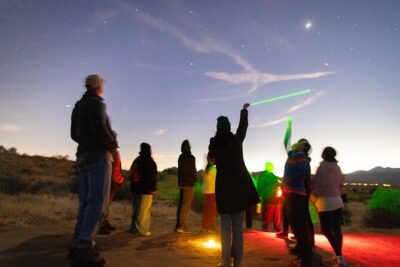
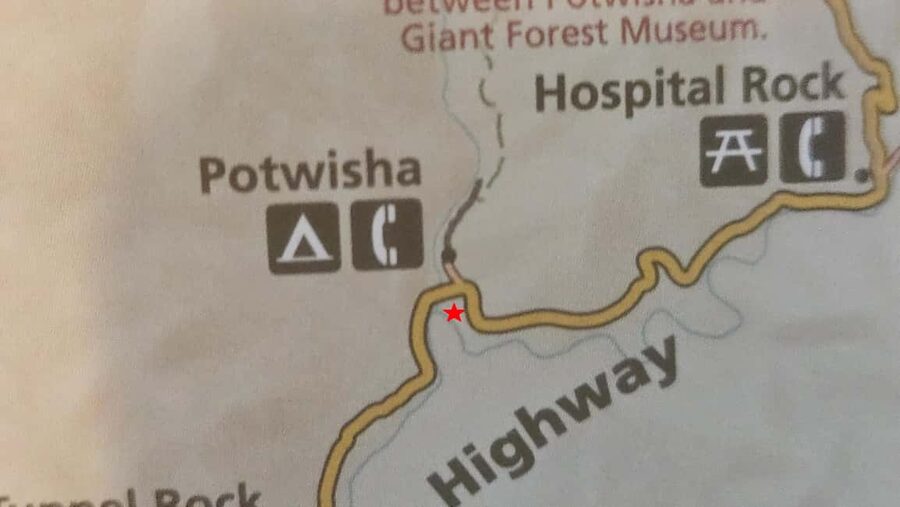
Sequoia at night turns into a classroom. In this $25, one-hour group program, Scott helps you read the sky with a laser pointer, mixing constellations with cultural star stories and up-to-date space-science. I love the no-hike pace and the fact you cover both mythology and modern missions. The one consideration is that the meeting spot has no cell coverage and isn’t listed on Google Maps, so you need to use the photo reference and arrive on time.
You meet either at the Potwisha area near the Three Rivers entrance or closer to the famous giant tree, then you settle in and look up without a long drive afterward. It is a great fit if you want dark-sky time but you do not want to burn gas or nerves getting back to your lodging. I also like that the group can provide seating for mobility needs, and the host is First Aid and CPR certified.
I found this works best for beginners and kids, yet it still scratches the astronomy itch for sky nerds. On special nights, you might even catch time-sensitive events like a passing comet or a nova star outburst—always on nature’s schedule. If you are bringing a very young child or you rely on accessibility aids not listed here, read the limits first.
In This Review
- Key things that make this stargazing hour worth it
- One hour of stargazing that fits real vacation schedules
- Where you meet inside Sequoia (and why it matters)
- The actual sky tour: what you’ll see and how you’ll learn it
- Your materials: planispheres and 3D models that keep the learning going
- Cold weather comfort and safety that feels calm
- Seating, accessibility limits, and who this is best for
- What the host brings: stories, dad jokes, and real sky passion
- Sticking close to your lodge: the real value of no long drive
- Logistics you should plan for before it gets dark
- Price and value: is $25 fair for one hour?
- Should you book this Sequoia stargazing hour?
- FAQ
- How long is the Sequoia National Park group stargazing program?
- How much does it cost?
- Where do we meet inside Sequoia?
- Is there cell service at the meeting point?
- What should I bring for the stargazing hour?
- Is the program wheelchair accessible?
- Is it okay to bring a drone?
- What ages is the tour not suitable for?
Key things that make this stargazing hour worth it
- A full hour under the sky, without hiking so you can focus on what you’re seeing
- Constellations + cultural stories, plus current science and missions
- Laser-pointer guidance as the sky changes minute by minute
- Planispheres (star maps) and 3D models you can use to keep learning later
- Cold-night comfort with hand warmers and red lights to protect night vision
- A certified, experienced host who has been guiding Sequoia stargazing for years
One hour of stargazing that fits real vacation schedules
This program is built for the moment you want to enjoy the night sky but you do not want to turn it into a full expedition. For just 60 minutes, you’re led through what’s visible, why it matters, and how it connects to people around the world. No trails. No slog. Just time outside, looking up, with someone who knows how to make the sky make sense.
The setting is a big part of the appeal. Sequoia is a dark-sky place when the conditions cooperate, and that matters because stars are not just decorations here—they are the main event. If you have ever tried to star-map on your own and felt like you were guessing, this format helps you stop guessing and start recognizing.
Where you meet inside Sequoia (and why it matters)
You’ll meet at one of two convenient park locations. The first is the Potwisha Overflow Lot, across the Generals Highway from Potwisha Campground, about 10 minutes inside the park near the Three Rivers entrance station. The second is the parking area for the General Sherman Tree, an easy 10-minute drive from Wuksachi Lodge or Lodgepole Campground.
Two practical notes can save you stress:
- The meeting area is not in Google Maps, so plan to use the provided photo set to find it.
- There’s no cell coverage at the meeting location, so do not count on your phone to rescue you if you miss the spot.
Once you’re there, the host sets up red lights, which is a small detail that makes a real difference. It keeps the area easier on night vision so you can actually see the faint stuff once the pointing starts.
The actual sky tour: what you’ll see and how you’ll learn it
The heart of this experience is simple: you look at the night sky while Scott guides you through what’s up there. You’ll sit or stand as needed, and he points out constellations with a laser pointer so the group can follow along. That pointing technique matters because the sky moves, and it’s hard to match words like Orion to reality if you’re doing it alone.
What makes the tour satisfying is the balance between two kinds of stories:
- Cultural significance: the constellations connect to traditions and living narratives across different cultures.
- Modern science: you also get current, space-based science explanations and what today’s missions are learning.
For first-timers, this is the sweet spot. You’re not just handed random star names. You’re given meaning, then you get the chance to connect that meaning to what’s actually visible overhead. And if you are already an astronomy fan, the talk about up-to-date findings gives you more than a basic sky chart.
The best time to shine is when the sky cooperates. On special nights, the program may include infrequent events like a passing comet or a nova star outburst. Those are not guaranteed, but the way the tour is structured means you still learn the sky even if the show is just stars and constellations.
Your materials: planispheres and 3D models that keep the learning going
You get more than a guided hour—you also leave with tools. Included are star maps (planispheres), plus 3D models of the solar system and 3D model of Saturn.
Why these props are valuable: after the tour, your brain tends to dump everything it learned unless you have something to reference. A planisphere lets you match the sky you saw to a working guide. The 3D models are especially helpful if you remember the shapes better than the names, or if you’re trying to explain what you learned to someone back at your lodging.
One small note: take-home materials beyond what’s listed here are not included, and the tour does not provide a laser pointer for you to keep. You use what’s set up during the program, and the value is in the guidance plus the star-map tools.
Cold weather comfort and safety that feels calm
Stargazing programs live or die on comfort. The sky tour runs in the dark, and Sequoia nights can cool fast. The good news here: you can get hand warmers on cold nights, and you’re told to dress warmly.
The host also emphasizes practical safety. Bring a flashlight for getting to the meeting spot and for personal safety after the tour. And yes, it gets dark enough that you want light for footing even when you’re not hiking.
For peace of mind, the guide is First Aid and CPR certified. Add that to the fact you’re not out on a remote trail alone, and it explains why people describe the experience as relaxing and safe even when they’re stepping into full darkness.
Seating, accessibility limits, and who this is best for
This program is wheelchair accessible, and seating can be provided upon request for mobility needs. That’s important because the experience is designed around watching and listening, not walking.
At the same time, there are clear limits:
- Not suitable for children under 2 years
- Not suitable for visually impaired people
- Not suitable for hearing-impaired people
- Unaccompanied minors are not allowed
This isn’t a judgment on the person—it’s just about how the tour is delivered. The core format uses visual pointing and spoken guidance, plus it relies on your ability to hear the explanations. If that fits your group, you’ll likely feel comfortable and engaged. If it doesn’t, it’s kinder to choose a different accessibility-friendly activity.
What the host brings: stories, dad jokes, and real sky passion
Scott’s teaching style is part of the product. This is not the vibe of someone reading a script at you. He tells star stories with context, mixes in science, and keeps the energy light with solid dad jokes and puns.
What I like about this approach is that it reduces the intimidation factor. When you’re new to astronomy, you can feel behind fast. Here, the tone is welcoming, and the pointing helps you catch up quickly. People also note how well the guide interacts with kids, which makes sense since the program is built around a short, focused hour rather than long endurance.
Sticking close to your lodge: the real value of no long drive
A lot of stargazing plans fail at the finish. You drive out, you look for a while, and then you have to figure out the dark-road return. This is structured to solve that.
Because the tour is inside Sequoia and starts at Potwisha or the General Sherman area, you avoid the long back-to-rental timing crunch. You get a night-sky experience that feels like it fits naturally into the rest of your park day, whether you’re near Three Rivers or staying more centrally.
Logistics you should plan for before it gets dark
Here’s what you’ll want to remember so the hour stays fun instead of stressful:
- Meeting instructions matter: no Google Maps listing, and no cell service at the meeting spot.
- Bring a flashlight even if you think you will not need it.
- Wear warm layers; stargazing usually runs colder than you expect.
- Don’t plan to take your own drone; drones are not allowed.
- No fireworks and no bare feet.
- Minors need an adult present; unaccompanied minors are not allowed.
Also, the program is English only. If your group needs a different language, double-check before you book.
Price and value: is $25 fair for one hour?
At $25 per person for one hour, this is priced like an experience, not a souvenir. The math works out better if you care about learning something you can repeat later—like recognizing what you saw.
You’re getting:
- a guided stargazing experience
- planispheres (star maps)
- 3D models (solar system and Saturn)
- cold-weather items like hand warmers
- safety support and hike recommendations for what to do next day
If all you wanted was to stand under stars for free, you could do that on your own. But if you want the sky interpreted, plus you want a way to keep learning after the tour, this price makes sense. It’s also a convenient way to use dark time without turning it into a complicated plan.
Should you book this Sequoia stargazing hour?
Book it if you want:
- a beginner-friendly way to learn constellations without getting lost
- cultural star stories alongside modern astronomy
- a relaxed one-hour format that doesn’t demand a hike
- a guided outing you can fit close to where you’re already staying
Skip it if:
- you need accessibility support not covered here (this tour specifically notes limits for visually impaired and hearing-impaired people)
- you’re traveling with a child under 2
- you want a self-guided, no-instructor evening
If you’re on the fence, think about what you want from your dark-sky time. This is designed to turn looking up into understanding what you’re looking at, and that’s the part that keeps people thinking about it long after the hour ends.
FAQ
How long is the Sequoia National Park group stargazing program?
It lasts one hour.
How much does it cost?
The price is $25 per person.
Where do we meet inside Sequoia?
You meet at one of two places: the Potwisha Overflow Lot across from Potwisha Campground, or the General Sherman Tree parking area.
Is there cell service at the meeting point?
No. There is no cell coverage at the meeting location.
What should I bring for the stargazing hour?
Bring a flashlight for safety, and dress warmly since nights can be cold.
Is the program wheelchair accessible?
Yes. Seating can also be provided upon request for ADA accommodations.
Is it okay to bring a drone?
No. Drones are not allowed.
What ages is the tour not suitable for?
It is not suitable for children under 2 years.