REVIEW · SEOUL
Exclusive Ganghwa Island Adventure: North Korea Observatory
Book on GetYourGuide →Operated by S.A. Seoul · Bookable on GetYourGuide
North Korea views, ancient stones, and a beach day. This private Ganghwa Island route (from Seoul) mixes a North Korea observatory stop with UNESCO dolmens, then adds forts, temples/craft culture options, and Dongmak Beach time. I also like that you can set your own pace inside a structured day, because you’re not stuck on a fixed group scramble.
One highlight I love is the human side: your English guide (Peter on past departures) connects the sights to real-life stories, including how South Koreans honor ancestors from the North they cannot visit. Another big plus for me is the variety of stops in one long loop, from strategic viewpoints to handcraft culture like Joyang Bangjik textile experiences.
The only real drawback to plan around is food: lunch is not included, and options near the stops can be limited. If you’re picky about meals, bring backup plans.
In This Review
- Key highlights you’ll actually care about
- From Seoul to Ganghwado: what this 10-hour private day feels like
- Peace Observatory: getting the North Korea picture without guesswork
- UNESCO Ganghwa dolmens: walking among megaliths that outlast empires
- The island’s main guided block: where history, temples, and palace sites can fit
- Gwangseongbo Fortress: strategic views you can actually walk
- Joyang Bangjik textile stop and 강화도령화문석: craft culture with a calmer pace
- Dongmak Beach: the reset button after history and walking
- Lunch planning: what’s extra and how to stay flexible
- Price and value: is $180 per person fair for a private Ganghwa day?
- Who this tour suits best (and who might want a different format)
- Should you book this North Korea Observatory Ganghwa Island tour?
- FAQ
- How long is the Ganghwa Island North Korea Observatory private tour?
- Is lunch included in the $180 per person price?
- What language is the tour guide?
- Where do pickups and drop-offs happen?
- Is this tour wheelchair accessible?
- Is the group private?
- What’s the cancellation policy?
Key highlights you’ll actually care about
- North Korea Observatory context: See the view and learn what it means, not just where to stand.
- UNESCO Ganghwa Dolmen Site: Megalithic stones with a guided stop that keeps it from feeling random.
- A long guided block on Ganghwa Island: You get time on foot plus the option to cover major cultural sites.
- Textile culture stops: Joyang Bangjik (textile) and 강화도령화문석 are woven into the day, not treated as a quick shop.
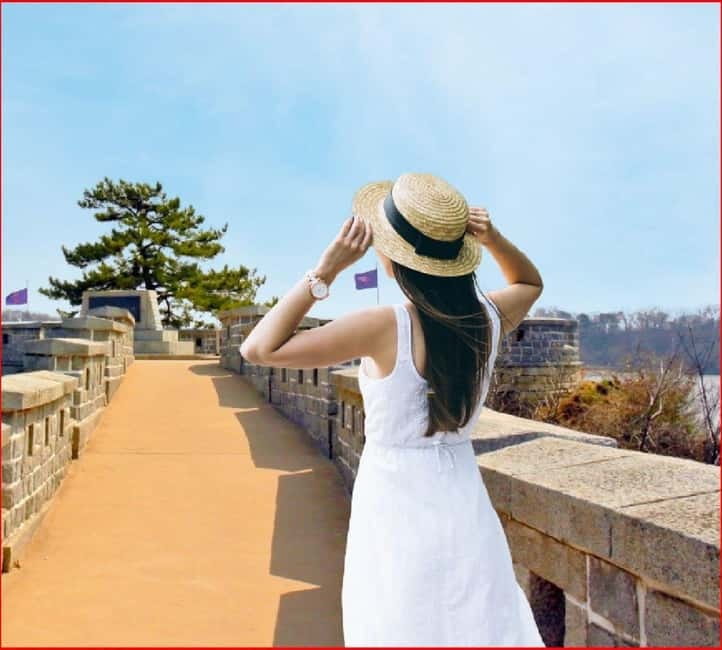
- Gwangseongbo Fortress walking: A strong “strategic location” theme that makes the geography click.
- Dongmak Beach break: A sea-air pause after history and walking.
From Seoul to Ganghwado: what this 10-hour private day feels like
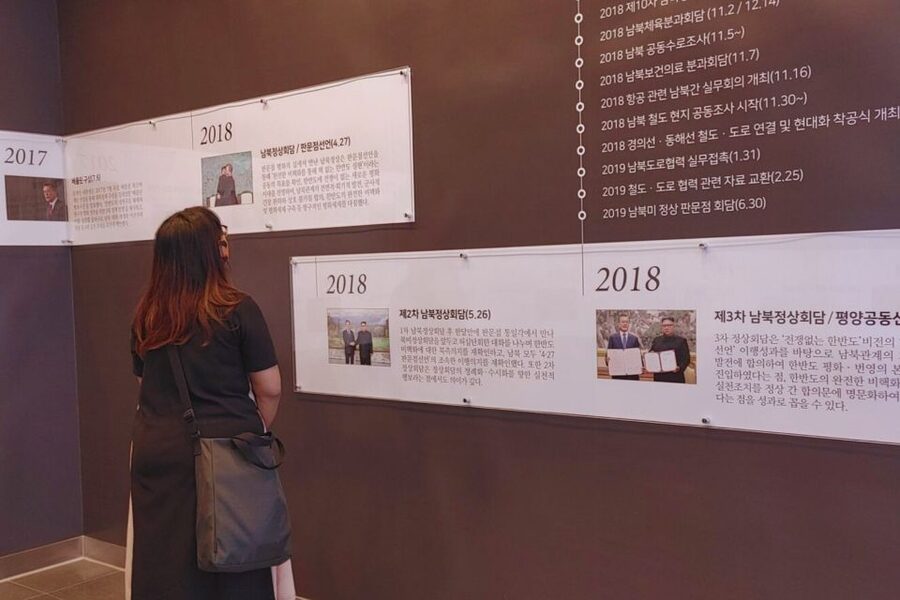
This is a full, hands-on day trip: you’ll leave Seoul pickup and spend about 10 hours total, with hotel pickup and drop-off handled for you. It’s private group touring, so you’re not negotiating with a crowd on a tight schedule. The trade-off is time: Ganghwa Island is about an hour from Seoul, and the day is long enough that you’ll want comfortable shoes and a small plan for meals.
Because this is private, the guiding style matters. You’re not just watching; you’re getting a running explanation that helps you connect dots between different eras. And you get some freedom on how you move through the island block. That matters on a place like Ganghwa, where distance between sites adds up quickly and “quick photo stops” can eat your day.
The tour is also designed to be flexible in what you see. You pick from a set of recommended attractions, and that’s a big deal if your interests lean history, culture, or seaside time. You’ll still follow a schedule, but your guide can shape the day around your priorities.
You can also read our reviews of more tours and experiences in Seoul.

Peace Observatory: getting the North Korea picture without guesswork
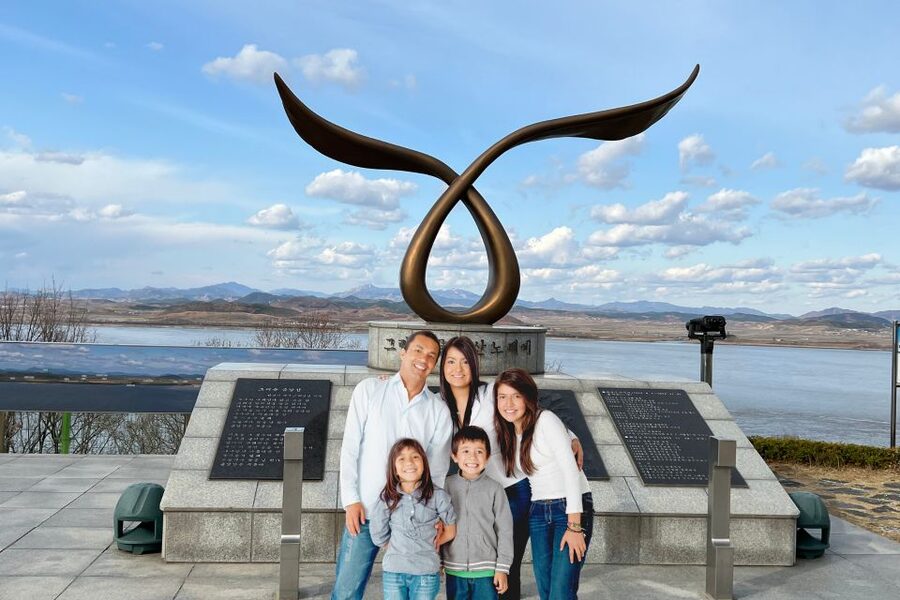
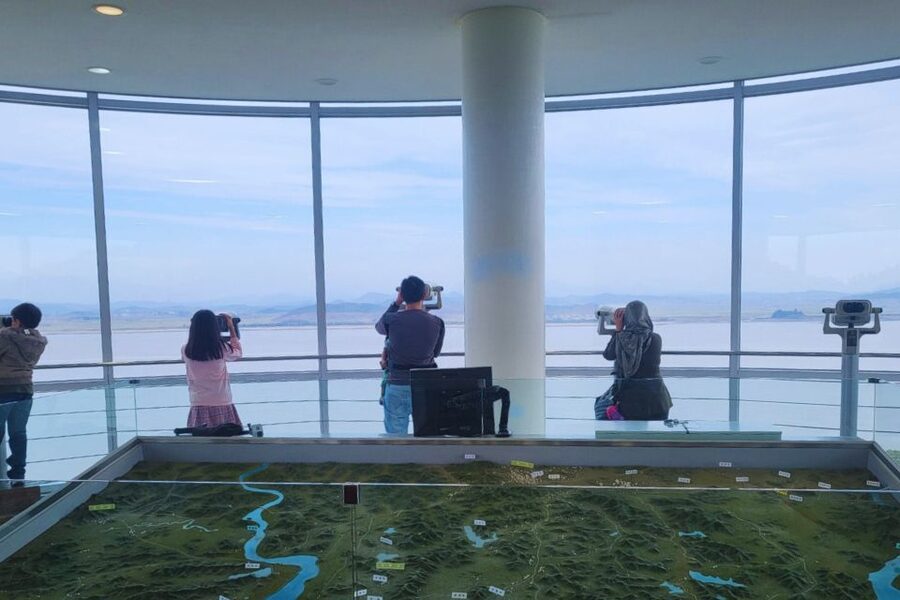
The day starts with the Ganghwa Peace Observatory, with a guided visit (about 45 minutes). Even if you’re already curious about the Korean Peninsula, this kind of stop works best when it’s explained in human terms—why these places exist, what they were built to do, and why they’re still emotionally charged.
What I like here is the structure: you’re not dropped at a viewpoint and left to interpret signs alone. Your guide helps you frame the strategic geography of Ganghwa Island and ties it to the tension between North and South Korea. Then you walk away with a clearer idea of why Ganghwa has been used as a listening post, a buffer, and a historical waypoint.
Possible consideration: this is a long day, so use the observatory time to reset your brain before the UNESCO stop. If you’re prone to getting overwhelmed at viewpoints, take a breath, read slowly, then start moving to the next site.
UNESCO Ganghwa dolmens: walking among megaliths that outlast empires
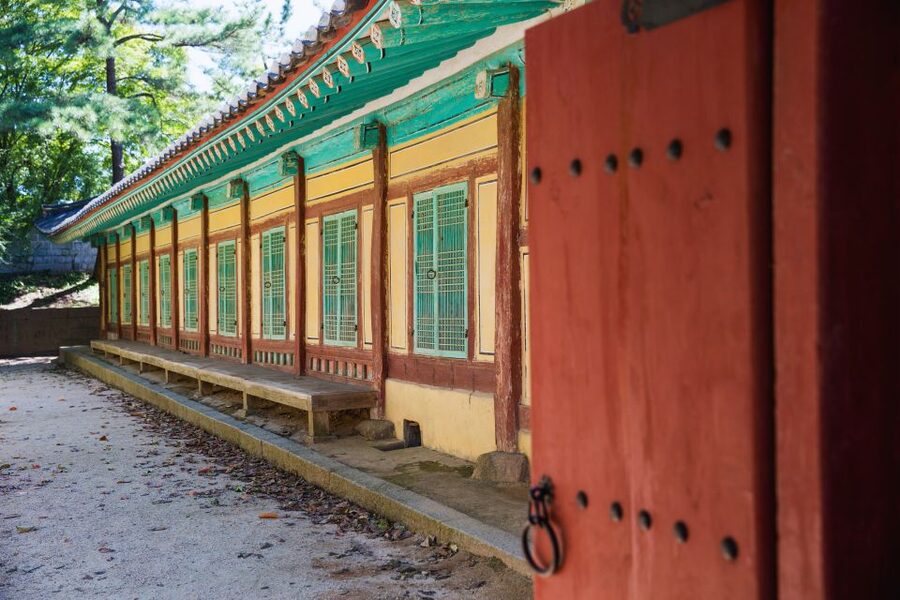
Next comes the Ganghwa dolmen (UNESCO World Heritage Site) with a visit time of around 30 minutes. Dolmens can be easy to treat like “big rocks in a field,” especially if you’re rushing. The guided format helps you avoid that. Instead, you’ll learn how these megalithic structures fit into the long sweep of Korean history and why their placement matters.
Even in a short stop, a guide can show you how to look. For example: what you notice first at dolmens (scale, arrangement, stone style), and how that changes as you move around. It also helps you connect the dolmens to the rest of the day’s theme—how this island has been a crossroads for centuries, not just a modern day trip.
A practical tip: dolmen sites involve walking and standing in place for viewing. Wear shoes you can stay comfortable in, especially if the ground is uneven or damp.
The island’s main guided block: where history, temples, and palace sites can fit
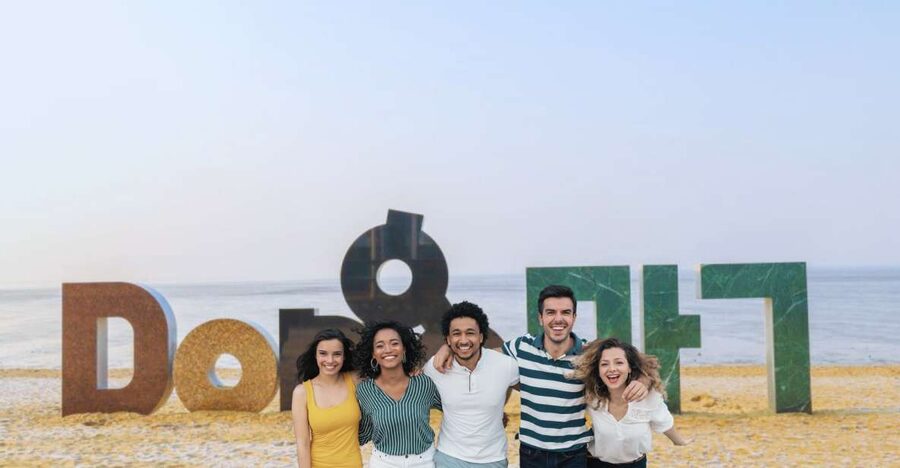
After lunch, you’ll get the heart of the island exploration: a 4.5-hour block on Ganghwa Island that combines visit, guided tour, and walking. This is where the tour’s “choose your own path” idea becomes real.
The attraction list for this day includes major anchors like Goryeo-gung Palace Site, Yongheung-gung Palace, and Jeondeung-sa Temple, plus heritage stops like the Ganghwa Anglican Church. Even when the exact combination varies, the way the guide connects them is consistent: you’re building a timeline of what Ganghwa meant, how people used the land, and how faith and memory show up in architecture and sacred spaces.
This is also where the emotional stories can land. One of the most praised aspects of this tour is how the guide explains how South Koreans honor ancestors from the North whose graves they cannot visit. On Ganghwa, that kind of context makes churches and memorial-related sites feel personal, not just historic buildings you snap photos of.
If you’re traveling with kids or anyone who tires easily, this long guided section is still manageable because it’s guided walking, not free-for-all wandering. Still, plan to pause when you need it. Your guide can usually help you pace the route.
Gwangseongbo Fortress: strategic views you can actually walk
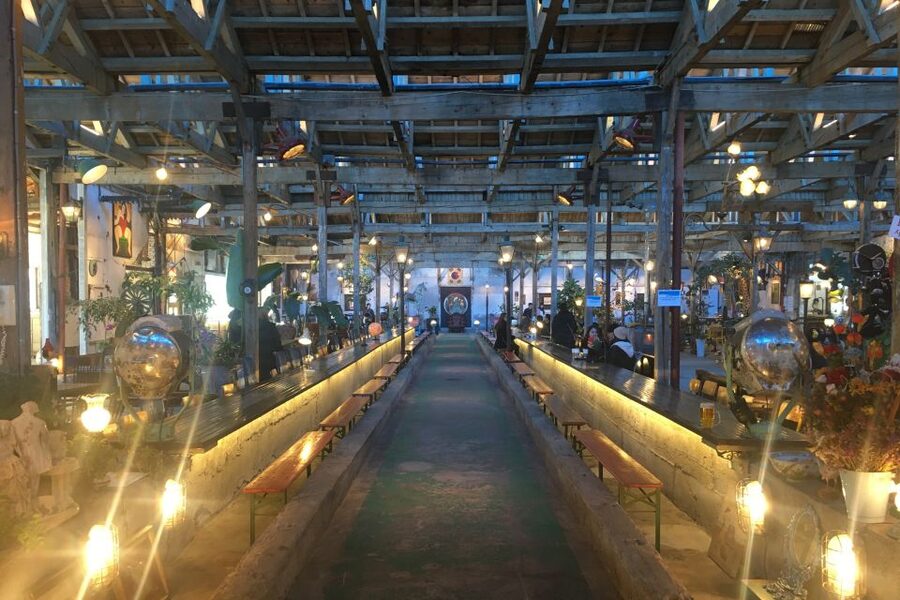
The next named stop is Gwangseongbo Fortress, with visit/sightseeing and walking time. This fortress stop is valuable because it turns the island’s strategic reputation into something physical. Instead of only hearing about “why Ganghwa mattered,” you climb, walk, and see how the land would have supported defense and control.
Fortresses change how you see a coastline and inland routes. You start to notice vantage points, sight lines, and the way movement would have been planned. It’s a history lesson that you feel in your legs, which is usually the fastest way to remember it.
Practical note: fortress walking can be uneven. Even if you’re not doing strenuous hikes, bring shoes with grip.

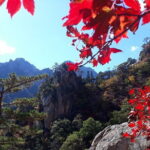
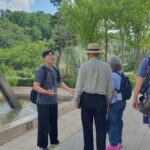
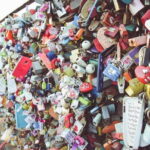
Joyang Bangjik textile stop and 강화도령화문석: craft culture with a calmer pace

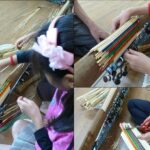
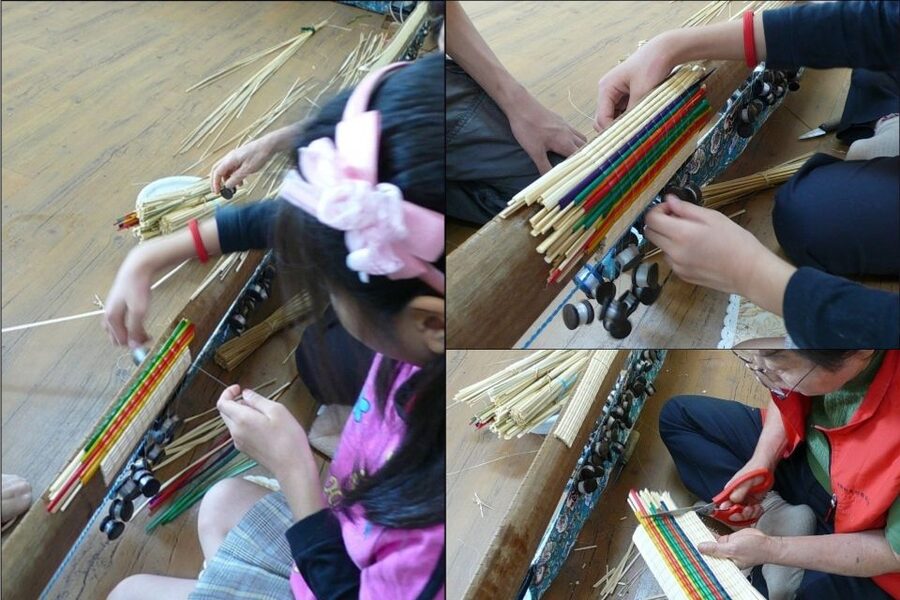
Two of the more unique parts of this day are the textile-focused stops: Joyang Bangjik (textile) and 강화도령화문석. These aren’t just quick shopping stops in the way some cultural add-ons can feel. They’re built into the itinerary because Ganghwa’s craft heritage is part of the island identity.
Joyang Bangjik is described as a cafe-style experience, which usually means you get a slower rhythm: sit for a bit, look at the textile work, and ask questions. Your guide can help you understand what you’re seeing so it doesn’t turn into guesswork patterns and product labels.
강화도령화문석 is a specific craft tradition, and seeing it on a separate stop is smart. It signals that this isn’t “one place sells textiles.” Instead, you’re learning that multiple craft forms connect to regional history and family traditions.
If you’re photographing: go at an unhurried pace. Textile art is detail-heavy. Spend a little time on close-ups and wider context shots so you leave with more than one kind of memory.
Dongmak Beach: the reset button after history and walking
You’ll end with Dongmak Beach. After forts and heritage stops, beach time does more than look pretty. It gives you a wind-down moment where you can stretch, let your eyes rest, and breathe in the sea air.
This is also where the tour feels like a true day trip rather than a museum marathon. If you’re traveling from Seoul and want a change of scenery, Dongmak Beach helps you feel like you really left the city for the day.
A practical thought: check conditions and plan your comfort. Sand and wind can be tiring if you stay too long in one spot.
Lunch planning: what’s extra and how to stay flexible
Lunch is not included. Your guide will recommend a local restaurant, but you’ll pay separately. Options may be limited, and dietary restrictions aren’t guaranteed from the information provided—so it’s smart to think ahead.
Here’s the approach I’d use if you’re booking:
- Have a general idea of what you can eat (and what you want to avoid).
- If you have strict needs, consider bringing snacks you can tolerate just in case.
- Use your guide’s recommendation as guidance, but don’t feel stuck. If the first option doesn’t work, ask what’s possible nearby.
Also, the tour includes Korean seaweed snacks sampled during the day, and those snacks can be purchased at the end. Purchase is optional, so you’re not forced into anything.
Price and value: is $180 per person fair for a private Ganghwa day?
At $180 per person for a 10-hour private tour, the value comes from what’s included: round-trip air-conditioned transportation, a professional driver/tour guide, toll fees, and hotel pickup/drop-off within Seoul. That package matters because getting to Ganghwa by yourself means coordinating transit, timing, and on-site navigation.
What you still pay for is mostly the day’s meals: lunch and personal expenses. That’s not unusual for Korean day tours, but it does change the math. If you’d like predictable spending, budget extra for lunch and any snacks you choose to buy.
Where the money makes sense:
- You want an English guide to connect the dots across observatory + UNESCO site + fortress + textile culture.
- You prefer private pacing over group logistics.
- You’re short on time in Korea and want one complete Ganghwa loop without research fatigue.
Where it might feel less worth it:
- If you love planning yourself and are comfortable arranging transport and admissions independently, you may spend less. But you’ll trade away the context and pacing.
Who this tour suits best (and who might want a different format)
This experience is a strong fit if you want a guided private day trip from Seoul that balances major heritage stops with a real cultural side (textiles) and a relaxing end (Dongmak Beach).
It’s especially good for:
- Couples and small groups who want conversation, not just sightseeing.
- Travelers who care about historical context and peninsula-related geography.
- Anyone who likes craft and culture as much as monuments.
You might want to consider a different plan if:
- You need guaranteed dietary options at lunch (since lunch is extra and restaurant choices aren’t specified).
- You hate long days with multiple walking segments.
- You’re visiting on a weekend, when traffic and crowds can add friction to the schedule.
Should you book this North Korea Observatory Ganghwa Island tour?
I think you should book if you want one day that actually teaches you something—and also gives you time to breathe. The North Korea observatory and UNESCO dolmens give you credibility fast. Then the textile stops and fortress keep the day from feeling like only “big sights.” Finally, Dongmak Beach helps you end the day on a calmer note.
Book if your top priorities are:
- A private, English-guided day from Seoul
- UNESCO dolmens plus strategic fortress walking
- Textile culture stops like Joyang Bangjik and 강화도령화문석
- A beach finale that makes the trip feel like more than a drive
Skip or shop for alternatives if you’re trying to keep the trip ultra-budget. With lunch extra and meals not included, it’s not the cheapest day trip out of Seoul. But for many people, it’s a fair price for a private, structured day that saves time and reduces stress.
FAQ
How long is the Ganghwa Island North Korea Observatory private tour?
The tour duration is listed as 10 hours, with starting times depending on availability.
Is lunch included in the $180 per person price?
No. Lunch is not included. Your guide will recommend a restaurant, and you’ll pay for your meal separately.
What language is the tour guide?
The live tour guide is listed as English.
Where do pickups and drop-offs happen?
Pickups and drop-offs are within Seoul city at the same location, with hotel pickup included. You should wait in the hotel lobby 10 minutes before your scheduled pickup time.
Is this tour wheelchair accessible?
Yes, the tour is listed as wheelchair accessible.
Is the group private?
Yes, it’s a private group experience.
What’s the cancellation policy?
You can cancel up to 24 hours in advance for a full refund. In bad weather, the final decision is made the same day, and full refunds apply for weather-related cancellations.