REVIEW · TENERIFE
TEIDE NIGHT, Stargazing Bus Tour, Meal & Drinks included!
Book on Viator →Operated by TENERIFE BEST EXCURSIONS tour operator · Bookable on Viator
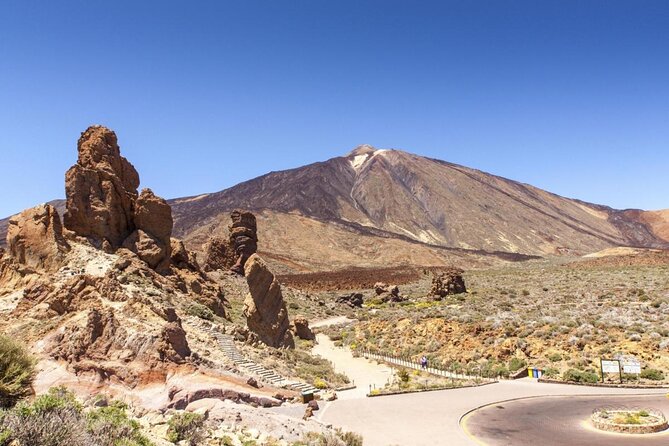
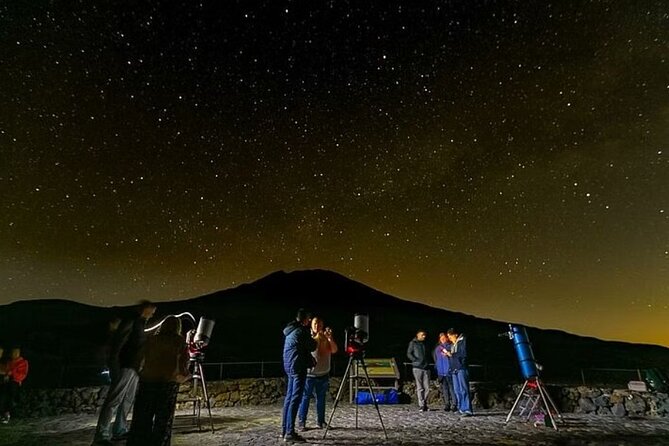
Teide at night is a whole different world. This bus tour turns Volcán El Teide into an astronomy night, with a mountain 3-course Canarian meal, sunset above the sea of clouds, and guided constellation viewing using lasers and big telescopes.
I love that dinner and drinks are handled for you, and I love the expert-led setup with telescopes and astrophotography gear so you’re not just standing in the dark.
One clear consideration: the sky is the boss here—weather can mean delays or a very cloudy night, and it can also get brutally cold once you’re outside.
In This Review
- Teide Night stargazing: quick, practical highlights
- Is this tour right for you (and who should skip it)?
- Getting there from Tenerife: pickup limits and what that means
- The mountain meal before the stars: value and food reality
- Sunset above the sea of clouds: the moment that sets expectations
- Inside Teide at night: lasers, constellations, and telescopes
- Cold weather reality check: how to survive the night outdoors
- Moonlight, clouds, and how much you can realistically see
- Price and value: what $117.11 buys you
- When things go off-script: schedule flexibility and what to do about it
- Should you book Teide Night? My decision guide
- FAQ
- How long is the Teide Night stargazing bus tour?
- What time does the tour start?
- Where does the tour start and end?
- Is hotel pickup included?
- Are there places where pickup is not available?
- What language is the tour offered in?
- What’s included in the meal?
- Do I need to buy an admission ticket for Teide?
- What kind of astronomy experience will I get?
- What if the weather is bad?
- How many people are on the tour?
Teide Night stargazing: quick, practical highlights
- Astronomer-led sky show with lasers pointing out constellations and stories behind how ancient civilizations named them
- Dinner plus drinks included before the sky part, so you’re not hunting for food after a long day
- Sunset above the sea of clouds sets the tone before you head higher for stargazing
- Big telescopes and binoculars for groups (think sharing time, not private viewing)
- Pickup is limited to the south (Costa Adeje and Los Cristianos); elsewhere you’ll meet at Playa de las Américas
Is this tour right for you (and who should skip it)?
This experience fits best if you want an organized, family-friendly stargazing evening at Teide National Park. It’s designed for everyone from kids to grandparents, and that shows in how the guide explains things—there’s room for casual holidaymakers, not only hardcore astronomy fans.
You’ll probably like it most if you want three things in one package: transport, a real evening meal, and guided stargazing. The bus handles the hard part of getting you to the right place at night, which is especially helpful if you’re staying in the south and don’t want to drive in the dark.
That said, if you’re the type who needs peak conditions—totally clear skies, long viewing time, and zero surprises—this is not a guarantee. Weather and safety rules can change the plan, and cold is part of the deal.
You can also read our reviews of more tours and experiences in Tenerife.
Getting there from Tenerife: pickup limits and what that means
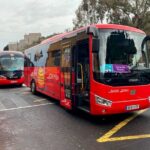
The tour runs about 6 hours, starting around 4:00 pm and ending back at the meeting point. Door-to-door transfers are offered, but only within the south: Costa Adeje and Los Cristianos. If you’re staying farther north, you may need to make your own way to the start.
Here’s the key logistics bit: pickup is not available from Santa Cruz or Puerto de La Cruz. If you’re outside the pickup zone, you’ll meet at Playa de las Américas. When you book, you should include your hotel information so the operator can match you correctly.
Also note the size: the group can be up to 55 people. That number matters at night. You’re not getting a quiet, small-group experience, but you do get a well-run “everyone sees something” setup, with equipment and guidance planned for mixed abilities.
The mountain meal before the stars: value and food reality
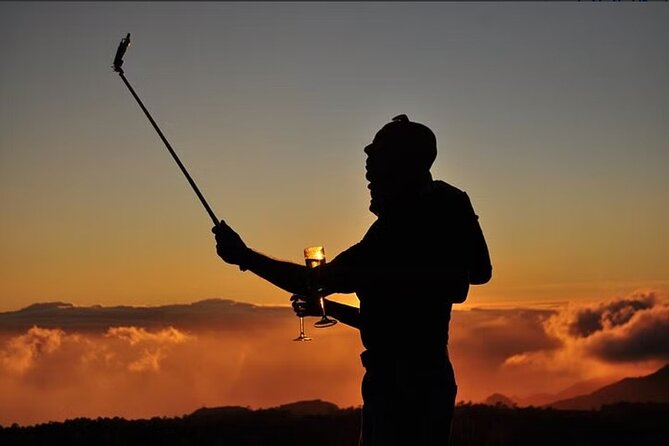
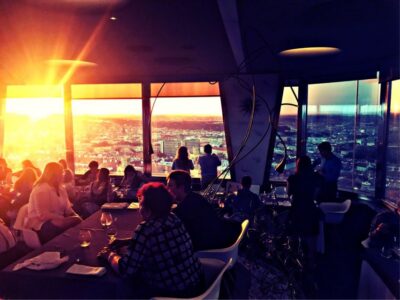
This tour includes a 3-course Canarian meal at a local mountain restaurant. It’s served before sunset and stargazing, which is a smart design. You don’t want to start the night cold, hungry, and watching the sky with your brain stuck in snack mode.
The food is also part of the social experience. A few people highlight that chatting with other guests makes the waiting and transitions feel less awkward. The guide may group guests by language, so you’re not stuck trying to understand everything solo—useful if you don’t speak much Spanish.
One balanced note: the overall quality and temperature of the meal can vary depending on pacing. If the schedule slips (for example from delays or timing issues), food can cool off. I’d treat dinner as “included and decent” rather than “a gourmet highlight.” Still, it’s much better than scrambling for dinner right before a late-night drive.
Drinks are included as well. The exact pour can differ by group and venue timing, but the tour does promise drinks along with the meal—so it’s not a dinner-only add-on.
Sunset above the sea of clouds: the moment that sets expectations
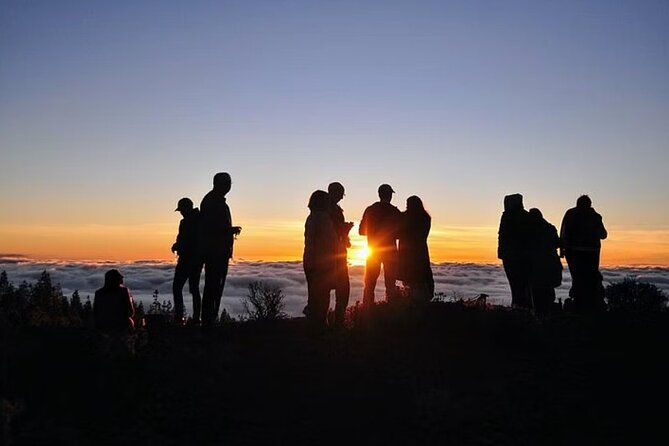
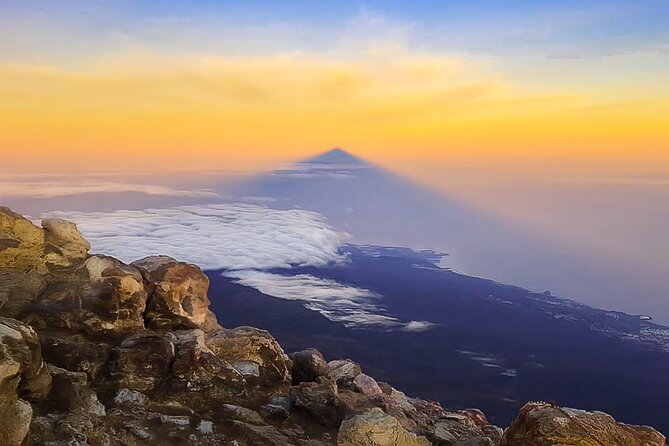
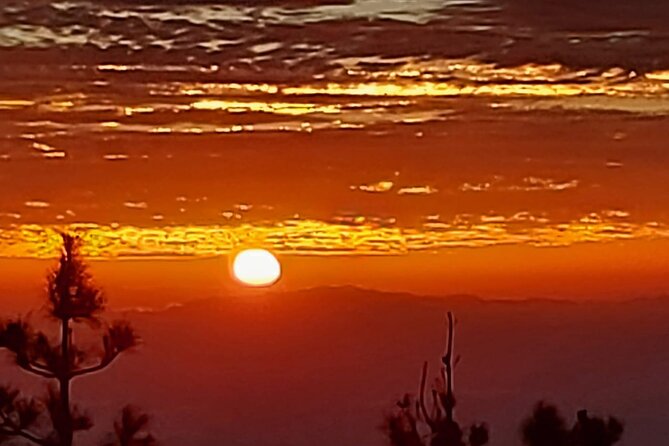
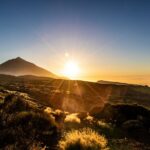
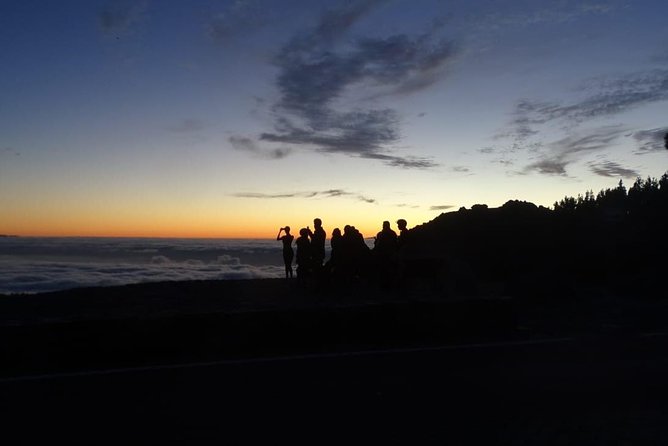
After dinner, you’ll watch sunset from above the sea of clouds. That detail matters. It’s not just pretty scenery—it’s a transition moment, when the world shifts from warm daylight color to dark-sky mode.
The tour is paced so you get the sunset experience, then you move toward the evening astronomy part. If the schedule runs behind, sunset can be partially missed—so if sunset matters a lot to you, this is the one time you should watch your timing expectations.
Even when the stars later aren’t perfect, sunset here often gives you at least one “wow” moment. You’re seeing Tenerife’s high country in a way most people don’t manage on their own, especially without coordinating dinner + transportation.
Inside Teide at night: lasers, constellations, and telescopes
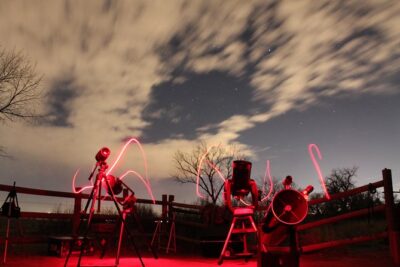
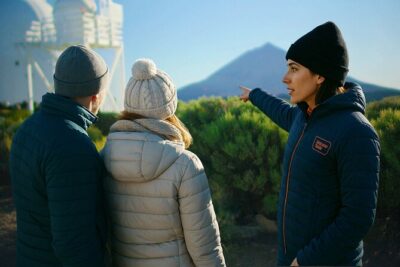
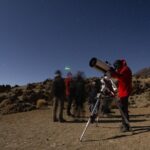
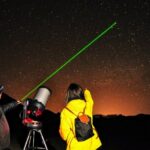
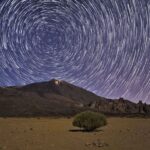
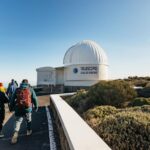
Once it’s time for stargazing, this tour leans heavily on instruction. An astronomer guide leads the sky session and uses lasers to point out constellations. That sounds simple, but it’s the difference between wandering and actually learning what you’re seeing.
You’ll also hear stories about how ancient civilizations named the constellations and how they fit into the sky patterns. It turns star viewing into something you can carry home, not just photos you took on a whim.
Equipment is a major selling point. Expect big telescopes plus binoculars. Groups can be around 30–35 people sharing the viewing time, so it’s not one telescope per person. Plan for some wait between looks and don’t assume you’ll spend 45 uninterrupted minutes at one eyepiece.
There’s also mention of astrophotography gear. You may see it used for demonstrations or setup. If you’re into phone astrophotography, this kind of guidance can help you understand what the equipment is doing—just don’t expect the tour to make you a night-sky photographer overnight.
If you’re lucky with your guide, it can really click. One name that’s been praised in connection with this experience is Hans, described as engaging and genuinely into the night sky. You might meet an astronomer guide with a similar teaching style.
Cold weather reality check: how to survive the night outdoors
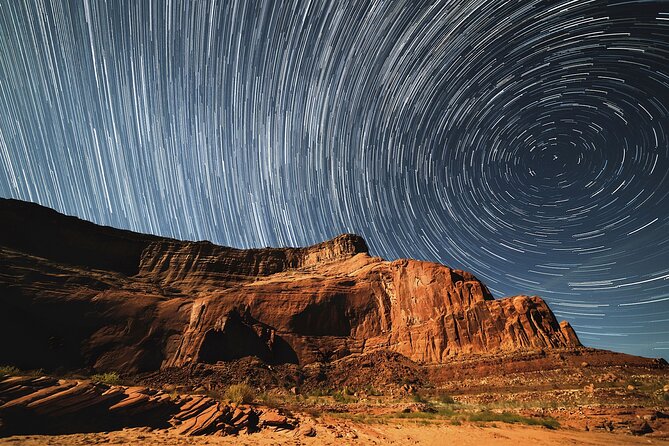
This is the part many people underestimate: it gets cold fast at elevation, and wind makes it worse. One strong takeaway from past experiences is that it can feel like about 35°F / 2°C with wind for long periods outside. That’s not “wear a light jacket and you’re fine” cold.
I’d pack like you’re going snow camping for an hour, not like you’re going to a casual evening show. Bring:
- Warm layers (thermal base + sweater or fleece)
- A hat (wind steals heat from your head)
- Gloves
- A warm jacket you trust
- A small flashlight for walking around in the dark
One practical, slightly awkward note: facilities may be limited once you’re outside in the viewing area. If that matters to you, bring what you need to stay comfortable (for some people, that means tissues/wipes). It sounds silly until you’re standing around freezing and realize you should’ve planned.
If you hate cold, you can still enjoy the stars, but you need to show up prepared.
Moonlight, clouds, and how much you can realistically see
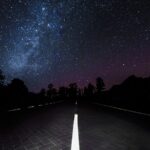
Teide nights depend on the sky. Even with telescopes, the moon can wash out faint stars if it’s bright. Cloud cover is an even bigger issue. On one occasion, a night meant for Saturday clear viewing got postponed, and the rescheduled night ended up fully cloudy—no stars at all.
You can’t control that. What you can control is your expectations:
- If the sky is clear, you’ll get a guided constellation experience and real telescope viewing.
- If it’s only partly clear, you might still learn the major constellations, but details can fade.
- If it’s cloudy, the night can be dramatically less impressive, even if the guide does everything right.
Safety rules also matter. Conditions can shift with altitude, and official park guidance can override the original plan. That’s not a “marketing problem”—it’s how Teide’s night-sky experiences stay safe.
Price and value: what $117.11 buys you
At $117.11 per person, this tour is priced like an evening package, not a simple bus ride. Here’s what you’re paying for in plain terms:
- Hotel pickup/transfer (in the south zone)
- A 3-course meal plus drinks
- An astronomer guide running the constellation session
- Equipment access like big telescopes and binoculars
- Free admission ticket (admission ticket is listed as free)
- A plan that bundles sunset + stargazing into one evening
If you tried to recreate this yourself, you’d likely spend time coordinating dinner, timing, and transport—then pay for a separate astronomy guide or telescope experience anyway. So the value is strongest when:
1) you’re staying within the pickup zone,
2) you show up warm and ready, and
3) the weather cooperates enough for viewing.
The downside side of value is risk. If weather forces changes, the experience may feel shorter or less satisfying than you hoped. And if something goes wrong with transport, you may lose time at the higher viewing point. Those issues aren’t guaranteed, but they are real enough to factor into your decision.
When things go off-script: schedule flexibility and what to do about it
This is a tour that depends on external conditions, especially weather. If the sky isn’t cooperating, the operator may adjust timing or shift to a different date. That’s frustrating when you’ve planned around Saturday/Sunday, but it’s better than rushing into unsafe conditions.
To protect yourself:
- Book if you have flexibility in your Tenerife dates.
- Avoid making tight plans for late-night times after the tour.
- Bring layers so you can handle plan changes without suffering.
The guides do try to salvage the night if plans shift. Even when viewing quality drops, they still work to show you what they can with telescopes at the best available point. Still, a cloudy night can beat even the best effort.
Should you book Teide Night? My decision guide
Book this tour if you want a structured, guided Teide stargazing evening that includes dinner, drinks, pickup, and real astronomy gear. It’s a smart value when you’re in the south and you’d otherwise have trouble coordinating transport and timing for a night at Teide.
Skip it or think twice if:
- you cannot tolerate disappointment from weather changes,
- you’re very sensitive to cold and won’t pack warm gear,
- you need a guaranteed long, clear viewing session no matter what.
If you do book, do it with the right mindset: this is a night-sky experience built around experts and equipment, but it still lives and dies by the sky. Pack for the cold, arrive ready for learning, and you’ll get far more out of it—cloudy night or clear one.
FAQ
How long is the Teide Night stargazing bus tour?
The tour lasts about 6 hours (approx.).
What time does the tour start?
It starts at 4:00 pm.
Where does the tour start and end?
It starts at Playa de las Américas, Santa Cruz de Tenerife, Spain, and ends back at the same meeting point.
Is hotel pickup included?
Pickup is offered door-to-door, but only from the south of Tenerife within Costa Adeje and Los Cristianos. Otherwise, you meet at the starting point.
Are there places where pickup is not available?
Yes. There is no pickup from Santa Cruz or Puerto de La Cruz.
What language is the tour offered in?
The tour is offered in English.
What’s included in the meal?
A 3-course Canarian meal is included, along with drinks.
Do I need to buy an admission ticket for Teide?
The admission ticket is listed as free.
What kind of astronomy experience will I get?
An astronomer guide leads the session, pointing out constellations using lasers, with access to big size telescopes and astrophotography gear.
What if the weather is bad?
This experience requires good weather. If canceled due to poor weather, you’ll be offered a different date or a full refund.
How many people are on the tour?
The tour has a maximum of 55 travelers.