REVIEW · SEOUL
From Seoul: Aegibong Starbucks Observatory & DMZ View
Book on GetYourGuide →Operated by VIP Travel · Bookable on GetYourGuide
Starbucks, but with a DMZ view. I love the North Korea view you get from the Starbucks level at Aegibong Peace Park, and I love how the walk takes you across the park’s suspension bridge and into the Jogang area with context, not just sight-seeing. One drawback to plan for: this is a viewpoint-focused outing, not a full day of going deeper into the DMZ zones.
You’ll ride out with a live English-speaking guide, then spend the morning moving through Aegibong Peace Eco Park and the exhibition areas before settling in at Jogang Observatory. It’s only 5 hours end to end, which means you can still make room for Seoul plans after.
In This Review
- Key things that make this tour worth your time
- Aegibong Peace Park Starbucks: a coffee break with real geopolitical weight
- Inside the Aegibong Peace Eco Park walk: gardens, river context, and myth-soaked history
- The 112-meter suspension bridge: short adrenaline, long payoff
- Exhibition Hall and Jogang River windows: what you see, what you miss, and how to fix that
- Jogang Observatory: the closest outdoor feeling of the North Korea side
- What the guide actually adds: Korean War context you can understand
- Suspension bridge photos, observatory time, and pacing: how the 5 hours feels in real life
- Price and logistics: is $45 really good value?
- Who this tour suits best (and who might want another option)
- Should you book this Seoul-to-Aegibong DMZ view Starbucks tour?
- FAQ
- Do I need a passport for this tour?
- What are the main stops during the 5-hour experience?
- Are food and drinks included in the price?
- Is the tour guide available in English?
- How long is the tour?
- Can I get a refund if I cancel?
- Where do I get picked up and where do I end?
Key things that make this tour worth your time

- The closest-feeling Starbucks to the DMZ view: the café sits up at the Aegibong Peace Park upper level, right where you want the photos.
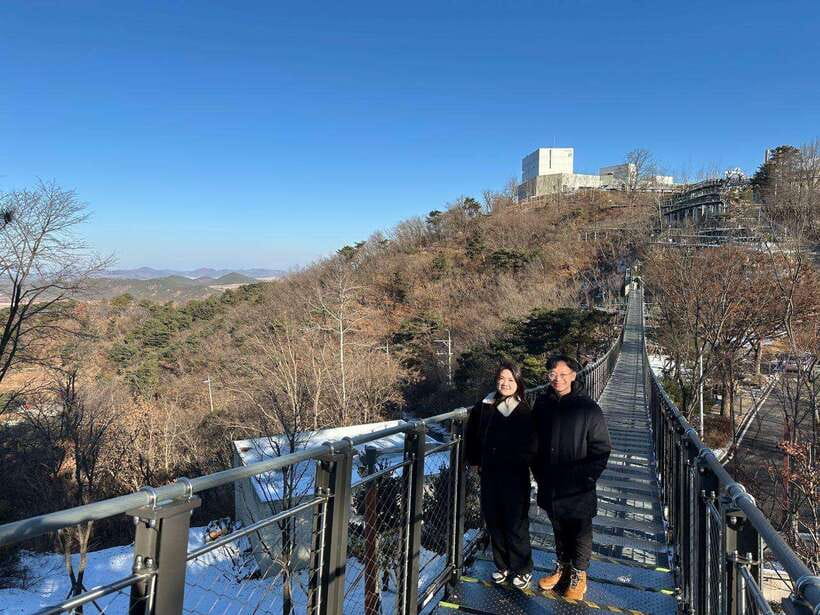
- Suspension bridge energy, in a quiet setting: a 112-meter bridge connects the themed gardens to the Sky Forest Garden.
- Jogang Observatory is the money stop: the outdoor viewing spot highlights Gaepung-gun in North Korea from about 1.4 km away.
- Exhibition Hall windows + video screens: you can study the Jogang River area through big windows and supporting video content.
- Guides who make the Korean War make sense: many guests singled out guides like Eva, Crystal, Hana, Gogo, and Yuna for clear, engaging explanations.
- Comfortable, low-stress transportation: the ride is a big part of the appeal, and people repeatedly praised it as smooth and well organized.
Aegibong Peace Park Starbucks: a coffee break with real geopolitical weight
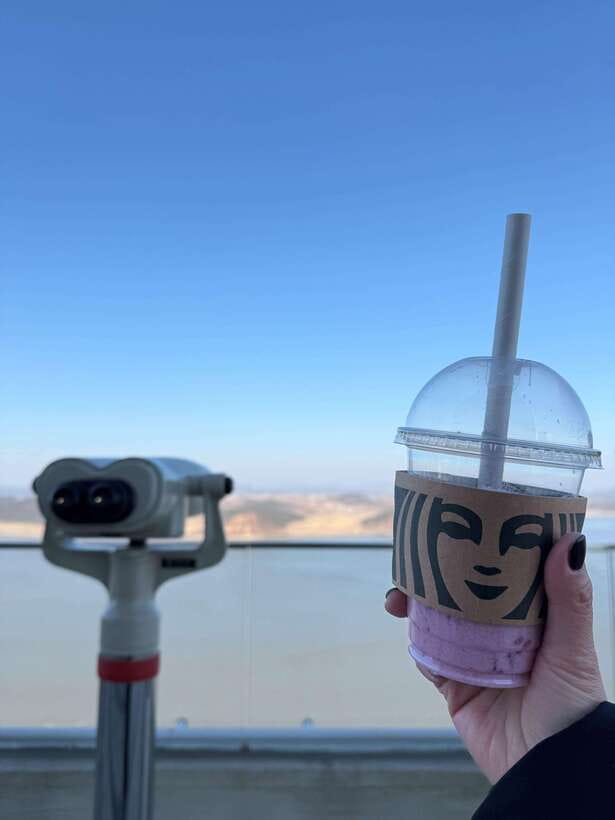
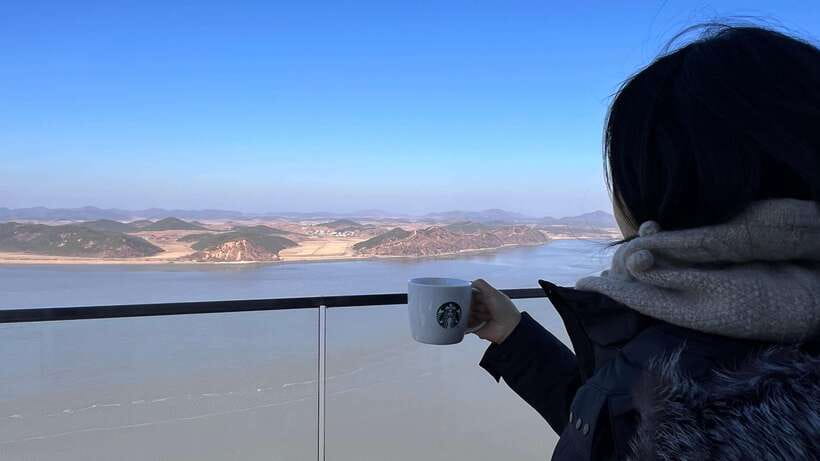
This isn’t your normal Starbucks stop. The café is placed right inside Aegibong Peace Park’s upper floor area, so your drink break turns into a front-row seat for the Jogang River region and the North Korea side you’re here to see.
I like that the design forces a pause. You’re not just rushing to a single photo. The building layout—especially the Exhibition Hall nearby—helps you understand what you’re looking at before you look again from outside.
The big practical win is the viewpoint angle. When you’re standing by those large front windows in the Exhibition Hall and then stepping back outside, the “what am I seeing?” question gets easier. And yes, you can grab coffee or a snack on site, which matters because the tour price doesn’t include food.
You can also read our reviews of more tours and experiences in Seoul.
Inside the Aegibong Peace Eco Park walk: gardens, river context, and myth-soaked history
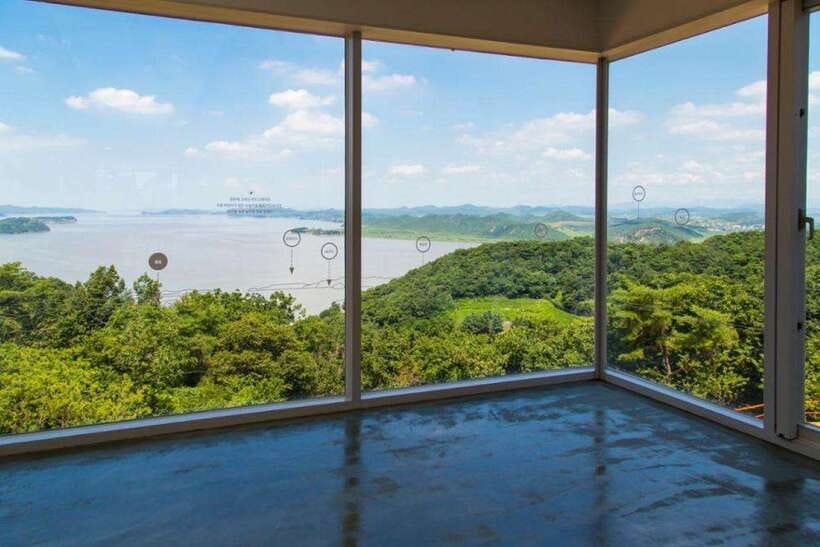
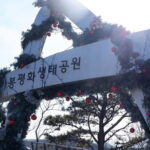
The day starts with Aegibong Peace Eco Park, with a guided walk plus scenic stops along the way. Expect time to stretch your legs, take photos, and get oriented to the hilltop setting.
The themed parts of the park aren’t just decorative. This area sits on Hill 154 along the Gyeonggi-area boundary, and its original name—Ssukgatmeori Mountain—comes from the daisy-crown look of the place. That small detail gives you a better sense of why locals remember the ground itself, not just the border.
You also get story layers. The park ties into a heartwrenching myth passed down for generations about the Governor of Pyeongan Province and Aegi during the Qing invasion of Joseon. It also connects to the Korean War as a strategic military point where fierce fighting took place. In other words, the walk isn’t only pretty. It’s also a timeline you can feel under your feet.
And if you care about nature, the Jogang River area is described as an ecosystem that became important after decades of people stopping visits. The name Jogang—meaning a large river—fits the scale of what you’re viewing, and the context helps it feel less like a distant spectacle and more like a real place with real consequences.
The 112-meter suspension bridge: short adrenaline, long payoff
At some point you’ll cross the suspension bridge that links the themed gardens to the Sky Forest Garden. It’s 112 meters long, and it’s the kind of stop that turns a “border tour” into a physical experience—wind, movement, and that quick adrenaline hit you didn’t get from a museum.
This is the moment where I’d tell you to slow down. Take a photo, sure, but also watch how the viewpoints open up as you cross. The bridge is a connector, not just an attraction. It helps you understand how the park’s design guides your sightlines toward the Jogang area.
Even when the weather isn’t perfect, the bridge moment still works. One of the consistent themes in feedback was that foggy or cloudy conditions didn’t ruin the experience—because the tour isn’t only about one bright-day view. You’ll still have time in the observatory area to adjust your angles and find your best photo spots.
Exhibition Hall and Jogang River windows: what you see, what you miss, and how to fix that
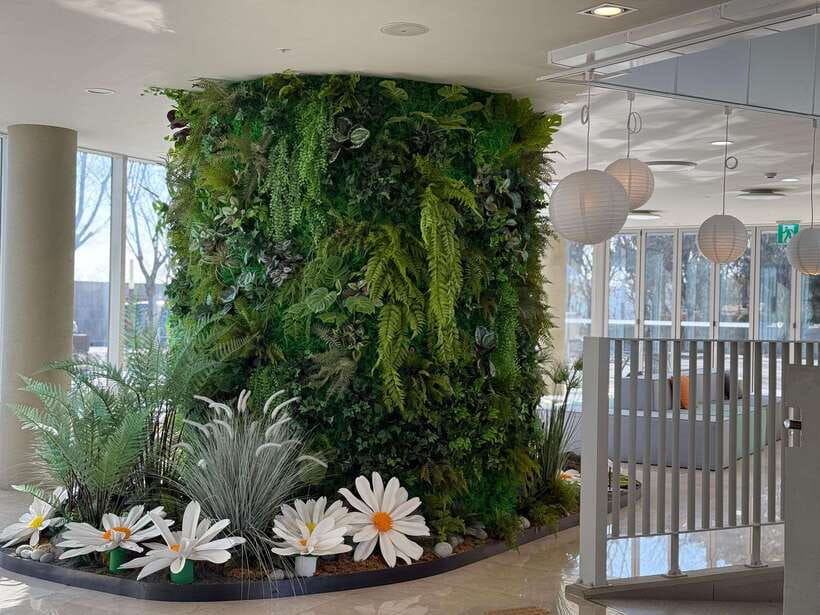
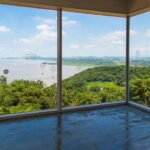
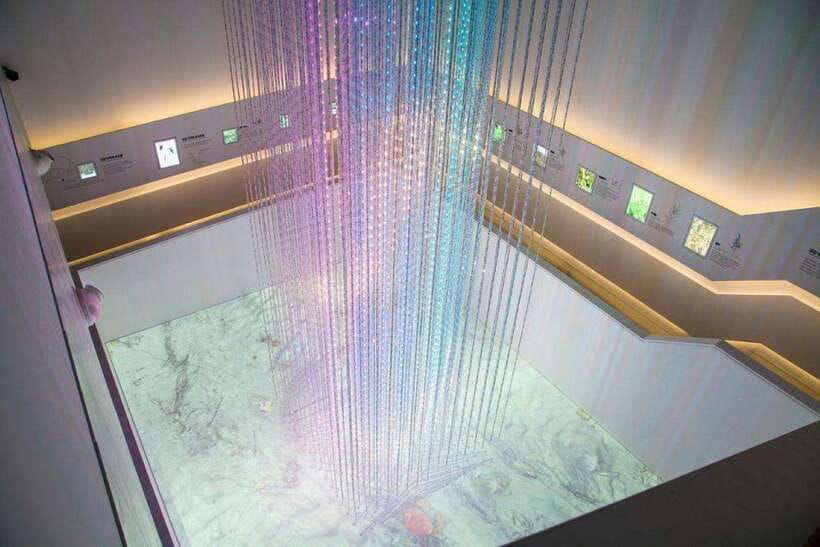
The Exhibition Hall is on the second floor, and it’s built around the Jogang River area. You can look through large front windows, and you’ll also see videos related to the river and the region.
This matters because the North Korea view can be hard to interpret on first glance. From far away, everything looks like shapes and buildings. The exhibition content helps you place those shapes into a story—river geography, historical change, and why neutrality at the Hangang River estuary mattered in the ceasefire agreement era.
A useful detail from the background: Jogang River is downstream of Hangang, where the Imjingang, Hangang, and Yeseonggang Rivers meet before flowing into the West Sea. That “big river” concept isn’t trivia. It explains why this area became both strategically important and, later, an environmental refuge for species after years of reduced human activity.
So when you stand at those windows, you’ll get more than a photo. You’ll get orientation. And once your orientation clicks, the outdoor observatory stop feels sharper.
Jogang Observatory: the closest outdoor feeling of the North Korea side
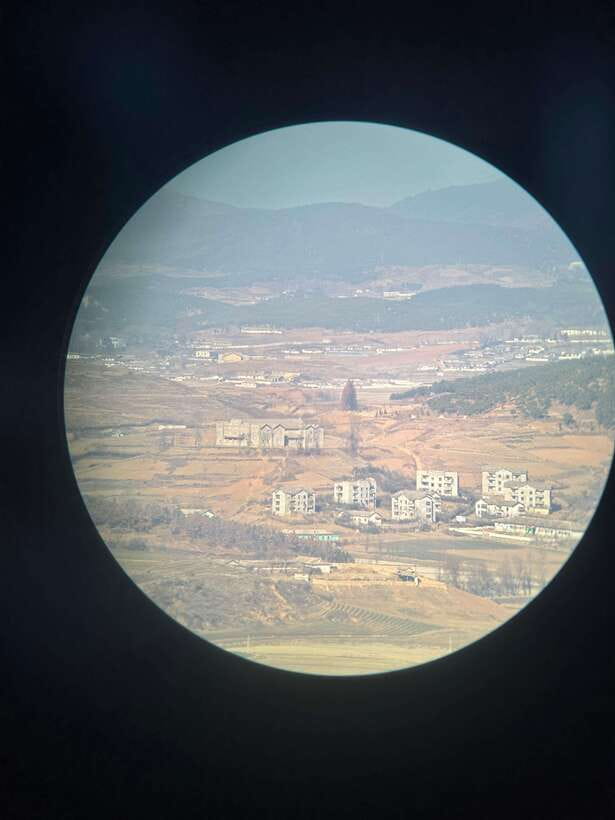
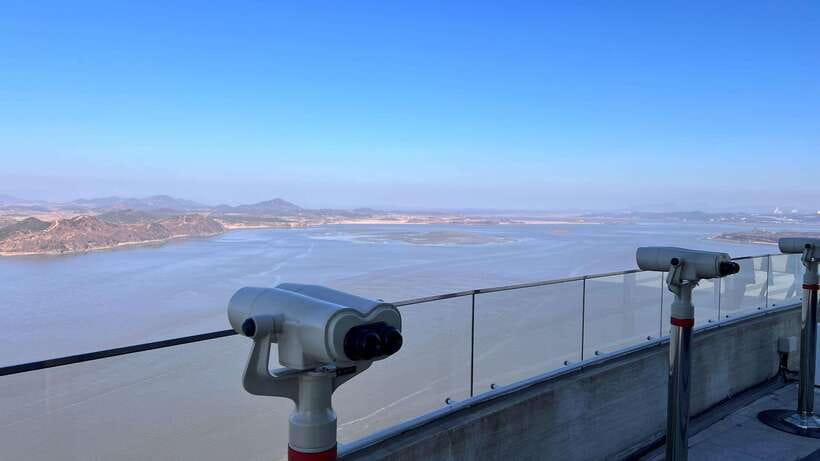
The outdoor Jogang Observatory is the centerpiece for many people, and it’s described as showing the heartrending beauty of Gaepung-gun in North Korea from a distance of about 1.4 kilometers. Even if you already know the DMZ basics, this specific observatory setup changes the experience from abstract to real.
You’ll have a photo stop plus a guided visit and time to walk around. From the feedback pattern, the pace here is intentional: you’re given enough time to actually see, not just stand for a minute and leave.
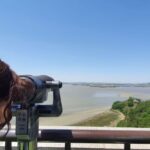
One practical bonus: telescopes are available. If you want a closer look, this is where you should spend your time instead of overusing your phone zoom. A quick tip—spend the first few minutes choosing your spot, then rotate between telescope viewing and wide-angle photos. Your brain needs both.
If the weather turns, don’t panic. Fog and clouds can soften contrast, but the observatory still delivers because you’re not stuck with only one angle. You can reposition, and the overall setting remains worth the detour.
What the guide actually adds: Korean War context you can understand
This tour lives or dies on the guide. The good news: many guides get praised for making the Korean War and today’s tensions understandable without turning it into a lecture.
Names that showed up often in strong feedback include Eva, Crystal, Hana, Gogo, Alex, Yuna, Diana, Lina, Alice, Lily, and Ray. Across these guides, the repeated compliment is clarity—English that’s easy to follow and explanations that tie the scenery to the bigger story.
Another helpful theme: guides often answer questions on the spot and can tailor their explanations to what you care about. Some guests even noted that guides gave restaurant advice for later in Seoul. That’s not required, but it’s a nice bonus if you want your day to connect instead of ending abruptly at the bus door.
If you want to maximize value, ask one question early. Something like: What am I looking at right now, and why is this view possible from here? Then listen for the answer while you move through the windows and out to the observatory. The tour stops start to click together.
Suspension bridge photos, observatory time, and pacing: how the 5 hours feels in real life
The schedule is short, which is part of its appeal. You’ll spend around 1.5 hours at Aegibong Peace Eco Park and about 1.5 hours at Jogang Observatory, with the transportation and guided handoffs filling out the rest of the day.
This pacing tends to work best when you like structured time. You get enough walking and viewing to feel like you did something meaningful, but you’re not trapped on the road all day. Multiple comments praised how the observatory time felt sufficient—enough to see everything, have a coffee at the Starbucks café, and still feel unhurried.
Transport seems to be a strong point. People described rides as smooth and comfortable, including mentions of mini buses with A/C and Mercedes-style buses. That matters on a day that’s half learning and half standing outside. The less you worry about the ride, the more you’ll enjoy the viewpoint.
One consideration: the day is not food-included. That means you should plan either to buy on site (Starbucks is there for a reason) or to eat before and after. If you skip this planning, you’ll feel it during the outdoor sections.
Price and logistics: is $45 really good value?
At about $45 per person, you’re paying for round-trip transportation, a live English guide, and all entrance fees. Food and drinks are not included, so treat this as a “paid access + paid guidance” day rather than a “free snacks and unlimited coffee” day.
Here’s how I’d judge the value for your wallet. This price becomes a deal if you want the guide’s interpretation and you don’t want to manage public transport to a remote viewpoint yourself. It also becomes better value if you care about timing—knowing you’ll reach Jogang Observatory with enough time to actually use the telescopes.
It can be less appealing if you’re the type who wants full flexibility to roam and linger on your own. Since it’s structured around specific stops, you’ll follow the group pace. Still, the balance looks good: short day, meaningful viewpoint, and entry covered.
One mandatory detail: bring your passport. The activity explicitly calls for it.
Who this tour suits best (and who might want another option)
This is a great fit if you want a DMZ-adjacent experience without committing to an all-day outing. You get a serious viewpoint, guided historical framing, and a photo-friendly stop at a very unusual Starbucks location.
It’s also a solid choice for second-time DMZ visitors. If you’ve already done a big DMZ itinerary and want something closer and calmer, Aegibong’s setup feels more relaxed while still giving you the North Korea side angle.
Families and mixed-age groups can do well here too, mainly because the day is short and the guide portion helps everyone follow along. If you’re traveling solo, it can also be a relief to have transportation handled and a guide to translate the meaning of what you’re seeing.
If you’re specifically hunting for full DMZ access with that kind of strict itinerary depth, you might feel you’re getting a viewpoint version rather than an intense border-crossing day. But if your priority is understanding and seeing the divide from a close observatory, this hits the mark.
Should you book this Seoul-to-Aegibong DMZ view Starbucks tour?
Yes—if you want a focused, 5-hour outing that blends history with a real North Korea view from a dedicated observatory, and you like the idea of pairing it with coffee and a slow, scenic walk.
Book it especially if you value guidance. The strongest feedback patterns point to guides like Eva, Crystal, Hana, Gogo, and Yuna for clear explanations and an engaging pace. That kind of context is what turns a border photo into a memory that makes sense later.
Skip it only if you need food included, want lots of free time to wander off-script, or are chasing a deeper DMZ access itinerary rather than an observatory-based view.
FAQ
Do I need a passport for this tour?
Yes. The activity lists a passport as the required item to bring.
What are the main stops during the 5-hour experience?
You’ll visit Aegibong Peace Eco Park and then go to Jogang Observatory for sightseeing and photos. The Starbucks café is located at the top floor at Aegibong Peace Park, and you’ll also be in/near exhibition areas with views and video content.
Are food and drinks included in the price?
No. Food and drinks are not included. The Starbucks café on site is there for you to buy coffee or a bite if you want.
Is the tour guide available in English?
Yes. The tour includes a live tour guide in English.
How long is the tour?
The duration is 5 hours.
Can I get a refund if I cancel?
Yes. You can cancel up to 24 hours in advance for a full refund.
Where do I get picked up and where do I end?
Pick-up options include Myeong-dong, Hongik Univ. Station Exit 3, and The Plaza, Autograph Collection in Seoul. The tour finishes at Hongik University Station Exit 4, and the exact meeting point can vary by the option you book.