REVIEW · SEOUL
DMZ 2nd Tunnel and Cheorwon Peace Observatory with Admission
Book on Viator →Operated by Korea Season Tour · Bookable on Viator
A place where history still feels close. This private DMZ outing pairs the 2nd Tunnel with major Cheorwon viewpoints, so you don’t just see sites—you learn how and why they matter. I especially like the way you go in with your own vehicle (so the day feels smoother), and I like that the stops are built around real stories that connect to what Koreans still feel about reunification. One thing to consider: it’s a long, structured day, and lunch isn’t included.
You’ll spend roughly 8 hours moving through the Cheorwon area, with pickup offered and an air-conditioned vehicle included. Before entering the DMZ zone, you’ll register at the DMZ Cheorwon Peace Center and follow a lead vehicle in a single-file line—no switching over to a different tour bus. The trade-off is that the schedule is tight, so plan to keep your day flexible and be ready for early-ish logistics.
In This Review
- Key highlights you’ll care about
- Why this DMZ route feels different from the typical bus day
- DMZ Cheorwon Peace Center: your first history lesson, right at registration
- The 2nd Tunnel: underground cold-war reality, measured in 300 meters
- Cheorwon Peace Observatory: monorail views plus battle and propaganda context
- Woljeongri Station: the train wreck and a war that didn’t stay in the past
- Price and value: is $245.29 a fair trade for an 8-hour DMZ day?
- What it’s like on the ground (and how to prepare)
- Who should book this DMZ experience, and who might think twice
- Should you book the DMZ 2nd Tunnel and Cheorwon Peace Observatory tour?
- FAQ
- How long is the DMZ 2nd Tunnel and Cheorwon Peace Observatory tour?
- Is pickup offered?
- Do I need to switch into a different group bus when entering the DMZ?
- What do I do at the Cheorwon Peace Center before entering the DMZ?
- What’s included with admission?
- Is lunch included in the tour price?
- How far can you go inside the 2nd Tunnel?
- What can you see from the Cheorwon Peace Observatory?
- What is included for getting up to the observatory top?
- Is this tour only for your group?
- What if plans change and I need to cancel?
Key highlights you’ll care about
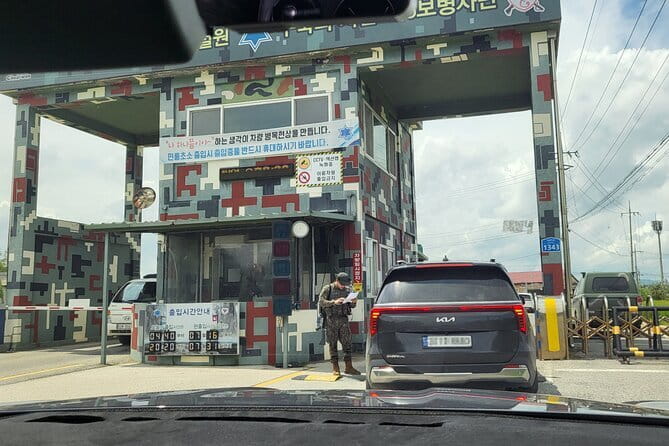
- Private transportation with your own vehicle while staying organized in a single-file line
- DMZ Cheorwon Peace Center registration (license number and visitor names) before you enter
- 2nd Tunnel access up to about 300 meters from the military demarcation line
- Cheorwon Peace Observatory monorail round trip to save energy on the climb
- Clear, story-driven history taught by guides such as Jun, Moon, or Wendy
- Woljeongri Station train wreck tied to Korean War history behind the station building
Why this DMZ route feels different from the typical bus day
Most DMZ tours have a factory feel: meet, transfer, wait, repeat. This one is built around private transportation, which changes the mood right away. You start in comfort with air-conditioning, and once you’re in the DMZ process, you stay in your own vehicle while following the lead vehicle.
That matters because the DMZ is not just sightseeing. It’s controlled space, and you’re moving through it with rules. The single-file setup keeps things orderly without the extra stress of changing vehicles mid-day. You still get the official, structured experience—you just avoid the “herded into another bus” moment.
Another plus: the itinerary is compact but not shallow. You hit four distinct areas—registration center, tunnel, observatory, and Woljeongri Station—so you end the day with multiple angles on the same conflict: underground warfare, battlefield memory, strategic geography, and war damage still visible in place.
You can also read our reviews of more tours and experiences in Seoul.

DMZ Cheorwon Peace Center: your first history lesson, right at registration
Your first stop is the DMZ Cheorwon Peace Center, where you register the vehicle’s license number and your group visitors’ names. This isn’t just paperwork. It’s the moment where the trip shifts from normal travel into controlled entry territory.
What I like about starting here is that it trains your brain before you see anything dramatic. You get oriented to what you’re about to do and why the DMZ is treated differently from an ordinary museum setting. It also sets expectations: you’re entering a zone that has been preserved and controlled for decades.
One detail that helps planning: unlike some DMZ formats, you don’t need to switch into a different group tour bus. You stay with your own vehicle for the entry process, then follow the lead car in a single-file line. If you’re sensitive to “waiting and transferring,” this is a big quality-of-life win.
The 2nd Tunnel: underground cold-war reality, measured in 300 meters
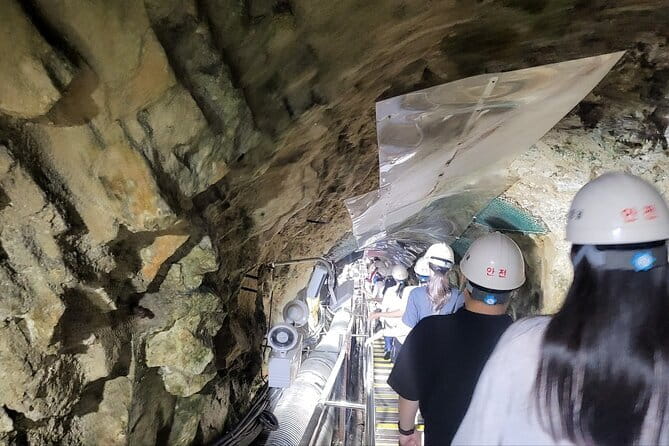
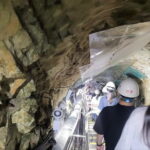
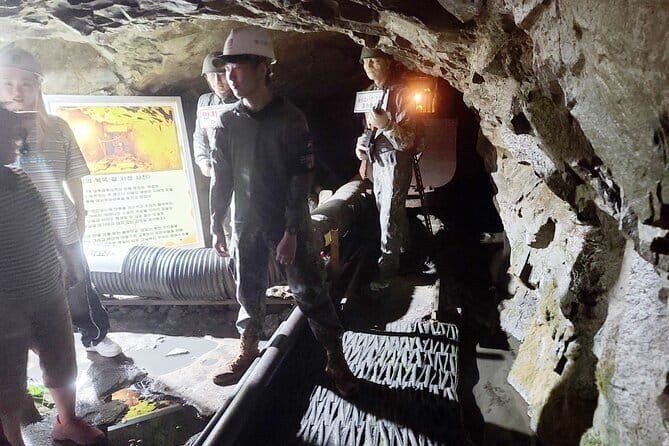
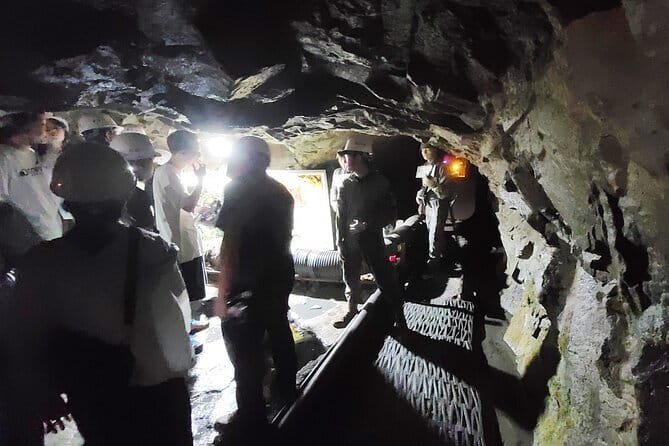
The 2nd Tunnel is the main “hands-on” feeling stop. It was discovered on March 24, 1975, after two soldiers reported hearing explosions during their sentry duty on November 20, 1973. Those dates matter because they tell you the tunnel wasn’t found in a neat, movie-like way—it was detected through military observation and then confirmed through excavation.
Here’s why this tunnel is worth your time versus other DMZ tunnel options. The 2nd Tunnel is described as twice longer and deeper than the 3rd Tunnel, and visitors can explore inside up to a point about 300 meters away from the military demarcation line. That “how far you can go” detail is a reality check. You’re close enough to feel the confined space and the purpose-built nature of the route, but you don’t cross the line.
Inside the tunnel area, expect a strong shift in mood. You’re moving through a structure designed for movement and secrecy. Even without extra theatrics, being underground with restrictions gives you a physical sense of what underground infiltration meant—sustained effort, risk, and planning, all aimed at the DMZ boundary.
Also, this stop tends to stick with people because it’s not just a photo-op. It’s a guided walk where your body understands the space before your brain finishes the story. If you’re traveling with kids, it often lands as a memorable lesson because you can’t “zoom past” the experience.
Cheorwon Peace Observatory: monorail views plus battle and propaganda context
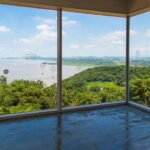
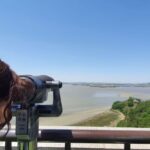
The Cheorwon Peace Observatory is where you swap the tunnel’s tight space for wide strategic sightlines. The key convenience here is the monorail round trip included with admission—so you can get up to the top without burning all your energy on the climb.
From the observatory, you’ll look out over several themed areas and historical references, including:
- the ecosystem and the preserved natural environment,
- the Battle of Blood Ridge (with 1,250 North Korean soldiers and 1,030 South Korean soldiers sacrificed),
- the story around Kim Il-sung’s high land, including his reaction after losing Cheorwon land,
- the fortress of Gung-Ye Castle town,
- the Pyeonggang tableland, and
- the propaganda town of North Korea visible in the DMZ.
The observatory’s value is how it connects terrain to human decisions. When you stand higher and see the shape of the land, the battle references feel less abstract. You start to understand why “high ground” and key positions mattered, and why both sides kept returning to the same geography.
One more thing I appreciate: the tour notes that the DMZ has been left relatively untouched for over 70 years, and that it has become home for migratory birds, cranes, and other animals. That ecological layer makes the observatory more than a war-stats display. It turns the DMZ into a place where history and nature coexist—still controlled, still emotional, but also alive.
Woljeongri Station: the train wreck and a war that didn’t stay in the past

The last stop is Woljeongri Station. Behind the station building, you can still see the wreck of a train bombed during the Korean War. The train was used by the North Korean army and was bombed by U.N. forces.
This is a quieter, heavier stop than the tunnel. The observatory gives you context from above; Woljeongri brings it back to objects and damage—something you can see remains of. It’s also a reminder that war wasn’t only trench lines and tunnel plans. It moved through transportation routes, logistics, and supply.
If you like your history grounded in physical evidence, this fits. It also rounds out the day: underground movement (tunnel), battlefield memory (observatory), and the tangible aftermath (station wreck). By the time you finish here, you’ve seen how the conflict shaped both the land and the infrastructure around it.
Price and value: is $245.29 a fair trade for an 8-hour DMZ day?

At $245.29 per person, this tour isn’t cheap—but it can feel fair once you count what’s included. You’re paying for:
- air-conditioned private transportation,
- DMZ admission fees,
- a round-trip monorail ticket for the observatory,
- bottled water, and
- the guided structure that keeps the entry process organized.
The big value factor is the mix of cost-saving and effort-saving. The monorail inclusion reduces your physical load, and private transportation reduces the friction of transferring between buses. On a DMZ outing, that matters more than it might on, say, a city walking tour.
What’s not included is lunch (15,000 KRW per person). If you’d rather avoid restaurant decisions during a controlled day, you can plan ahead by budgeting for that meal. Also note: the tour is built for a full day, roughly 8 hours, so you’re paying for time, access, and the specific DMZ components.
A practical tip for judging value: if you want the tunnel plus both Cheorwon stops, you’re essentially bundling multiple admission-related components into one day. If you were to piece those parts together, you’d likely spend time coordinating access and transport yourself—something this tour handles for you.
What it’s like on the ground (and how to prepare)
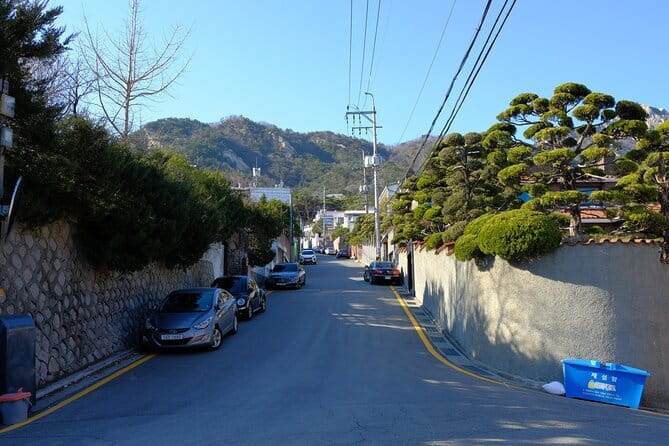
This is not a casual “drive around and take photos” outing. The DMZ is controlled space, and the tour follows rules such as registering in advance and traveling in a single-file line behind a lead vehicle.
To make the day easier on you:
- Wear comfortable shoes. The observatory and station area involve walking.
- Bring something light for weather changes. You’ll be out in open viewing zones at the observatory.
- Plan for lunch cost (15,000 KRW). Don’t assume it’s covered.
- Keep your expectations realistic: this is a history-and-sight experience with set pacing, not a free roam day.
One more emotional note—this kind of trip often lands because it connects to how many Koreans think about reunification. The tour is described as educational for both adults and children, including the idea that many students visit DMZ as a lesson from the Cold War era. You’ll feel that teaching tone as you move from tunnel to viewpoints to war aftermath.
Who should book this DMZ experience, and who might think twice
You’ll likely love this tour if:
- You want structured, educational history in a short, organized day.
- You’re interested specifically in the 2nd Tunnel, not just “one DMZ stop and done.”
- You’d prefer private transportation rather than transfer-heavy group logistics.
- You’re traveling with kids who can handle a long but guided day.
It may be less ideal if:
- You hate tight schedules or controlled routes.
- You’re uncomfortable in enclosed spaces, since the tunnel stop involves walking inside.
- You want a fully flexible day with lots of independent exploration. This tour runs to its own plan.
Should you book the DMZ 2nd Tunnel and Cheorwon Peace Observatory tour?
If your goal is a DMZ day that feels efficient, educational, and focused on major Cheorwon sites, I think this is a strong choice. The mix of 2nd Tunnel access, Cheorwon Peace Observatory views with monorail, and Woljeongri Station makes the day feel complete rather than scattered.
Book it if you want the “meaning” alongside the facts—because you’re not just looking at structures, you’re learning the stories tied to the land. Skip it only if you know you don’t do well with guided pacing, enclosed tunnel walking, or a long day where lunch is on you.
If you want, tell me your travel dates and whether you’re going with kids. I can suggest what to pack and how to pace your day around the 8-hour schedule.
FAQ
How long is the DMZ 2nd Tunnel and Cheorwon Peace Observatory tour?
The duration is about 8 hours.
Is pickup offered?
Yes, pickup is offered.
Do I need to switch into a different group bus when entering the DMZ?
No. You enter the civilian controlled area with your own vehicle and follow the lead vehicle in a single file.
What do I do at the Cheorwon Peace Center before entering the DMZ?
You register the vehicle’s license number and the visitors’ names.
What’s included with admission?
DMZ admission fees are included, and the observatory monorail ticket for a round trip is included.
Is lunch included in the tour price?
No. Lunch is not included, and the cost is listed as 15,000 KRW per person.
How far can you go inside the 2nd Tunnel?
Visitors can explore inside the tunnel up to about 300 meters away from the military demarcation line.
What can you see from the Cheorwon Peace Observatory?
The observatory area includes references to the ecosystem, the Battle of Blood Ridge, Kim Ilsung’s high land, the fortress of Gung-Ye Castle town, Pyeonggang tableland, and North Korea’s propaganda town.
What is included for getting up to the observatory top?
You can take the monorail to the top, and the round-trip monorail ticket is included.
Is this tour only for your group?
Yes. It’s a private tour/activity, and only your group participates.
What if plans change and I need to cancel?
Free cancellation is available up to 24 hours in advance for a full refund. If you cancel less than 24 hours before the start time, the paid amount isn’t refunded.