REVIEW · SAN PEDRO DE ATACAMA
San Pedro de Atacama: Guided Atacama Desert Stargazing Tour
Book on GetYourGuide →Operated by Feel Atacama · Bookable on GetYourGuide
The desert turns the night into a show. This Atacama stargazing tour is timed for real sky time, with a climate-controlled ride out of town, telescope viewing, and a guide who brings Andean cosmovision into the conversation.
I like that you’re not left staring in silence. You get a snack plus a glass of Chilean wine or coffee, then head back with two professional photos from the night. One possible drawback: the sky can look noticeably less dramatic on nights with strong moonlight, and the telescope view may feel basic on certain outings.
In This Review
- Key things to know before you go
- Riding out from San Pedro: the part you’ll actually feel
- The dark-sky stop: chasing the Milky Way’s best mood
- Telescope time: what to expect from the views
- Andean cosmovision under the stars
- Drinks, snacks, and the timing of comfort
- Photos afterward: two professional shots you don’t have to chase
- Weather and moonlight: the two things that really control the sky
- Meeting point and drop-off: simple logistics, fewer stress points
- What to pack for an Atacama night (this is not optional)
- Price and value: what $49 buys in 2 hours
- Who this tour is best for
- Should you book this San Pedro de Atacama stargazing tour?
Key things to know before you go
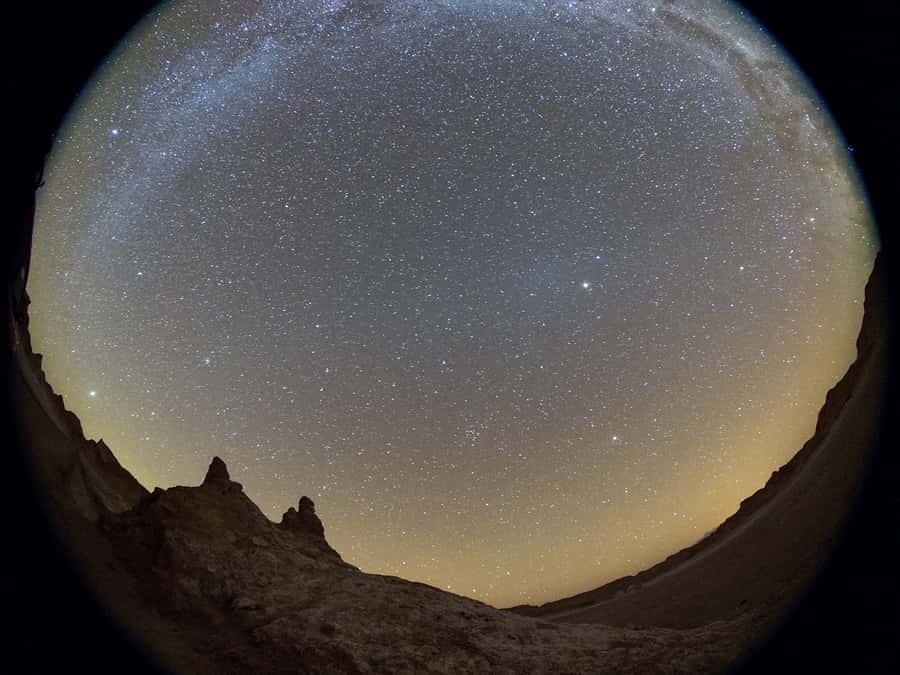
- Dark-sky stop outside San Pedro’s light pollution, when conditions allow
- Telescope viewing with a guide to help you identify what you’re seeing
- Andean cosmovision explained through stories and philosophy, not just astronomy
- Wine or coffee + snack to keep you comfortable during the cold
- 2 professional photos shared after the tour via WhatsApp
Riding out from San Pedro: the part you’ll actually feel
Stargazing tours are often sold as if the stars are the only product. Here, the ride is part of the experience, and I think that matters. You meet in central San Pedro de Atacama at PLAZA APACHETA (the map pin provided shows PLAZA TURISTOUR), then climb into a comfortable, climate-controlled van.
Once you’re moving, the temperature shift starts to make sense. You’re in the Andean high desert, so nights cool down fast. Even if you’ve handled cold before, you’ll appreciate having a warm base to return to after you’ve spent time outside.
The other practical win: getting transported means you don’t have to negotiate dark-sky roads at night. You can keep your focus on one thing: standing still and looking up.
You can also read our reviews of more tours and experiences in San Pedro De Atacama.
The dark-sky stop: chasing the Milky Way’s best mood
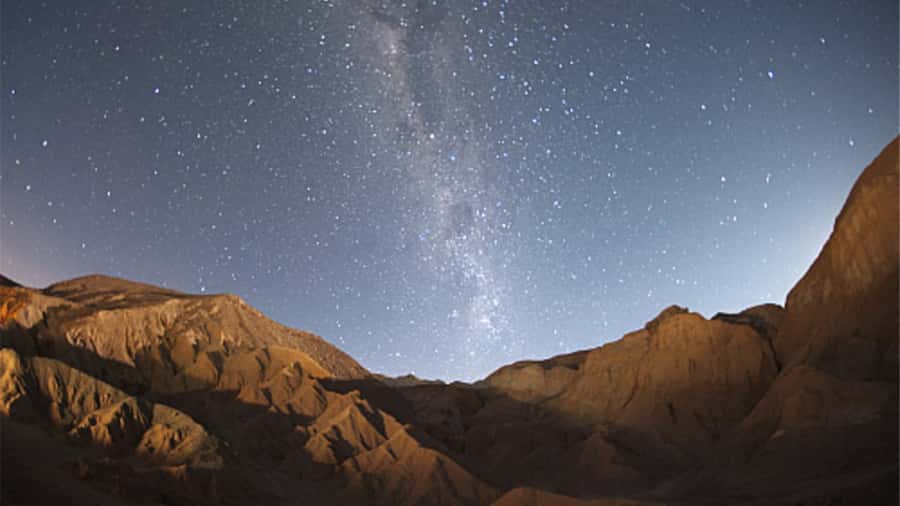
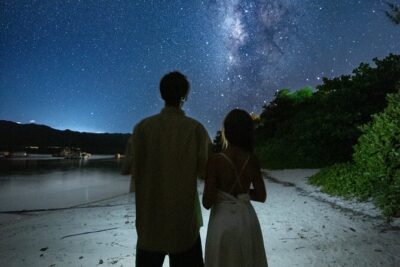
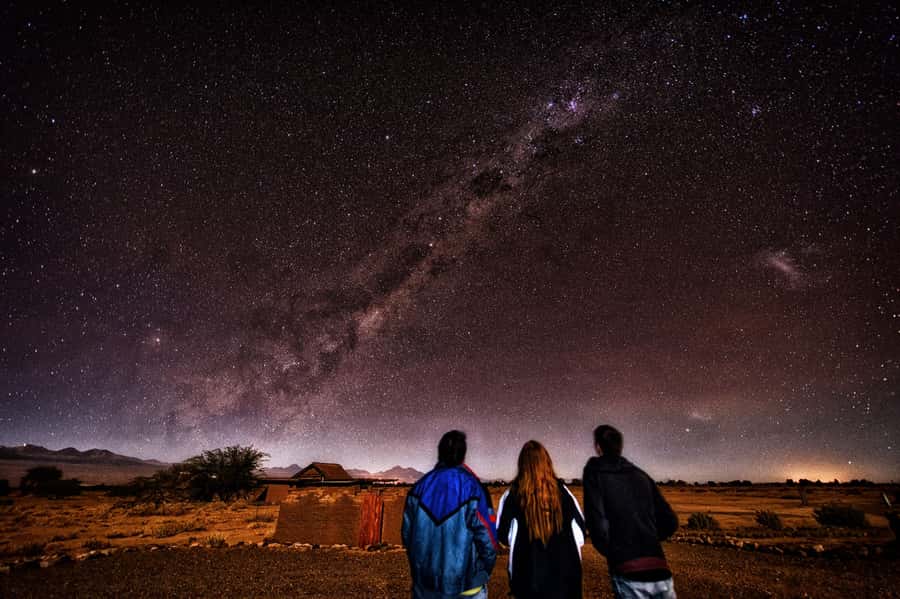
The tour’s big promise is simple: you stop somewhere far enough from city lights to let the sky do its thing. That usually means the stars look sharper, the Milky Way gains contrast, and constellations show up without needing special tricks.
But here’s the reality check worth keeping in your head. One participant noted that, on their night, the observing spot felt very close to the city. If you end up in a location where light pollution is stronger, you might still see plenty, just not the ultra-black sky you dreamed of.
Also, moonlight is the quiet spoiler. A full moon can wash out faint stars, so your view may become more about bright planets and moon-bright sky highlights than a dense, star-packed backdrop. If you’re planning around the lunar calendar, this tour will feel best on darker nights.
Telescope time: what to expect from the views
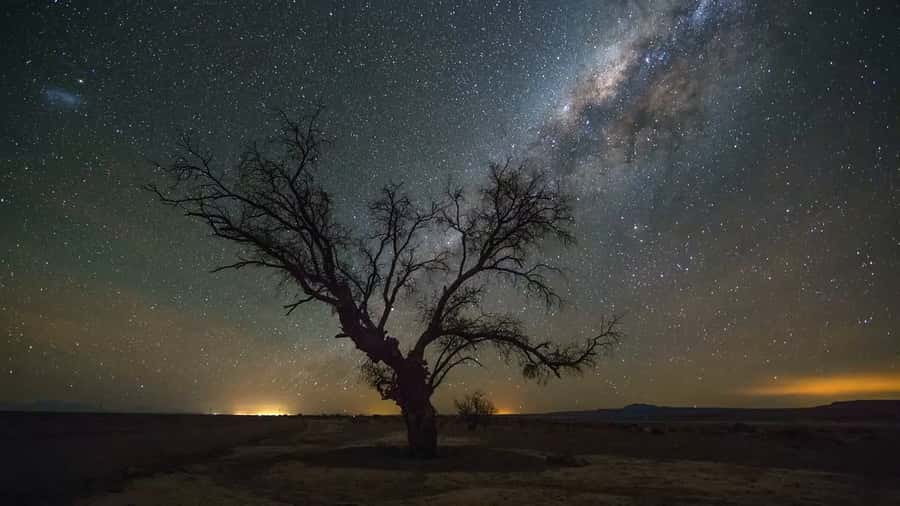
Telescopes are part of this experience, and you’ll use them during the observing session. That sounds straightforward, but it’s helpful to set expectations.
A telescope helps you make out details that your eyes can’t. Think about the difference between seeing a bright point and actually resolving it with guidance. That’s where the guide’s role becomes important: you’re not just looking through glass. You’re learning what you’re seeing and why it matters.
That said, one review described the telescopes as basic and not having much power. So don’t plan on a world-class observatory experience. Plan on a guided sky session where you’ll get memorable, teachable moments, especially with the Milky Way and brighter objects.
If you’ve never done stargazing this way, you’ll likely be thrilled. If you’ve done serious astronomy tours elsewhere, you might treat this as a fun introduction rather than a technical deep-dive. Both can be true.
Andean cosmovision under the stars
This is one of the most distinctive parts of the tour, and it’s not just a side note. Your guide weaves in local culture and Andean cosmovision while you’re watching the sky.
Why this matters: astronomy can turn into facts-with-no-feeling. Cosmovision changes that. It frames the sky as something people lived with, watched, and interpreted over generations. You’re still learning about celestial objects, but the emotional hook is stronger because the guide connects the sky to how Andean communities think about the world.
And yes, the tour builds in a human pause while you listen. You’ll share the moment with a glass of Chilean wine or a cup of coffee, plus a snack. That small ritual helps you stay present. It’s easier to enjoy the night when you’re not shivering through a lecture.
Drinks, snacks, and the timing of comfort
Two-hour tours can feel quick, especially in the desert where cold sneaks up on you. This one tries to solve that with included food and warmth-by-vibe.
You’ll have:
- A glass of Chilean wine or coffee
- A snack
That means you can take the edge off before you step out for telescope time. It also makes it more social, even if you’re traveling solo. You’ll likely chat with your guide about what’s visible, then glance back at the sky once the conversation fades.
One tip: don’t treat the included drink as your only warmth plan. The cold happens fast once you’re outside for a while. The best value here comes from combining a warm layer system with the snack and drink as support.
Photos afterward: two professional shots you don’t have to chase
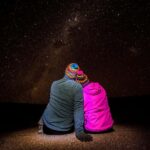
A detail I appreciate: the tour includes two professional photos from your stargazing session.
They don’t hand them to you on the spot. The instructions ask you to use your WhatsApp number on booking so the photos can be sent after the tour. That’s a small thing, but it affects your experience. If you forget, you might miss your photo delivery.
So do this now, before you go:
- Make sure your WhatsApp number is correct on the booking
- Keep your phone charged enough for the evening
Even if you’re good at selfies, these shots are typically what you want from a night-sky moment. You’re here for the view, not for playing photographer in a desert cold.
Weather and moonlight: the two things that really control the sky
There’s a reason this type of tour is popular in the Atacama. The region often delivers crisp visibility. But it’s still weather-dependent.
One key lesson from the real-world experience: unusual bad weather can lead to cancellations. In at least one case, the tour was canceled multiple nights, then rescheduled later. That means you should treat your stargazing time like a “plan A,” not a guaranteed fixed event.
Moonlight is the other big factor. On one night, strong moon presence meant fewer stars were visible. You can’t control the moon, but you can plan around it.
My practical advice:
- If you can, schedule stargazing for a darker-sky night
- If your travel window is short and you only have one shot, book with the mindset that skies are part science and part weather luck
Also note that pickup can change depending on the weather. That’s not rare in remote areas, so stay flexible and keep an eye on updates.
Meeting point and drop-off: simple logistics, fewer stress points
You’re picked up at PLAZA APACHETA / PLAZA TURISTOUR in central San Pedro de Atacama. Then you’re driven out and, afterward, dropped back at your hotel.
Hotel pickup is not included, so don’t count on a van coming to your door. You’ll want to be ready to walk to the meeting point area, likely at night.
The drop-off at your hotel is a quality-of-life feature. After a night in the cold, you don’t want to find the right street in the dark with sore feet and a camera you’re still trying to protect from the elements.
What to pack for an Atacama night (this is not optional)
This tour gives you the view. You supply the comfort. The desert night can be genuinely cold, and the guidance is clear: dress warmly and wear comfortable clothes.
Bring:
- Passport or ID card
- Warm clothing
- Comfortable clothes
That last part matters more than people think. You’ll likely stand and wait while the guide sets up and explains what you’re seeing. If your outfit limits your movement or your shoes aren’t warm enough, you’ll feel it quickly.
Also: not allowed are drones. So leave yours at the hotel if you’re tempted to capture from the air. This is a ground-and-sky experience.
Price and value: what $49 buys in 2 hours
At about $49 per person for a 2-hour outing, you’re paying for more than star time. Here’s what’s included:
- Van transportation from the meeting area and back
- A live guide (Spanish and English)
- Telescopes
- A glass of Chilean wine or coffee
- A snack
- Two professional photos
When you add it up, the value is mainly in the logistics and the guided interpretation. You’re getting transport to a better viewing location, you’re getting equipment, and you’re getting help identifying things in the sky so it feels meaningful instead of random.
Could you do stargazing on your own? Sure, but it’s much harder to guarantee a dark-sky spot, manage cold, and get the photo output handled. For many visitors, this tour is a clean, low-friction way to get the Atacama night-sky moment without turning it into a DIY project.
Who this tour is best for
This guided stargazing experience is a strong fit if:
- You want telescope viewing with a guide explaining what you see
- You like the cultural side of travel, not just the technical side
- You want a short, focused night activity in San Pedro
It may be less ideal if:
- You’re expecting top-tier observatory equipment and maximum magnification
- You’re traveling only during bright-moon conditions
- You’re the type who hates any weather-related uncertainty and needs a guaranteed show
The sweet spot is someone who wants a memorable evening, learns a few things, and appreciates the cultural framing.
Should you book this San Pedro de Atacama stargazing tour?
If you want a 2-hour night in the Atacama that mixes dark-sky viewing, telescopes, and Andean cosmovision, I think this tour is worth considering—especially for the included transport, guide, and two professional photos.
Book it if you can pack warm layers and you’re flexible enough to handle moonlight and weather. Skip or adjust expectations if you’re aiming for a perfect, star-dense sky on a full-moon night or you’re a hardcore astronomy equipment snob.
Bottom line: this is a practical, guided way to experience the desert’s night sky, with just enough comfort and cultural meaning to make the cold feel worthwhile.