REVIEW · TENERIFE
Tenerife. Stargazing in Teide National Park
Book on GetYourGuide →Operated by Astroguide Tenerife · Bookable on GetYourGuide
Stars feel close at Teide. This Tenerife stargazing session puts you in Teide National Park for a full sky-watching stop with high-end telescope time and guided pointing so you know what you’re actually seeing.
What I like most is the way the night sky gets explained in plain terms, not just shown. With Roberto leading the session in English and Spanish, you get a calm, interactive tour with science and sky stories mixed in, plus laser-style help to keep your bearings straight. One thing to consider: it can get very cold and windy up there after sunset, so you’ll want serious warm layers.
In This Review
- Key takeaways before you go
- Teide National Park: Why the sky looks different here
- Getting to the meeting point (Ermita de las Nieves) and planning for night cold
- The 2-hour stargazing rhythm: telescope time without rushing you
- Laser-style sky guidance: how you learn the movements fast
- What you’ll see through the high-end telescope
- Mythology meets science: the fun way to remember the sky
- Roberto’s small-group style: calm, interactive, and practical
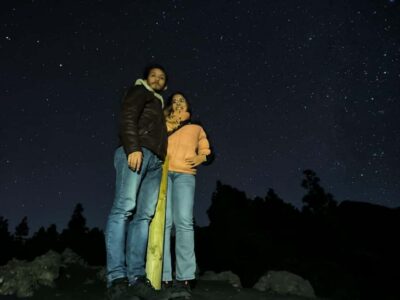
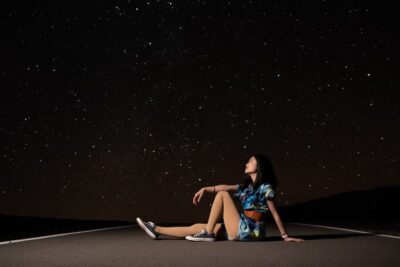
- Free photos under the stars: a real souvenir, not a random screenshot
- Price and value: what $41 buys you at Teide
- Who should book this Teide stargazing tour
- Should you book? My take
- FAQ
- FAQ
- What is the duration of the Teide National Park stargazing tour?
- When does the experience start?
- Where is the meeting point?
- What languages are offered?
- What is included in the price?
- What is not included?
- Is the tour suitable for children?
- What should I bring?
- Is wheelchair access available?
- Can I cancel for a refund?
Key takeaways before you go
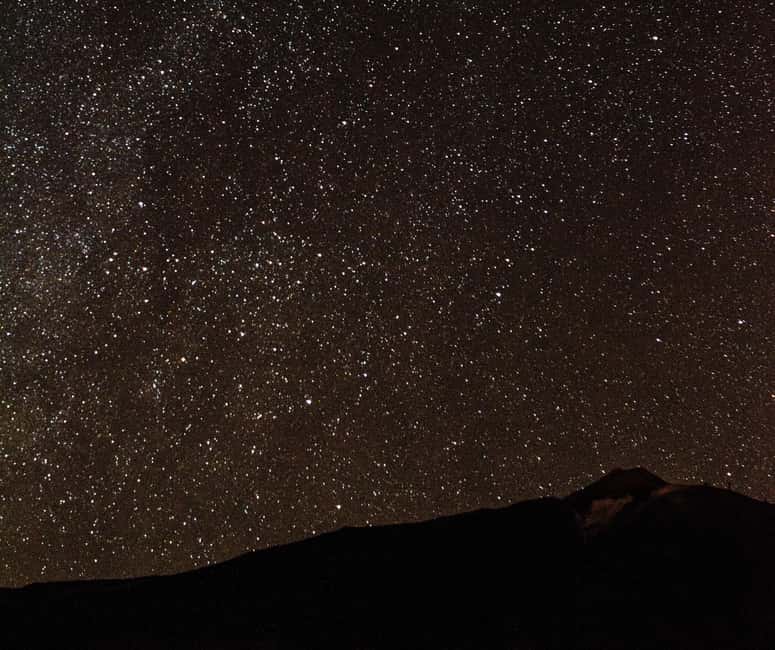
- Starlight-accredited guidance that turns star spotting into a real lesson
- Small group pacing so you can ask questions and take your time looking through the scope
- High-end telescope views of major stars, clusters, and planets when conditions allow
- Laser technology explanations to help you follow the sky’s “moves” during the session
- Free photos as a keepsake from the night sky
- Roberto-led, two-language sessions that keep everyone in the loop
Teide National Park: Why the sky looks different here
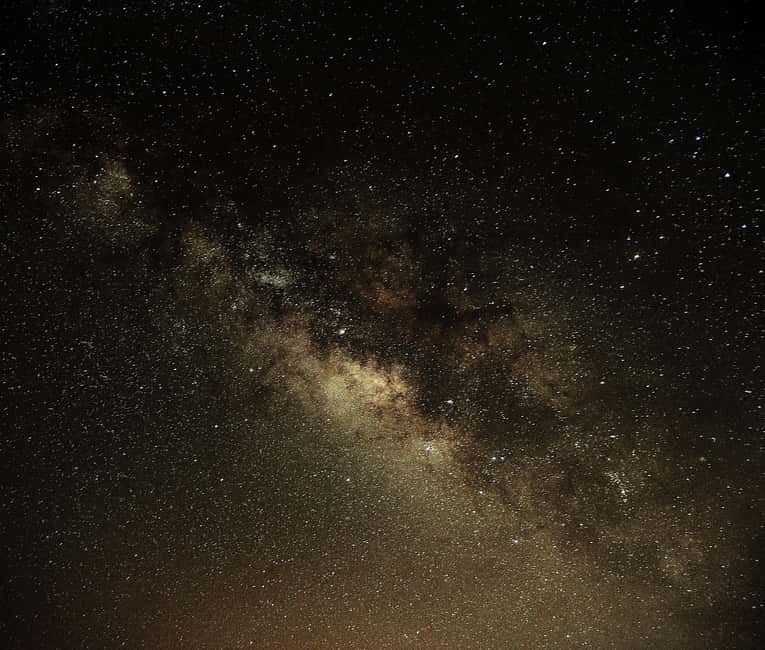
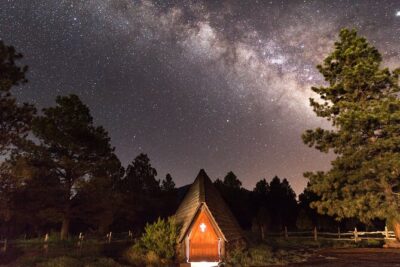
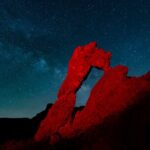
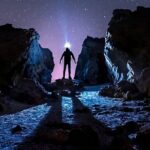
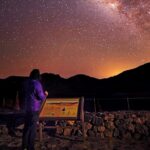
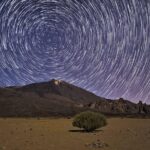
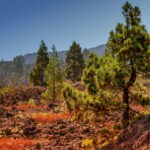
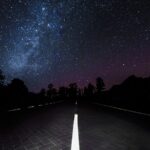
Teide is famous for a reason. You’re in Teide National Park, where the night sky tends to be darker and clearer than in lower, more developed areas. That matters because stargazing isn’t only about “seeing stars.” It’s about seeing more of the faint stuff—clusters, nebulas, and sometimes even galaxies—before light pollution washes the sky out.
This tour also has the right timing. It starts 40 minutes after sunset, when the sky is dark enough to start meaningful observing but you still have enough early night light to get your bearings. The guide then uses that time to connect the dots: where the constellations sit, how the sky shifts, and which targets are worth your attention through the telescope.
If you want the stars to feel close and crisp, this is the kind of place where the night sky can actually do the talking.
You can also read our reviews of more tours and experiences in Tenerife.
Getting to the meeting point (Ermita de las Nieves) and planning for night cold
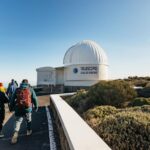
Your meeting spot is by the Ermita de las Nieves in Teide National Park. The session begins after sunset, so plan around twilight and dark roads. Since you’re not given transfer as part of the price, you’ll need to arrange your own ride or car access.
Bring layers and expect real mountain conditions. Several visitors note temperatures dropping fast and wind making it feel colder than you’d guess. Even if you’re visiting outside the coldest months, you’ll still want a warm hat, gloves, and a coat you can comfortably move in. Sturdy shoes help too, because you’ll be standing and waiting while the guide lines up telescope views.
One practical tip: arrive with enough time to settle your body and warm up. You’ll enjoy the explanations more when you’re not shivering.
The 2-hour stargazing rhythm: telescope time without rushing you
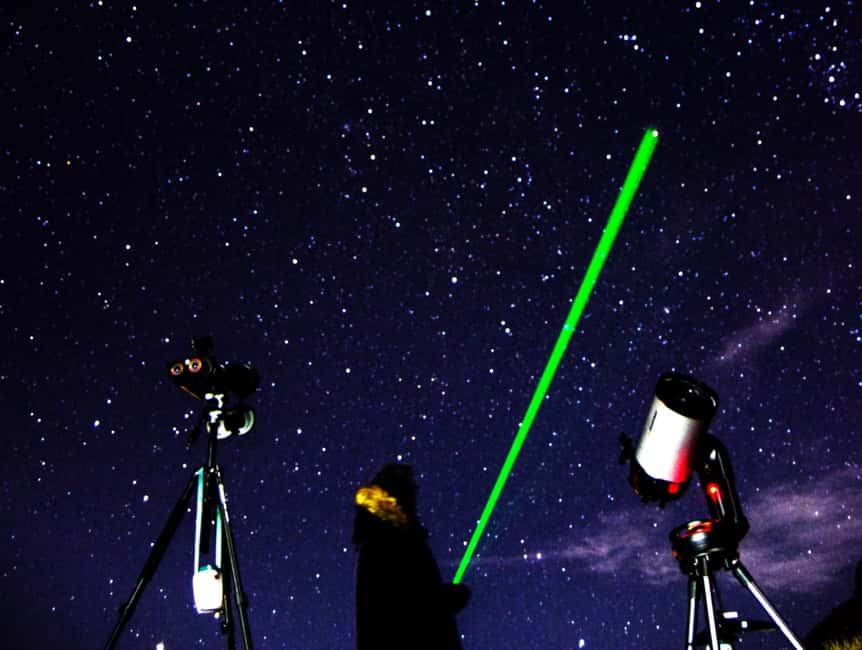
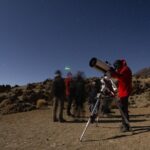
This is a 2-hour experience, designed to feel full, not frantic. The pace is built for small-group observing, which is a huge deal for night skies. In larger groups, people line up, you miss your chance, and the guide’s attention gets spread thin. Here, you get time at the equipment and time for explanation.
The typical flow looks like this:
- Start with sky orientation using laser-style pointing so you understand where to look.
- Move into constellation and star identification, with the guide helping you track the sky’s position.
- Then shift into telescope observing for the best targets of the evening.
Because it’s a “whole session,” you’re not just dropping in for a quick view and leaving. You get the context first, so when the telescope shows something—like a planet’s detail or a faint deep-sky object—it lands with meaning.
Laser-style sky guidance: how you learn the movements fast
One of the smartest parts of this tour is the use of laser technology explanations. The goal isn’t fancy tech. It’s speed: it helps you quickly understand how the sky’s “map” works at night.
During the session, you learn:
- how the celestial sphere works (the sky as a rotating dome)
- why constellations appear to move
- how to find and track important stars as the night progresses
This is where a guide earns their fee. Instead of you guessing where things are, you’re given a simple method to orient yourself. By the time you’re at the telescope, you’re not staring at a random patch of darkness—you’re looking at a target you can place in the bigger night-sky story.
What you’ll see through the high-end telescope
The telescope is the star of the show here—literally. You get high-end equipment and you’ll likely have multiple observing moments during the two hours, not just a single look-through.
What targets you catch depends on the night and conditions, but based on what guests describe, the telescope may show:
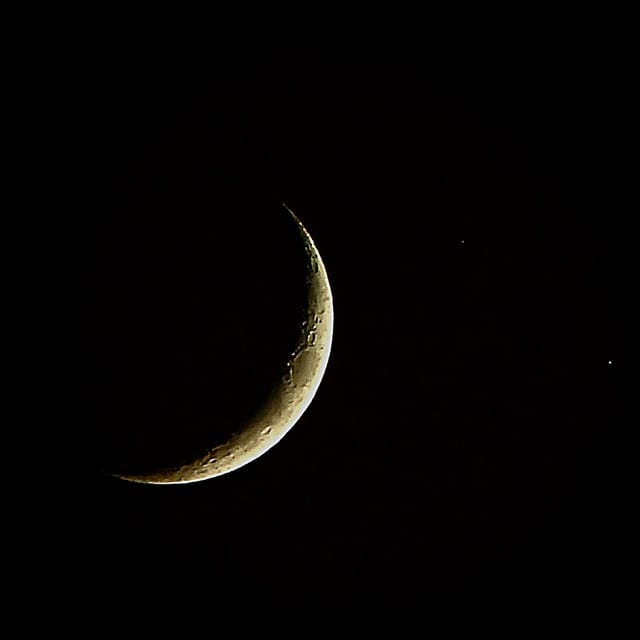
- bright planets such as Saturn (including its ring, when visible)
- other planets like Neptune when it’s in the right place
- star clusters and double stars
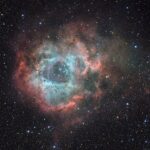
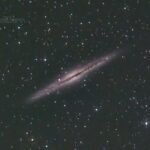
- nebulas and galaxies, including Andromeda
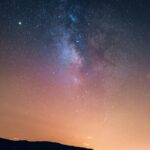
- sometimes the Milky Way as a visible feature of the dark-sky setting
You may also get additional viewing tools for broader scanning before the main telescope moments. Either way, the point is the same: Teide’s dark skies plus the guide’s setup can make familiar objects feel new and sharp.
Mythology meets science: the fun way to remember the sky
Stargazing gets easier when you give your brain hooks—and this tour does. You’ll hear the history and mythology tied to constellations, plus the science side that explains what’s actually out there. It’s a good combo: stories help you remember patterns; science helps you understand what you’re really seeing.
Roberto is especially good at making this blend work across ages and experience levels. Even people with zero astronomy background can follow along because the explanations are structured. You start with simple “find this, look here,” and you build upward into how objects differ—stars versus planets versus deep-sky targets.
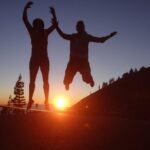
One bonus that shows up in many evenings: extra moments for photos and sky-themed surprises, depending on the group and timing.
Roberto’s small-group style: calm, interactive, and practical
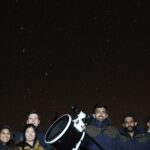
This tour runs as a small group, which is the difference between standing around and actually learning the sky. With fewer people, the guide can check in with you, answer questions, and make sure everyone gets their turn at key viewing points.
Roberto (the guide name you’ll see repeatedly) also runs the session in English and Spanish, and many guests mention he keeps the atmosphere friendly rather than lecture-heavy. If you come with teens, kids, or mixed ages, that matters. A two-hour astronomy session can go wrong if the guide talks over people or rushes. Here, the vibe is more like: you’re learning together at night.
He’s also reported to add comfort help on cold nights—think blankets and warm extras—so you can focus on the sky instead of fighting the weather.
Free photos under the stars: a real souvenir, not a random screenshot
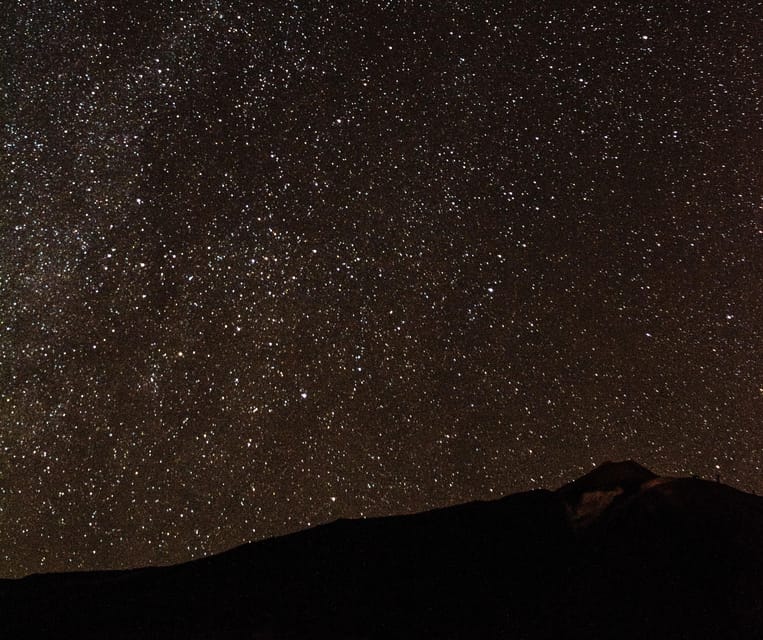
You get free photos from the experience. That’s a practical win because astrophotography-style shots are hard to do yourself—especially in the dark, with cold hands, while you’re also trying to observe.
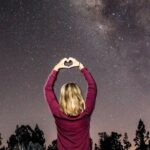
Many visitors highlight that Roberto takes photos with proper camera work against the night sky, and you leave with images you can actually keep. Even if you bring your phone, you’ll still appreciate having guided help at the right moment.
Also, since the stargazing session is short, these photos become part of your memory when the details of the constellations blur later.
Price and value: what $41 buys you at Teide
At about $41 per person for a 2-hour stargazing session, the value comes from three things you’re not likely to recreate cheaply on your own:
- You get access to high-end observing equipment plus someone to operate and interpret it.
- You get Starlight-accredited guidance, including laser-style pointing and structured sky lessons.
- You get free photos, which are often not included in DIY setups.
Yes, you still handle your own transport since transfers aren’t included, and lunch/drinks aren’t part of the package. But the core experience—telescope time plus explanation—includes what most people can’t do alone safely or comfortably at night.
In other words: if you want a “why am I seeing this” answer and not just a look through a scope, the pricing is reasonable for what you’re getting.
Who should book this Teide stargazing tour
I’d point you here if you want:
- a dark-sky setting in Teide National Park
- a guided session that works whether you’re a beginner or you already know a bit
- a small group experience that doesn’t feel rushed
- telescope views plus star stories and science explanations
It’s also a solid pick for families with older kids, since Roberto has repeatedly been described as patient and great with mixed ages.
You might want to skip or reconsider if:
- you’re traveling with very small babies (it isn’t suitable for babies under 1 year)
- you hate cold and wind and don’t have proper layers
Wheelchair access is noted as available, which can make this one easier to consider than many more remote night tours.
Should you book? My take
Book it if you want the night sky to feel organized, not random. The pairing of Starlight-accredited guidance, laser-style orientation, and telescope time is what turns a dark night into a real “I get it now” experience.
Don’t book it if you’re hoping for a warm, comfortable evening with minimal standing. This is an outdoors astronomy experience, and the mountains can be cold after sunset. If you show up bundled up and ready to look, you’ll likely come away with both photos and a mental map of the sky that lasts long after the tour.
FAQ
FAQ
What is the duration of the Teide National Park stargazing tour?
The tour lasts 2 hours.
When does the experience start?
It starts 40 minutes after sunset.
Where is the meeting point?
The guide waits next to the Ermita de las Nieves in Teide National Park.
What languages are offered?
The live guide offers English and Spanish.
What is included in the price?
It includes a telescope, laser technology explanations, and free photos of the experience.
What is not included?
Transfer, lunch, and drinks are not included.
Is the tour suitable for children?
It is not suitable for babies under 1 year.
What should I bring?
Bring weather-appropriate clothing for cold and changing conditions at night.
Is wheelchair access available?
Yes, the activity is wheelchair accessible.
Can I cancel for a refund?
Yes. Free cancellation is available up to 24 hours in advance for a full refund.