REVIEW · TENERIFE
Tenerife: Sunset and Stargazing at Teide National Park
Book on GetYourGuide →Operated by DAS Experience Tenerife SL · Bookable on GetYourGuide
Stars look different when you see them above clouds. This Tenerife sunset and stargazing tour takes you up to about 1,400m, serves Cava as the sun drops, then shifts into serious night-sky mode with a 12-inch telescope. I love the contrast: lava-field sunset color first, galaxies and planets second; just know it can get seriously cold up there, and there are no toilets at the stargazing viewpoints.
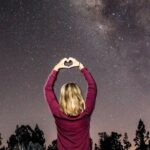
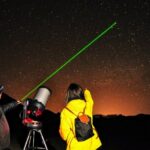
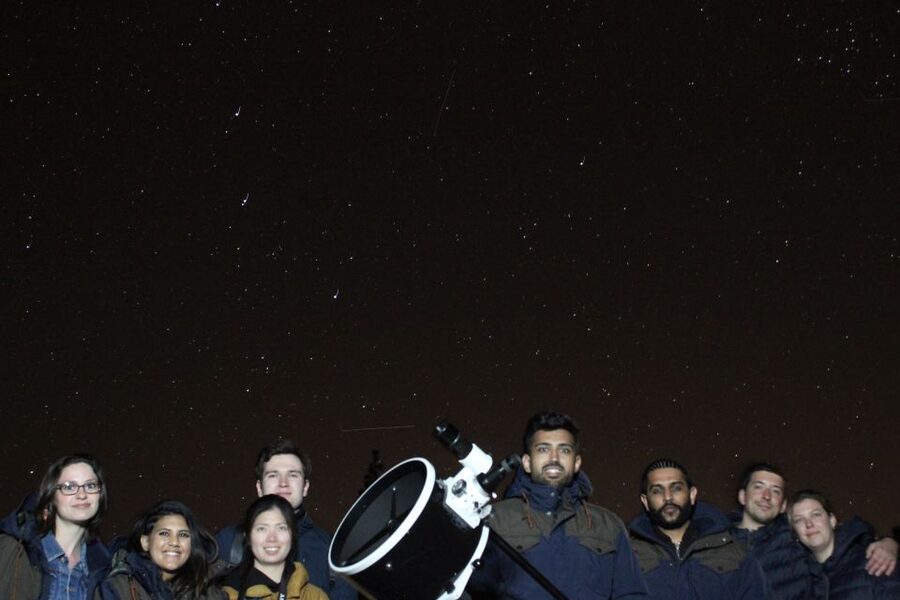
What makes this outing work is how the guides keep the pace moving. From the first viewpoint, they use laser pointing and stories so you’re not just standing around waiting for your turn, and in recent departures guides like Peter, Phil, and Roland have been highlighted for making the sky feel easy to read. Then you get a professional astrophotography photo of yourself, which turns the whole night into something you can actually take home.
If you’re hoping for a Teide cable car ride or hiking up the volcano, this isn’t that kind of tour. It stays at public viewpoints around Teide National Park (not on Mt. Teide), so the value is in the sky time and comfort—not in trail miles.
In This Review
- Key Things I’d Prioritize for This Tour
- How the Cloud-Top Sunset Sets Up Real Stargazing
- The Viewpoint Timing: What Happens Before the Stars
- Laser Pointers, Quick Star Finding, and the Stories That Stick
- Telescope Time: What You Might See (Seasonally)
- The Cava-and-Cloud-Sea Moment That Actually Feels Worth It
- The Photo You Take Home: A Small Detail With Big Payoff
- VIP Pickup vs Self-Drive: Choose Your Stress Level
- VIP option
- Self-drive option
- Weather Reality Check: How the Tour Adapts
- Who This Tour Is For (and Who Should Skip It)
- My Booking Checklist for a Smooth Night
- Should You Book This Tenerife Sunset and Stargazing Tour?
- FAQ
- What time does the tour start?
- Is this tour on Mt. Teide itself?
- Do I need a rental car?
- Does VIP include pickup from anywhere on the island?
- How long is the stargazing part?
- Are there toilets at the stargazing locations?
- Is food included?
- What language are the guides?
- What can we see through the telescope?
- Is the tour suitable for kids?
- Is the tour suitable if I have altitude sickness?
Key Things I’d Prioritize for This Tour
- Sunset from 1,400m with cloud-sea views plus the islands lined up in the light change
- Cava at golden hour (or a non-alcoholic drink) to mark the shift from day to night
- Laser-guided sky tour that teaches you how to find Polaris and Andromeda fast
- 12-inch Dobsonian telescope time for planets and deep-sky objects when conditions allow
- Free professional photo taken with astrophotography techniques
- Weather-smart planning: you might stay at the lower viewpoint if wind or clouds roll in
How the Cloud-Top Sunset Sets Up Real Stargazing
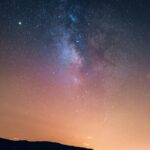
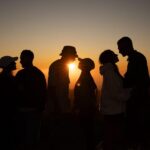
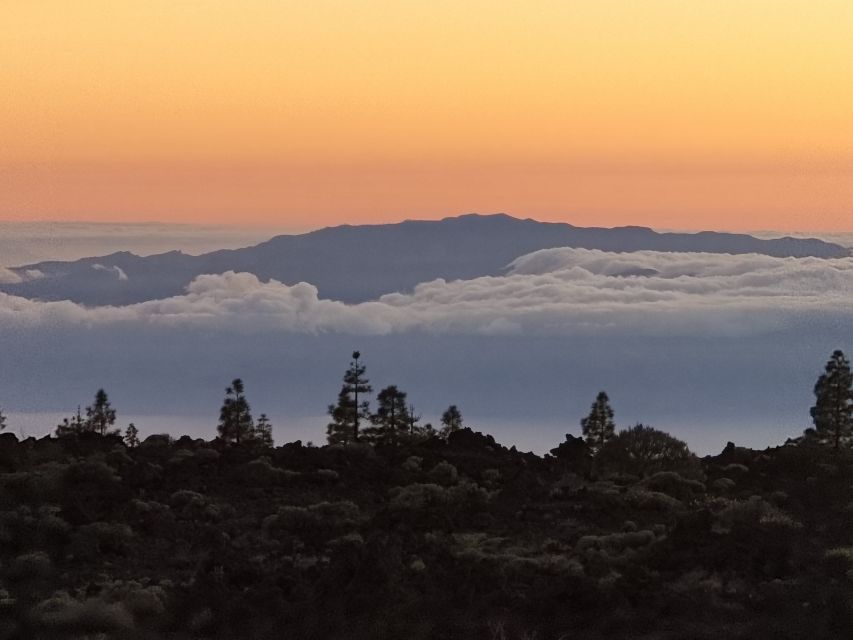
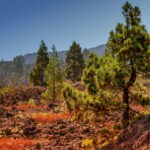
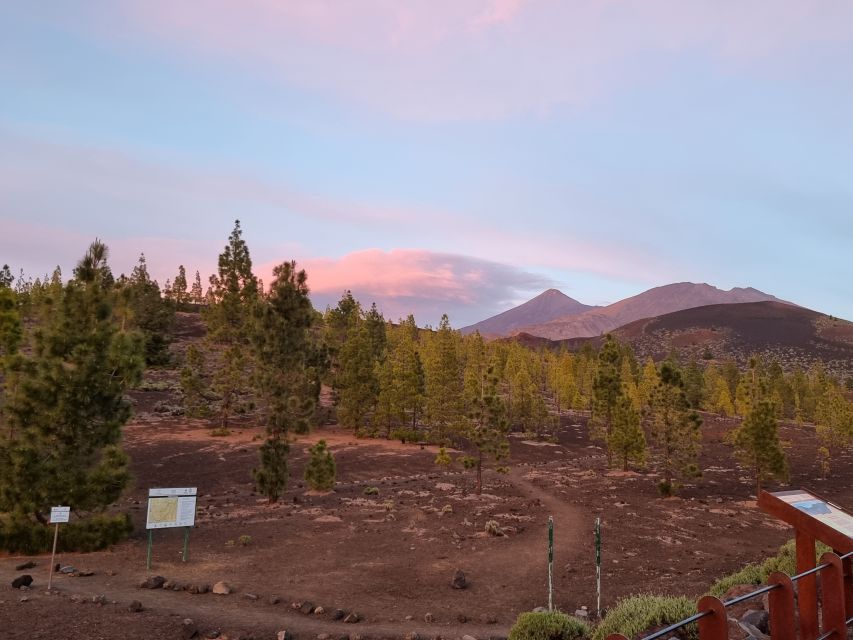
This tour’s best trick is simple: it gets you above the everyday haze. From the viewpoint at roughly 1,400m, you’re positioned to watch the sun spill across Tenerife’s volcanic terrain and, often, out over a sea of clouds. When that happens, the light feels dramatic in a way that photos can’t quite explain.
The sunset stop is not just a “look and leave” moment. You’ll have time for scenic views, photo time, and a welcome drink. I like that the experience gives you a clear transition: the sky starts as a painted backdrop, then the stars start winning one by one.
One practical thing to keep in mind: every sunset is different here. The sky color and cloud layer can vary wildly from one evening to the next, even when the route and timing stay similar. That’s also why weather matters. If it’s windy or cloudy, the guides may keep you at the lower viewpoint instead of moving higher—still good stargazing, but don’t plan on a specific “perfect” location as a guarantee.
You can also read our reviews of more tours and experiences in Tenerife.
The Viewpoint Timing: What Happens Before the Stars
The evening runs about 3 to 4 hours, and it’s structured so you’re not spending half your time in transit.
Typical flow:
1) Van ride up (about 45 minutes) toward the sunset point
2) Main viewpoint time (about 45 minutes): photo stop, sunset, and scenic views
3) Short transfer (about 5 minutes) to a second viewpoint
4) Guided stargazing (about 2.25 hours)
That middle window—right after the sun dips—is where the tour earns its keep. You get to see the sky change in real time, then the stargazing starts while it’s still early enough to stay engaged. If you’re the type who gets cold fast, you’ll want to treat warm layers as part of your plan, not an afterthought.
Also note what’s not there: the stargazing viewpoints don’t have toilet facilities nearby. That matters more than you’d think once you’re bundled up for a couple hours of night-sky time.
Laser Pointers, Quick Star Finding, and the Stories That Stick
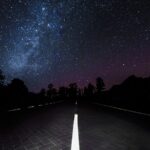
Here’s what separates this stargazing session from the “stand under the stars” approach: you learn how to point your own eyes and imagination at what you’re seeing.
At the second viewpoint, the guides use lasers plus guidance so you can follow along without guessing. You’ll hear explanations for finding key sights like:
- Polaris (the North Star) using the shape pattern in Ursa Major
- The Andromeda galaxy using the Great Square of Pegasus
- A bit of Greek mythology to tie the constellations together
It sounds fun, and it is, but it’s also practical. When you know how to find the main references, you stop feeling lost the moment someone says look left or follow the line. That’s how the sky becomes something you can actually navigate.
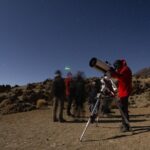
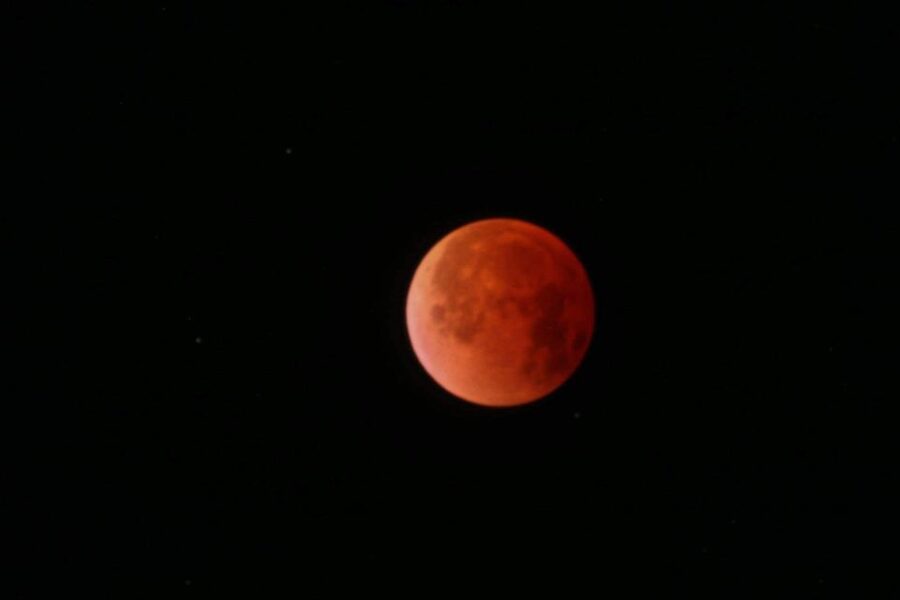
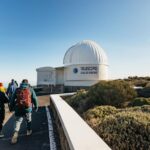
Then the telescopes come in. The tour provides a 12-inch Dobsonian setup, and the guides help you see planets and deep-sky objects when viewing conditions cooperate. If you’re going on a clear night, you can expect real wow moments—recent experiences mention crisp views like Saturn’s rings and Jupiter’s moons when they’re visible.
One more small detail I appreciate: the guides don’t just point and move on. They keep time for you to look, react, and ask questions, which is why so many recent bookings mention there’s no wasted waiting around.
Telescope Time: What You Might See (Seasonally)
The tour changes what it can show you based on the season, which makes it more useful than a one-size-fits-all astronomy script.
You might see:
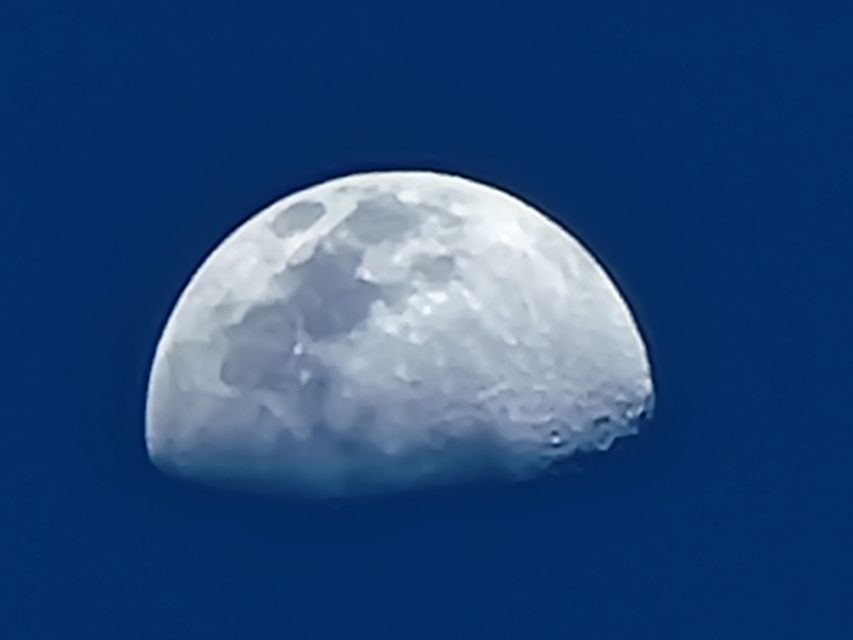
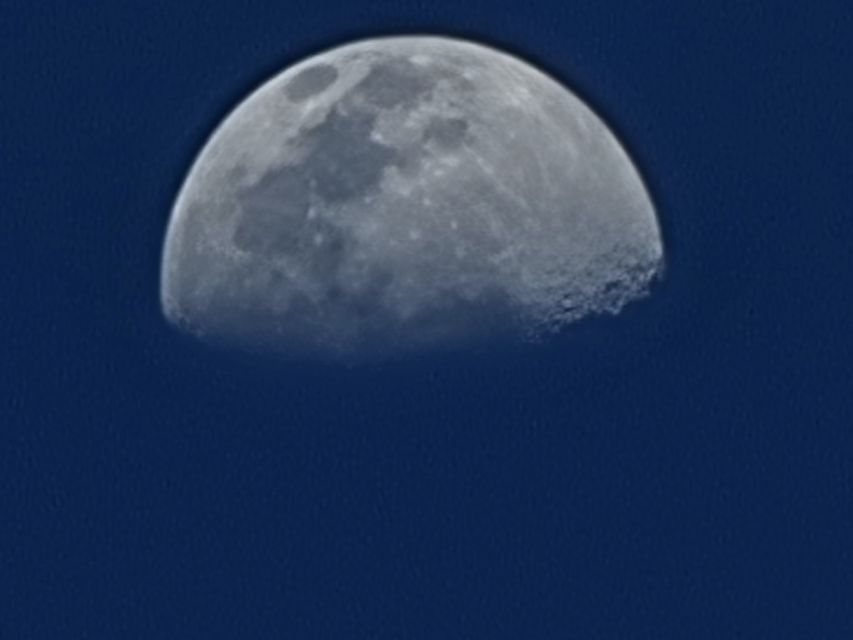
- The Moon as the main object around certain lunar phases
- Planets like Saturn (including ring views) and Jupiter’s moons, depending on visibility
- Deep-sky targets like the Pleiades (Seven Sisters) in winter
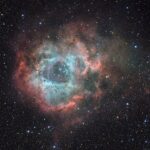
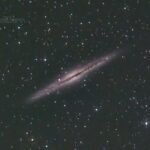
Even if your favorite planet isn’t visible on your date, the session usually still gives you the sense of depth: nebulae, star clusters, and galaxies through the telescope view (when the atmosphere cooperates).
And yes, it can be cold. Some recent evenings specifically recommend layering like you’re dressing for winter weather. Warm jackets are included on the VIP option, but even if you’re not on VIP, you should come ready for real nighttime temperatures.
The Cava-and-Cloud-Sea Moment That Actually Feels Worth It
The included glass of Cava is more than a nice touch. It marks the shift from daytime scenery to night-sky focus in a way that feels intentional, not random.
I also like that you’re not just handed a drink and left to fend for yourself. The guides keep you engaged with the sky, the volcanic scenery, and the general rhythm of the night. There’s a reason this gets called a highlight: the sunset stop is one of those “I’ll remember this” travel moments, and the tour builds your energy for the stargazing that comes after.
Some departures also mention warm extras like hot chocolate when it’s chilly, which fits the setting perfectly. Consider that a bonus if it’s offered on your night.
The Photo You Take Home: A Small Detail With Big Payoff
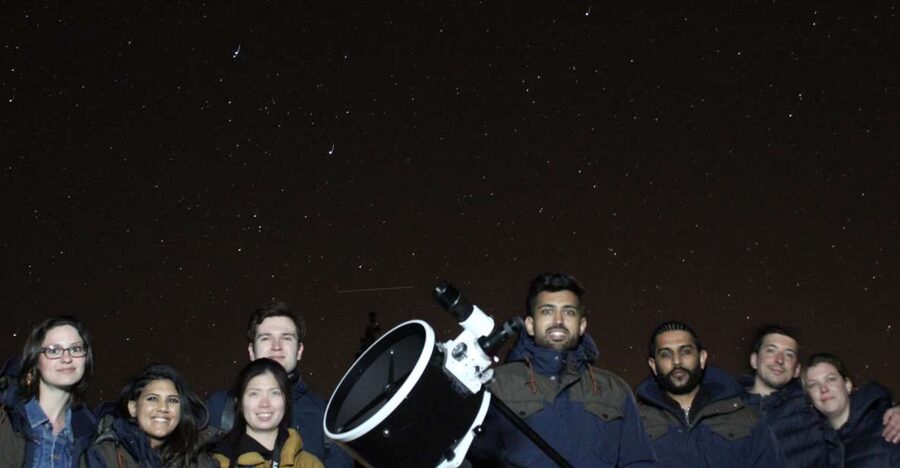
This tour includes professional astrophotography so you get a photo of yourself under the night sky. It’s taken individually and provided free of charge.
This is a bigger deal than it sounds. Phones struggle with stars because you’re fighting exposure time, movement, and low-light contrast. The tour photo gives you an image that looks like what your eyes were trying to see, even if you can’t recreate it later.
In other words: you’re buying not just the stargazing, but also a keepsake that doesn’t depend on your camera skills.
VIP Pickup vs Self-Drive: Choose Your Stress Level
You basically have two ways to do this: VIP pickup or self-drive.
VIP option
- Pickup and drop-off is included only in the South of Tenerife, between El Médano and Los Gigantes (with some exceptions).
- You’ll be picked up from your accommodation (or near it) and dropped back there.
- Warm jackets are included on VIP.
This is the easiest choice if you’re staying in the south and you don’t want to manage parking and mountain darkness after sunset.
Self-drive option
- You drive your own rental car to the meeting point (often Mirador de los Poleos—double-check your exact spot).
- After sunset, you follow the guides to the stargazing point with your own car.
Self-drive is great if you’re comfortable driving on mountain roads at night, but it’s not the time to be casual about it. One review warned that roads can be difficult for young or inexperienced drivers, and the cold can be close to freezing at altitude (they cited around +2°C). If you’re not a confident night driver, VIP is the safer bet.
Weather Reality Check: How the Tour Adapts
This is a big part of the experience because Tenerife nights can shift quickly: wind, clouds, and temperature can change the best viewing plan.
The guides make a call based on conditions. If they decide weather is too adverse—high wind, clouds, or low temperatures—they may stay at the lower viewpoint, which the tour frames as still perfect for stargazing. In practice, you’re not losing the night; you’re trading a higher spot for a steadier one.
Also pay attention to communications. The exact meeting time and guidance are sent the same day via WhatsApp, and the time shown on your ticket email can be generic. If you miss messages or can’t be reached, you can be marked a no-show.
Who This Tour Is For (and Who Should Skip It)
This is an excellent fit if you want:
- a small-group feel (multiple reviews mention smaller group sizes and faster access to telescope time)
- hands-on stargazing with laser guidance
- a sunset that looks special even if you’ve already seen other Canary Islands sunsets
- a guided “how to read the sky” experience, not just telescope peeking
It may not be a great fit if:
- you get hit hard by altitude changes (it’s not suitable for people with altitude sickness)
- you’re hoping for toilet facilities at the viewpoint (there are none nearby)
- you dislike cold weather and can’t dress for it
Kids: the VIP tour doesn’t allow children under 5, while the self-drive option welcomes younger kids.
My Booking Checklist for a Smooth Night
If you want the night to feel fun, not uncomfortable, pack like you’re dressing for outdoor winter weather.
Bring:
- Warm clothing and a jacket (night wind up high is no joke)
- Long pants and long-sleeved layers
- Comfortable shoes with grip
- A charged phone for navigation and the WhatsApp message flow
Know beforehand:
- The tour runs outside and includes a stargazing block of about 2.25 hours.
- There’s no cable car and no hiking up Mt. Teide. You’re there for the views and the sky.
If you’re self-driving, arrive early to the sunset pickup spot because parking can fill. It’s dark after sunset, and it’s better to start relaxed than sprinting.
Should You Book This Tenerife Sunset and Stargazing Tour?
Yes, if you want a practical, high-reward night: sunset color from altitude, a guided sky lesson with lasers, and telescope views that make the stars feel close. At about $47 per person for a 3 to 4 hour outing, the value comes from what’s included: guide time, telescope access, a drink at golden hour, and a professional star-photo you keep.
Skip it or reconsider if you hate cold, can’t handle elevation changes, or need restroom access nearby. Also don’t book if you want Teide hiking or the cable car experience—this tour doesn’t do that.
If you’re deciding between “see stars somehow” and “learn the sky and get a real photo,” this one leans hard toward the second option.
FAQ
What time does the tour start?
The exact meeting time depends on sunset, and you’ll get the real timing via WhatsApp the same day. The time on your ticket/email is only a generic placeholder.
Is this tour on Mt. Teide itself?
No. Stargazing happens at public viewpoints allowed by local authorities, not on Mt. Teide.
Do I need a rental car?
If you choose the self-drive option, yes. You’ll drive your own rental car (not public transport or taxi) to the meeting point.
Does VIP include pickup from anywhere on the island?
No. VIP pickup/drop-off is only on the South coast of Tenerife, between El Médano and Los Gigantes (with some exceptions).
How long is the stargazing part?
The guided stargazing session is about 2.25 hours after the sunset viewpoint and transfer.
Are there toilets at the stargazing locations?
No. There are no toilet facilities at or near the stargazing viewpoints.
Is food included?
No. Food is not included.
What language are the guides?
The tour guide works in English.
What can we see through the telescope?
It depends on the time of year and conditions. You might see the Moon, planets like Saturn (rings) and Jupiter’s moons when visible, and deep-sky objects such as the Pleiades in winter.
Is the tour suitable for kids?
VIP option does not allow children under 5. The self-drive option welcomes children.
Is the tour suitable if I have altitude sickness?
No. The tour is not suitable for people with altitude sickness.