REVIEW · TENERIFE
Tenerife: Mount Teide Observatory Guided Tour
Book on GetYourGuide →Operated by Volcano Teide · Bookable on GetYourGuide
There’s no better place to meet the Sun. On this Mount Teide Observatory guided tour, you’ll learn how astronomers study our closest star, then look at it through two purpose-built solar telescopes. What makes it special is the mix of hands-on observing and real explanations, set on Spain’s tallest mountain.
I especially love how the guides turn a technical subject into something you can actually follow—often with humor and lots of Q&A, so your questions don’t get brushed off.
The best part comes when the telescopes start doing their thing. You’ll observe features like sunspots and solar flares through different solar scopes, and later you get access to a professional night telescope for a taste of what Teide’s sky work looks like. One thing to plan for: the observatory sits at about 2,400 meters, so it can feel cold, windy, and oxygen-thin, and the gravel walking means it’s not ideal if you have mobility or respiratory issues.
In This Review
- Key points at a glance
- Why Teide’s observatory tour feels different from a typical science stop
- Where the tour starts and what the timing usually feels like
- The observatory intro: how you go from guesswork to understanding
- Watching the Sun through two solar telescopes (sunspots and flares)
- The night telescope stop: a preview of what Teide is famous for
- The weather and altitude reality check (what to wear so it’s comfortable)
- Getting there: why transport plans can shape your day
- How much is it, and is it good value at around $25?
- Who should book this tour (and who might want a different day plan)
- What you’ll remember after: the science feeling real
- Should you book the Mount Teide Observatory guided tour?
- FAQ
- How long is the Mount Teide Observatory guided tour?
- What’s included in the tour price?
- What will I be able to see during the tour?
- Do I need sun protection and warm clothes?
- Is the tour suitable for children?
- Will the tour be in English?
- Is transportation included?
- Is the observatory tour recommended for people with mobility issues or respiratory problems?
- Are there entry concerns due to altitude?
Key points at a glance
- Two different solar telescopes: one focused on sunspots, the other on solar flares
- A real tour of how the observatory works, not just telescope pointing
- Night telescope access so you understand both day and sky research
- High-altitude weather reality: warm layers matter, even on sunny days
- Guides like Raquel or Jesus can bring the science to life with clear, lively explanations
Why Teide’s observatory tour feels different from a typical science stop
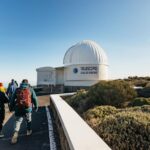
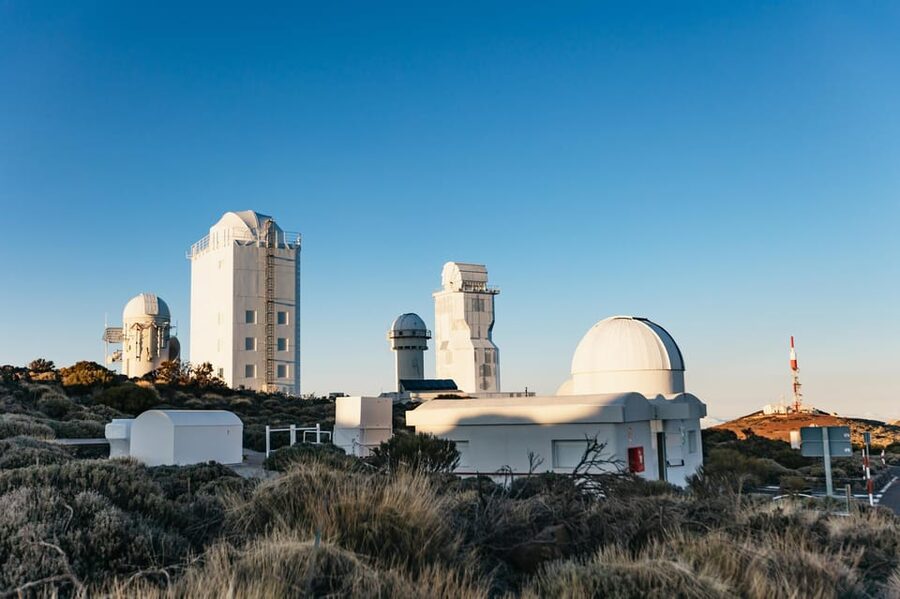
The Mount Teide Observatory doesn’t feel like a museum. It feels like a working science site, with you moving through the same kind of spaces that help researchers monitor the sky. The guided flow matters here: you don’t just arrive, look through a scope, and leave. You get context for what you’re seeing and why it’s worth studying.
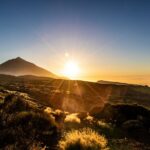
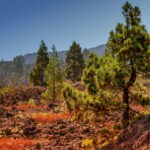
And the location does half the job for you. You’re up at roughly 2,400 meters on the mountain, so the air has that thin, crisp quality. Views can feel otherworldly because of the volcanic setting and the openness around the facility. Even if you’re not a serious astronomy person, the setting makes the science feel real.
The tour length is also a sweet spot for most schedules. At about 1.5 hours, you get plenty of time for explanation and telescope time, without committing to a whole half-day outing.
You can also read our reviews of more tours and experiences in Tenerife.
Where the tour starts and what the timing usually feels like
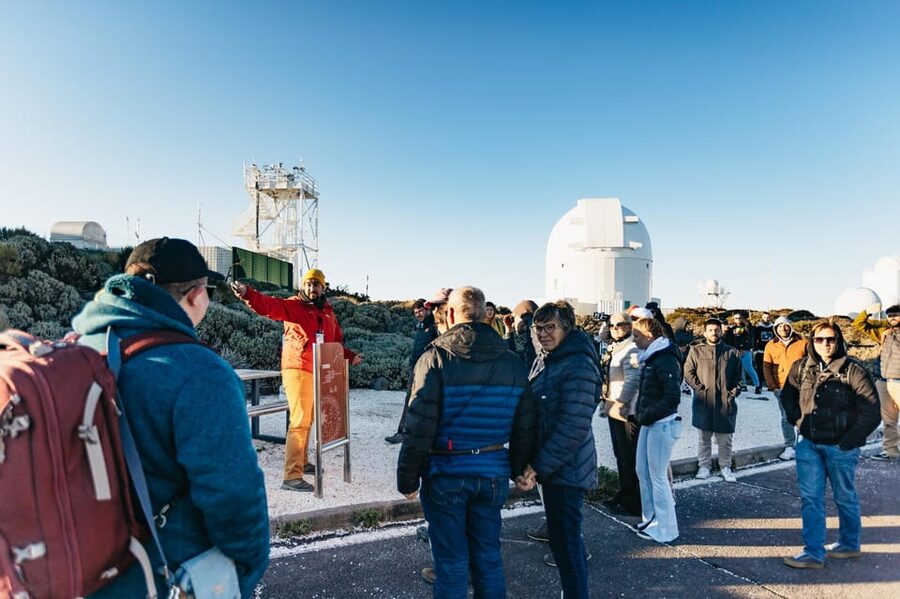
Meeting point can vary by option, so you’ll want to confirm the exact place when you book. Once the group assembles, the guide typically starts with an intro to what you’re about to do. Then you’ll get an orientation to the observatory areas before you move into the observing portion.
A short video is part of the setup. It’s there to help you connect the dots: how observing works during the day versus at night, and what the scopes are designed to capture. After that, the guide leads you through the facilities at an easy group pace.
Because you’re walking on gravel paths, comfort footwear helps. The tour is not long, but it does involve small transfers between areas. If you arrive feeling chilly or rushed, you’ll enjoy it more if you take a moment to settle in and prepare for altitude.
The observatory intro: how you go from guesswork to understanding
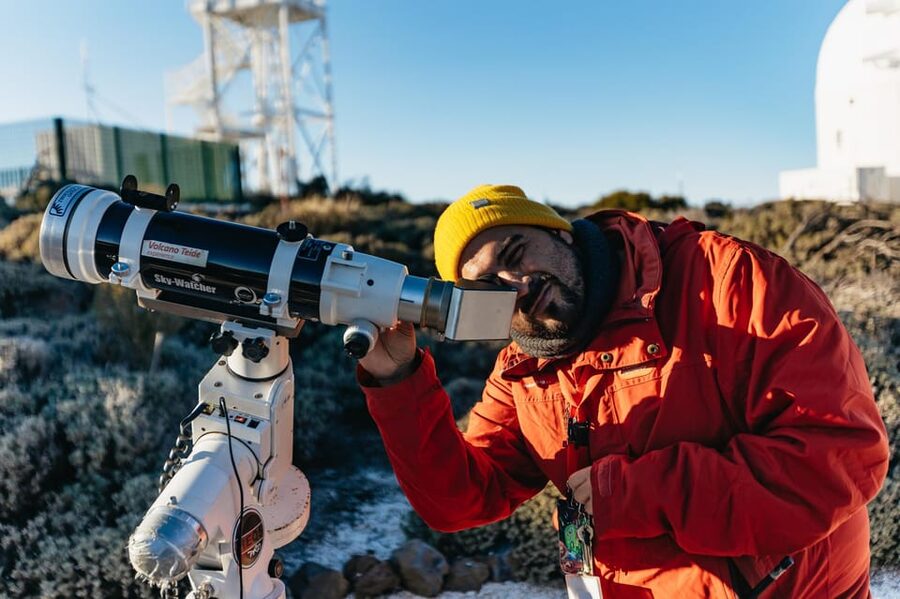
This is the part that makes the later telescope viewing click.
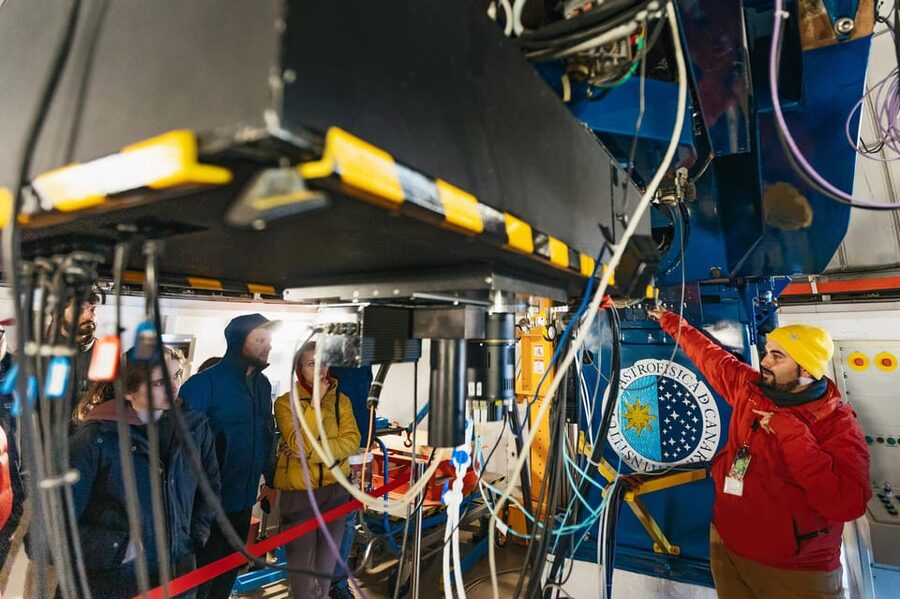
The guide explains how observatories operate—what different telescope setups are used for and how observing changes depending on the target. You also learn about the observatory’s history and the surrounding area, which helps you understand why Teide’s location is so useful.
The science is tied to the real equipment. You’ll see different solar telescopes and then learn what they’re tuned to. That matters because a lot of visitors expect the same view through every scope. Here, you learn why different instruments show different solar features.
If you get a guide like Raquel or Jesus, you’ll probably notice the same pattern: clear explanations, lots of energy, and quick answers to questions. Even if you only catch bits of the technical language, the structure makes it easy to keep up.
Watching the Sun through two solar telescopes (sunspots and flares)
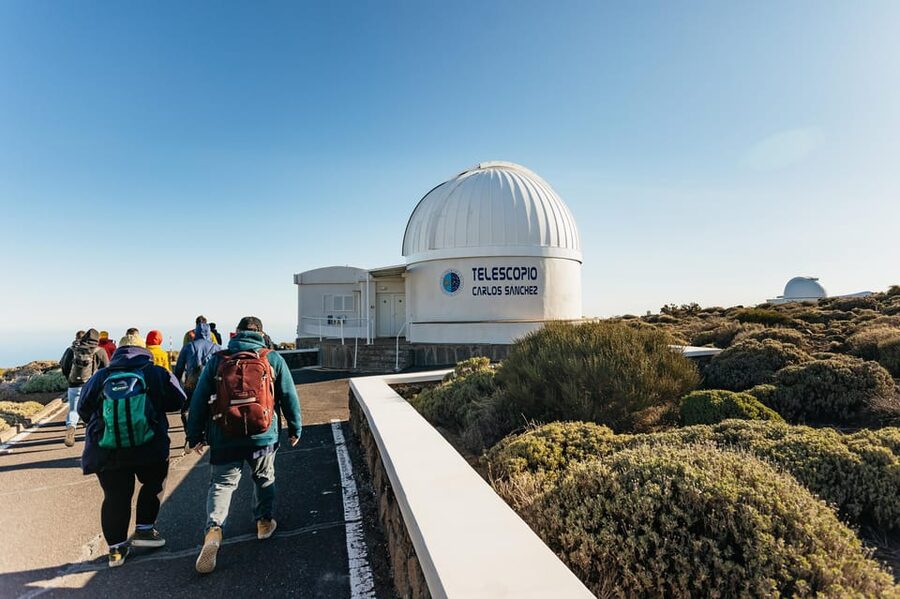
This is the headline moment, and it’s where the tour earns its value.
You’ll observe the Sun through two different solar telescopes:
- One setup is aimed at sunspots—dark features on the solar surface that change over time.
- The other is aimed at solar flares, which are dramatic, energetic events tied to the Sun’s magnetic activity.
Don’t expect the Sun to look like a movie scene. The point is not spectacle. The point is learning how specialized instruments reveal specific kinds of solar behavior. When the guide explains what your eye is seeing and what the telescope filters are doing, the view stops being just “red light” and becomes a real window into physical processes.
There’s also a safety component here, and it’s not subtle. You’re not doing this by eyeballing the sky with the wrong gear. The scopes are set up for solar viewing, and the guide encourages proper sun protection because altitude can intensify UV exposure. Many people appreciate this more than they expected—especially on bright days.
The night telescope stop: a preview of what Teide is famous for
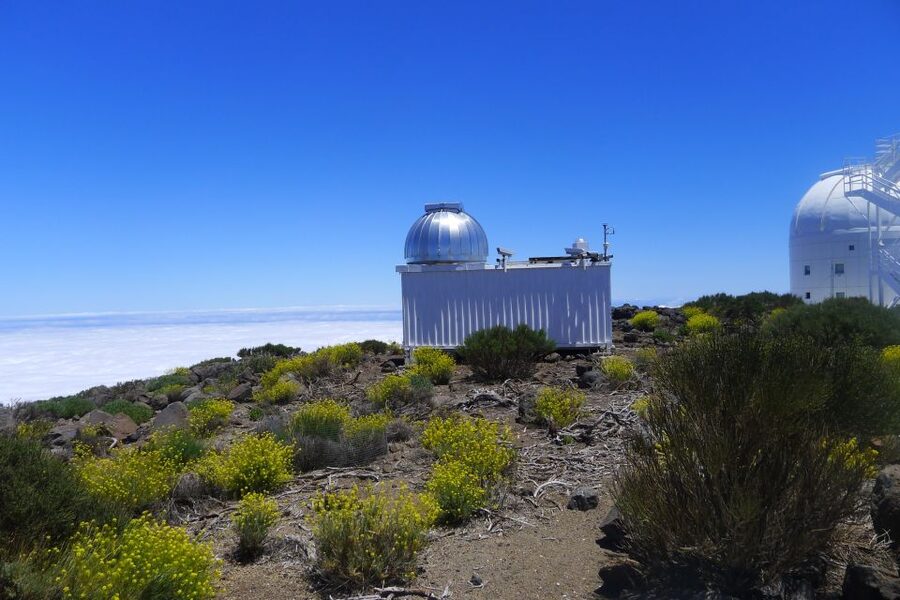
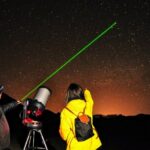
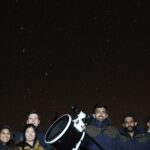
After the solar observing, you’ll move to one of the nocturnal telescopes.
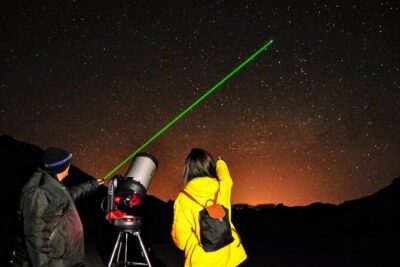
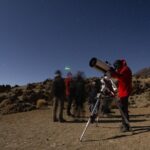
This part helps you understand the observatory as a full system. During the day, solar instruments focus on the Sun. At night, the telescopes shift toward distant targets and faint signals—work that’s possible in places with strong observing conditions.
You’ll likely get to discover how these massive instruments observe the sky, and you can often “feel” the scale, even if the details are technical. The night telescope access is one of the reasons this tour scores so well: it gives you a look at the infrastructure that makes astronomy research possible, not just a quick photo moment.
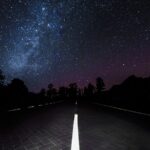
If you’re thinking of returning to Tenerife later, this stop also sets you up for a star-focused evening. Seeing a night telescope during the daytime tour makes the idea of observing at night more tangible.
The weather and altitude reality check (what to wear so it’s comfortable)
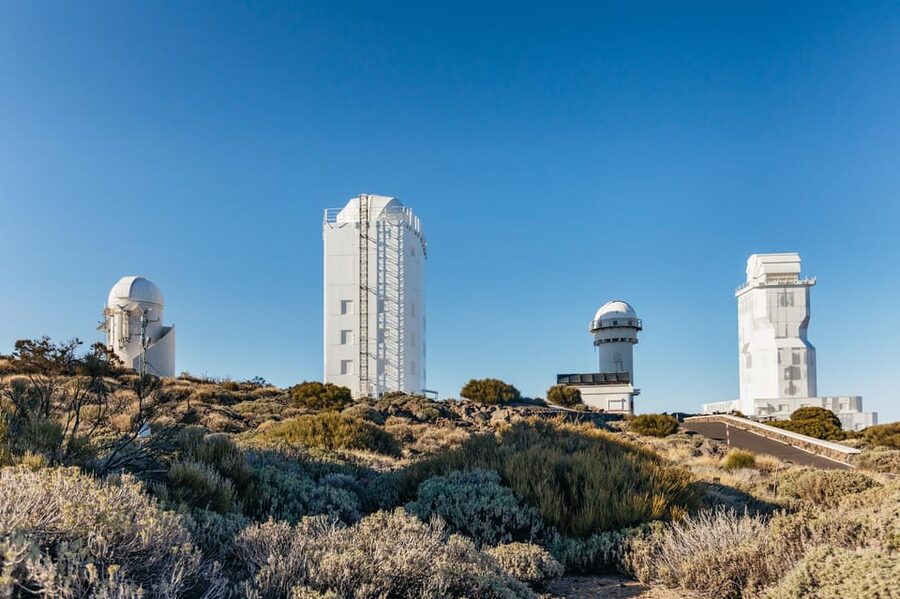
Teide is high. That means oxygen levels can feel lower and the temperature can swing between sunny spots and shaded areas. Even when it’s bright, the observatory area can be cold and windy, so you’ll want layers.
Bring:
- Warm clothing (not just a light jacket)
- Comfortable clothes
- Sunglasses and sunscreen
- Comfortable shoes for gravel paths
- Passport or ID for children (the tour notes kids need to confirm their age)
The best practical tip is to dress for two climates at once: strong sunlight up high, plus cooler wind once you’re at the facility. In practice, you’ll be in sun and shade during the tour, and the cold can surprise you if you show up in summer-only gear.
If you have respiratory issues, the tour is not recommended. Also, people with general physical health limitations—especially those affected by altitude—should take the note seriously. You’ll be moving around the facility on foot.
Getting there: why transport plans can shape your day
Transportation isn’t included, so how you reach Teide affects your stress level.
Many people choose a rental car to control timing, but you should expect winding roads and a mountain drive that can feel intense if you don’t usually drive in that kind of terrain. Public transport options might exist depending on your base area, but since transport isn’t included, you’ll need to plan your own route and return.
This matters because the tour itself is only 1.5 hours. If your arrival is delayed or your drive fatigues you, the tour can feel shorter and less enjoyable than it should.
How much is it, and is it good value at around $25?
At about $25 per person, this tour is strong value for what you get: guided access, entrance to the observatory, use of two solar telescopes, and access to a professional night telescope.
You also get the educational part that turns telescope time into understanding. Telescope viewing alone can be a short, passive experience. Here, the guide structure—intro, video, facility tour, observing stops—gives your brain something to hold onto.
That’s why it tends to land well for both beginners and astronomy fans. Beginners get safety, structure, and explanations. Astronomy-curious visitors get to see how solar and night observing work with dedicated instruments.
Food and drink aren’t included, so budget for a bottle of water (and don’t count on a long lunch break). If you arrive early, it’s smart to plan for waiting time with your own snacks or drinks.
Who should book this tour (and who might want a different day plan)
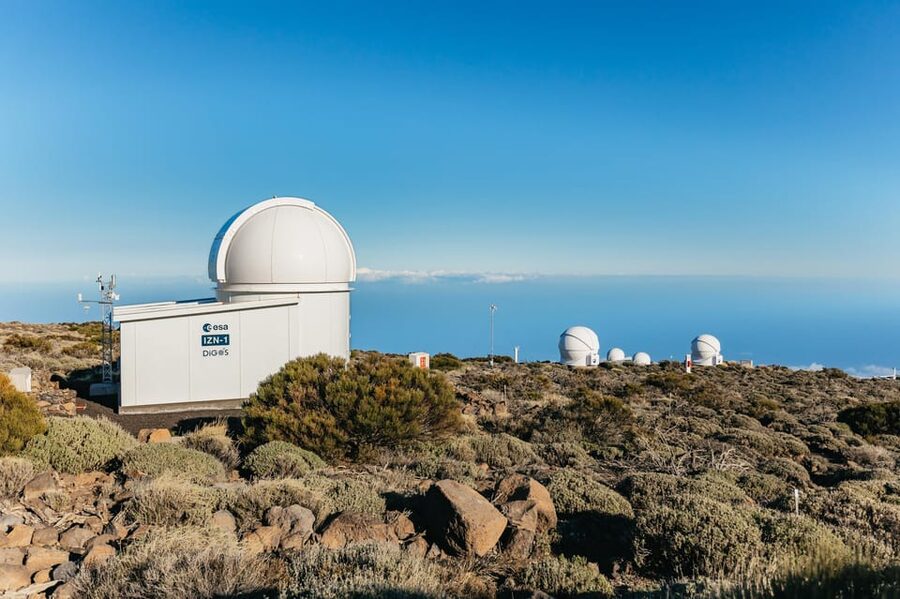
This tour fits best if you:
- enjoy science explanations you can actually follow
- want hands-on observing, not just a lecture
- are curious about how observatories operate on both day and night schedules
- want an experience that works even if you’re not an astronomy expert
It’s also a good fit if you’re visiting Tenerife for a limited time. You get a very distinctive Teide experience that goes beyond the volcano viewpoint alone.
It may be less suitable if you:
- have mobility impairments (gravel paths and movement around the facility)
- have respiratory issues
- are traveling with kids under 8 (the tour notes it’s not suitable under that age)
- hate cold or wind and can’t dress in layers
If you’re on the fence, think about your tolerance for altitude and walking at uneven ground. The science is worth it, but comfort matters.
What you’ll remember after: the science feeling real
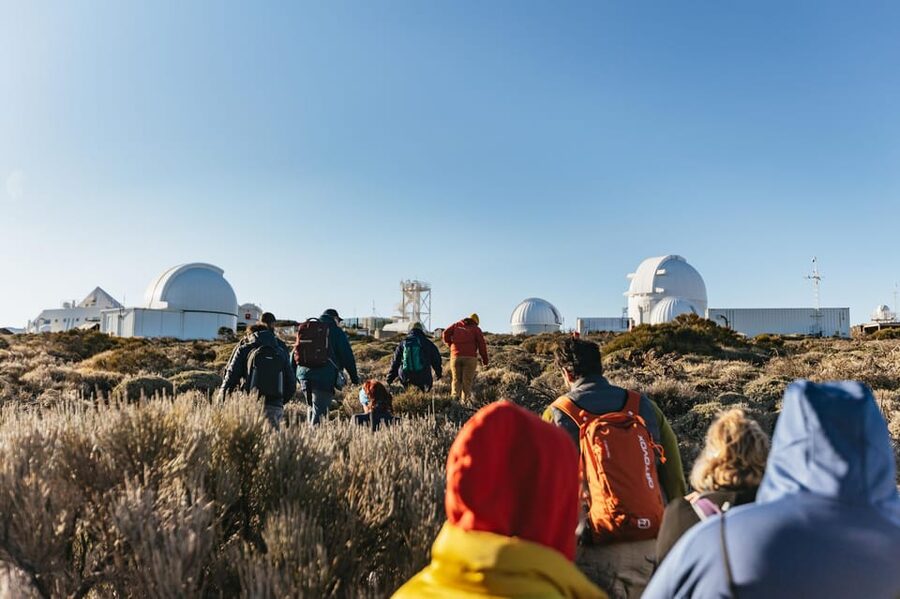
The reason this tour sticks with people is that it connects three layers:
1) the Sun, with features like sunspots and solar flares
2) the instruments that reveal those features
3) how observatories run as practical research spaces
When the guide explains what the filters and telescopes are doing, you stop treating the session like a novelty. You start seeing it like a guided lesson you can point to later when you look at the sky back home.
Should you book the Mount Teide Observatory guided tour?
Book it if you want a high-value, short, guided experience that combines real observing with clear explanations—especially if you’re excited by the idea of seeing the Sun through different solar setups and then learning what night telescopes do.
Skip or reconsider if altitude walking and cooler windy conditions could be an issue for you, or if you need a very relaxed, no-effort outing. Also, go in with the right expectation: you’re viewing solar features through specialized optics, not watching explosions with the naked eye.
If you’re able to dress warm, protect your skin, and handle a little altitude, this is one of the most worthwhile Teide add-ons you can make.
FAQ
How long is the Mount Teide Observatory guided tour?
It lasts about 1.5 hours.
What’s included in the tour price?
You get entrance to Mount Teide Observatory, a guided tour, use of two solar telescopes, and access to a professional night telescope.
What will I be able to see during the tour?
You’ll observe the Sun using two different solar telescopes—one for sunspots and another for solar flares—then visit one of the night telescopes to learn how it observes the sky.
Do I need sun protection and warm clothes?
Yes. The altitude can make UV protection important, and conditions at the top can be cold. Bring sunglasses, sunscreen, and warm clothing.
Is the tour suitable for children?
Children must confirm their age with a passport or ID card. The tour is not suitable for children under 8.
Will the tour be in English?
The live guide is available in English, Spanish, German, and French.
Is transportation included?
No. Transportation is not included, so you’ll need to arrange your own way to and from the meeting point.
Is the observatory tour recommended for people with mobility issues or respiratory problems?
The tour notes it is not suitable for people with mobility impairments and it also advises against people with respiratory issues, because of the altitude and the gravel walking.
Are there entry concerns due to altitude?
The observatory sits at about 2,400 meters above sea level, where oxygen diminishes. Groups move about on gravel paths, so physical fitness and how you handle altitude matter.