REVIEW · TENERIFE
Stargazing on La Palma
Book on Viator →Operated by NAUTIC STARS La Palma · Bookable on Viator
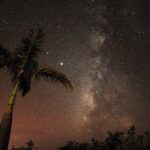
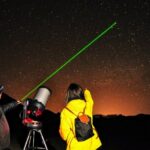
A dark sky and a live guide make the universe feel close. This private stargazing session with NAUTIC STARS La Palma pairs hands-on watching with a story-led tour of the night sky, using professional telescopes so you’re not just looking, you’re learning what you’re looking at. You’ll cover planets, star clusters, galaxies, the Milky Way, and the constellations that people have used for navigation through history.
I especially like how the experience stays personal, and how Andreas can slow down when you have questions. One thing to consider: it’s weather dependent, and you’ll need to make it to the meeting point yourself since transportation isn’t included.
In This Review
- Key highlights at a glance
- La Palma astronomy, Tenerife meeting point, and what that means
- The 8:00 pm start at Mirador de la Cancelita (plan for the night)
- Meet Andreas: why a private guide makes the sky click
- Through the Pro telescope: planets, star clusters, galaxies, and the Milky Way
- Constellations and sky stories that actually help you navigate
- Astrophotography: the chance to get usable night-sky memories
- Group size, privacy, and what the private setup changes
- Price and value: what $50.46 buys you
- Weather and timing: the one thing that can’t be forced
- Practical tips so you enjoy every minute
- Who this stargazing tour suits best (and who might skip it)
- Should you book this stargazing tour?
- FAQ
- Where does the stargazing tour start?
- What time does the tour begin?
- How long is the experience?
- Is private transportation included?
- What’s included in the tour?
- Is this a private experience?
- What happens if the weather is poor?
Key highlights at a glance
- A private guide for just your group, not a crowded bus-stop vibe
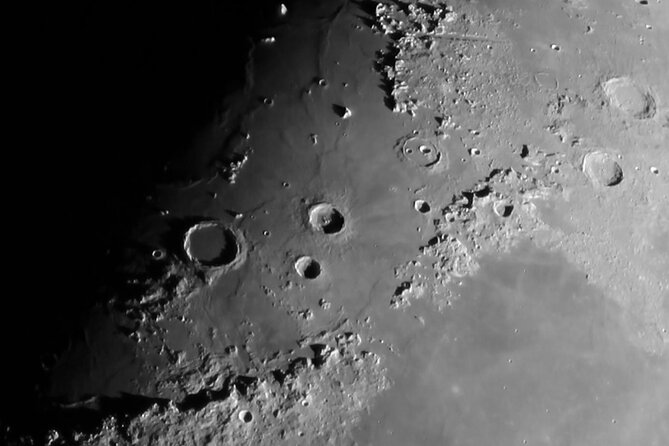
- Pro telescope time so targets look like targets, not distant pinpoints
- Constellations and deep-sky objects explained in plain language
- Astrophotography included in the program, plus photos you can keep
- English-led experience, with Andreas also using other languages when helpful
La Palma astronomy, Tenerife meeting point, and what that means
This activity is operated by NAUTIC STARS La Palma, but it starts from the Mirador de la Cancelita area in El Paso (Santa Cruz de Tenerife). The practical takeaway for you: treat it as a Tenerife-based stargazing outing with a La Palma–branded astronomy focus. That’s actually useful, because you’re getting a structured session with a guide and a telescope, regardless of where you plan to call it in your head.
What you’re paying for here is not just sky time. It’s interpretation time. You get commentary about planets, stars, and galaxies, plus help connecting the dots between what your eyes see and what the objects actually are. If you’ve ever looked up and felt lost, this kind of guided matching is the whole point.
The other reason I like this format: you’re not forced through a rigid script. The private nature means you can ask what you want to ask, and you don’t have to pretend you understood when you didn’t.
You can also read our reviews of more tours and experiences in Tenerife.
The 8:00 pm start at Mirador de la Cancelita (plan for the night)
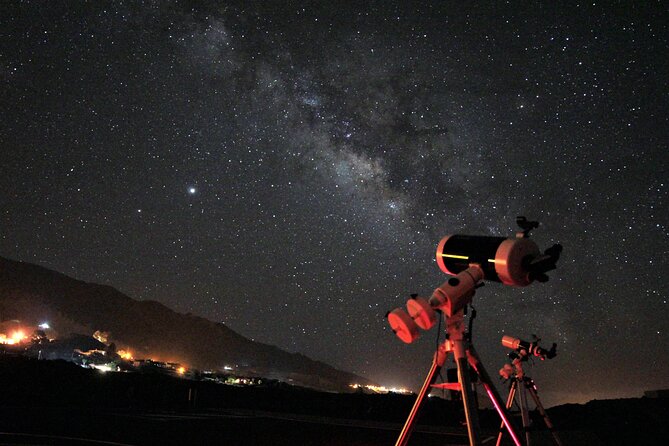
The meeting point is at Mirador de la Cancelita, El Paso, Santa Cruz de Tenerife, starting at 8:00 pm. The activity runs about 2 hours, and it ends back at the meeting point. That return matters if you’re thinking about where to get dinner after or how to time your evening in the area.
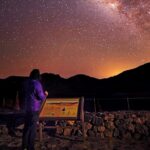
Because this is a viewpoint (a mirador), you’re likely dealing with typical night conditions: changing temperatures and reduced visibility. I’d plan for the possibility that you’ll want a warm layer, and you’ll want your phone charged enough for anything you plan to do on your own.
One more practical note: private transportation isn’t included. So you’ll want to have a plan for getting there and back. If you’re staying in a nearby area and can drive or arrange a ride, you’re good. If you’re relying on public transit, the simplicity of “start and finish here” can still work, but build extra buffer time.
Meet Andreas: why a private guide makes the sky click
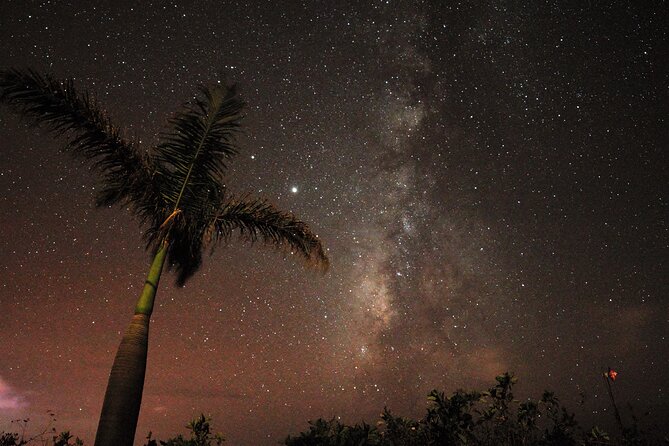
The guide you’ll work with is Andreas, and he comes across as friendly and patient in the way he teaches. The private format is a big part of the value. When you’re not squeezed into a big group, you can ask questions and get answers in the moment, instead of saving them for later or giving up.
Andreas also explains how people around the world (and across history) have navigated the night sky. That adds a human layer to what could otherwise be a cold list of objects. You’re not just learning names. You’re learning why those names mattered.
Language is another practical win. The experience is offered in English, and Andreas is known to work in other languages as well (including German and Spanish). So if your group has mixed language comfort, you might find the session easier to follow than a strictly one-language setup.
Through the Pro telescope: planets, star clusters, galaxies, and the Milky Way
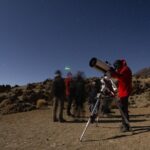
The core observational promise is that you’ll get to see planets, star clusters, galaxies, and the Milky Way using a pro telescope. That matters because stargazing from the street or your hotel balcony often turns into “a guessing game.” Here, the telescope time is part of the lesson, not an optional add-on.
What you can expect to cover in plain terms:
- Planets: You may spot bright targets when the sky cooperates, including planets like Saturn on clear nights.
- Star clusters: These are great for learning scale, since clusters often look like nothing until someone helps you understand how they’re grouped.
- Galaxies: Galaxies are faint compared with the Milky Way, so guidance helps you aim and interpret what you’re seeing.
- The Milky Way: You’ll get context for what it is and how it fits into our larger cosmic neighborhood.
One smart way to get more out of this: treat each object as a learning moment. Ask what you should be looking for—shape, brightness, or location in the sky—then compare what you see with what you’re told. That feedback loop is what turns the experience from pretty to memorable.
Constellations and sky stories that actually help you navigate
A lot of stargazing tours point at random stars and say their names. This one goes further with descriptions of constellations and the objects you’re observing that night. That’s how you start building a mental map.
I like that you’ll get an explanation of constellations and how objects were used historically. It makes the sky feel less like decoration and more like a real tool people relied on. It also helps you remember what you saw. When you understand why a pattern mattered, it sticks.
This is also where a patient guide earns their keep. If something doesn’t make sense the first time, you don’t have to pretend. You can ask again and keep your bearings in a calmer way than you’d get in a group where the pace is faster than your understanding.
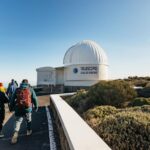
Astrophotography: the chance to get usable night-sky memories
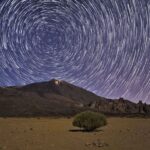
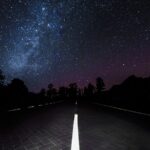
This experience includes astrophotography as part of the program, and you may also receive photos afterward. That’s a practical benefit. Even if you take decent photos yourself, night sky images are hard because of focus, exposure, and shake. A guided session helps you avoid the most common mistakes.
The main value isn’t turning you into a photographer in two hours. It’s that the experience gives you night-sky images you can keep, which makes the whole thing easier to share and remember.
If you’re the type who likes to tinker, this is also a good time to ask about what settings and techniques matter. The tour’s telescope focus means your questions are likely to get answered in context, not as generic photography advice.
Group size, privacy, and what the private setup changes
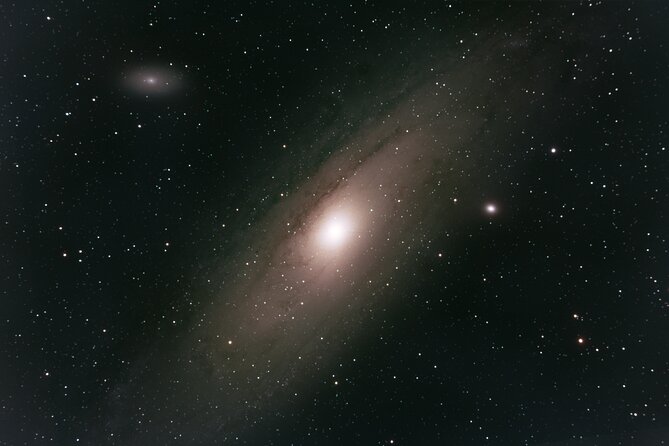
This is a private tour/activity, meaning only your group participates. That changes the feel in three ways.
First, you get a more natural pace. You can ask questions without the guide having to rush to the next target to keep a bigger group moving. Second, you can actually pay attention to the sky instead of managing conversations with strangers. Third, the guide can adapt explanations to your group’s comfort level—especially if people in your group are brand new to stargazing.
Your group can be small or mixed in interest. The tour works whether you want to go full science-brain mode or just want to understand what those lights in the dark actually are. That flexibility is a big part of why people rate it so highly.
Price and value: what $50.46 buys you
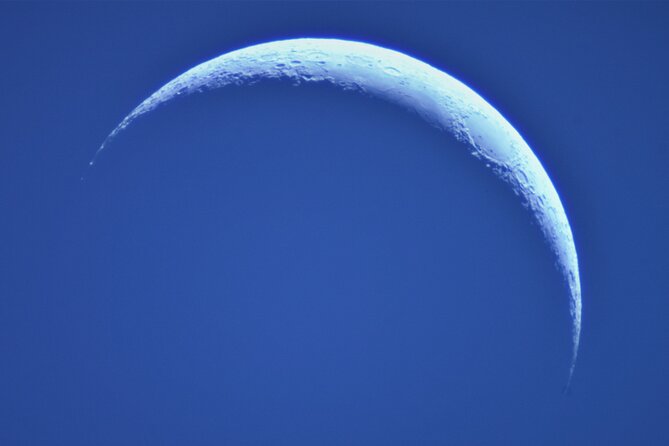
At $50.46 per person for about 2 hours, the pricing feels reasonable when you think about what’s included. You get a telescope and guided commentary built around real observation targets: planets, star clusters, galaxies, and the Milky Way.
The telescope inclusion is the key value piece. If you’ve ever tried to DIY stargazing with a basic handheld setup, you know how quickly costs and frustration pile up. Here, you’re paying for access to proper equipment plus the coaching to use it.
What’s not included is private transportation, so your true cost depends on how you get to the mirador. If you already have a car or can arrange a ride easily, you’ll probably feel like you got your money’s worth. If you have to spend a lot to get there, the experience shifts from bargain to simply fair. Still, the two-hour, private-guide structure helps justify the spend.
Also worth noting: the experience is typically booked about 19 days in advance on average. That’s a good sign if you’re aiming for a specific date and want to avoid last-minute availability issues.
Weather and timing: the one thing that can’t be forced
Stargazing lives and dies by the sky. This experience requires good weather. If it gets canceled due to poor weather, you’ll be offered a different date or a full refund. And if a minimum number of travelers isn’t met, you’ll also be offered a different date/experience or a full refund.
That means your best move is to treat this like a flexible night. If you’re in the area for multiple days, having a backup date mindset will make this feel smoother. If you’re on a tight itinerary with one single night available, you might want to double-check your schedule before booking.
When the skies do cooperate, this kind of guided telescope session is exactly when the value shows. Clear conditions help targets pop and help you actually appreciate the differences between planets, clusters, and galaxies.
Practical tips so you enjoy every minute
I’ll keep this grounded in what the tour is: a night observation session starting at 8:00 pm, guided by Andreas, using a pro telescope, and ending back where you started.
Here’s what helps you get the most out of those two hours:
- Wear something warm enough for standing outside. Night temperature swings are real at viewpoints.
- Arrive a few minutes early so you’re not rushing while it gets dark.
- Keep your questions simple at first: what object is next, and what should I look for?
- If you care about photos, ask what’s possible during the session and when you’ll receive them afterward.
The bigger tip is mental: go in expecting to learn. If you treat it like a one-off star-watching show, you’ll still have fun. If you treat it like a guided lesson, you’ll leave with a sky map in your head instead of just a memory of darkness.
Who this stargazing tour suits best (and who might skip it)
This is a great fit if you:
- Want a private, guided astronomy experience instead of a fast group tour
- Like learning what you see, not just seeing it
- Want access to a telescope and a chance at night-sky photos
- Prefer English-led teaching, with flexibility if other languages show up in your group
You might reconsider if:
- You need fixed plans with no weather risk. Since the activity depends on good weather, a clear-sky night isn’t guaranteed.
- You don’t have an easy way to reach the meeting point without paying for private transportation.
If you’re flexible and curious, you’ll probably walk away feeling like the sky finally made sense.
Should you book this stargazing tour?
If you want an evening that’s part science lesson, part sky adventure, and part take-home memory, I’d book it. The combination of a private guide, pro telescope use, and explanations of planets, constellations, and galaxies is hard to beat at this price point—especially with the photos afterward as a bonus.
Just make sure you can handle the weather-dependent nature and that you’ve planned how you’ll get to Mirador de la Cancelita. If those two pieces are in place, this is an excellent way to spend a Tenerife night with real astronomy coaching and a view you’ll still think about later.
FAQ
Where does the stargazing tour start?
It starts at Mirador de la Cancelita Cam, Mirador de la Cancelita, 10, 38758 El Paso, Santa Cruz de Tenerife, Spain.
What time does the tour begin?
The start time is 8:00 pm.
How long is the experience?
It lasts about 2 hours.
Is private transportation included?
No. Private transportation is not included, so you’ll need to arrange your own way to the meeting point.
What’s included in the tour?
A telescope is included.
Is this a private experience?
Yes. It’s a private tour/activity, and only your group will participate.
What happens if the weather is poor?
The experience requires good weather. If it’s canceled due to poor weather, you’ll be offered a different date or a full refund.