REVIEW · LA PALMA
La Palma: VIP Night Sky Tour With Your Own Telescope
Book on GetYourGuide →Operated by StArt La Palma · Bookable on GetYourGuide
A telescope and La Palma’s sky in 90 minutes. This VIP stargazing tour is built around two things I really like: your own private telescope and more unhurried time to ask questions with guides María José and Nicolás. You start with the sky in plain sight, then move up in power until galaxies and nebulae start to feel close.
The main thing to keep in mind is weather-driven logistics. Meeting point, start time, and even the setup can shift if wind, clouds, humidity, or alerts interfere, and there’s a chance you’ll be moved to a sheltered option.
In This Review
- Key Points Before You Go
- La Palma’s Night Sky, Explained in Human Terms
- Why This Is a VIP Tour (Not Just a Bigger Telescope)
- The 90-Minute Flow: From Naked Eye to Your Telescope
- 1) Welcome and orientation at a certified viewpoint
- 2) Naked-eye stargazing with laser guidance
- 3) Binoculars for wide, “big picture” sky areas
- 4) The telescope time: Moon and planets first, then deep sky
- 5) Personalized pacing and Q&A that doesn’t feel rushed
- The Two Typical Viewpoints: Llano del Jable vs. Llano de Las Ventas
- Llano del Jable (Llano del Jable Astronomical Viewpoint)
- Llano de Las Ventas (Llano de Las Ventas Astronomical Viewpoint)
- When the Weather Changes the Plan (And You Still Get a Good Night)
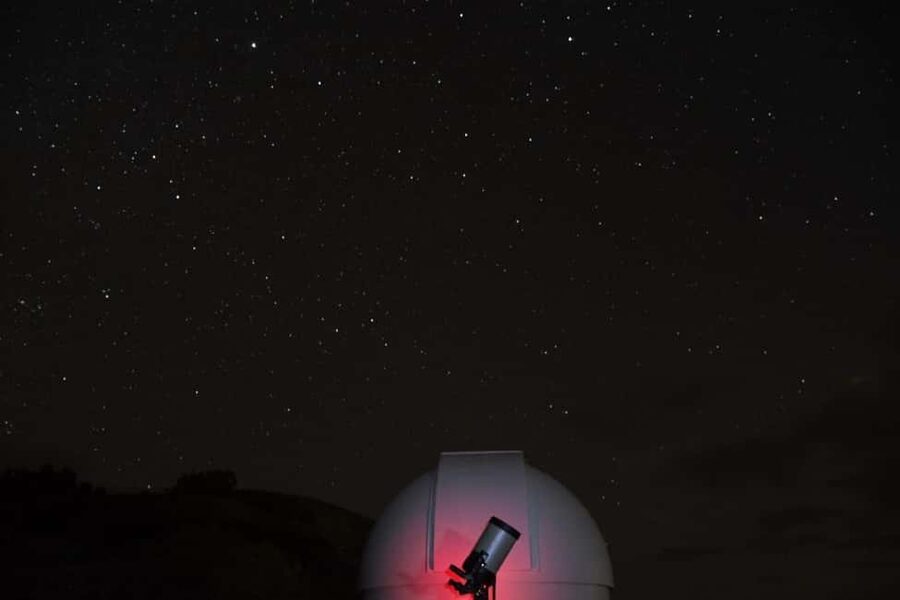
- The VIP Telescope Part: What You’ll Actually Do With It
- What to Wear: The Part People Underestimate
- Price and Value: Is $58 Worth It
- Languages, Guide Style, and the One Tradeoff to Note
- Logistics You Should Plan Around (Without Stress)
- Who This Tour Is Best For
- Should You Book This La Palma VIP Telescope Tour?
- FAQ
- How long is the VIP night sky tour in La Palma?
- How big is the small group?
- Do I get a telescope just for my booking?
- Where does the tour meet?
- What if the weather is bad?
- What kinds of things will I see?
- Is food or a bathroom included?
- What should I bring?
- What languages is the tour offered in?
- Is there a cancellation policy or reserve now pay later option?
Key Points Before You Go
- Your own reserved telescope for your booking, so you are not sharing view time in a crowded line
- Small group (max 10) that keeps the atmosphere calm and lets you actually talk to the guide
- Certified astronomical viewpoints at Llano del Jable or Llano de Las Ventas, both near Santa Cruz
- Laser pointer + binoculars for quick sky orientation before you go deep with the big scope
- Full-moon adjustment: the experience can focus on the Moon’s beauty and meaning when it’s bright
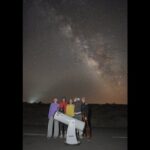
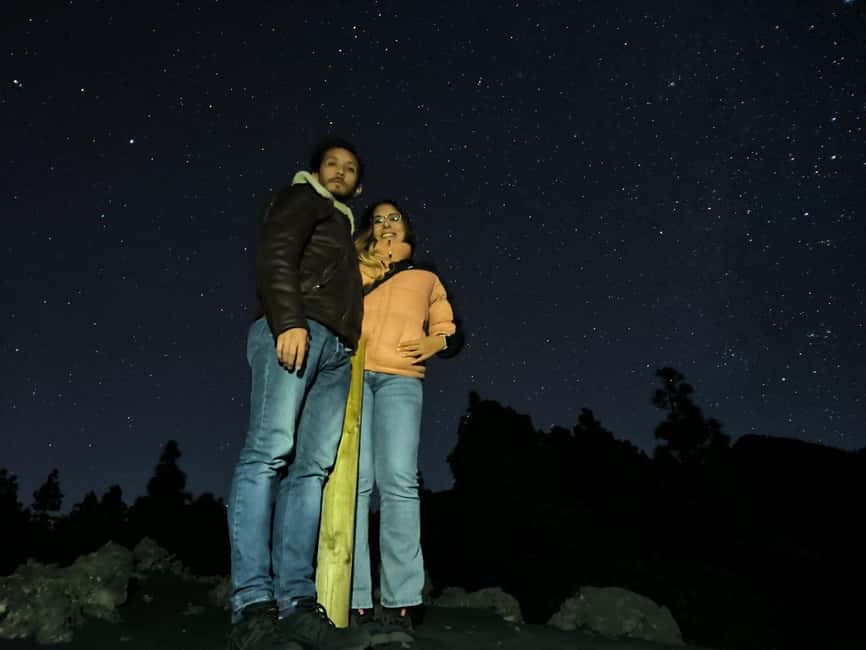
- 3 professional starry photos included for a night you’ll want to remember clearly
La Palma’s Night Sky, Explained in Human Terms
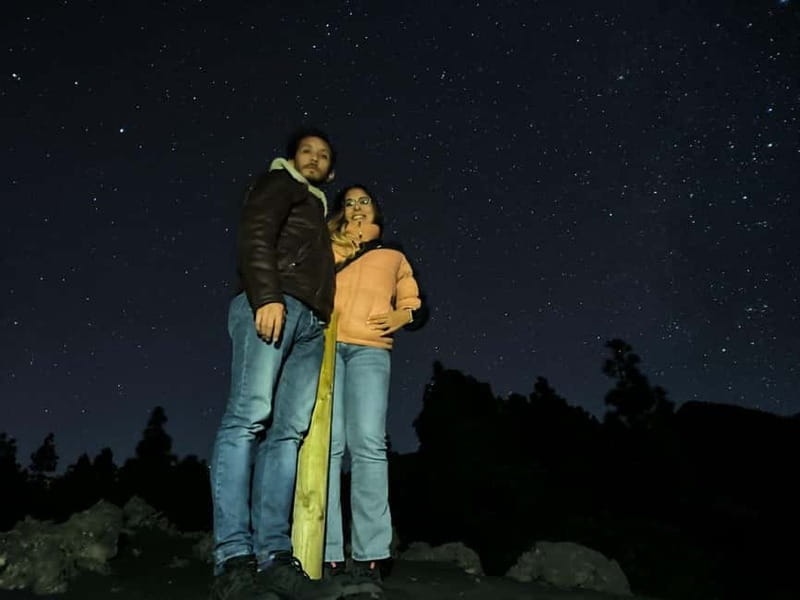
La Palma is famous for dark skies, and this tour is designed to use that advantage well. Instead of rushing you through a checklist, the guides pace the night so you can learn what you’re seeing as you see it.
What makes it work is the mix of tools and teaching style. You’re not expected to know star names first. You start with constellations, then add binocular views, and only later point the bigger telescope at the objects that match the night’s conditions.
If you want a stargazing experience that feels like real astronomy for normal people, this is the kind of tour that gets the balance right.
You can also read our reviews of more tours and experiences in La Palma.
Why This Is a VIP Tour (Not Just a Bigger Telescope)
The headline is simple: you get your own private telescope reserved exclusively for your group booking. That matters more than it sounds. With night sky tours, the bottleneck is almost always time at the scope. Here, your group gets extra time, and you can ask questions while the telescope is aimed at what interests you most.
Second, the tour is intentionally small: up to 10 participants. That size helps the guide keep track of who is ready to focus, who needs things explained more slowly, and who wants to try a different object. It also keeps the “wait-your-turn” feeling from taking over the night.
You’ll also get a guided flow that covers myths and legends alongside science. That keeps the sky from feeling like cold facts. The sky becomes stories you can connect to, then ideas you can test with your eyes.
The 90-Minute Flow: From Naked Eye to Your Telescope
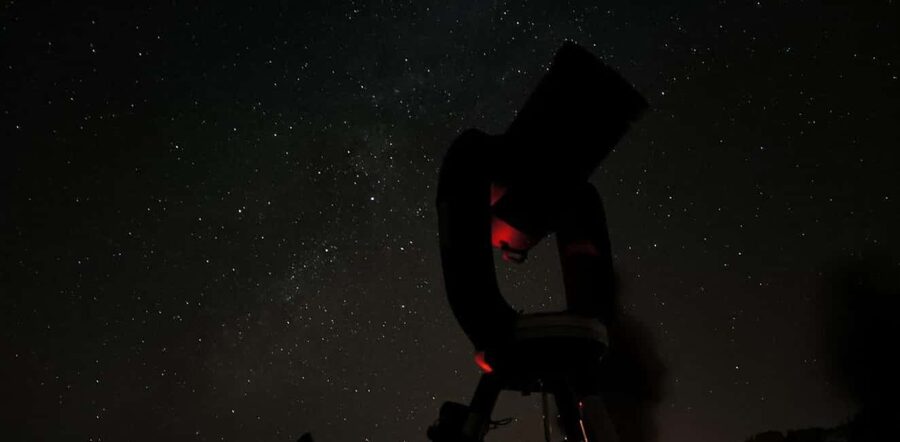
This tour runs about 1.5 to 1.75 hours, depending on questions and group interest. The best part is that the time feels like it’s used for learning, not just standing in the dark.
Here’s how the night typically unfolds, in a way that makes sense if you’re new to astronomy:
1) Welcome and orientation at a certified viewpoint
You begin with a warm welcome and an introduction from the team. Then you get set up in one of La Palma’s certified astronomical viewpoints.
Two public options are used most often:
- Llano del Jable (about 1,341 meters)
- Llano de Las Ventas (about 1,320 meters)
Both are roughly 39 minutes from Santa Cruz (Cancajos and Los Llanos area). In practice, the tour will confirm which one you’re using on the day, because it depends on sky conditions.
2) Naked-eye stargazing with laser guidance
Before the telescope, you’ll observe constellations, planets, and satellites with your naked eye. A laser pointer helps you find the most interesting targets in the sky without guessing.
This is a smart start. It trains your eyes to recognize shapes and positions. You also start learning basic sky navigation, which makes the later telescope views much less intimidating.
3) Binoculars for wide, “big picture” sky areas
Next you use binoculars to explore wider regions. The guide shares explanations that mix scientific context with myths and legends tied to what you’re looking at.
Binoculars are underrated for stargazing. You get to see texture and variation without the narrow, tunnel-vision feeling you can get when magnification jumps too fast.
4) The telescope time: Moon and planets first, then deep sky
After the early sky work, you shift to the more powerful telescope. What you can see depends on the night’s availability and conditions, but the tour description points to views like the Moon and planets such as Jupiter or Saturn, when visibility allows.
Then comes the part most people remember: galaxies, nebulae, and star clusters. This is where the sky stops being “pretty” and becomes structured. You’ll get guided pointing, and because it’s VIP, you’re also allowed to steer the experience by choosing objects you want to see.
5) Personalized pacing and Q&A that doesn’t feel rushed
The tour is built to give you more time than a general group. You can ask questions and point the telescope where you wish, within the limits of what the sky allows at that moment.
This matters if you have curiosity beyond the basics. If you ever wanted to ask why an object looks the way it does, or how astronomers think about distance and brightness, this is the format that supports it.
The Two Typical Viewpoints: Llano del Jable vs. Llano de Las Ventas
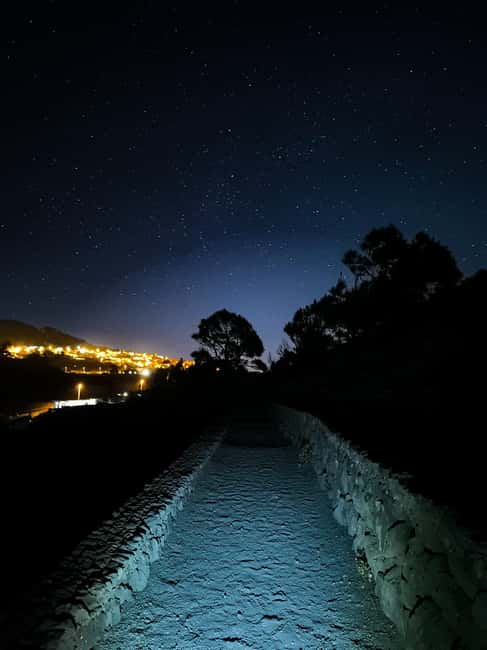
These two meeting areas are close (about five minutes apart), but they’re not the same experience. Both are used because they’re certified astronomical viewpoints and have parking nearby, which makes them practical in real life.
Llano del Jable (Llano del Jable Astronomical Viewpoint)
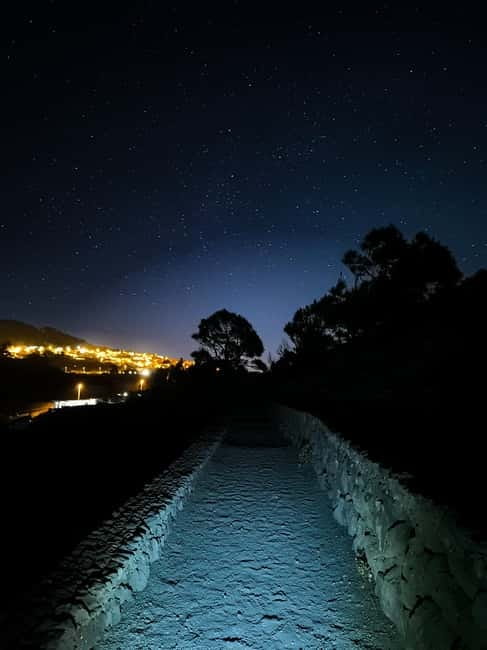
You’ll typically reach it by car, with parking available. On arrival, you’re asked to park with headlights facing the road to avoid blasting light toward the observing area.
From there, you move toward the group using a red light so you don’t ruin night vision for others. If you don’t have red light, you can use a white light, but it should be pointed at the ground.
Llano de Las Ventas (Llano de Las Ventas Astronomical Viewpoint)
This is a second common site, again with parking. The arrival etiquette is the same: dim lights, use red where possible, and keep the group’s dark adaptation intact.
In both cases, the meeting point and start time are confirmed on the day based on conditions like wind, humidity, clouds, haze, site occupancy, and where key objects are in the sky.
When the Weather Changes the Plan (And You Still Get a Good Night)
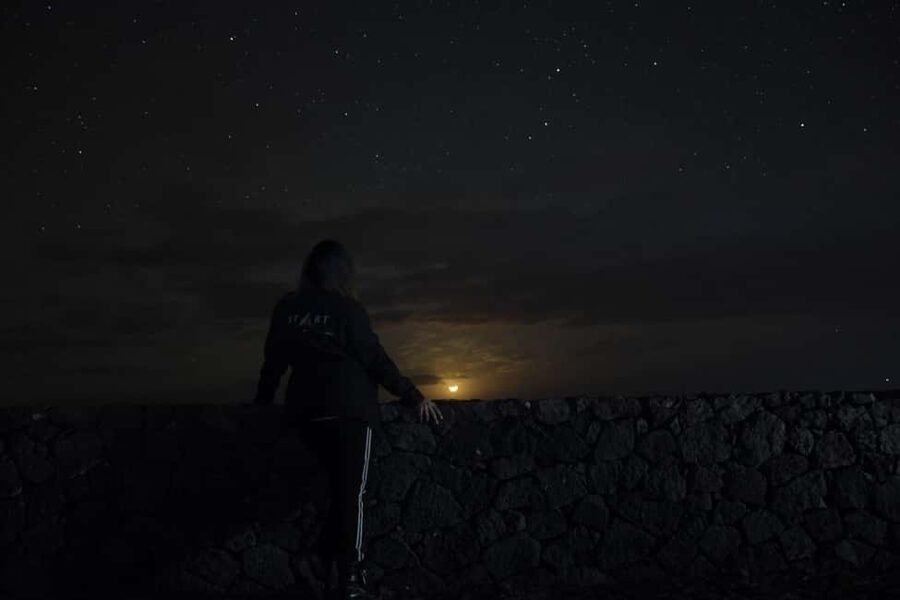
Outdoor stargazing is always weather-dependent. This tour is upfront about that, and it’s part of the value.
If the usual sites are not suitable because of clouds, wind, or official alerts, the tour may move to a private indoor or sheltered location when available. One alternate mentioned is a private spot at the San Antonio Volcano area in Fuencaliente, about 633 meters elevation, roughly 40 minutes from Santa Cruz (Cancajos and Los Llanos) and about 15 minutes from the Princess Hotel.
Even when you don’t get the exact starting location, the goal stays the same: keep the experience safe and workable. You should expect that the setup and timing can shift a bit, and you’ll want to be ready to adapt.
Practical tip: keep your phone on and check WhatsApp/email/SMS the same day. The meeting details are confirmed after conditions are evaluated.
The VIP Telescope Part: What You’ll Actually Do With It
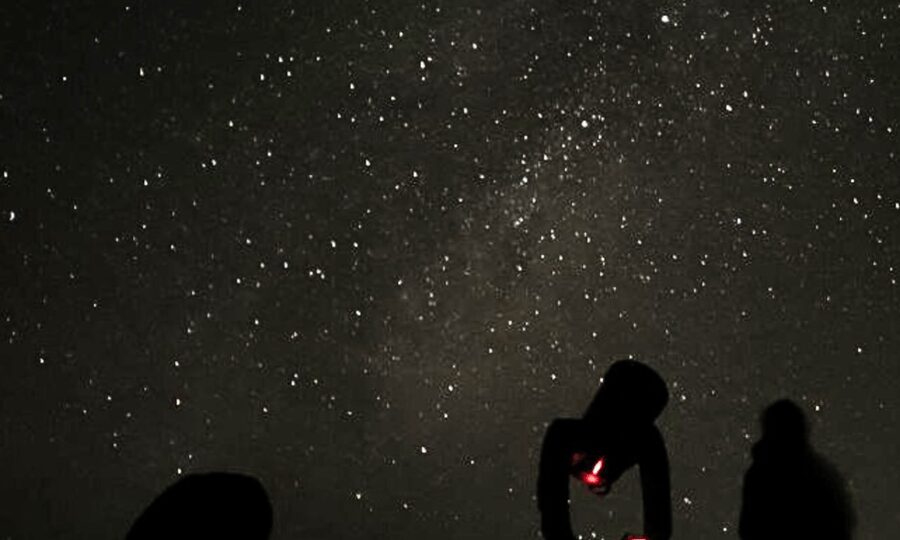
A lot of telescope tours say VIP, then you still rotate through quickly while the guide does most of the aiming. This one is structured differently.
You’re guided by a certified astronomical monitor, and you’ll use your telescope at your group’s pace. That includes:
- spending more time than general sessions
- adjusting your view so it works for your eye
- asking questions while the telescope is pointed at what you want to see
That last point is key. In astronomy, you can’t always see everything every night. But you can still have a meaningful experience if your guide helps you choose the best targets that are available right now. This is where the “feel like an amateur astronomer for a night” idea becomes real.
Also, note that the tour explicitly says it avoids observing at Roque de Los Muchachos. You still get deep-sky experiences through the planned viewing locations and telescope access, but if that specific site matters to you, set expectations accordingly.
What to Wear: The Part People Underestimate
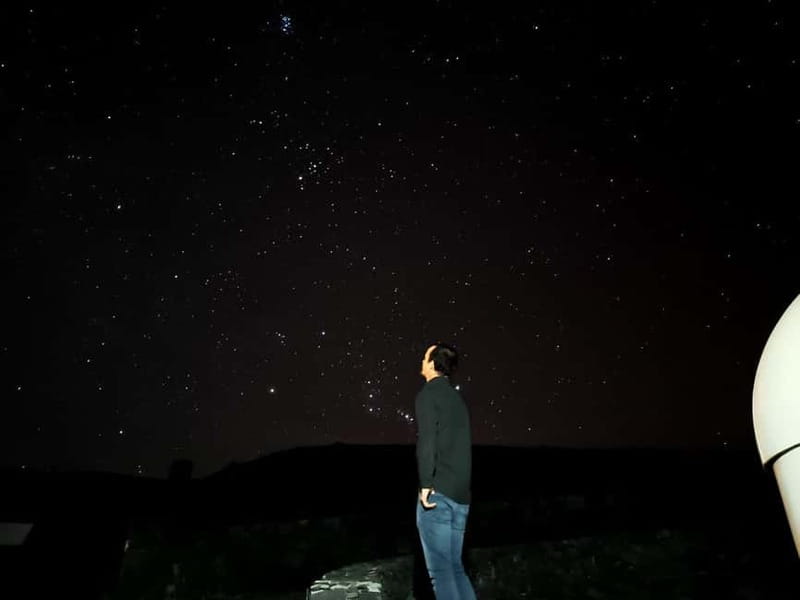
On La Palma hilltops, it can get cold fast. The tour is not indoors, and you’ll be standing and waiting between targets while the guide explains what’s overhead.
Bring:
- warm clothing
- comfortable clothes
- warm shoes
If you’re tempted to dress lightly because you’ll be moving a lot, don’t. Stargazing nights can mean long moments of stillness, and cold will pull your attention away from the sky.
Price and Value: Is $58 Worth It
At $58 per person, this tour sits in a reasonable “experience” category for a VIP night-sky session. What makes it feel like value is what you’re paying for beyond narration.
You’re getting:
- a small group capped at 10 people
- a private telescope reserved for your booking
- extended telescope time and the freedom to aim where you want
- guided naked-eye viewing plus binocular support
- 3 professional starry photos included
Those photos are not just a nice-to-have in my view. At night, it’s easy to feel like you saw something fleeting, even when it was real. Having professional starry photos gives you a tangible memory of the session and the sky conditions.
The tradeoff is that you need to accept the outdoor reality: no food, no bathrooms, and no guaranteed exact meeting point every night.
Languages, Guide Style, and the One Tradeoff to Note
The tour runs in English and Spanish. The guides’ names are María José and Nicolás, and the tone from the available feedback suggests strong friendliness and a passion for teaching.
One practical consideration: if you’re very sensitive to language clarity, you may want to mentally prepare that explanations can vary by language proficiency on any given night. The overall effort is clearly there, but communication quality can swing slightly.
If that would stress you out, choose the language you feel strongest in, and arrive ready to ask questions in your best language.
Logistics You Should Plan Around (Without Stress)
A few details will make your night smoother:
- You start and end at the same astronomical viewpoint.
- Arrive about 15 minutes early so you can find the group and settle in without disrupting others.
- Park with your headlights facing the road, not toward observers.
- Use a red light to walk toward the group. If you only have white light, point it at the ground.
- On arrival, identify your booking by asking for María José or Nicolás and stating your reservation name.
Also, transfers are not included. You’re responsible for getting to the meeting point from your side. And bathrooms and food are not included, so plan accordingly before you head up.
Who This Tour Is Best For
This VIP telescope tour is a good fit if you:
- want a small group sky experience without the chaos of large crowds
- care about hands-on telescope time (and not just a guided lecture)
- are curious about both the science and the stories behind the constellations
- like asking questions and adjusting your viewing choices in real time
It’s also a solid option for first-timers. The laser pointer, binocular stage, and step-by-step progression keep things approachable.
If you’re an advanced astronomy nerd who wants very specific technical targets every night, this might feel more guided than you expect. But if your goal is to see more than you could on your own and to understand it while you look, you’ll likely enjoy the structure.
Should You Book This La Palma VIP Telescope Tour?
Book it if you want a private-feeling stargazing experience that respects your pace. The combination of a small group, reserved telescope time, laser-guided orientation, and the chance to steer what you look at is the core reason this tour makes sense.
Skip or rethink if you:
- hate weather uncertainty and don’t like last-minute changes
- need on-site food or bathroom access
- are expecting a fixed location every night with no possibility of moving to a sheltered setup
If you can handle cold and flexibility, this is the kind of night that helps you remember the sky as a place you can understand, not just something you passively watch.
FAQ
How long is the VIP night sky tour in La Palma?
The experience lasts about 90 minutes (between 1.5 and 1.75 hours), depending on questions and interest of the group.
How big is the small group?
The group is limited to a maximum of 10 participants.
Do I get a telescope just for my booking?
Yes. Your booking includes a private telescope reserved exclusively for your group.
Where does the tour meet?
The meeting point is at one of La Palma’s public astronomical viewpoints: Llano del Jable or Llano de Las Ventas, and the exact location and time are confirmed on the day based on weather and sky conditions.
What if the weather is bad?
The activity depends on outdoor conditions. The team may postpone, relocate, or cancel if safe observation isn’t possible, and sometimes a private indoor or sheltered location may be used when available.
What kinds of things will I see?
You’ll start with constellations, planets, and satellites with the naked eye, then use binoculars, and later observe with the telescope. Depending on sky conditions, there may also be views of the Moon and planets like Jupiter or Saturn, plus galaxies, nebulae, and star clusters.
Is food or a bathroom included?
No. Food and bathrooms are not included.
What should I bring?
Bring warm clothing, comfortable clothes, and warm shoes.
What languages is the tour offered in?
The live guide is available in English and Spanish.
Is there a cancellation policy or reserve now pay later option?
Free cancellation is available up to 24 hours in advance for a full refund, and you can reserve now and pay later to keep your plans flexible.