REVIEW · TENERIFE
Teide National Park: Guided Large Telescope Stargazing Tour
Book on GetYourGuide →Operated by Astrophototour · Bookable on GetYourGuide
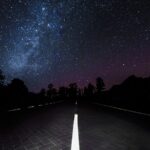
The stars here look close enough to touch. In Teide National Park, you get a guided night-sky session built around a 32-inch private telescope and a guide who can turn the universe into something you can actually follow, not just stare at. The small-group size keeps it personal, and you’ll often end the night with photos you’ll want to show people back home.
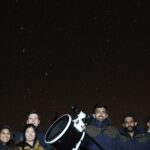
I love two things most. First, the sheer jump in detail from the 32-inch telescope is real: you’re not just seeing points of light, you’re catching galaxies, nebulae, and other deep-sky targets that most standard setups won’t tease out. Second, you get time at the eyepiece in a small group (up to 12), so questions don’t get buried and your viewing doesn’t feel rushed.
One thing to plan for: Teide weather matters. Strong winds can interrupt telescope use, and the meeting time and exact GPS spot shift based on wind and conditions, so you should pack for cold and be ready for a plan change.
In This Review
- Key things that make this stargazing tour worth your time
- Getting to the Teide viewing area: the “small details” that shape the whole night
- The 32-inch Grand Scope: what you can realistically see in 3 hours
- Night Vision Voyage: a 12-inch telescope that changes the mood of the sky
- The astrophotography package: photos you can actually use, not just souvenirs
- The guide experience: Alessandro’s storytelling style and the Q and A time
- Timing and weather: what changes, what doesn’t
- Price and value: why $58 can feel fair here
- Which option should you pick: Grand 32 vs Night Vision Voyage vs Exclusive Starlight
- Practical expectations: what to bring, what to expect at the end, and what to do with your photos
- Should you book this Teide telescope stargazing tour?
- FAQ
- How long is the Teide National Park stargazing tour?
- What’s the group size?
- What telescopes are used?
- Are photos included?
- Where do I meet, and when will I get the details?
- Is hotel pickup or drop-off included?
- What languages are available?
- What should I bring and what isn’t allowed?
- Is the tour suitable for young children?
Key things that make this stargazing tour worth your time
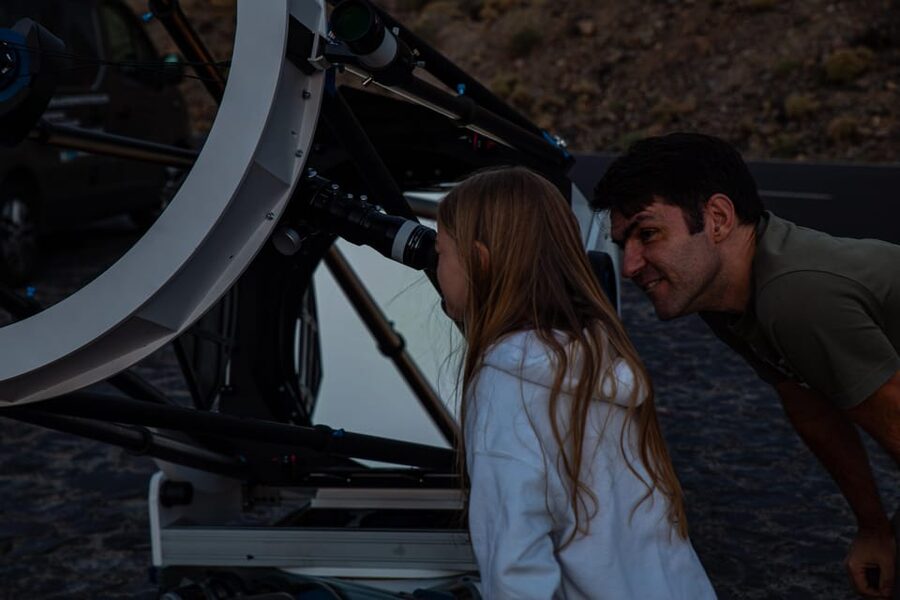
- 32-inch Dobsonian (Grand 32 scope) for sharp, bright views of galaxies, nebulae, and seasonal targets
- Night Vision Voyage using a modified 12-inch telescope with a light-amplifying system for a different kind of seeing
- Professional astrophotography package including a dedicated cooled astro-camera and images from your session
- Small-group pacing so you rotate through the best viewing moments with real Q and A time
- Wind-aware operation that can switch you to photos and naked-eye constellations if conditions won’t cooperate
Getting to the Teide viewing area: the “small details” that shape the whole night
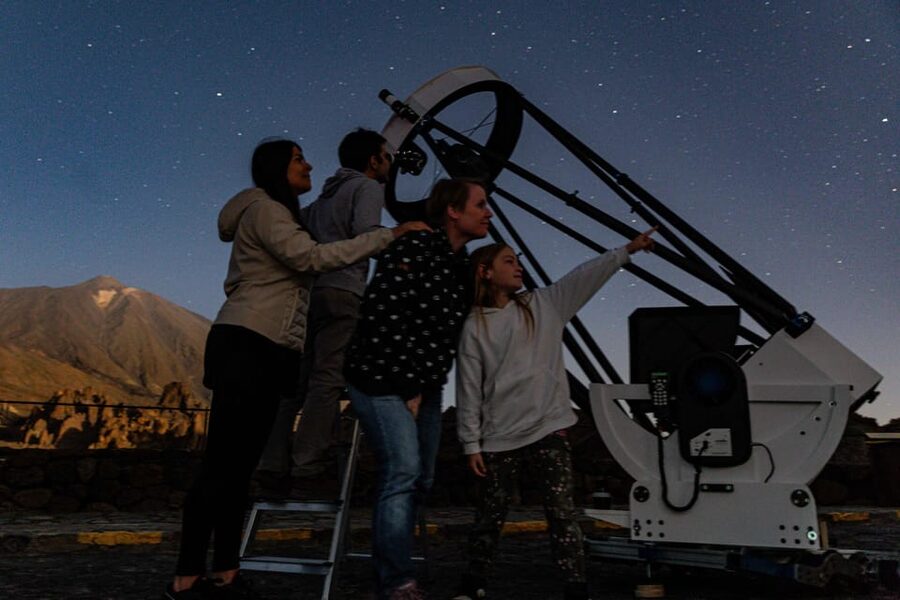
This tour runs for about 3 hours, and the start time is tied to sunset and the season. You won’t pick the exact time yourself in advance. Instead, the organizer sends the meeting time and meeting-location information by WhatsApp around 9:30 am on the same day, and it can change with conditions.
That’s not just admin work. It’s practical astronomy. The telescopes need a viewing setup that can handle wind, and the exact meeting point can shift based on wind direction. Expect a GPS coordinate rather than a fixed address.
Also keep in mind the equipment constraints. You’re asked not to use shorts, not to wear open-toed shoes, and not to bring a flashlight. That last one matters more than people think. Any stray bright light can ruin the night-vision you’re building up, and it can also distract others while you’re trying to focus on faint objects.
You can also read our reviews of more tours and experiences in Tenerife.
The 32-inch Grand Scope: what you can realistically see in 3 hours
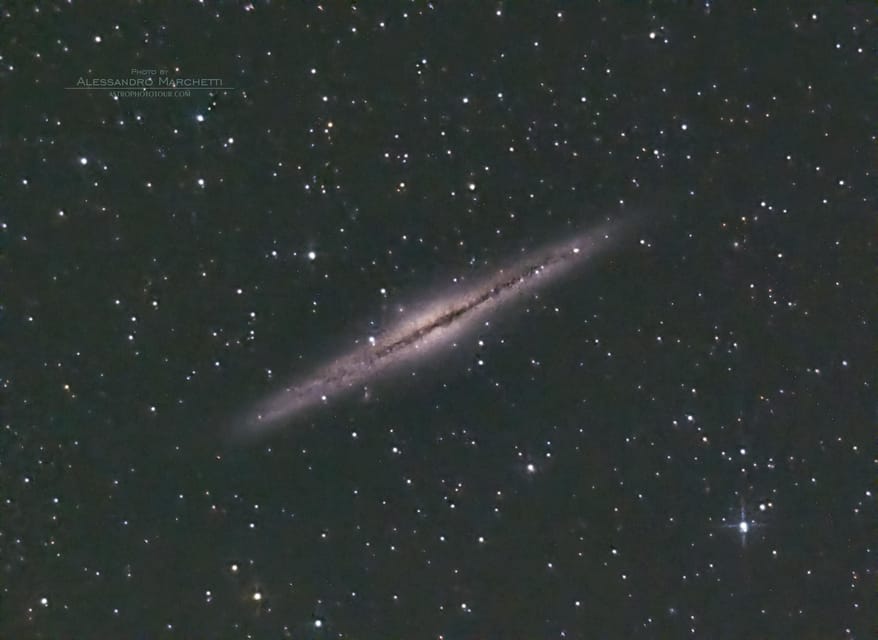
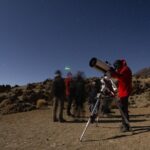
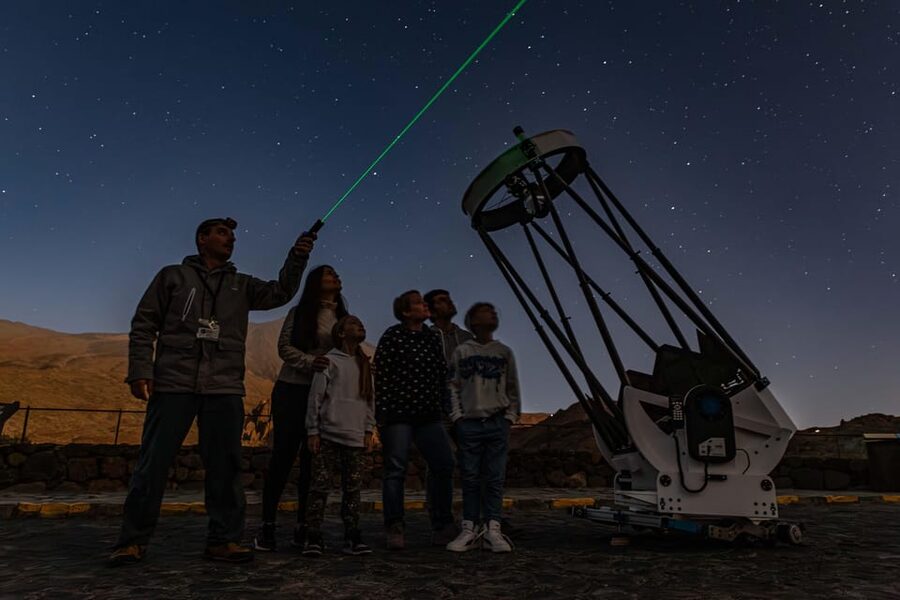
If you choose the classic option, you’ll be using a computerized 32-inch Dobsonian telescope. This is the big draw: a 32-inch telescope that’s described as the largest private telescope in the Canary Islands. The “private” part matters because it usually means fewer time limits and more attention per person than you get with larger public events.
What does that translate to at the eyepiece? In this region, season and conditions decide the exact targets, but the tour is set up to show deep-sky objects like galaxies and nebulae, including more complex targets that beginners don’t often get pointed at. People have also reported seeing supernova remnants and protostellar nebulae, depending on what’s up in the sky that night.
Then there are the planets. Reviews from different months include Saturn and Jupiter, and Saturn views in particular get high praise, including the system’s major moons. You don’t need to be an astronomer to enjoy this. The guide’s job is to translate the “why” behind what you’re seeing, then link it back to what your eyes can pick up through the telescope.
One practical tip: plan to stand and look with patience. Even with a tracking telescope, the views improve as your eyes adapt and as the guide fine-tunes where you’re aiming. The small group size helps here. You’re not stuck waiting your turn for long stretches.
Night Vision Voyage: a 12-inch telescope that changes the mood of the sky
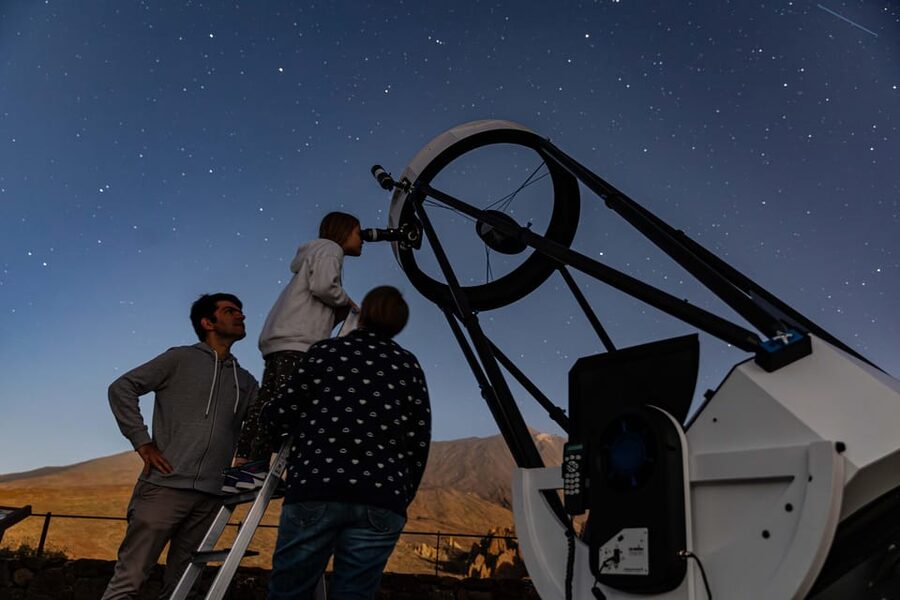
Not every night needs the biggest mirror. If you choose the Night Vision Voyage, you’ll use a modified 12-inch telescope with a night-vision system. The concept is simple: it amplifies light, which can reveal the sky in a new way. The telescope is smaller than the 32-inch scope, but the “how you see” part can feel completely different.
This option is also where you get more of that real-time fun factor. Instead of only thinking about faint objects as something you might be missing, you can watch how the view changes with the system and with the guide’s direction.
If you’re the type who enjoys tech, or you’ve already seen telescope photos online and want to understand what’s happening in front of your eyes, this can be a strong choice. It’s also a good fit if you want a slightly different experience than pure big-scope deep sky observing.
The astrophotography package: photos you can actually use, not just souvenirs
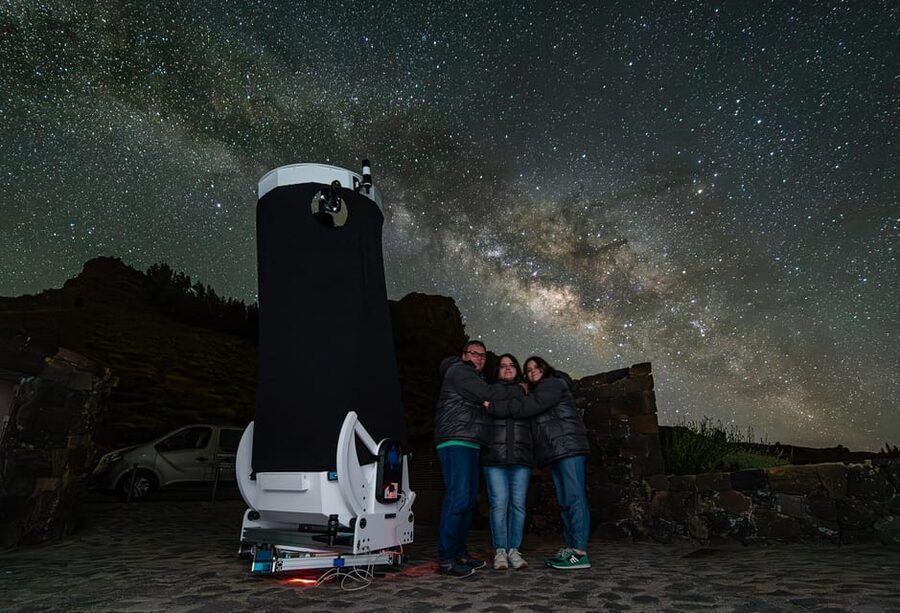
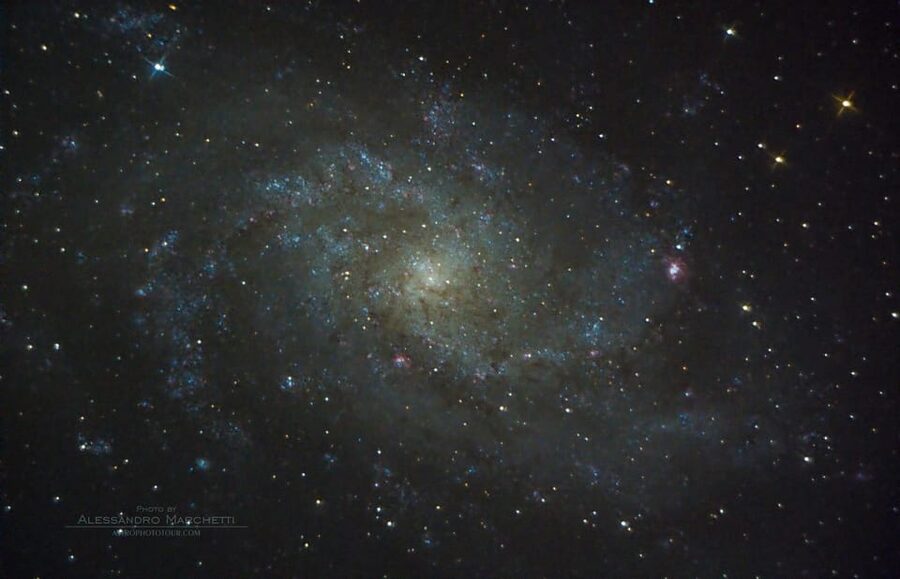
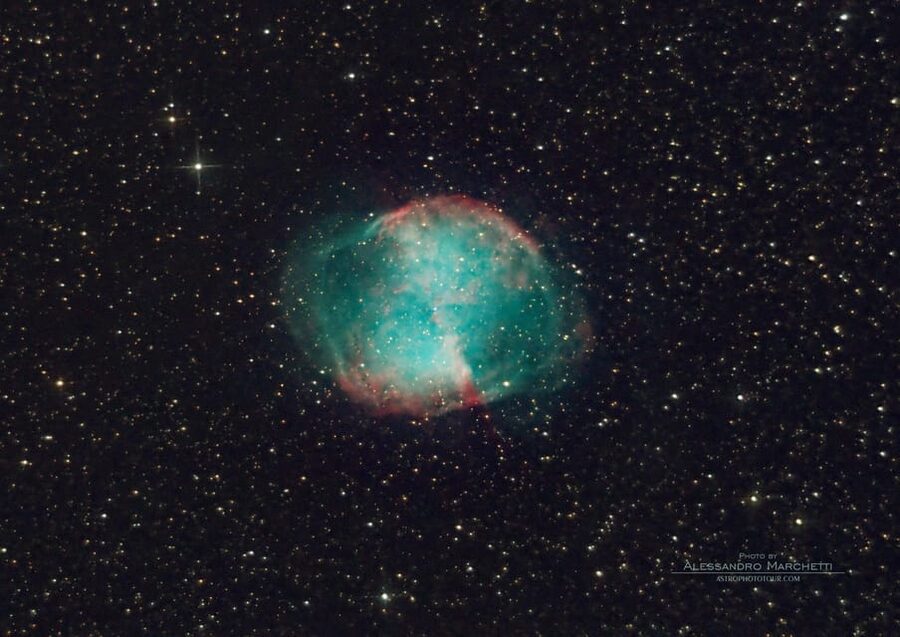
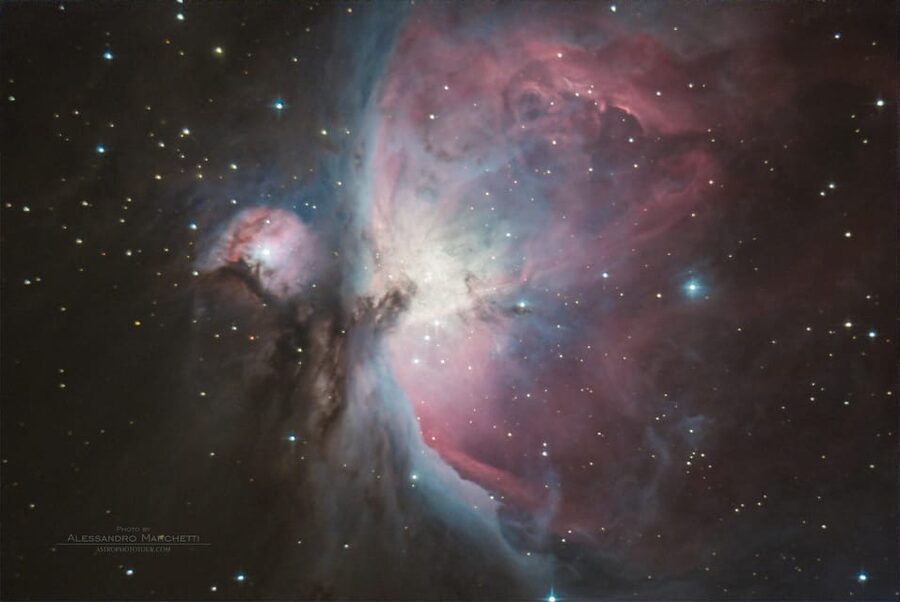
This tour includes a professional astrophotography package and the use of a dedicated cooled astro-camera. That matters because faint objects need proper imaging tools. A cooled camera reduces noise, which can improve the final image quality when you’re capturing dim targets.
You’ll receive images from your evening plus a package that includes photos taken from previous sessions as well. On top of that, there’s typically a final photo moment with the night sky at the end of the tour. People often talk about how these images look cool even to kids, which tells you they’re not just technical output; they’re meant to be shared.
Here’s why this is valuable for you: most stargazing tours give you 10 seconds at the eyepiece and then send you off with memories. This one pairs your visual observing with a serious camera setup, so you can keep the experience in a form that doesn’t depend on remembering the exact position of Jupiter later.
The guide experience: Alessandro’s storytelling style and the Q and A time
The heart of the tour is the guide. Alessandro leads the experience, and the tone comes through in a very specific way: he connects the sky to the story of how the universe evolved, then he keeps adjusting the explanations to match the group’s curiosity.
You’ll notice the difference if you’re traveling with mixed interests. Some people want the simple “what am I looking at,” while others want deeper astrophysics. The guide aims to meet both. In small groups, that’s easier to do without rushing.
Alessandro also gets praised for being patient and clear, and people mention that he makes time for questions about objects, telescopes, and astrophotography. That’s a big deal. If you ever felt stuck on public tours where your questions get cut off at the 2-minute mark, you’ll appreciate the slower pace here.
There are also little comfort touches that show up in winter months. Multiple reviews mention warm tea and cookies, and some talk about having extra layers or coats available if you need them. Since food and drinks aren’t listed as included in the official tour items, treat these as nice add-ons rather than something you should plan around. Still, they fit the vibe: a small, human night out under Teide.
Timing and weather: what changes, what doesn’t
Stargazing on Teide is weather-dependent. Wind can be the big limiter, and it’s not theoretical. One described scenario: unexpected strong winds can force a pause or stop using the telescope.
When that happens, the tour doesn’t always end. The guide may switch the focus to other parts of the experience, like showing the photos he captured and pointing out constellations visible with the naked eye. In other words, you still get a meaningful astronomy session even if the telescope time is shortened.
So your “job” as a participant is mainly preparation:
- Wear warm clothing. People call out how cold it can get at night on the mountain.
- Bring snacks and water, since food and drinks aren’t included.
- Avoid anything that can create glare, like a flashlight.
If you’re sensitive to cold or you’re traveling light, this is where you can make or break the night.
Price and value: why $58 can feel fair here
At $58 per person, you’re paying for a 3-hour guided observing session plus real gear time: a 32-inch or 12-inch telescope, a dedicated cooled astro-camera, a guide, and the photography package (including images from your session and additional images).
If the only thing you cared about was telescope viewing, you might find cheaper group events. But once you factor in the camera imaging and the tailored guidance, the value shifts. You’re not just paying for access to the sky. You’re paying for:
- A high-end viewing setup,
- A guide who can translate what you see,
- And a photo result you can keep.
The small-group cap also changes the math. Fewer people share the guide’s time, and you typically get more opportunities to look and ask questions.
Which option should you pick: Grand 32 vs Night Vision Voyage vs Exclusive Starlight
You have three experience types described:
- The Grand 32 scope adventure (the classic large-telescope experience)
- Exclusive Starlight Experience for couples, families, or groups of friends, offering a more private setting while keeping the same core concept
- Night Vision Voyage using the modified 12-inch telescope with night vision
Here’s how I’d choose based on your priorities:
- Pick Grand 32 if you want the highest-detail telescope views and you’re aiming for galaxies and nebulae, plus the best shot at planetary targets like Saturn and Jupiter.
- Pick Night Vision Voyage if you want a “new way to see” experience, plus a fun, real-time observational feel.
- Pick Exclusive Starlight if you value a quieter night and want more space for your own group questions.
Families should note the age guidance: children under 5 aren’t suitable. If you’re traveling with younger kids, plan for limited attention span time, cold weather, and the fact that stargazing works best at a slower tempo.
Practical expectations: what to bring, what to expect at the end, and what to do with your photos
Before you go, pack the basics that keep you comfortable enough to focus:
- Warm clothing
- Snacks and water
- Comfortable footwear (no open-toed shoes)
No flashlight, and keep an eye on the dress rules.
At the end, you should expect a photo moment. The tour includes photos from the telescope session, plus a final night-sky photo. Once you get the images, you’ll have a better way to connect what you saw with what it was. That turns the night into more than “cool sky.” It becomes a memory you can understand later.
Should you book this Teide telescope stargazing tour?
I’d book it if you want three things: a serious telescope experience at Teide, real guide attention in a small group, and a photo package that preserves what you saw. The best sign is how consistently people describe the same pattern: patient guidance, enough time at the eyepiece, and telescope views that go beyond basic constellation spotting.
Skip it only if you know cold + wind could ruin your night. And if that’s you, choose your expectations wisely. The operation can adapt when conditions are rough, but you can’t control the mountain weather. If you’re ready to dress warm and stay flexible with a schedule that shifts, this is a smart way to spend your Teide evening.
FAQ
How long is the Teide National Park stargazing tour?
The tour lasts 3 hours.
What’s the group size?
It’s offered in small groups of up to 12 people (private options are also available).
What telescopes are used?
You’ll use either a computerized 32-inch Dobsonian telescope (Grand 32 scope) or a modified 12-inch night vision telescope (Night Vision Voyage).
Are photos included?
Yes. The tour includes a professional astrophotography package with photos taken with a dedicated cooled astro-camera.
Where do I meet, and when will I get the details?
The meeting point and time are confirmed by WhatsApp around 9:30 am on the same day as the tour, depending on weather conditions. The exact meeting point can also change based on wind direction (GPS coordinates are sent).
Is hotel pickup or drop-off included?
No, hotel pickup and drop-off are not included.
What languages are available?
The live guide speaks English, Spanish, and Italian.
What should I bring and what isn’t allowed?
Bring warm clothing, snacks, and water, plus wear comfortable clothes. Shorts, open-toed shoes, and flashlights are not allowed.
Is the tour suitable for young children?
It is not suitable for children under 5 years.