REVIEW · TENERIFE
Tenerife: Sunset Night Tour and Stargazing at Teide + Dinner
Book on GetYourGuide →Operated by La Excursion · Bookable on GetYourGuide
Teide at dusk makes the night feel close. This tour pairs a sunset stop in Teide National Park with guided stargazing using telescopes, lasers, and binoculars, with transport arranged from Tenerife’s south.
I like the way the evening starts with a panoramic ride and real volcanic viewpoints, plus time for photos before it gets dark. I also like the focus on the sky itself: you get astronomer-led constellation stories and then hands-on observing through the equipment, with guides such as Maria and Roberto mentioned for their planet and star explanations.
The main drawback to plan around is timing. Pickup time can shift depending on sunset, pickup is only from the south, and the guide waits just a few minutes—so double-check the confirmed pickup time and arrive early, especially in winter when you’ll want warm layers.
In This Review
- Key things I’d zero in on
- Why Teide National Park beats city skies for stargazing
- Getting there from the south: bus rides, café breaks, and real timing
- The sunset stop at Teide: photos, crater angles, and chocolates
- Guided stargazing with telescopes, lasers, and constellation stories
- Dinner timing: what to expect after the telescopes
- What to pack so the night feels fun, not miserable
- Price and value: what $39 buys you on a Teide night
- The logistics that can make or break your evening
- Should you book this Tenerife Teide sunset stargazing tour?
- FAQ
- How long is the Tenerife sunset and stargazing tour?
- Is dinner included?
- Where does the pickup work?
- Where does the tour start and end?
- What language is the guide?
- What equipment will I use for stargazing?
- What should I bring for the experience?
Key things I’d zero in on
- Teide National Park skies: you’re sent away from city light for darker viewing
- Sunset with crater views: photo stops include angles looking down into the volcanic crater area
- Telescope + laser pointing: you’re not just listening; you’re meant to see targets during the sky session
- Constellations with myth and meaning: the guide ties stars to stories so you remember them
- Dinner option fits the season: in winter it’s at the end; in summer it starts earlier
- Bring real cold-weather gear: hats, jackets, and long trousers show up for a reason
Why Teide National Park beats city skies for stargazing
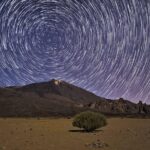
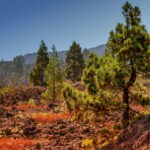
This is the kind of night tour where the location does heavy lifting. Teide National Park is a UNESCO World Heritage site and the tour is built around one idea: get you into the dark, away from light pollution, so the stars actually look like something.
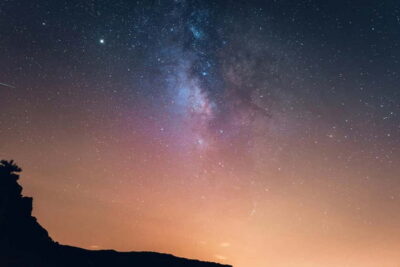
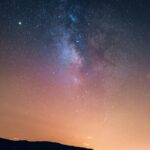
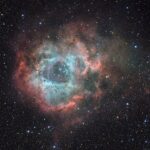
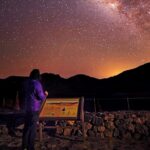
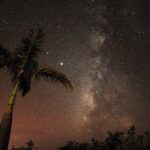
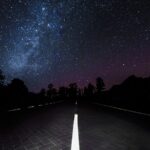
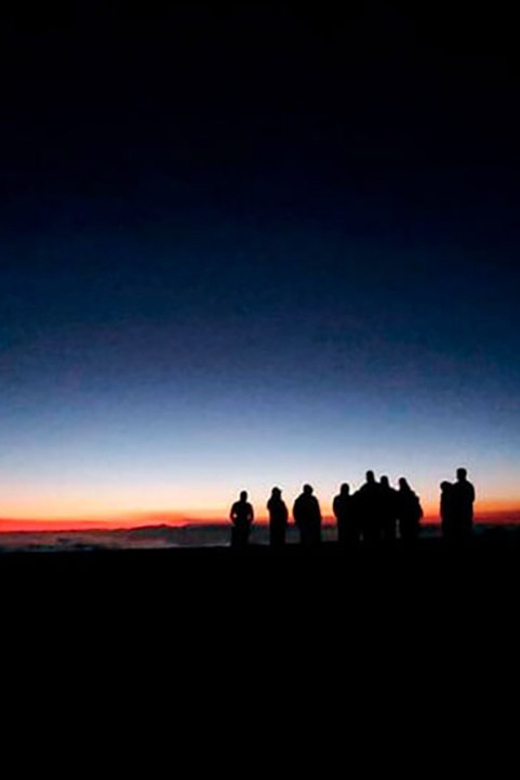
Once the sky darkens, the experience becomes part science lesson and part visual wow. The goal is to help you recognize constellations first, then shift from “I see lights” to “I can place objects and understand what I’m looking at.” If conditions cooperate, you’ll be aiming at stars, planets, nebulae, and even galaxies, with the Milky Way sometimes stretching across the darkness.
And yes—weather matters. The program is designed around evening viewing, but you should expect that clouds can reduce what you can see through telescopes.
You can also read our reviews of more tours and experiences in Tenerife.
Getting there from the south: bus rides, café breaks, and real timing
This tour runs on evening timing, and that means you should treat the schedule as flexible. The duration can range from about 2.5 to 6 hours, depending on your start time and how the sunset lines up.
If you choose pickup, it’s only from the south of Tenerife. The pickup time shown in your confirmation is described as the start time of the activity, while the actual pickup time gets confirmed separately by the operator. They’ll email or message you ahead of time with the exact pickup location and a map link. One practical detail that matters: the guide waits no longer than 3 minutes after the scheduled pickup time. If you show up late, you can miss the bus.
The ride itself is broken up so you’re not stuck for the entire evening without a breather. You’ll have bus time segments (about 25 minutes each), and then a 15-minute local café break. There’s a lot of driving involved in getting people up and around the volcano region, and that café stop helps you reset before you head into the park area.
One thing to be aware of: a few people have complained about limited restroom access on the coach. You might not count on onboard comfort for the full trip—so use the café break when you can.
The sunset stop at Teide: photos, crater angles, and chocolates
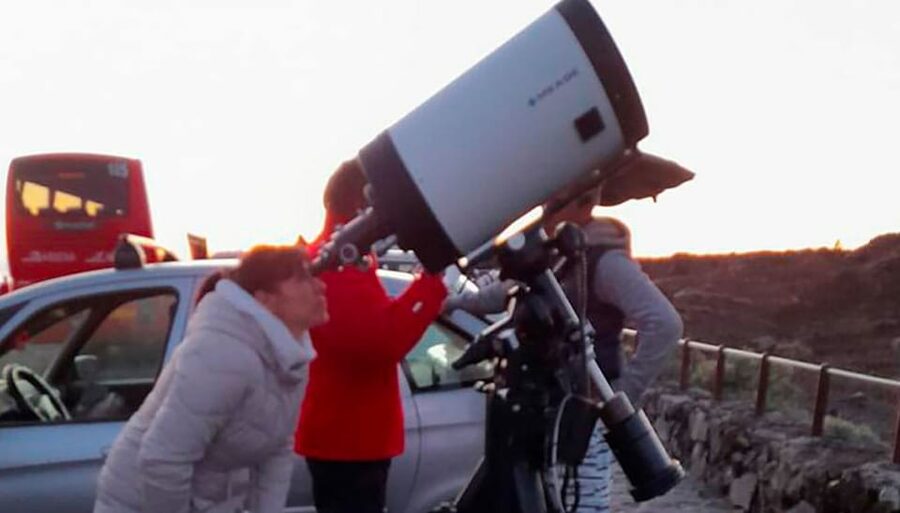
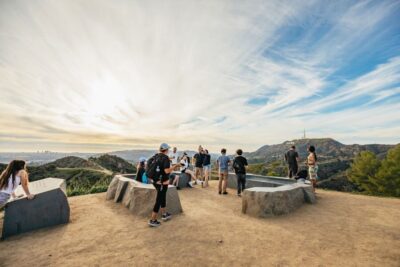
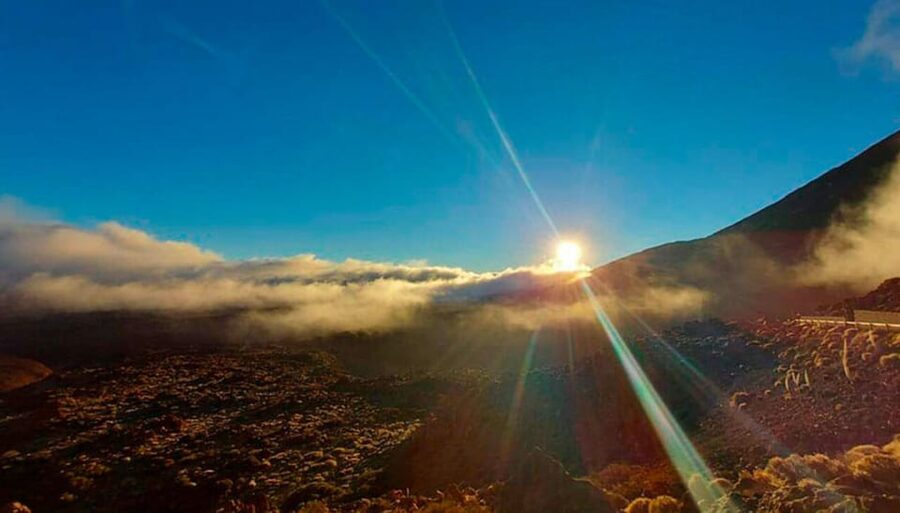
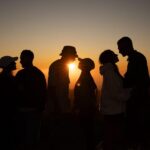
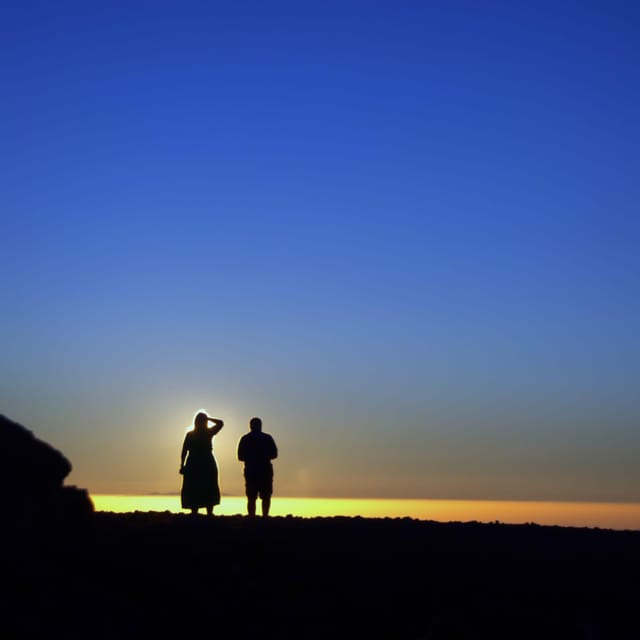
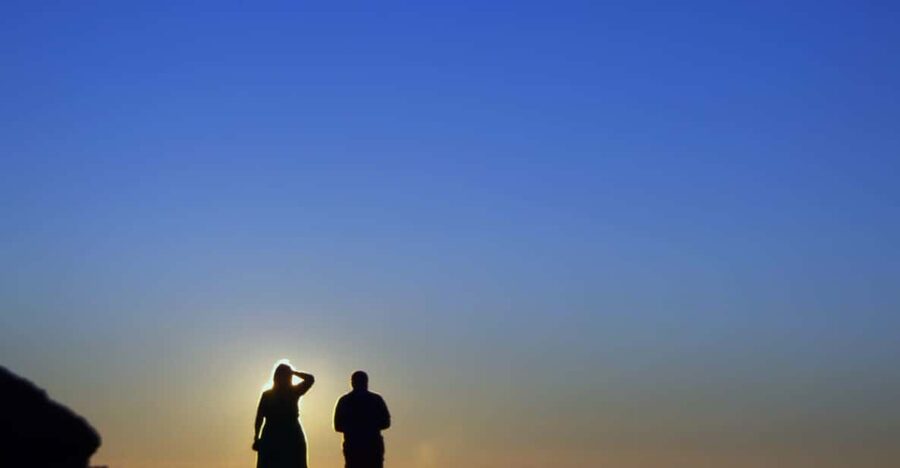
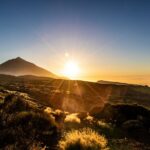
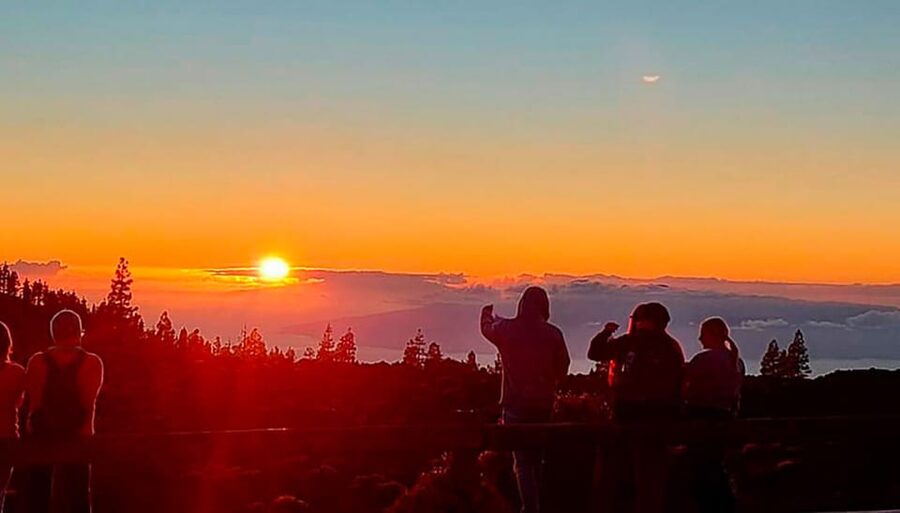
The sunset portion is timed to make the most of Tenerife’s evening light. After the early bus legs and the café pause, you reach the national park for a 45-minute sunset and photo stop.
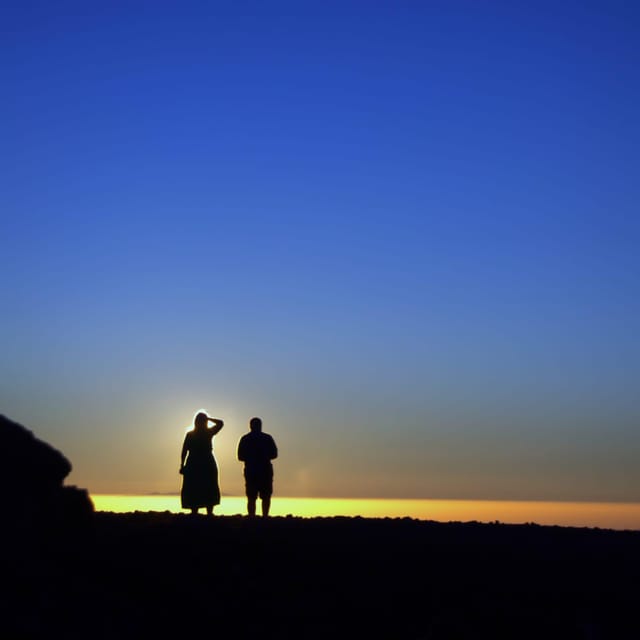
This stop is more than a quick viewpoint. You’re given time to set up your camera, find a comfortable spot, and watch the colors shift. Multiple guides and guests mention that the highlight can be how the volcanic setting frames the sunset—especially viewpoints where you can look down toward the crater area.
You also get a small included treat: chocolates at sunset. It’s simple, but it fits the vibe—snack, warm up a bit, and then focus on the sky changing over the volcano.
One practical note: pickup and timing can shift with the sunset. If you’re trying to pair this with dinner plans elsewhere, give yourself breathing room. This tour isn’t something to schedule tightly like a quick museum visit.
Guided stargazing with telescopes, lasers, and constellation stories
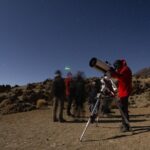
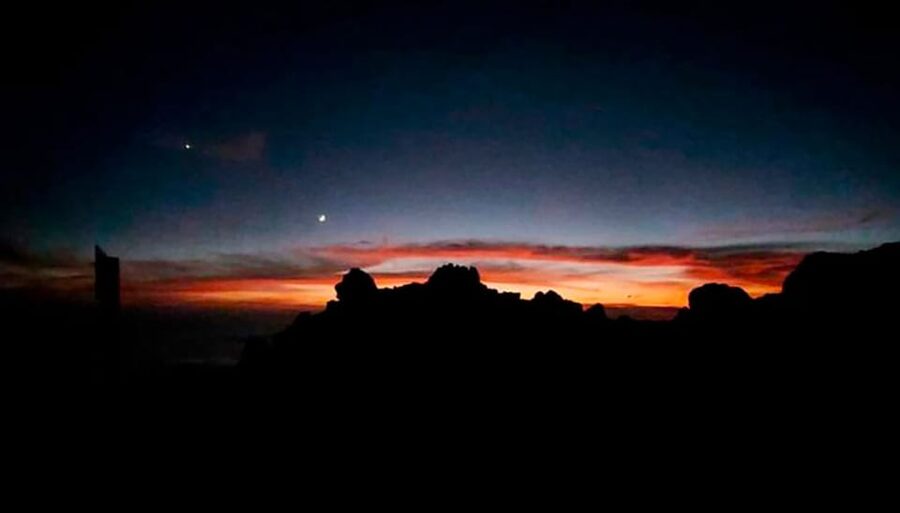
Once the sky is properly dark, the tour turns into guided observing. You’ll spend about 105 minutes in the second Teide National Park session, where you’ll get a mix of sightseeing, a guided tour, and more photo opportunities.
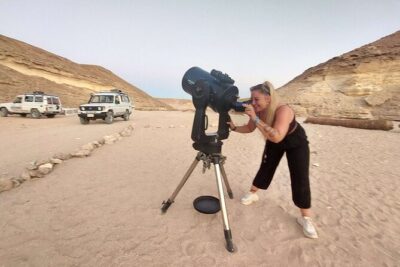
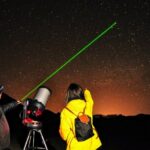
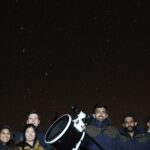
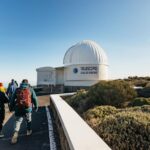
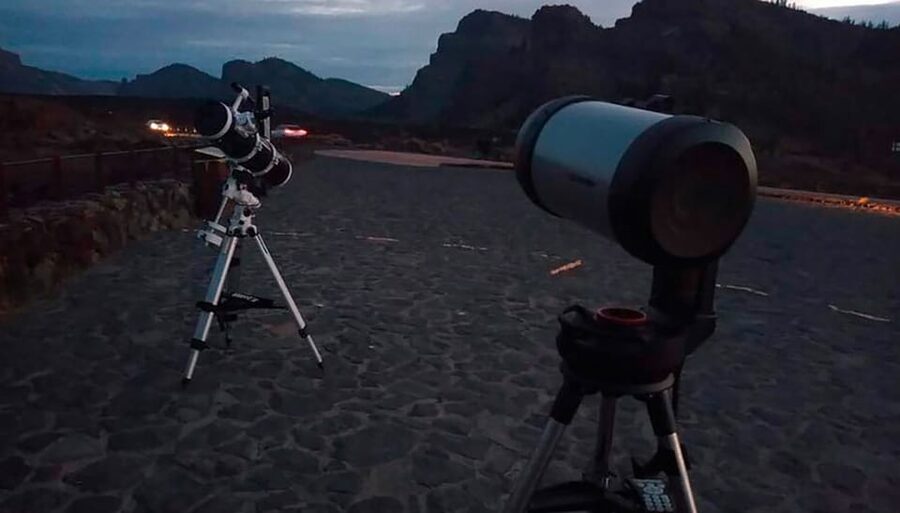
This is where the equipment matters. You get telescopes and laser pointers, plus astronomical binoculars. The lasers help you connect what you’re hearing to what you’re seeing in the dark—so you aren’t guessing where the guide is pointing.
The guide portion includes constellations with their myths and legends, plus explanations that help you place objects you might not recognize on your own. Names mentioned include astronomers and guides like Maria and Roberto, with comments highlighting that they explained constellations, planets, and the moon in ways that stuck.
And if the skies are clear, the viewing can be surprisingly specific. One guest described seeing Jupiter’s satellites and Saturn’s rings, which is the kind of detail that only happens when the session has enough stability and clarity.
You should also expect that not every night will deliver the same “wow list.” But the structure stays useful: learn the sky basics, then use the telescopes to see targets rather than just staring upward.
Dinner timing: what to expect after the telescopes
Dinner is included if you select the option with food. It’s at a typical restaurant, and the timing depends on the season:
- In winter, dinner happens at the end of the experience.
- In summer, dinner happens at the beginning.
That matters because you’ll likely be cold and tired during the stargazing portion. If dinner is at the end, you can plan for a longer stretch before you eat. If dinner is at the beginning, you’ll want snacks later (the chocolate helps, but it’s not a full meal).
Food quality seems to be a plus for many people—one person called out the restaurant as cozy and another said the food was tasty. There’s also at least one report where a vegetarian option didn’t work out well for one guest’s stomach. I can’t predict how any specific dish will feel for you, but if you have dietary needs, it’s smart to check what options are offered during booking so there are fewer surprises.
What to pack so the night feels fun, not miserable
This tour lives outdoors in the evening, in an area that can feel significantly colder than the coast. So pack like you’re going somewhere chilly, because you are.
Bring:
- Warm clothing (layers beat one bulky jacket)
- Comfortable shoes
- A camera
- A hat and warm outerwear (long trousers help too)
You’ll be standing for sunset and then watching the sky for a while. In the dark, time feels slower, and you’ll be glad you can move comfortably without feeling stiff and cold.
Also, bring patience. Once you’re in group transit mode and outdoors under low light, you’ll want to follow the guide’s timing and instructions closely—especially when aiming telescopes and managing photo stops.
Price and value: what $39 buys you on a Teide night
At $39 per person, the price is competitive for what’s included—especially if you’re booking the option with dinner. You’re getting:
- Transport by air-conditioned bus (when pickup is selected)
- Stargazing tour with astronomer guides
- Telescopes, laser pointers, and binoculars
- Sunset chocolates
- Photo tips during the experience
- Dinner if you select the meal option
The value angle here is less about a single viewpoint and more about the full package: you’re paying for darkness, equipment access, and a guide who helps you interpret the sky. A similar evening of “just viewpoints” can be free or cheaper on paper, but it won’t give you the same guided target practice.
The one price-related consideration is that your experience depends on the practical parts: clear skies, your readiness with warm gear, and your punctuality for pickup. If weather or timing disrupts the viewing, the telescope session may feel shorter than your hopes.
The logistics that can make or break your evening
If you take only one thing from my advice, make it this: verify your pickup time the day before. The tour operator notes that pickup time can change depending on sunset, and the guide won’t wait long if you’re late. Also, pickup is optional and limited to the south—so if you’re staying farther north, make sure you know your starting point.
Once you’re on the move, the flow is designed like this:
- You ride to the area with short bus segments.
- You get a quick café stop.
- You do the sunset/photo viewing in the park.
- You return for a guided observing session with more equipment time.
- Then you’re dropped off at a list of locations across the south.
That structure keeps you from feeling stuck in one place too long, but it does mean you’ll be following group timing. If you’re the type who loves wandering on your own schedule, you might find the pacing a bit structured.
Should you book this Tenerife Teide sunset stargazing tour?
I think you should book it if you want an evening where the sky is the main event—not a quick photo and a drive-by. The combination of Teide National Park, guided constellation stories, and telescope sessions makes it a good fit for both first-timers and people who just like being shown what to look for.
Skip or reconsider if you:
- Hate cold outdoor evenings and don’t want to dress for it.
- Need super-flexible timing for other plans.
- Are worried about missing transit due to last-minute schedule changes.
If you come prepared—arrive early, dress warmly, and take the guide’s pointing seriously—you’ll leave with more than memories. You’ll leave with a better sense of what you actually saw when the night settled over Teide.
FAQ
How long is the Tenerife sunset and stargazing tour?
The duration is listed as 2.5 to 6 hours. The exact timing depends on the starting time shown in availability and how sunset lines up.
Is dinner included?
Dinner is included only if you select the option that includes dinner. The tour notes that in winter dinner is at the end, while in summer it’s at the beginning.
Where does the pickup work?
Pickup is optional and only available from the south of Tenerife. The operator confirms the exact pickup time and location in advance, and the guide waits no longer than 3 minutes after the scheduled pickup time.
Where does the tour start and end?
It starts at the Mirador area, where a guide greets you and confirms your reservation. The activity ends back at the meeting point.
What language is the guide?
The live tour guide is offered in Spanish, English, and Russian.
What equipment will I use for stargazing?
The tour includes telescopes and laser pointers, plus astronomical binoculars for the viewing session.
What should I bring for the experience?
Bring comfortable shoes, warm clothing, a camera, and comfortable weather-appropriate clothes for outdoor evening conditions.