REVIEW · TENERIFE
Teide National Park: Stargazing Experience
Book on GetYourGuide →Operated by Discover Experience · Bookable on GetYourGuide
Cold air, big telescopes, clear skies. In Teide National Park, you start after sunset with a guided naked-eye sky tour before switching to high-grade telescopes for real viewing. The whole point is that you learn the sky as you go, so it feels less like guessing and more like reading the universe.
One possible drawback: it’s genuinely chilly at this altitude. Bring warm layers and warm shoes, because the tour runs outdoors and the temperature drops fast once the sun is gone.
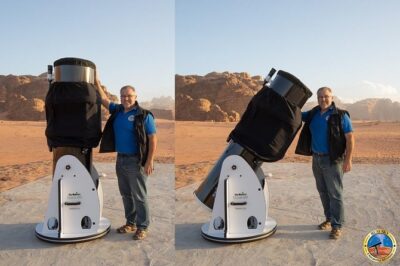
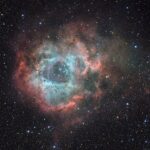
You’ll also use an astrophoto telescope, and you may get images shared after the session, including targets like star clusters and galaxies when conditions line up.
In This Review
- Key things I’d focus on
- Why Teide National Park makes stargazing feel different
- 80 minutes after sunset: how the night is paced
- Getting your bearings: Polaris, the celestial north pole, and the sky map
- Telescope time: what you can actually hope to see
- Guides like Miguel and Manuel: why the explanation matters
- Astrophoto telescope images: a cool souvenir with real use
- Price and value: is $41 fair for 80 minutes in the dark?
- Who should book this, and who should skip it
- Meeting at Minas de San José: make your arrival easy
- What to bring: warm clothing beats wishful thinking
- Moon phase can change the vibe
- Should you book Teide stargazing?
- FAQ
- How long is the stargazing tour?
- Where is the meeting point?
- Is hotel pickup included?
- What languages are the guides?
- What should I bring for the tour?
- Are pets allowed?
- Is the tour suitable for everyone?
- Is cancellation free?
Key things I’d focus on
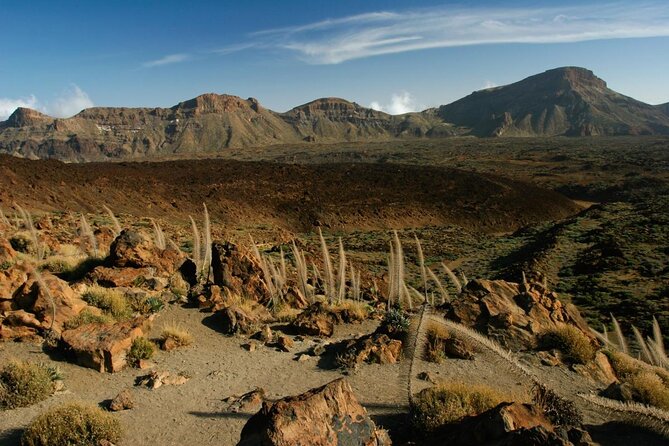
- Dark-sky setting in Teide National Park means far fewer light distractions.
- Naked-eye orientation first, then telescope time, so you’re never just waiting.
- Polaris, the celestial north pole, the ecliptic, and the zodiac line get mapped for you.
- Greek mythology connects the dots between constellation shapes and their sky locations.
- Telescope viewing of major deep-sky objects and planets (depending on the night).
- Astrophoto images help you leave with more than just memory.
Why Teide National Park makes stargazing feel different
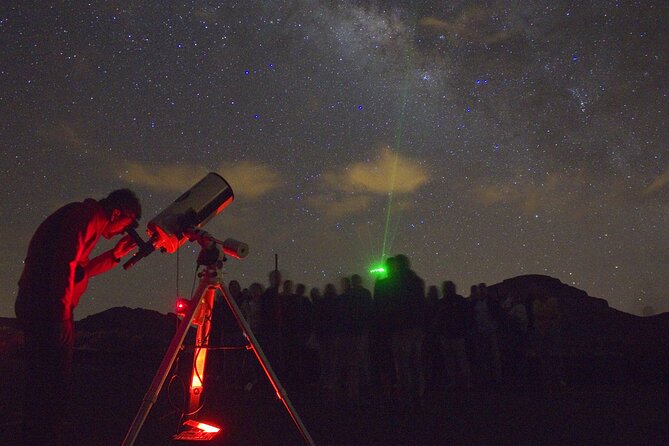
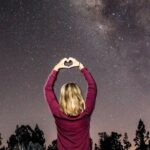
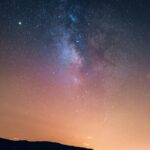
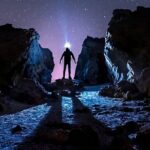
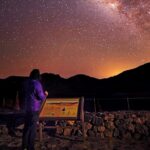
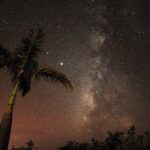
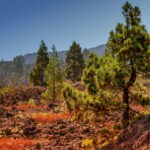
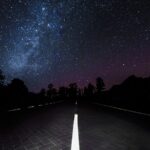
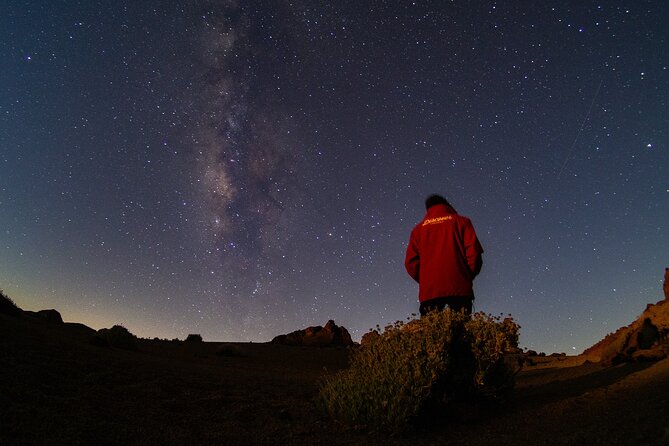
Teide National Park is all about one thing: a sky you can actually see. Away from town glow, the night sky looks sharper and fuller, with more stars visible than you’re used to in most places.
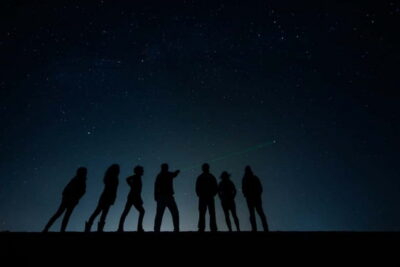
That matters because stargazing tours can go two ways. They can either throw you straight into telescope eyepieces, or they can teach you what you’re looking at. This tour does the second one. You begin with naked-eye observing, get your bearings, and then the telescope becomes the reward, not the entire experience.
The setting is also part of the “wow” factor. At Teide, the sky doesn’t just look pretty. It feels close, like you’re standing inside a dome of darkness. You’re not fighting the lights. You’re reading the sky.
You can also read our reviews of more tours and experiences in Tenerife.
80 minutes after sunset: how the night is paced
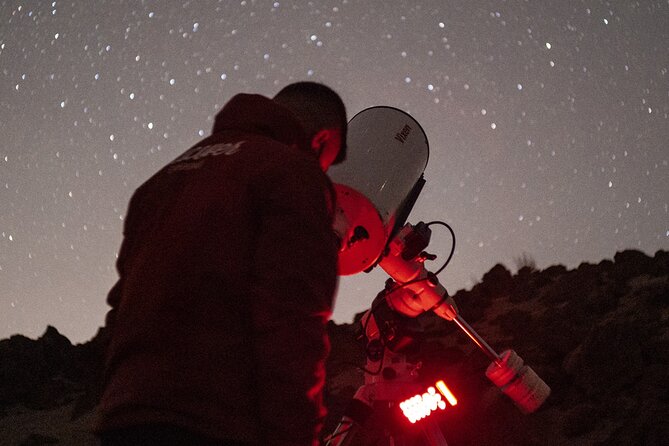
The tour starts after sunset and is designed to fit into about 80 minutes. That timing is actually a strength. You get enough time to learn the basics and still enjoy proper telescope viewing, without dragging on so long that people stop paying attention.
Here’s the practical rhythm you can expect:
- Naked-eye start: The guide gets you looking up right away, using what you can see without equipment.
- Sky navigation: You’ll work your way through key navigation points like Polaris and the celestial north pole, then learn how to follow the ecliptic and zodiac line.
- Mythology as a memory tool: Constellations get explained through Greek mythology, which gives names and stories to shapes you might otherwise forget.
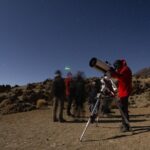
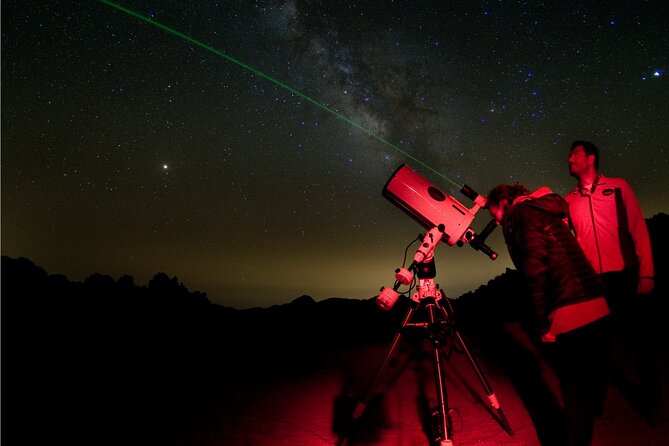
- Telescope phase: Once you’re oriented, you move into telescope viewing to observe standout celestial objects and planets.
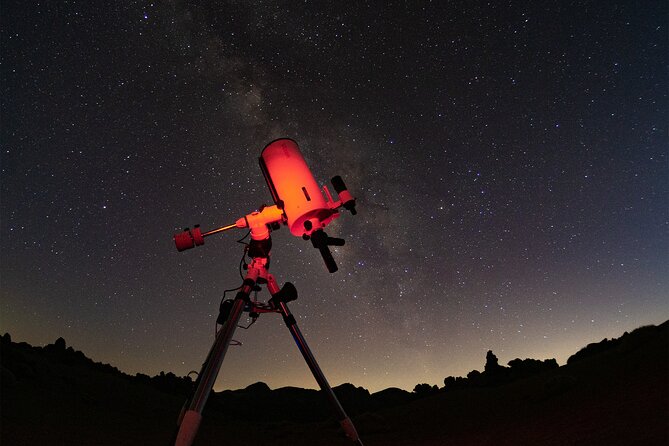
- Astrophoto angle: The session includes an astrophoto telescope, aimed at turning what you see into shareable images.
The tour is guided by a professional astronomical guide, and it’s offered in Spanish and English, so you should be able to follow even if you’re new to astronomy.
Getting your bearings: Polaris, the celestial north pole, and the sky map
If you only learn one thing from a stargazing tour, I’d pick orientation. That’s where this one shines.
You’ll be guided to find Polaris, then understand where the celestial north pole sits relative to it. That turns the sky from a random scatter of points into a usable reference system. Once you can locate that “north anchor,” everything else becomes easier to place.
Then you’ll be walked through how the ecliptic and zodiac line run across the sky. This is useful because planets and the Moon track along those paths. Even if you don’t remember every term, you’ll start noticing the logic of where objects appear.
And then there’s the Greek mythology piece. Constellation stories aren’t just for fun. They create mental hooks. When you learn that a certain pattern connects to a myth, you remember the shape and position together, instead of as two separate facts.
Telescope time: what you can actually hope to see
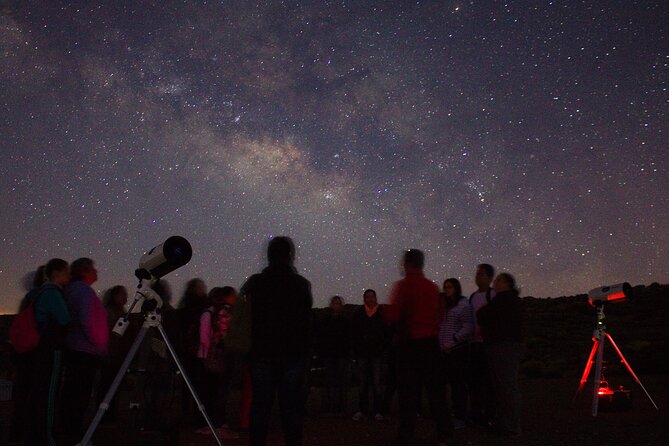
The tour’s telescope phase is where many people feel the “real” payoff. Since the moon, season, and night conditions can change what’s best to view, you should think in terms of categories: bright planets, notable deep-sky targets, and standout star fields.
From past sessions, people have seen targets such as:
- Jupiter and its moons
- Saturn
- Mars at times
- Orion’s nebula
- Andromeda galaxy
- The Milky Way on clear nights
- Star clusters and other standout deep-sky objects
This mix is valuable for first-timers. Planets give you an immediate visual hit. Deep-sky objects add the “how is that even there?” factor. And because you’ve already been oriented with naked-eye navigation, the telescope viewing doesn’t feel like a separate experience. It feels like the same sky, just with sharper eyes.
You’ll also be doing actual observation through the telescope, not just watching someone else point and talk. That “you look, you recognize” loop is what keeps your brain engaged.
Guides like Miguel and Manuel: why the explanation matters
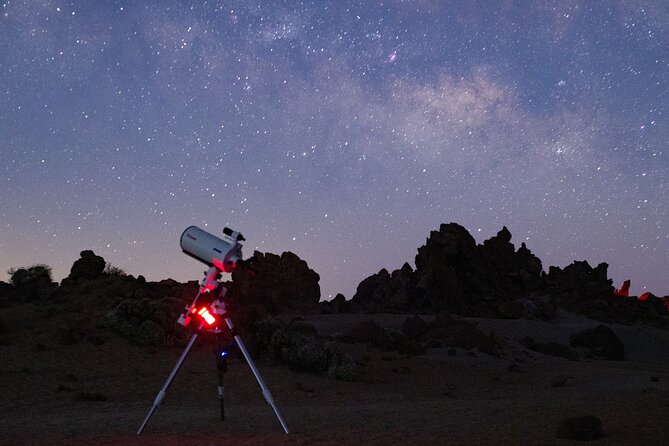
A stargazing tour lives or dies on the guide. In this experience, the guide is doing more than naming stars. They’re teaching you how to see.
Guides you might encounter include people like Miguel (seen on English-language sessions) and Manuel, and some sessions have been led by guides such as Luke. The common thread is clear guidance plus a friendly style that keeps the learning curve gentle.
You’ll typically get:
- Step-by-step instructions for where to look first
- Practical constellation navigation (not just facts)
- A blend of astronomy and story (mythology ties in)
- Telescope guidance once orientation is set
This is especially helpful if you’ve never located Polaris before. The goal isn’t to turn you into an astronomer. It’s to make the sky understandable enough that you’ll recognize shapes on your own later.
Astrophoto telescope images: a cool souvenir with real use
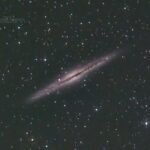
One of the neat add-ons is the astrophoto telescope. The intent is to transform what you see into images you can enjoy after the tour.
In some cases, people have received photos of a star cluster and a galaxy observed during the session. Even when you’re not a camera person, that matters because telescopes can show you detail that’s hard to hold onto in memory once you go back into daylight mode.
It’s also a handy way to double-check what you observed. If you left thinking you saw something vague, an image helps anchor the experience.
Just keep expectations grounded: it’s still a 80-minute outdoor session, so the “photo result” depends on conditions. But the presence of the astrophoto step is a strong sign you’re not leaving empty-handed.
Price and value: is $41 fair for 80 minutes in the dark?
At $41 per person for 80 minutes, the pricing sits in the “reasonable for a specialized night activity” range.
Here’s what you’re paying for:
- A professional astronomical guide
- A structured stargazing explanation beginning with naked-eye viewing
- Telescope observation
- Use of an astrophoto telescope
- Insurance during the tour
What you’re not paying for:
- Hotel pickup and drop-off
- Dinner
So the value comes down to this: you’re not just paying for time under a sky. You’re paying for dark-sky access (Teide’s conditions help), plus expert interpretation, plus equipment.
If you tried to DIY stargazing with binoculars and a random star map, you’d likely spend extra time figuring out orientation. Here, you get that guidance built in.
Who should book this, and who should skip it
This is a great fit if you:
- Want a guided intro to constellations and basic sky navigation
- Like a science-and-story mix (Greek mythology included)
- Enjoy hands-on viewing through a telescope
- Want a short, focused outdoor night plan
It may not fit you if you have:
- Heart problems
- Respiratory issues
- Any concern about cold and wind exposure at altitude
Also, pets aren’t allowed, and unaccompanied minors aren’t allowed. So this is usually better as a couple, small group, or family with an accompanying adult who can manage outdoor cold.
There’s also a specific note about people who have been diving up to 24 hours prior. If that applies to you, you should check with the provider before booking.
Meeting at Minas de San José: make your arrival easy
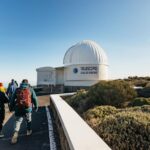
You’ll meet in the parking area in front of the natural environment of Minas de San José.
The directions are simple:
- If you come from the south, it’s the second car park on the right.
- If you come from the north, it’s the first car park on the left.
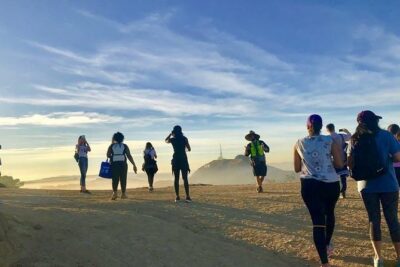
Because the tour starts after sunset, arriving a little early is smart. You want time to find the exact spot and get your warm layers on before the guide starts.
No hotel pickup means you’ll be doing your own short drive or taxi ride to the meeting point. If you’re used to beach routines, plan for a more “out-of-town, parking-lot, outdoors” kind of start.
What to bring: warm clothing beats wishful thinking
Bring:
- Comfortable shoes
- Warm clothing
- Warm shoes
Low temperatures are a real part of this experience, not a suggestion. Even in months when day temperatures feel pleasant, once you’re up at altitude and standing outside, the cold ramps up.
In past sessions, people have warned it can feel like low teens Celsius with wind. So if you usually pack for “evening cool,” this is a different category.
My practical packing list:
- Hat and something to cover ears
- Gloves you can actually move in (you’ll be adjusting your coat and maybe touching equipment)
- Layers you can peel off if you overheat during the early instruction
Moon phase can change the vibe
The moon has a cycle, and the guide notes that you should be aware of it when booking. In plain terms: a bright moon can wash out some faint stars.
You might not need to become a lunar expert. Just understand that the quality of what you see can depend on the moon’s position and brightness that night.
Also, if you book months in advance, the start time could vary, and the provider may confirm the schedule with you through WhatsApp or email. That’s normal for night-sky logistics.
Should you book Teide stargazing?
Yes, if you want a guided, structured night where you learn to find key points like Polaris, follow the ecliptic/zodiac line, and then see major celestial objects through a telescope. The 80-minute format is long enough to matter and short enough to stay fun.
Book it especially if you’ve ever stared at the sky and felt stuck. This tour gives you a way to look that makes the sky feel readable.
I’d think twice or check suitability first if cold conditions would be a problem for you, or if you have heart or respiratory issues. And if you’re traveling with kids, note that unaccompanied minors aren’t allowed.
If you’re on Tenerife and you care about doing one night activity that’s actually tied to the place, this is a solid choice.
FAQ
How long is the stargazing tour?
The duration is 80 minutes.
Where is the meeting point?
Meet in the parking area just in front of the natural environment of Minas de San José. From the south, it’s the second car park on the right. From the north, it’s the first car park on the left.
Is hotel pickup included?
No. Hotel pickup and drop-off are not included.
What languages are the guides?
The tour guide offers live guidance in Spanish and English.
What should I bring for the tour?
Bring comfortable shoes, warm clothing, and warm shoes. Temperatures are low at night.
Are pets allowed?
No, pets are not allowed.
Is the tour suitable for everyone?
It is not suitable for people with heart problems or respiratory issues. Also, unaccompanied minors are not allowed.
Is cancellation free?
Yes. You can cancel up to 24 hours in advance for a full refund.