REVIEW · ZION NATIONAL PARK
From Virgin: Zion Night Sky Jeep Tour with a Telescope
Book on GetYourGuide →Operated by Zion Jeep Tours · Bookable on GetYourGuide
Zion at night is a different planet. On this small-group Zion Jeep tour, you’ll drive well beyond the usual crowd lines and then settle in for dark-sky stargazing with a telescope pointed at the moon and stars. It’s the kind of simple plan that makes you slow down on purpose.
I love the comfort of the recliner chairs (plus blankets) because star viewing works best when you’re not fighting your own cold. I also love the practical payoff of going up in elevation away from traffic and lights—your eyes actually get a chance to adjust. One consideration: while the telescope is listed as included, I’d still confirm it directly before you go, because one unhappy experience described a missing telescope setup and limited shared binoculars.
In This Review
- Key things to know before you book
- Why Zion’s dark skies feel different at night
- The 2-hour Jeep ride: getting away from crowds and lights
- Recliner chairs, blankets, and red lights that protect your night vision
- Telescope and binoculars: what you’ll actually look for
- What the guide does: constellations, app support, and patience
- Where the viewing happens: silhouette cliffs under a real sky
- Weather and altitude: the stuff that can make or break the experience
- Who should do this Zion night-sky Jeep tour
- Price and value: is $100 per person fair?
- Booking tips and quick questions that protect your night
- Should you book the Zion Night Sky Jeep Tour?
- FAQ
- How long is the Zion Night Sky Jeep Tour?
- Where do I meet for the tour?
- Is there a telescope and binoculars included?
- What else is provided besides the telescope?
- How big is the group?
- Is the tour guide available in English?
- Are there any special rules for children?
Key things to know before you book
- International Dark Sky Park vibe: Zion protects its dark skies, so you’re not just “seeing stars,” you’re seeing more of them.
- You’ll go above 5,000 feet: Higher elevation usually helps the view, and it also means colder air.
- Recliner chairs + blankets: You don’t do this standing up or crouched over a phone the whole time.
- Telescope is part of the plan: It’s meant for moon and star details, not just vague pointing.
- Small group, max 10: The stargazing moment stays calmer and more personal than a big bus stop.
Why Zion’s dark skies feel different at night
Zion is famous for its day-light drama—orange cliffs, big silhouettes, and that “wow” feeling from every overlook. But at night, the story changes. Zion is an International Dark Sky Park, meaning the area aims to keep light pollution low so the sky stays genuinely dark.
That matters because star quality is not just about having stars in the sky. It’s about how much your surroundings compete with them. When you’re farther from town lights and park traffic, the sky stops looking washed out. Your eyes adjust. You start noticing the difference between a random bright point and something with structure—constellations, the moon’s texture, and the brighter, easier-to-locate stars.
I also like the plain logic of this tour: instead of forcing you to scramble for your own dark spot, you get taken to one. That’s a big deal in a park where “good views” can become “good luck” if you arrive late.
You can also read our reviews of more tours and experiences in Zion National Park.
The 2-hour Jeep ride: getting away from crowds and lights
This is a 2-hour guided experience that runs in the evening. The pace is relaxed, but the goal is clear: drive into the mountains at elevation to get you away from crowds, traffic, and stray lighting.
Over and over, I see people plan stargazing like it’s an add-on to dinner or a quick stop after sightseeing. This tour treats it like the main event. That’s why the timing works. You’re moving into darkness before you try to look up, not after.
You’ll also be going above 5,000 feet. That means two things for you. First, the air can feel much colder than the visitor areas. Second, you may want to keep moving only as much as needed once you park—settle in early, then let your eyes and body do the rest.
The practical upside of using a Jeep guide is simple: you don’t have to navigate your own route in the dark, and you’re less likely to end up at a spot that’s too bright. The downside? One off experience mentioned a spot not being available and having to drive to another one. That’s rare in well-run tours, but it’s a reminder to be flexible with time and accept that nature and logistics can disrupt plans.
Recliner chairs, blankets, and red lights that protect your night vision
Here’s what makes this tour feel civilized: you’re not just “watching stars.” You’re set up to actually enjoy the process.
You’re provided with folding recliner chairs, plus blankets for warmth. This is huge because the best stargazing moments can take time. Your body needs to stay comfortable while your eyes adjust to the dark. If you’re constantly shifting or getting stiff, you lose the calm that makes the sky feel alive.
They also provide red light flashlights. Red light is meant to keep your night vision from getting wiped out. You can still check a map, adjust your position, or take a quick glance at your gear without turning your surroundings into a mini flashlight festival.
And yes, there’s water included as part of the experience. For a two-hour session at higher elevation, that’s a smart inclusion. Even if you think you’ll be fine, the combination of dry air and cold can sneak up on you.
My advice for comfort is straightforward:
- Wear layers you can move in, not just “pretty warm” clothes.
- Bring gloves if you hate cold fingers. The tour gives you blankets, but your hands are still hands.
- Keep your headlamp use minimal. If you need light, use the red flashlight system they provide.
Telescope and binoculars: what you’ll actually look for
The tour includes a telescope for detailed viewing of the moon and stars. It’s one of the best parts of a night-sky tour when it’s set up and ready to use. The moon, in particular, is a great target because it helps you see how much detail exists beyond the naked-eye view.
You’re also given binoculars, which are great for scanning. Binoculars can help you find clusters and brighter star groupings faster, so you spend more time looking and less time hunting.
Here’s the key practical insight: if the telescope is the main reason you booked, treat that like a priority—because the star field will be impressive either way, but the telescope view is the “wow, up close” moment. The tour listing says telescope and binoculars are included, but one disappointing experience described a missing telescope and limited binoculars for the group. That’s not the norm you should expect, but it is enough that I’d confirm availability when you get your confirmation message.
Also, don’t go in expecting the sky to look like an astronomy poster. Night sky viewing is about gradual discovery. It’s about learning what you’re seeing. With the telescope and binoculars, you’ll get help translating the sky from background to subjects.
What the guide does: constellations, app support, and patience
A live guide is included, and the tour is in English. The guide’s job is basically twofold:
1) help you find things worth seeing
2) keep the experience moving at a pace that doesn’t ruin night adaptation
You’ll likely spend part of the time learning the basics of the constellations visible at that moment, then watching the telescope views when the group is ready.
One thing I appreciate about these guided dark-sky tours is how they shorten your learning curve. If you’ve ever stared at a sky and thought, I recognize maybe two stars, you know how quickly curiosity can turn into frustration. A guide gives you anchors—directions, patterns, and a reason to keep looking.
That said, night sky explanation can go two ways. It can be a natural, interactive talk that helps you connect patterns. Or it can be a slide-and-screen style approach if the constellations depend on a tool. One unhappy experience mentioned the guide using an app to find constellations and explain them. I’m not saying apps are bad. I am saying: you’ll enjoy this more if you’re open to a guide-driven format, not only a hands-on “follow me without any tech” vibe.
Your best strategy: bring a patient mindset. Stargazing is slow by nature. If you’re trying to multitask constantly—recording videos, scrolling, checking your phone bright screen—you’ll fight the whole point of red lights and dark skies.
Where the viewing happens: silhouette cliffs under a real sky
Zion’s cliffs are dramatic by day, and they can still feel dramatic at night. The point of getting away from crowds and lights is that you can see both the sky and the shapes below it.
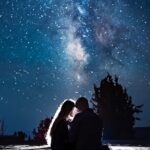
Even when you’re not actively using the telescope, the dark creates mood. You’ll notice how the cliff silhouettes frame the sky. Then the stars fill in around those shapes—thousands of points instead of a few scattered bright dots.
The tour description also emphasizes that you can stay up a little later to enjoy the sky, including stars, constellations, and even galaxies. I’d manage expectations here. Seeing galaxies depends on darkness quality and sky conditions. But the fact the tour is built around a dark-sky location is exactly what improves your odds.
For photos: keep your expectations realistic. Phones struggle in real darkness unless you know how to use night modes well. The best photos often require longer exposure or basic tripod discipline. If you don’t do that, don’t stress. You can still capture the memory with a few wider shots and enjoy the rest with your eyes.
Weather and altitude: the stuff that can make or break the experience
At over 5,000 feet elevation, the weather can change how you feel fast. Cold air can make you uncomfortable even if the sky is perfect.
This is where the tour’s provided gear helps. Blankets make a real difference, and the recliner seating prevents the “I’m tired of standing” problem. Still, plan as if you’re going to be cold for stretches of time. Bring layers you can keep on and that don’t restrict movement too much when you need to adjust your chair position.
Also note the night-vision lighting. If you’re tempted to use your phone flashlight to read everything you packed, try not to. Use the red flashlight included, or just wait. Star viewing rewards restraint.
Finally, keep your expectations flexible. One less-than-stellar experience described the planned spot being occupied and the group driving to another one. That’s the kind of operational change that can happen in outdoor settings. If you’re open-minded, you’ll still get the core thing: dark sky time.
Who should do this Zion night-sky Jeep tour
This tour is a good fit if you:
- want guided stargazing without figuring out your own dark location
- like comfort while you look up (recliners, blankets, less fuss)
- value small group time (limited to 10 participants)
- want telescope viewing for moon and stars
- prefer an organized night plan rather than improvising after a busy day
It’s also a nice option for couples or small groups because the setting stays quiet and structured. If you’re traveling with people who think stargazing is boring, comfort changes that equation. The recliner seating makes it easier to stay engaged.
You might want to skip or rethink if:
- you need highly hands-on, no-technology learning and you hate guided explanation formats
- your group expects every minute to be telescope time, even though the tour experience includes guidance and positioning
- you’re extremely sensitive to cold and don’t want to layer up (even with blankets)
Kids policy is also worth reading carefully. Children under 40 lbs (18 kg) need their own child car restraint to be used with a lap belt, and only service dogs are allowed. If you’re traveling with a small child, plan early so you don’t arrive unprepared.
Price and value: is $100 per person fair?
At $100 per person for a 2-hour guided night experience, value comes down to what you’re buying beyond the stars.
You’re paying for:
- the drive to a darker, higher-elevation viewing area away from crowds and lights
- small group guiding (up to 10 participants)
- comfort setup: recliner chairs and blankets
- included equipment: telescope, binoculars, red light flashlights, and water
If you try to DIY this, you’ll spend time scouting, you’ll deal with uncertainty in timing, and you might still end up in a spot that’s too bright. The tour shifts that effort onto the operator, which is worth something—especially if you’re only in the area for a short time.
That said, value also depends on reliability. One disappointing account described missing telescope access, limited binoculars for the group, and water not being provided. I can’t promise every tour runs perfectly. But you can protect your $100 value by confirming the telescope and how sharing works for binoculars.
If you confirm expectations upfront and you’re open to a guided format, this is the kind of experience where the price starts to make sense quickly: you’re buying a smooth path to better stargazing, not just a lesson in astronomy.
Booking tips and quick questions that protect your night
You meet at Balcony One restaurant. From there, you’re set up for an evening drive, then settled with chairs and viewing gear. The guide is English-speaking, and group size stays small.
Before you go, I’d send a short message or ask directly:
- Will the telescope definitely be available and used during the tour?
- How are binoculars shared in a small group?
- What’s the plan if the first viewing spot is unavailable?
These are not paranoid questions. They’re the fast way to align the experience with what you came for, especially if telescope viewing is your top priority.
Also plan to dress for cold. If you think you’ll be fine in a light jacket, that’s the kind of assumption that gets expensive in discomfort.
Should you book the Zion Night Sky Jeep Tour?
If you want a comfortable, guided way to see why Zion is famous even after sunset, I think this tour is an excellent choice. The combination of dark-sky location, recliner chairs, blankets, and telescope viewing is exactly how you turn stargazing from a vague idea into a real hour-plus of wonder.
Book it if you:
- like guided logistics that get you away from lights
- value comfort and small groups
- want moon and star detail through a telescope
Pause and double-check if:
- you booked primarily for telescope access and need certainty
- you’re traveling with someone who’s very cold-sensitive
When it works well, it’s the kind of night experience that makes Zion feel new—quiet, dark, and sharply alive above the cliffs.
FAQ
How long is the Zion Night Sky Jeep Tour?
The tour lasts 2 hours and is usually available in the evening.
Where do I meet for the tour?
You meet at Balcony One restaurant.
Is there a telescope and binoculars included?
Yes. The tour includes a telescope and binoculars for stargazing.
What else is provided besides the telescope?
You’ll be provided with recliner chairs, blankets, water, and red light flashlights, along with a live tour guide.
How big is the group?
The tour is limited to a small group with up to 10 participants.
Is the tour guide available in English?
Yes. The live tour guide is available in English.
Are there any special rules for children?
Children under 40 lbs (18 kg) must bring their own child car restraint for use with a lap belt. Only service dogs are allowed.
If you want, tell me your travel month and how many people are in your group, and I’ll help you decide what to wear and what to prioritize for the best viewing.