REVIEW · CANTERBURY NEW ZEALAND
Mount Cook, Lake Pukaki: Billion Star Dining
Book on GetYourGuide →Operated by Mt Cook Lakeside Retreat · Bookable on GetYourGuide
Cold air, warm food, and a sky full of answers. That mix is why Billion Star Dining feels special in Mt Cook country. You start with a refined meal at The Moraine, then shift gears to the Southern sky at Pukaki Observatory, where the viewing setup is purpose-built for real astronomy.
What I like most is how the night has two distinct moods that actually connect. The meal is fresh and modern, and then you move into a stargazing session guided with clear explanations. I also love that the group stays small, so the astronomy portion doesn’t feel like a cattle-call lecture.
One thing to plan around: the stars depend on weather. The dining portion goes ahead even if conditions are rough, but stargazing can be affected when the sky won’t cooperate.
In This Review
- Key things that make Billion Star Dining worth it
- Dinner at The Moraine: good pacing before you chase the stars
- Why this ordering works for your comfort
- The wine cellar briefing: where the Southern sky lesson starts
- Pukaki Observatory: retractable-roof viewing that feels like built for this
- The telescope: what a 9-inch reflector actually gets you
- What you can see: Saturn, Jupiter’s bands, nebulae, and more
- Star clusters and nebulae: why those are worth your time
- Aurora Australis: the bonus that depends on the night
- Timing, group size, and the vibe you should expect
- Who this is best for
- Price and value: is $224 per person reasonable here?
- Weather reality: what can change and how to handle it
- What to bring: warm clothing is the key item
- Getting the most from your telescope time
- Is this the right booking for you?
- FAQ
- How long is Billion Star Dining?
- What’s included in the package?
- Is the stargazing guaranteed?
- What should I bring?
- Is this suitable for children?
- What can I see during the telescope session?
Key things that make Billion Star Dining worth it
- The Moraine fine dining first, so you’re not waiting around cold and hungry
- Wine cellar welcome that sets up what you’ll see in the Southern sky
- Pukaki Observatory’s retractable roof, framing the stars when it opens
- A 9-inch reflector telescope used during the session (big enough to make detail feel real)
- Chances to spot Saturn and Jupiter’s bands, plus clusters and nebulae
- On special nights, possible Aurora Australis sightings
Dinner at The Moraine: good pacing before you chase the stars
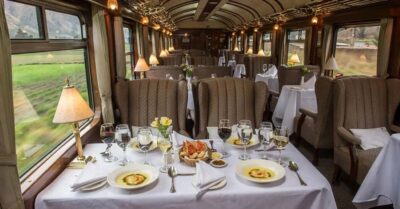
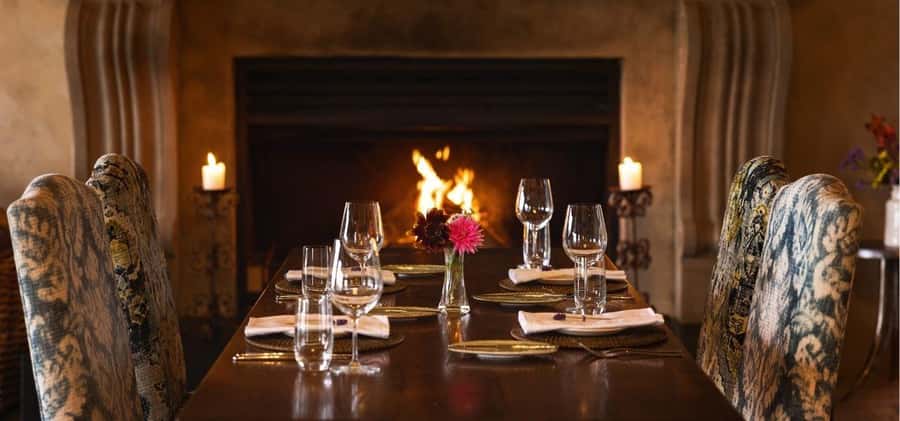
This is a two-part evening, and the timing makes sense. You don’t start with darkness and mystery and hope you find food later. You begin with a refined dining experience at The Moraine, which puts you in a comfortable rhythm before the cold comes on strong.
The food focus is fresh and innovative, and the setting is part of the appeal. A restaurant experience matters here because your night’s energy changes after dinner. If you’re used to long tours that start with transport and end with a quick stop, this setup feels more like an actual evening out.
You can also read our reviews of more tours and experiences in Canterbury New Zealand.
Why this ordering works for your comfort
Stargazing is weather-dependent and nights can get chilly around Mt Cook. Starting indoors means:
- you arrive with energy
- you warm up first
- you don’t lose time to hunger while waiting for better skies
Even better, if weather spoils the astronomy, the dinner part still proceeds. That’s a big deal for value and for keeping the night from feeling like a gamble.
The wine cellar briefing: where the Southern sky lesson starts
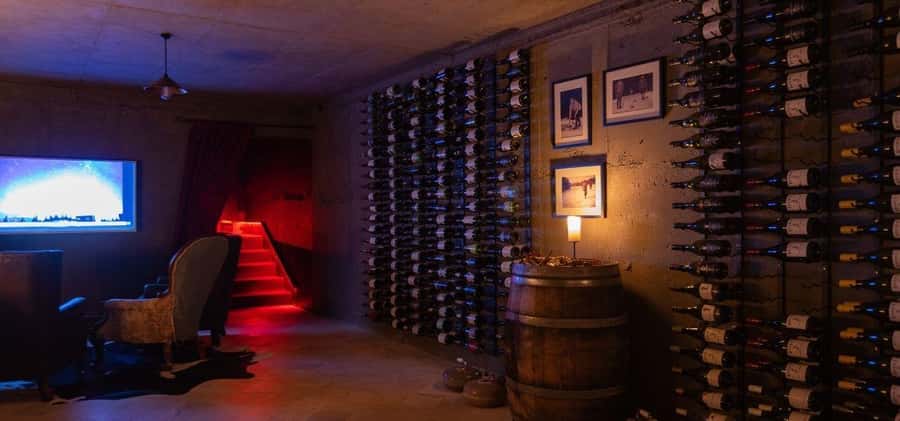
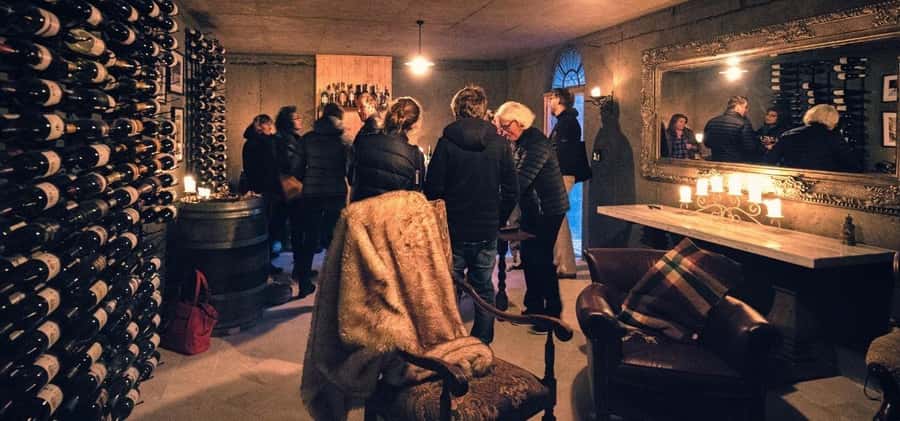
Before you head to the observatory, you get a welcome drink in the wine cellar. The point isn’t just a sip and a photo moment. You get an introduction to the Southern sky, and it acts like a mini pre-game for the telescope time.
That kind of prep matters. When someone tells you what to look for and how it’s likely to appear, your viewing time gets better fast. You’re not staring at darkness and hoping for the best. You’re learning what the guide is tracking and why it matters.
And because the guide is there in person, you can ask questions in the moment. Small group format helps with that. You’re more likely to get a response than to be stuck listening to one long stream of information.
Pukaki Observatory: retractable-roof viewing that feels like built for this
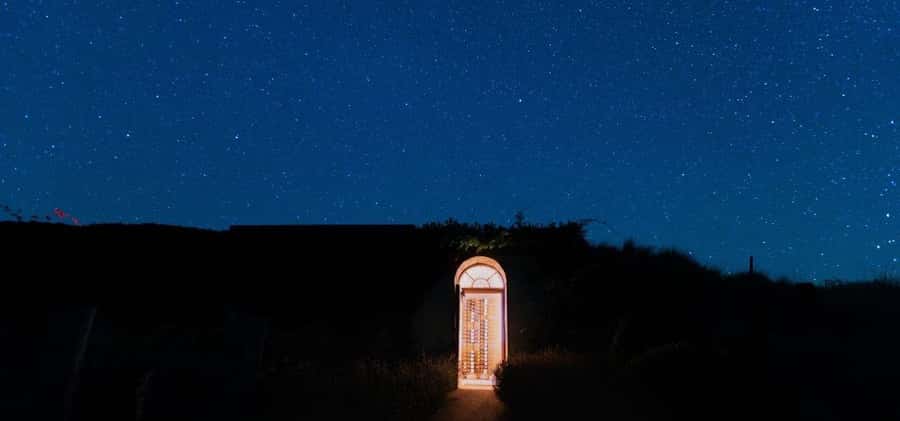
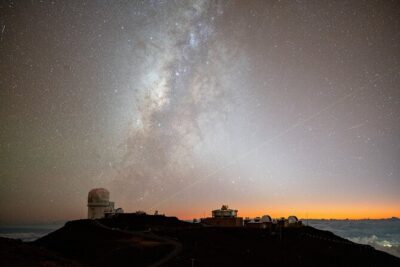
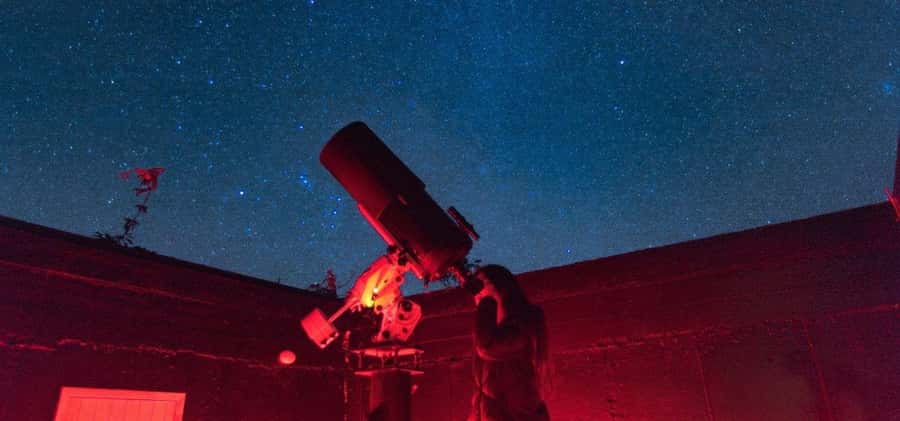
After dinner and the cellar intro, you head to the Pukaki Observatory. This is not a casual field stop. It’s a purpose-built observatory with a retractable roof and a viewing setup designed to frame the sky.
When the roof recedes, the observatory walls create a sort of natural border around the heavens. That framing does two things:
- it makes the sky feel closer and more dramatic
- it keeps the viewing area focused, even when the night is windy or chilly
The telescope: what a 9-inch reflector actually gets you
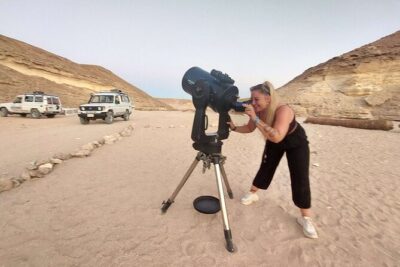
The telescope is a 9-inch reflector, and that’s the heart of the show. It’s the tool that turns general stargazing into something with texture and detail. With a guide steering the session, you’re directed toward specific targets rather than scanning randomly.
You’ll also learn what you’re seeing. That’s important because telescope viewing can look confusing at first. A guide can connect the dots between the object name and the shape or bands you’re spotting through the glass.
What you can see: Saturn, Jupiter’s bands, nebulae, and more

The experience is set up around a clear list of targets. On the telescope, you can expect views of:
- Saturn’s rings
- Jupiter’s bands
- Star clusters
- Nebulae
- Other planets (as part of the session’s viewing plan)
This is exactly what makes the evening feel like more than a novelty. Rings and banding are the kinds of sights that make people go quiet for a second. They’re visually recognizable, but also detailed enough that they feel like a real achievement when you see them for yourself.
Star clusters and nebulae: why those are worth your time
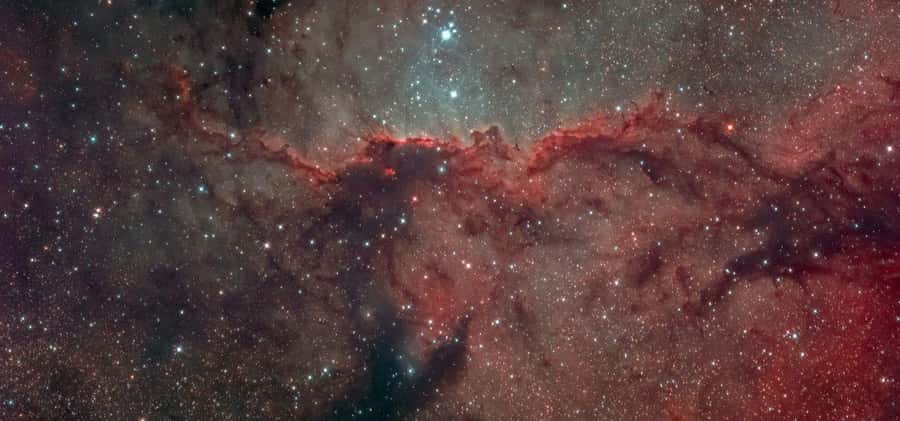
Planets are often the easiest draw, but clusters and nebulae are where the sky starts to feel like a living system. A cluster can look like a small, tight scatter of points. A nebula can appear softer and more dimensional than you’d expect from casual star-watching.
The guide’s explanations help you notice those differences instead of treating everything as just distant dots.
Aurora Australis: the bonus that depends on the night
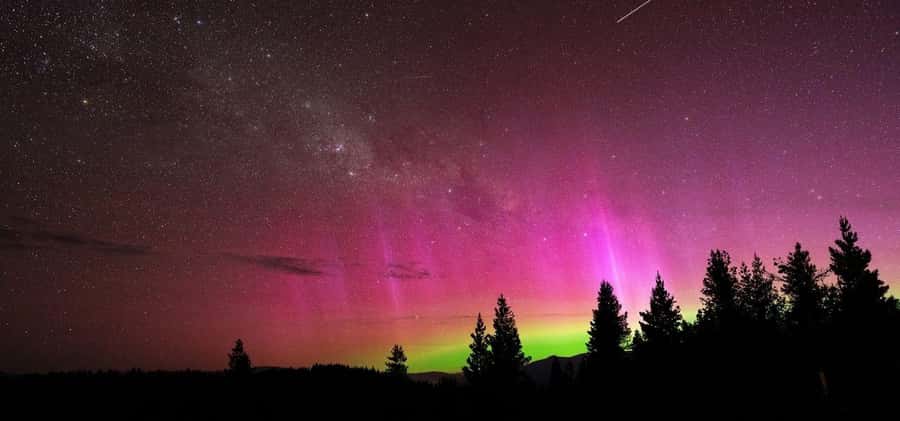
The tour notes special nights may include the Southern Lights, also called Aurora Australis. That means you shouldn’t count on it every time. But it’s a nice upside if conditions line up.
Even without aurora, the promised telescope targets already make the session worthwhile. Aurora just adds a wow-factor ceiling on the right night.
Timing, group size, and the vibe you should expect
This experience runs for about 4 hours, with the evening built around dinner plus the observatory session. The group size is limited to 10 participants, and that small number affects the experience in a practical way.
In a small group, you’re more likely to:
- keep your attention during the briefing
- get help with what the guide is pointing out
- move smoothly between meal and stargazing without long waits
The tour is guided live in English, so you’ll get real-time explanations while looking through the telescope.
Who this is best for
This is a strong fit if you want a structured, guided night sky experience. It’s also a good choice if you like travel that mixes “place” and “activity,” not just one or the other.
It’s not suitable for children under 10, which tells you the pace is aimed at adults or older kids who can handle the combination of dining, cold air, and a guided astronomy session.
Price and value: is $224 per person reasonable here?
At $224 per person, this isn’t a bargain dinner. But it’s not overpriced in the usual way either. Here’s what you’re paying for, and why it can justify the cost:
- Two curated components in one: fine dining at The Moraine plus a guided astronomy session at Pukaki Observatory
- A specialized telescope experience using a 9-inch reflector, not just a casual look
- A guided explanation tied to what you’re actually seeing
- Small group format (up to 10), which typically means less crowding and more attention
- An included welcome drink plus an intro to the Southern sky
You’re also getting a view into a serious part of the Mt Cook region: the local astronomy setup. That kind of dedicated observing space has real operating value, and it’s what separates this from dinner-with-a-stroll type tours.
My practical take: if you care about both food quality and a guided sky experience, the price can feel fair. If you only want stargazing and don’t want a dressed-up meal, you might prefer a simpler viewing option.
Weather reality: what can change and how to handle it
Stargazing is weather dependent. That’s the headline. If clouds roll in, the observatory session may be limited or you might not get the full range of views you were hoping for.
The good news is the dinner part continues in bad weather. So the night still has a solid core even when the sky disappoints. If your top priority is aurora or a completely clear sky, consider booking with a flexible mindset and warm layers ready.
What to bring: warm clothing is the key item
Bring warm clothing. This matters because you’ll be outdoors or near outdoor conditions for the stargazing segment, and comfort will make a big difference to how much you enjoy the session.
If you run cold easily, dress more aggressively than you think you need. The goal is to be comfortable enough that you can focus on the guide and the sky instead of your own shivering.
Getting the most from your telescope time
You can’t control the weather, but you can control how you use the guided session. Here are practical moves that tend to pay off with telescope viewing:
- Listen to the setup before you look. The more context you have, the more you’ll recognize in the eyepiece.
- Pay attention to what the guide points out first. The early targets often shape how you’ll see everything else afterward.
- Ask questions during the briefing phase rather than waiting until the most crowded moment.
- Be patient with your eyes and expectations. Telescope viewing can feel different from normal star-watching, and the guide’s adjustments make a difference.
The whole structure of the evening is designed to help you succeed, not just participate. Lean into it.
Is this the right booking for you?
Book Billion Star Dining if you want a complete, high-comfort evening in Mt Cook that combines fine dining and a genuinely guided astronomy experience. I’d especially recommend it if you:
- care about food that isn’t just an afterthought
- want to see Saturn and Jupiter rather than only vague stargazing
- like small-group experiences with a live guide
- don’t mind that stargazing depends on conditions, because the dinner part remains a sure win
Skip it if your budget is tight or if you only want casual star-watching without the structured observatory session.
FAQ
How long is Billion Star Dining?
The experience lasts about 4 hours.
What’s included in the package?
You get fine dining at The Moraine, a stargazing experience at Pukaki Observatory, a welcome drink, and use of a 9-inch reflector telescope.
Is the stargazing guaranteed?
No. Stargazing is weather dependent, so conditions can affect what you’re able to see.
What should I bring?
Bring warm clothing for the stargazing portion.
Is this suitable for children?
No, it’s not suitable for children under 10.
What can I see during the telescope session?
You may see Saturn’s rings, Jupiter’s bands, star clusters, nebulae, and planets. On special nights, you might also see Aurora Australis.
If you’d like, tell me what month you’re going and whether you’re more into the food or the astronomy. I can help you decide if this timing fits the kind of night you’re chasing in the Mt Cook area.