REVIEW · TENERIFE
Private astronomy tour with sunset toast, picnic, and astrophotography
Book on GetYourGuide →Operated by Andromeda Project · Bookable on GetYourGuide
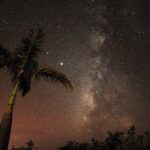
That first sight of stars over Teide is the kind of wow. This 6-hour night-sky evening pairs Mount Teide views with telescopes and a picnic-style sunset toast, then adds live astrophotography you can take home.
What I love most is the way the experience is built around timing: you get the sun-and-sky transition, then the deep-sky show. I also like that the group stays small, and you’re not just sitting in the dark hoping for the best.
One possible drawback: the stargazing quality depends on the night sky, and Tenerife microclimates can shift fast. Even so, the tour goes ahead, and if you can’t see the stars, you’re offered a new date for the astronomy part when available.
In This Review
- Key highlights worth the ticket
- Why Teide at sunset turns stargazing into a story
- From southern Tenerife hotel pickup to volcanic “moon roads”
- Dinner keeps the evening comfortable, not rushed
- The panoramic sunset toast, plus a real Mount Teide moment
- Seeing the Sun safely before the sky gets dark
- Telescope time: stars, planets, clusters, and that “wait—wow” feeling
- Live astrophotography: your Andromeda Galaxy keepsake
- Guide style and small-group advantage (Pietro and team)
- Weather, microclimates, and how to protect your evening
- Cold reality check: warm gear is not optional
- Price and value: is $105 per person fair?
- Who should book this Teide astronomy evening
- Should you book it or pass?
- FAQ
- How long is the private astronomy tour?
- Where are pickup and drop-off available?
- Is hotel pickup included?
- Does the tour include dinner?
- What’s included for telescope viewing?
- Is live astrophotography included?
- What should I bring for stargazing?
- What happens if it’s cloudy and you can’t see the stars?
Key highlights worth the ticket
- Mount Teide sunset from a high vantage with a local aperitif and picnic-style toast.
- Sun viewing through a professional filter before the real darkness rolls in.
- Professional telescopes guided by a team that teaches you what you’re looking at.
- Live astrophotography with an included Andromeda Galaxy photo souvenir.
- Small groups that make it easier to ask questions and get individual help.
- Dinner + warm gear support so you can last the full evening outside.
Why Teide at sunset turns stargazing into a story
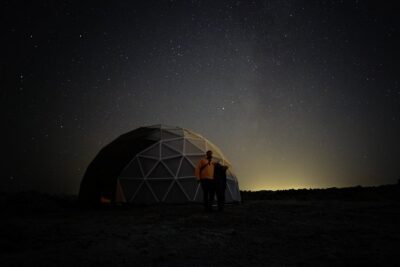
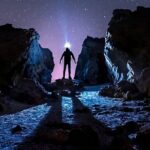
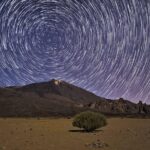
Tenerife has “normal” viewpoints, and then it has Teide. When you’re up in the volcanic park, the sky feels closer and the air feels sharper. That matters, because stargazing isn’t just about gear. It’s about darkness, patience, and knowing where to look.
This tour does a smart thing: it gives you the best part of the day in phases. You start with the mountain, watch the light shift at sunset, and then you get into real astronomy once the stars come out. It turns an activity into a sequence you can follow.
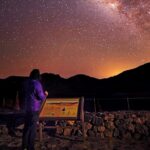
If you’ve ever looked at the Milky Way from a dark place and wondered what you were actually seeing, this is the kind of evening that answers that question fast.
You can also read our reviews of more tours and experiences in Tenerife.
From southern Tenerife hotel pickup to volcanic “moon roads”
I like that you don’t have to self-coordinate. You’ll be picked up in southern Tenerife with options from Los Cristianos, Playa de las Américas, and Costa Adeje, then driven into the Teide National Park area. That drive is part of the experience.
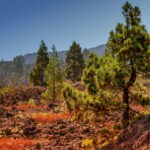
As the vehicle climbs, the scenery changes quickly. You’ll pass through volcanic terrain that feels otherworldly—close to lunar landscapes, but still unmistakably Tenerife. The guide also shares Guanche legends and Tenerife-sky stories along the way, which is a nice break from silence.
Keep in mind that you’re going higher and colder than you might expect. Even if the valley is comfortable, bring layers. The stars are great, but your teeth are not meant to be the main event.
Dinner keeps the evening comfortable, not rushed
You’ll stop for dinner for about 45 minutes. This isn’t a throwaway meal. It’s there so you can enjoy the sunset and the stargazing without your energy crashing mid-evening.
From what’s been shared, the food often follows a local, Canarian-style rhythm—enough to feel satisfied before you head into telescope time. You’ll also want to keep the pace in mind: the night program is timed to the sky, not to your appetite.
Tip: If you’re the type who always orders the “lightest” thing, consider eating a bit more than usual. You’re outside later, and cold makes food matter more.
The panoramic sunset toast, plus a real Mount Teide moment
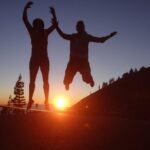
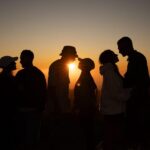
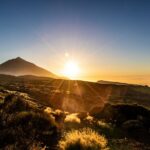
The sunset stop is a main event. You’ll head to a vantage point where you can watch the light drop and the volcanic silhouettes glow. And yes, it’s one of those transitions where you feel like the day is literally switching off.
Along with the view, you get an aperitif and a picnic-style toast. This is a practical touch: it keeps the waiting time between sunset and full darkness from feeling like dead time.
Also, you’ll spend time in different positions in the Teide area to improve your odds. Some evenings can be affected by cloud layers, and Tenerife has microclimates. On clearer nights, the payoff is big.
Seeing the Sun safely before the sky gets dark
Before the deep-sky portion, you get to observe the Sun using a professional filter. This is a cool twist because many stargazing tours jump straight to nighttime.
It gives you a sense of contrast: the same sky, totally different mood. And it’s also a safety win. You’re not improvising with random gear. You’re looking the right way, with the right equipment.
If you’re curious about how astronomy works—how you can look at bright objects without frying your eyes—this part makes the rest of the evening make more sense.
Telescope time: stars, planets, clusters, and that “wait—wow” feeling
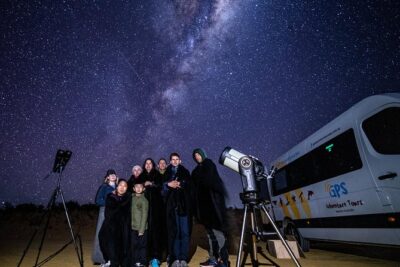
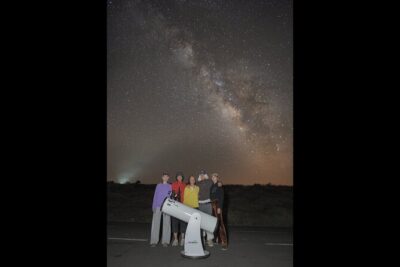
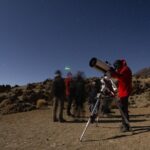
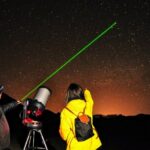
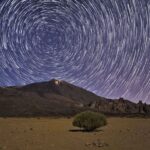
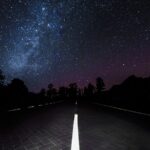
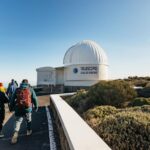
Once it gets dark, the tour shifts into classic astronomy mode. With professional telescopes and expert guidance, you’ll explore deep-sky targets—things like galaxies and star clusters—plus brighter planets when conditions allow.
What you should expect to see depends on the night, but the experience is designed so you’re not stuck only looking at a faint blur. People often talk about seeing the kind of objects that look like “points” in photos becoming real, structured targets through the eyepiece.
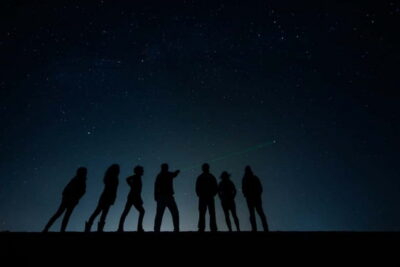
Guides also help you connect the dots. Instead of you just pointing and guessing, you learn what you’re looking at and how to find it. That’s the difference between watching an activity and learning a skill.
Safety note, also practical: telescope sessions involve movement on uneven ground in the cold. The tour provides gear like blankets/tea/snacks in some cases, and that helps. Still, plan for chilly hands and slow steps.
Live astrophotography: your Andromeda Galaxy keepsake
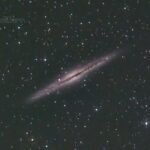
This is the part many people remember the most after the fact. During the evening, the team does real-time astrophotography, including a photo of the Andromeda Galaxy, which is included as a souvenir.
This matters for value. You’re paying not just for telescope time, but for the work of capturing an image you can actually keep. And astrophotography is its own art—alignment, exposure timing, and technical decisions are hard to replicate casually.
Even if you personally take phone photos, the included astrophotography gives you a stronger result that’s tied to the conditions that night.
Practical tip: when you’re offered the chance to do your own shots, follow instructions closely. Small adjustments and patience beat fancy apps.
Guide style and small-group advantage (Pietro and team)
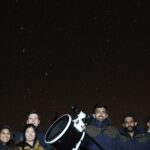
The tour’s small-group feel is real. One report had only five people total, which changes the whole dynamic. You can ask questions without waiting, and the guide can redirect attention when someone needs help finding an object.
Pietro shows up as a standout in the experiences shared. People describe him as friendly and full of useful info, with good spot selection to get away from the worst of tourist light and crowd interference. Others also mention support from team members (names like Rata and Rush come up), which suggests this isn’t a one-person show.
If you like your guides to tell stories and explain what you’re seeing—not just point at it—this is a good match.
Weather, microclimates, and how to protect your evening
Here’s the honest part. Tenerife can have cloud bands, and Teide has microclimates. That means sometimes you’re above the clouds, and sometimes you’re not. The tour plan accounts for this by still visiting key Teide areas even if conditions aren’t perfect.
Your key consideration is simple: if you can’t see the stars, there’s no refund. The good news is that you’re offered a new date for the astronomy part for free, subject to availability, as long as the astronomy portion can be run again.
So what should you do? Choose clothing like you’re going to a very cold outdoor concert—because you are. Warm layers, a hat, long sleeves, and closed-toe shoes are strongly recommended. If you think you’ll tough it out in a hoodie, you’ll likely learn new vocabulary up at elevation.
Cold reality check: warm gear is not optional
Even when the sun feels mild earlier, nights at altitude can be brutally cold. People explicitly call this out. Blankets and warm drinks help, but your best defense is to dress for cold first, and dress for photos second.
I’d treat this as a “layers win” evening: thermal base layer, mid layer, then something wind-resistant. Hat is not just for style—it keeps heat from escaping through your head.
Also, expect that you’ll be outside waiting. The time between sunset and full darkness can involve waiting for stars to pop through. Warm clothing makes that wait pleasant instead of miserable.
Price and value: is $105 per person fair?
At $105 per person for 6 hours, you’re paying for a lot more than a viewing session. Here’s what you’re actually buying:
- Hotel pickup and drop-off in southern Tenerife (big deal if you don’t want to drive in the dark)
- Guided transport by van with an expert guide
- Dinner (about 45 minutes)
- Sun observation through a professional filter
- Telescope-based nighttime astronomy
- Aperitif + picnic-style toast at sunset
- Live astrophotography, including the included Andromeda Galaxy photo
When you compare those elements to the cost of just an astronomy entry ticket plus local transport and dinner, the math starts to make sense. This isn’t just a “look at stars” event. It’s a structured night program with food, equipment, and a souvenir deliverable.
It’s also a small-group style, which usually costs more than mass-market tours. For the experience level offered, the price feels in line.
Who should book this Teide astronomy evening
Book it if you want:
- Serious night-sky time with professional telescopes
- A sunset plan that includes real refreshments, not just a photo stop
- Astrophotography as part of the deal, not something you have to figure out
- A guide who talks through what you’re seeing, and helps you find targets
You might skip it if:
- You have heart problems, since the tour notes it’s not suitable for people with heart problems.
- You’re hoping for a mostly indoor, laid-back night. This is outside, on cold ground, and you’ll be moving between viewing spots.
Should you book it or pass?
I think this tour is a strong choice if your Tenerife trip includes at least one evening where you want the sky to be the main character. The combination of Teide sunset + telescope viewing + live Andromeda photography is exactly the kind of “one time, done right” experience that adds real value to a holiday.
The main reason to hesitate is weather risk. If stargazing is your top priority and you’re traveling during a season with frequent cloud cover, keep expectations flexible. Still, the tour runs even when conditions aren’t ideal, and the team works to maximize what you can see.
If you’re organized about your clothing and you’re okay with waiting for darkness, this is one of the better ways to spend a night in Tenerife.
FAQ
How long is the private astronomy tour?
It lasts about 6 hours.
Where are pickup and drop-off available?
Pickup and drop-off are available in southern Tenerife at Los Cristianos, Costa Adeje, and Playa de las Américas.
Is hotel pickup included?
Yes. The tour includes hotel pick-up and drop-off in southern Tenerife.
Does the tour include dinner?
Yes. There is a dinner stop of about 45 minutes.
What’s included for telescope viewing?
You’ll have nighttime astronomical observation with telescopes, plus Sun observation using a professional filter earlier in the experience.
Is live astrophotography included?
Yes. Live astrophotography is included, and the photo of the Andromeda Galaxy is provided as a souvenir.
What should I bring for stargazing?
Bring warm clothing, a hat, a long-sleeved shirt, and closed-toe shoes.
What happens if it’s cloudy and you can’t see the stars?
The tour still goes ahead even if it’s cloudy. If you can’t see the stars, there is no refund, but you can be offered a new date to make up for the astronomy part for free (subject to availability).