REVIEW · ISHIGAKI
Private Stargazing Photography Tour In Kabira Bay
Book on Viator →Operated by 石垣島プライベートツアー ベタ凪 · Bookable on Viator
Staring up at Kabira Bay feels unreal. This private 1.5-hour stargazing photography tour takes you away from Ishigaki’s brighter areas and toward the island’s famously dark skies, so your photos actually pick up the stars. I especially like the Starry Sky Sommelier® approach (constellations explained in English) and the Kabira Bay setting, which helps make the night look more like the sky you imagined.
One thing to consider: this experience depends heavily on weather and a clear sky. If clouds move in, you may need to be flexible with timing, since the whole point is to capture stars sharply—not just make a nice night walk.
In This Review
- Key highlights worth planning for
- Kabira Bay: the dark-sky setting that makes stargazing photos actually work
- The Starry Sky Sommelier® method: photos with a sky lesson attached
- Your 1.5-hour private photo session in Kabira Bay
- What you might see: 84 constellations, the Southern Cross, and shooting-star chances
- Weather and timing: the real make-or-break factor
- Price and value: is $78.18 per person worth it?
- Who this Kabira Bay stargazing photography tour suits best
- Should you book this tour?
- FAQ
- What time does the Kabira Bay stargazing photography tour run?
- How long is the private tour?
- Is pickup available?
- Is this tour private?
- How many guests are required to run the tour?
- What is the Starry Sky Sommelier® certification?
- What can I see during the tour?
- What happens if the weather is poor?
- What is the cancellation policy?
Key highlights worth planning for
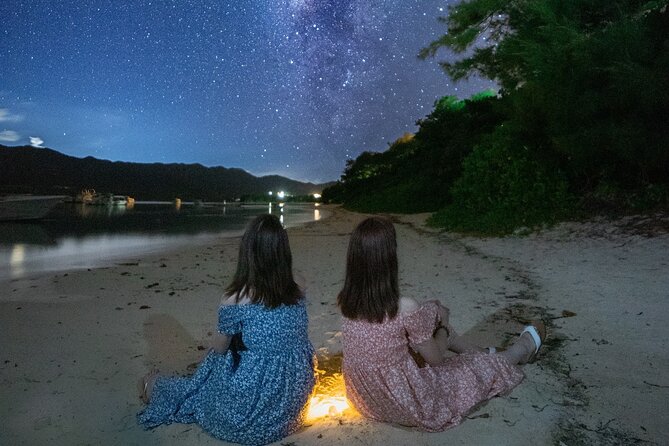
- Kabira Bay dark-sky location: farther from central light pollution, so the sky shows more
- Starry Sky Sommelier® guide: constellation explanations designed to match your photos
- English guidance during shooting: helpful if you want the night to make sense, not just look pretty
- Private transport included: you’re not stuck figuring out how to get to the best viewing area
- Photo-focused session: you’re photographed while the sky story unfolds
- Big-sky targets: expect mention of the Southern Cross, many shooting stars, and lots of visible constellations
Kabira Bay: the dark-sky setting that makes stargazing photos actually work
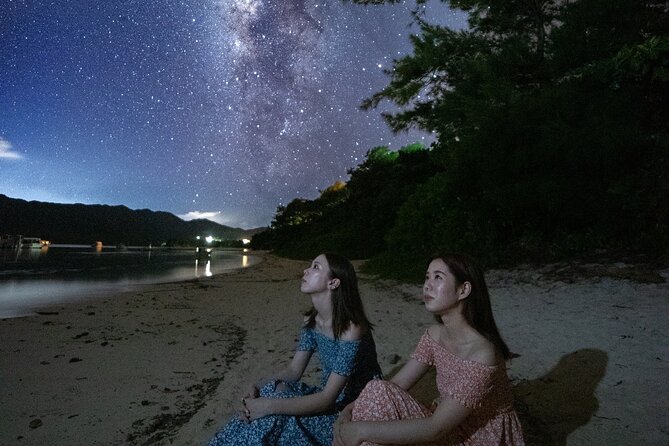
If you’ve ever tried taking night photos in a city, you know the problem: bright streetlights wash out the stars. Ishigaki’s central areas can be much brighter, so your results often disappoint—especially if you’re hoping for clear constellations and real depth in your images.
This is why Kabira Bay matters. The tour aims for the most famous sightseeing area there, picked specifically because it’s far enough from the city lights. You’re looking at a road trip vibe here: the tour includes free private transportation, about 30 minutes one way from the central area, so you’re not just “going somewhere dark.” You’re going somewhere that’s dark enough to show the night properly.
There’s also a bigger-picture reason Ishigaki’s skies get attention. In 2018, Ishigaki Island was designated Japan’s first International Dark Sky Place. That designation isn’t just trivia; it’s a clue that the region has a strong track record for keeping light pollution under control. When the surroundings are handled well, your camera has a fighting chance, and you’ll notice it even with casual stargazing.
You can also read our reviews of more tours and experiences in Ishigaki.
The Starry Sky Sommelier® method: photos with a sky lesson attached
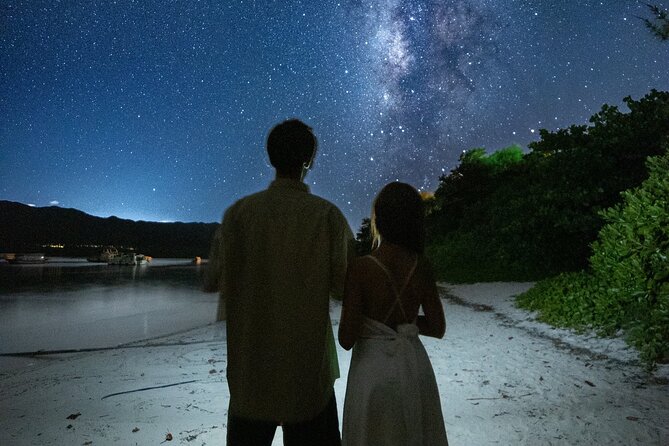
Most stargazing tours have two modes: sit and listen, or take pictures and hope for the best. This one tries to do both in a smarter way.
The photographer on this tour has Starry Sky Sommelier® certification—an approach described as similar to a wine sommelier. In plain terms, it means the guide isn’t only pointing at stars. They’re choosing what to show and explaining how to enjoy the sky based on experience and structured guidance. That certification is described as registered by Yamagata University, which gives the title more formal grounding than a random name badge.
Here’s what you’ll likely feel during the shoot: the constellations become part of the photo process. Instead of you asking later what you saw, the guide explains constellations while the camera is already framing the sky. So you’re not just recording a pretty night—you’re learning where you are in the seasonal sky.
English constellation explanation is a key feature too. The tour notes that English is used during the photo time, which is a big deal if you want the Southern Cross and constellations to land in your brain, not just your camera roll.
Your 1.5-hour private photo session in Kabira Bay
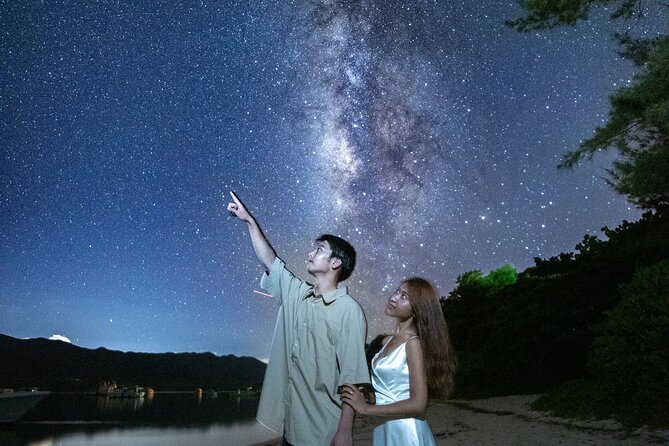
You’ll start with timing that’s built for darkness. The tour runs 8:00 PM to 11:30 PM, and the session itself is about 1 hour 30 minutes. That’s not super long, so you’ll move with purpose. The goal is to spend your best dark-sky time shooting, not commuting all night.
Because it’s private, it’s designed around your group—no mixing with strangers, no awkward waiting while someone else’s tour starts. The minimum is 2 guests, so it works for couples, friends, and small families. It’s also listed as a private activity where only your group participates.
Expect the flow to look like this:
- You’re transported from the central area to Kabira Bay (pickup is offered, and transportation is included).
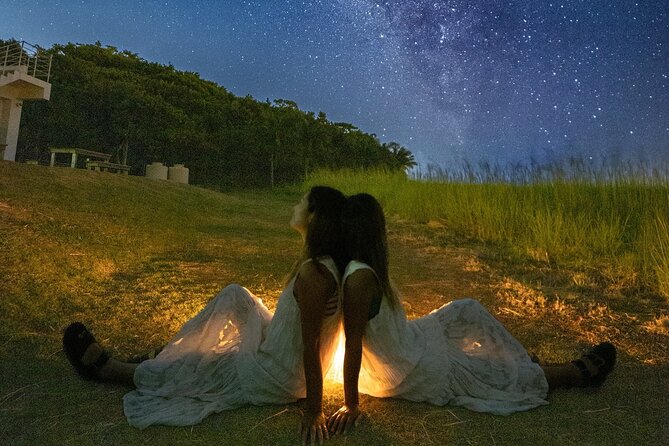
- Once you’re set in the viewing spot, the photographer photographs you with the sky as the backdrop.
- While photos are being taken, the Starry Sky Sommelier explains the constellations so you can connect names and patterns to what’s above you.
- The guide also points toward what’s visible for that night, including targets like the Southern Cross and the kinds of shooting stars people hope to catch.
From the experience details, the guide is also flexible with real-world conditions. For example, there’s mention of the photographer Saito adapting when cloudy weather threatened the plan, and successfully pulling off the session on an alternate night. That matters, because stargazing is the rare activity where the schedule can hold… or it can get wrecked by clouds, and you’ll feel the difference between a rigid plan and an adaptable one.
What you might see: 84 constellations, the Southern Cross, and shooting-star chances
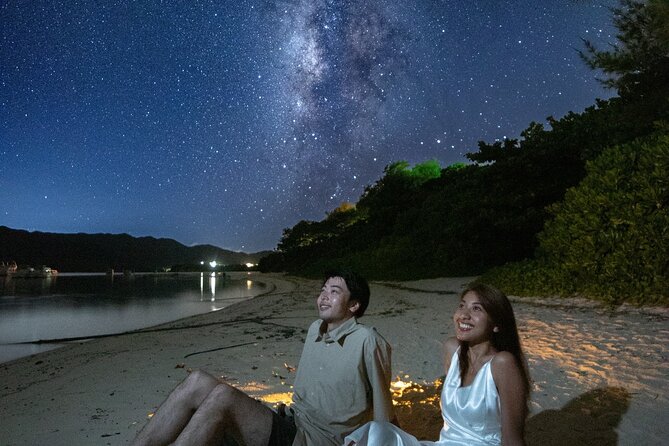
The tour description calls out something specific: you can see the Southern Cross, and many shooting stars, plus 84 constellations. Even if you can’t name every single constellation in real time, having the possibility of that kind of coverage changes the whole feeling of the session. You’re not aiming for a single bright point in the sky. You’re aiming for a night with structure—stories you can follow.
The big advantage of Kabira Bay is that you’re trying for those targets in a place with less light pollution than Ishigaki’s central city areas. The description even contrasts this with the main Okinawa island, noting that Ishigaki’s darker conditions make a difference. In practice, that means the stars you’re photographing are more likely to actually show up as stars, not as faint noise.
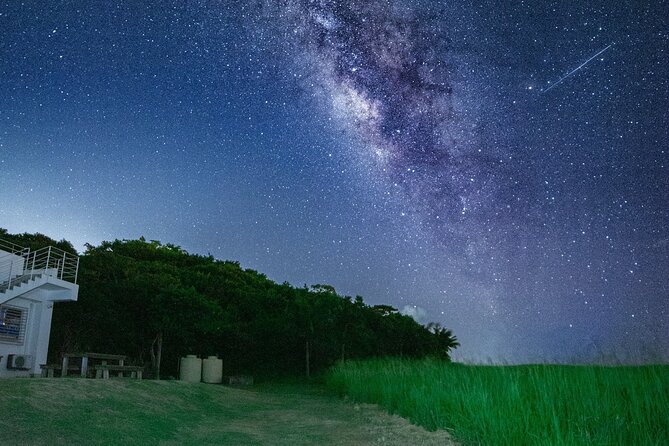
One practical note: shooting stars depend on the sky that night. So think of them as a bonus, not a guaranteed checkbox. The value here is that even if you don’t catch a shooting star, the constellations and clear-sky framing are still the core experience.
Weather and timing: the real make-or-break factor
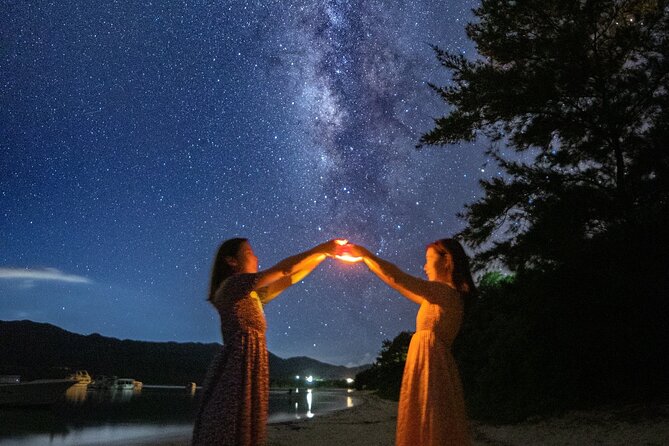
Stargazing tours are simple on paper and complicated in reality. The tour explicitly states that good weather is required, which is exactly what you’d expect for photography under the stars.
If clouds show up, you might face a date change. The experience details say that if it’s canceled due to poor weather, you’ll be offered a different date or a full refund. In other words, the operator is treating the sky as the main ingredient, not a background.
You can also prepare your mindset. This isn’t a daytime sightseeing stop where you can shrug and move on. If you’re traveling with a fixed schedule—say, you only have one night on Ishigaki—build a little flexibility into your plan when possible. The tour timing window is wide (8:00 PM to 11:30 PM), but weather can still be a wild card.
That said, the flexibility shown by the guide matters. There’s an example of Saito working through tough cloudy conditions by adjusting and managing to catch a clear window before the planned time. So if you get an iffy forecast, don’t assume the experience is finished—coordinate with your operator and be ready for an alternate night if needed.
Price and value: is $78.18 per person worth it?
At $78.18 per person, this is not a budget activity. It’s priced more like a specialized photo experience than a general stargazing walk. The value question is simple: do you want your photos to look like something you’d frame, and do you want the sky explained while the camera is rolling?
Here’s what you’re paying for, based on the experience structure:
- Private experience for your group (not shared with random strangers)
- Transportation included so you can get to the best viewing spot without hassle
- A certified guide using the Starry Sky Sommelier approach
- English constellation explanations connected to the act of photographing
- A setup designed around a dark-sky location and a short, focused session (about 1.5 hours)
If you’re the type who takes a lot of photos, this price can feel fair because it saves you time and trial-and-error. If you’re mostly just hoping to look up and enjoy the stars, you might wonder if a cheaper option exists—but you’d lose some of what makes this one practical: guided shooting and a night that’s structured so your images come out better.
Also remember the minimum group size. If you’re traveling solo, the minimum requirement can affect availability or scheduling. If you’re two people or more, it’s easier to treat this as a straightforward, “book once and get it done” experience.
Who this Kabira Bay stargazing photography tour suits best
I’d point this tour toward a few kinds of travelers:
- Couples and proposal planners: the setting is built for big moments, and the private format helps keep things calm and focused. One story includes a proposal planned around the stars, with the photographer adapting when clouds threatened the schedule.
- Photo-minded travelers: you’re not just looking at the sky—you’re being photographed under it, with explanation happening during the shoot.
- English speakers who want meaning: the tour emphasizes English constellation explanations, so you can connect names to patterns instead of guessing.
- Families who want one high-impact night: it runs for about 1.5 hours, so even with kids, it can feel more manageable than a long nighttime program—assuming everyone’s ready for a late evening.
I’d skip it if:
- You have zero flexibility at all and you can’t risk weather disruption. The tour requires good conditions.
- You want a long, slow stargazing session. This is photo-focused and time-efficient, not a multi-hour astronomy lecture.
Should you book this tour?
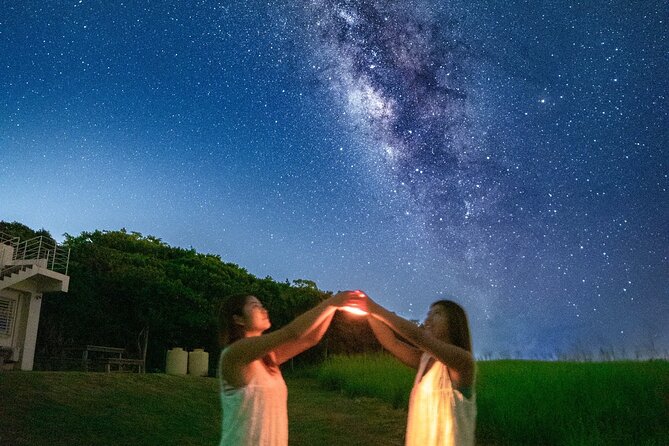
Book it if you want dark-sky photos with real guidance, and you like the idea of learning the sky while you’re being photographed. The Kabira Bay location and the Starry Sky Sommelier framing make it feel like more than a generic night out.
Don’t book it if weather risk would stress you out. This experience is built on clarity, so you’ll want at least some willingness to adjust plans if clouds roll in.
FAQ
What time does the Kabira Bay stargazing photography tour run?
It runs Monday through Sunday from 8:00 PM to 11:30 PM.
How long is the private tour?
The tour lasts about 1 hour 30 minutes.
Is pickup available?
Yes, pickup is offered, and free private transportation is included.
Is this tour private?
Yes. It’s a private activity, and only your group participates.
How many guests are required to run the tour?
The tour requires a minimum of 2 guests.
What is the Starry Sky Sommelier® certification?
It’s a certified starry sky guide title registered by Yamagata University, described as similar to a wine sommelier—someone who teaches you how to enjoy the stars based on knowledge and experience.
What can I see during the tour?
You can see the Southern Cross and many shooting stars, plus up to 84 constellations, depending on what’s visible that night.
What happens if the weather is poor?
The experience requires good weather. If it’s canceled due to poor weather, you’ll be offered a different date or a full refund.
What is the cancellation policy?
You can cancel up to 24 hours in advance for a full refund. If you cancel less than 24 hours before the start time, you won’t receive a refund.