REVIEW · SAN PEDRO DE ATACAMA
San Pedro de Atacama: Stargazing Experience with Transfer
Book on GetYourGuide →Operated by Inspires Viagens · Bookable on GetYourGuide
Starlight hits different in the Atacama. This 150-minute San Pedro de Atacama experience takes you out from town, gives you a clear on-the-ground intro to the night sky, and then turns that wonder into real understanding with an astronomer. I especially like the mix of naked-eye observing and hands-on telescope guidance. You’ll also get a welcome drink such as red wine, pisco sour, or juice, plus a more story-based look through how the sky was viewed in ancient Greece.
My second big draw is the comfort and the keepsake factor. You’ll use equipment, take photos as part of the astronomy session, and finish with snacks and hot drinks while you stay warm with blankets. One caution: a few past participants reported very large groups (around 50) and awkward language logistics, so the experience can feel less personal if your group is too big for the setup.
In This Review
- Key Things You Should Know Before You Go
- Why San Pedro de Atacama Stargazing Feels Worth the Effort
- The 15-Minute Transfer: Getting Away From Town Lights
- The Naked-Eye Part: Learning the Night Sky Like a Beginner
- The ancient Greece storytelling works better than you’d expect
- Telescope Time: Planets, Binaries, Clusters, Nebulae, and Galaxies
- Astrophotography and Photo Souvenirs You Can Actually Use
- Comfort Details That Make Cold Nights Easier
- Price and Value: Is $44 a Good Deal?
- Who This Stargazing Tour Suits Best
- Quick Practical Tips Before You Reserve
- Should You Book This San Pedro de Atacama Stargazing Tour?
- FAQ
- How long is the stargazing tour?
- How does the transfer work?
- Is a telescope included?
- What languages are available during the tour?
- Are drinks and snacks included?
- Is astrophotography included?
- Is there a bathroom during the tour?
- What do I need to provide when reserving?
- Can I change my plans after booking?
Key Things You Should Know Before You Go
- Dark-sky viewing starts fast with a short transfer: about 15 minutes from San Pedro de Atacama’s city center.
- Begin with the sky, not just equipment: you’ll start by looking with your eyes before telescopes.
- An astronomer explains what you’re seeing: including objects you can spot like planets, stars, binaries, star clusters, nebulae, and galaxies (depending on the time of year).
- Astrophotography is included: plus photo time so you leave with real night-sky souvenirs.
- Comfort details matter here: welcome drinks, blankets, snacks, and hot drinks help you stay focused.
- Watch the group-size vibe: some departures have reportedly run very large, which can reduce attention and telescope time.
Why San Pedro de Atacama Stargazing Feels Worth the Effort
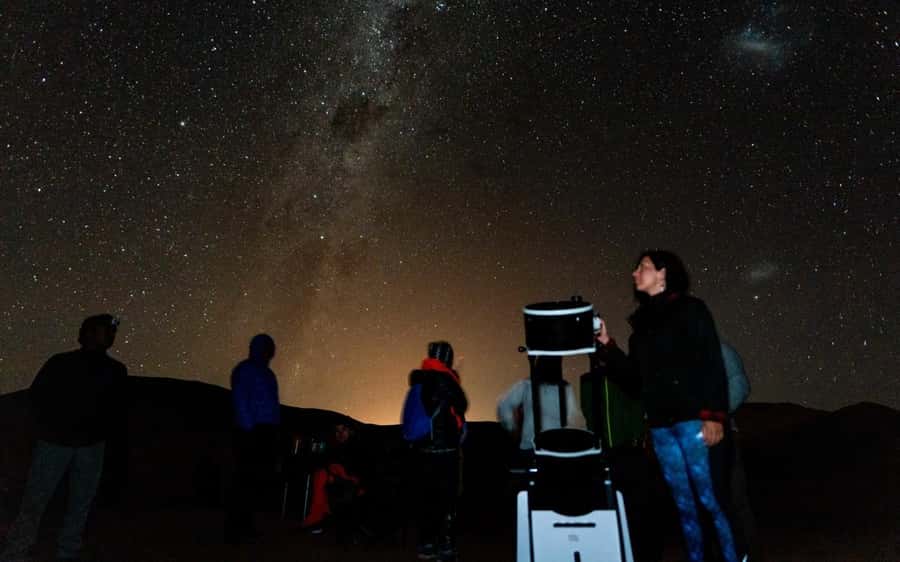
San Pedro de Atacama sits in one of the best places on earth for sky viewing—high, dry air, and lots of darkness once you move away from town lights. That’s why a stargazing tour here isn’t just a nice activity. It’s a chance to actually see structure: star patterns, faint objects, and how much detail you can pull out once your eyes adjust.
What makes this particular tour appealing is the pacing. You’re not thrown straight to a telescope and left to figure things out. Instead, you get a short intro, then a chance to learn the sky with your eyes first, and only then do the telescopes take over. For most first-timers, that sequence makes the whole night “click” faster.
There’s also a human side to it. The program’s included that angle about ancient Greece—how people looked up and made sense of the heavens. That context turns constellations from random dots into a story you can carry with you.
You can also read our reviews of more tours and experiences in San Pedro De Atacama.
The 15-Minute Transfer: Getting Away From Town Lights
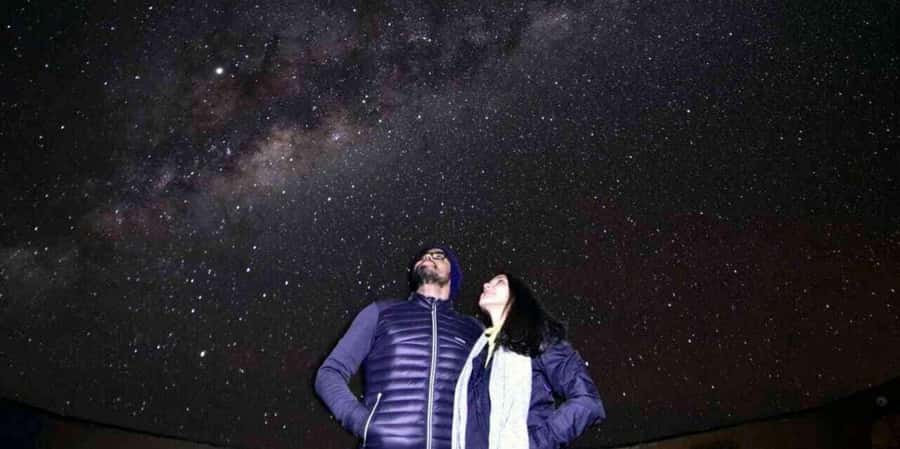
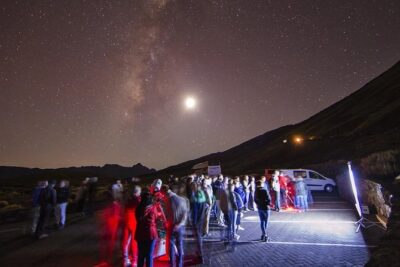
You’ll drive about 15 minutes from the city center to the observation area. That short transfer is a big deal. In plain terms, moving just a little farther from town lighting can improve what you see, especially when you’re trying to spot subtle objects and not just the brightest stars.
On arrival, you’ll get a brief explanation and then begin observing with the naked eye. This is the moment where you benefit from a guide: you learn what to look for, why it matters, and how to position yourself for the clearest view. Even if you’re not into astronomy, you’ll feel less like you’re wandering around in the dark.
The Naked-Eye Part: Learning the Night Sky Like a Beginner
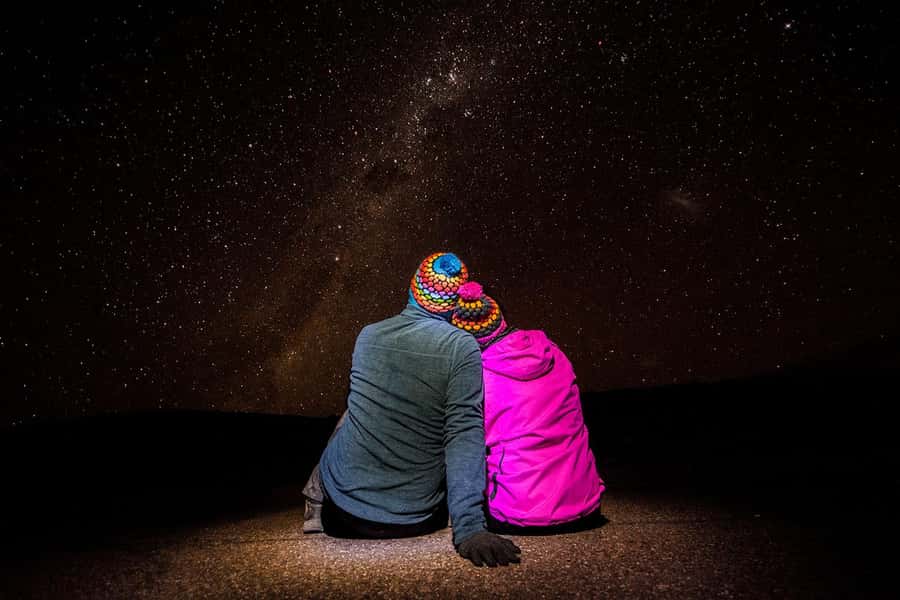
The tour starts with a straightforward goal: help your eyes adapt and help your brain organize what you’re seeing. You begin by observing the sky without equipment, which is honestly the best way to build confidence. After all, a telescope can’t teach you where to look if you don’t know what the sky looks like yet.
You’ll also get a welcome drink during this phase—red wine, pisco sour, or juice. That might sound like a small perk, but it’s actually part of what makes these tours enjoyable. When you’re comfortable and not rushing, you spend more time noticing. And noticing is the whole point.
The ancient Greece storytelling works better than you’d expect
The tour includes a trip back to ancient Greece and how they looked at the night sky. The value here is not academic. It’s emotional and visual. You get a mental map of constellations and myths, which helps you remember what you saw later.
If you go in with even a basic interest in how cultures interpreted the sky, you’ll get extra enjoyment from this part. It turns “look up and hope” into “look up and understand.”
Telescope Time: Planets, Binaries, Clusters, Nebulae, and Galaxies
After the initial naked-eye observing, you switch to telescope learning and object spotting. The program’s designed around the idea that you should understand what you’re seeing—not just look through glass and move on.
You can look for different targets depending on the season. The tour mentions planets, stars, binary stars, star clusters, nebulae, and galaxies. In a practical sense, that means you’re not limited to one type of object. Your guide should be able to point out targets that match what’s currently visible overhead.
This is also where the group-size issue can matter. The experience is best when you can slow down, get help adjusting equipment, and ask questions without waiting too long. Some past participants described very large groups and less organized language handling, which can make telescope time feel rushed or less rewarding.
My advice: if you care a lot about telescope moments, pick your departure carefully when you reserve, and be ready to be flexible if the group is big. Stargazing rewards patience.
Astrophotography and Photo Souvenirs You Can Actually Use
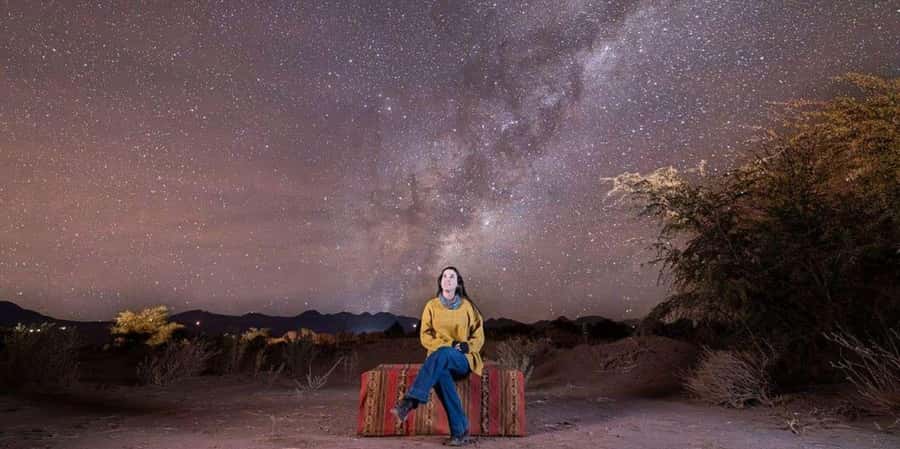
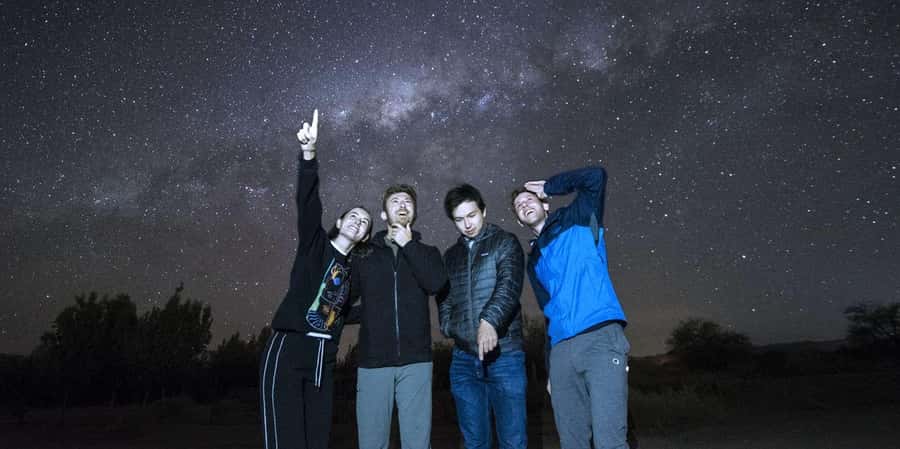
You’re not just shown the sky—you also get astrophotography included. The tour also specifically mentions taking photos with the stars as a souvenir.
For many people, this is the “proof” moment. Cell-phone photos can sometimes work, but they usually don’t capture the same clarity you see with your eyes—or through proper guidance. With astrophotography included, you’re more likely to get usable results that match the experience you paid for.
Even if you don’t care about camera settings, this adds value because it gives you time to enjoy the sky while someone helps with the process. You’re essentially buying back your attention: less tinkering, more looking.
Comfort Details That Make Cold Nights Easier
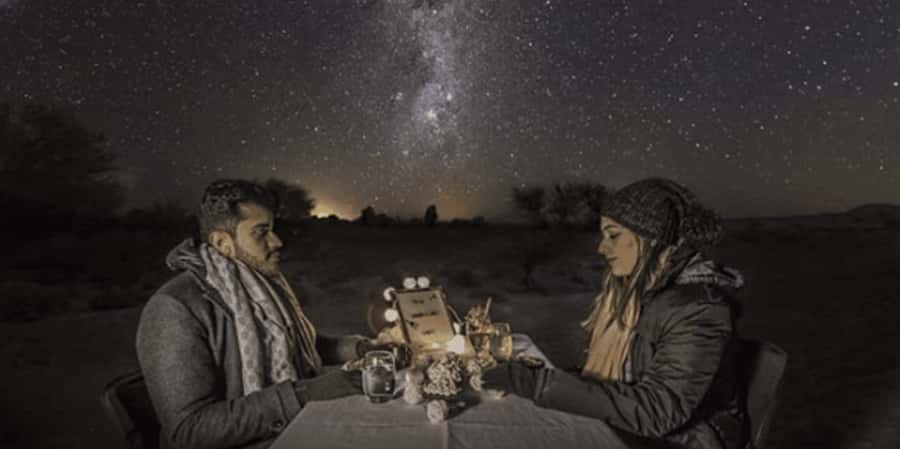
The Atacama can cool down fast once the sun drops. This tour anticipates that reality.
You’ll have blankets, plus snacks and hot drinks at the end. Hot chocolate, tea, and coffee are included, along with a snack. That kind of finish matters because it keeps you from turning “stargazing” into “stargazing until your fingers go numb.”
The tour also includes welcome drinks (red wine, pisco sour, or juice). This isn’t required for astronomy, but it improves the mood and helps you stay relaxed, especially during the longer observation stretches.
One thing to plan around: there’s no bathroom included. If you’re sensitive to cold or you know you’ll want a quick break, handle that before you meet the group.
Price and Value: Is $44 a Good Deal?
At $44 per person for a 150-minute guided stargazing session, you’re paying for a bundle: expert guidance, telescope use, astrophotography support, and a full “night out” feel with drinks, snacks, and hot drinks.
Here’s how I’d judge value: you’re not just buying a 2-hour look at stars. You’re buying structure.
- Structure means you learn what you’re seeing with the astronomer.
- Structure means you get help using the telescope.
- Structure means you get photo souvenirs rather than hoping your phone will magically deliver.
The downside is that value depends on group dynamics. If a departure runs very large, telescope time and personal attention can shrink. That’s not unique to this tour in general, but you should be aware of it when you’re deciding.
If you want an easy, guided “night sky education” with the comfort perks, this price can be a solid match. If you mainly want one-on-one telescope time, you may feel the difference if your group is huge.
Who This Stargazing Tour Suits Best
This is a great fit if you want a guided night sky experience that doesn’t require any astronomy background. The format—naked-eye observing first, then telescope instruction—works well for beginners because it builds confidence step-by-step.
You’ll also enjoy it more if you like the storytelling angle, like how ancient Greece viewed the night sky. That gives the experience a human thread, not just a list of objects.
If you’re the type who gets annoyed by waiting, or you really care about language separation and smaller groups, do a quick check before booking. Some departures have been described as very large, with mixed language handling, which can reduce the feeling of a tailored experience.
Quick Practical Tips Before You Reserve
A few small choices can make your night smoother:
- Wear warm layers. You’ll be stationary, and the tour includes blankets but you still need your own clothing.
- Bring a charged phone for general photos, even though astrophotography is included.
- If you’re making the reservation, leave a WhatsApp number so the operator can contact you.
Also, the tour is offered in Spanish and English, so if you have a strong language preference, plan to communicate that clearly when you book.
Should You Book This San Pedro de Atacama Stargazing Tour?
I’d book it if you want a guided, beginner-friendly stargazing night with telescope time and astrophotography, plus the comfort extras that keep you focused on the sky. The combination of guided observing, drink/snack/hot drink finish, and a history angle (ancient Greece) makes it more than a quick activity.
I’d be cautious if you strongly prefer small groups or you know you need language separation to feel fully included. A few people reported very large groups and messy organization, which can affect telescope time and the overall vibe.
If you go in with the right expectations—patience, warm clothes, and willingness to share the night—this can be a memorable way to experience the Atacama sky.
FAQ
How long is the stargazing tour?
The duration is 150 minutes.
How does the transfer work?
The tour includes a drive of about 15 minutes from the city center to the observation site, then you return afterward.
Is a telescope included?
Yes. The tour includes using a telescope, plus guidance from the tour guide.
What languages are available during the tour?
The tour guide speaks Spanish and English.
Are drinks and snacks included?
Yes. You’ll have a welcome drink (red wine, pisco sour, or juice), plus snacks and hot drinks at the end. Tea, coffee, and hot chocolate are included.
Is astrophotography included?
Yes. Astrophotography is included, and you can take photos with the stars as a souvenir.
Is there a bathroom during the tour?
No. A bathroom is not included.
What do I need to provide when reserving?
When you make the reservation, leave a WhatsApp number to communicate with you.
Can I change my plans after booking?
Yes. You can reserve with a pay later option, and you can cancel up to 24 hours in advance for a full refund.