REVIEW · AUCKLAND
Auckland (Tawharanui): Wild Kiwi Bird Spotting Encounter
Book on GetYourGuide →Operated by Social Nature Movement · Bookable on GetYourGuide
Kiwi hunting starts after dark. This guided night walk at Tāwharanui Regional Park is built for seeing the North Island brown kiwi in the wild, and then lifting your eyes for serious star viewing. What I like most is the mix of hands-on kiwi tracking (listening, watching, interpreting signs) and the pay-off of low-light, dark-sky stargazing. One thing to plan for: spotting kiwis takes time, and every night depends on conditions, so you might not see them every time.
You meet near the public bathrooms at the end of Takatu Road and head into the park with a live guide and small group setup (private or small groups available). I also like that the experience is respectful by design: slow walking, quiet attention, and learning about threats and conservation while you’re in the ecosystem. The main trade-off is simple: it’s a night activity in the outdoors, so bring warm layers and expect it to feel cool for a couple hours.
In This Review
- Quick hits: what makes this kiwi-night special
- Tāwharanui Regional Park after dark: a rare Auckland-area night out
- Kiwi spotting isn’t a sprint: how the guide helps you read the bush
- The night sky part: stars, planets, and Southern constellations
- Electric-blue bioluminescence: when the ocean puts on a glow show
- The 2-hour experience: what each part feels like
- 1) Meeting and the pre-walk briefing
- 2) Dusk to night: the guided kiwi-spotting walk
- 3) Sky time: the dark-sky stargazing portion
- 4) The return
- Optional: the glamping night
- Price and value: what $89 is really buying you
- Who should book this kiwi-night (and who might not love it)
- Practical tips: how to prepare for a cold, dark, slow night
- Should you book this Auckland-area kiwi and star tour?
- FAQ
- How long is the Wild Kiwi Bird Spotting Encounter?
- How much does it cost?
- Where do I meet the guide?
- Is a guide included?
- Will the tour include stargazing?
- Can I see bioluminescence?
- What should I bring?
- Is transport from Auckland included?
- Is glamping available?
- Can I cancel?
- What’s included besides the guide?
Quick hits: what makes this kiwi-night special
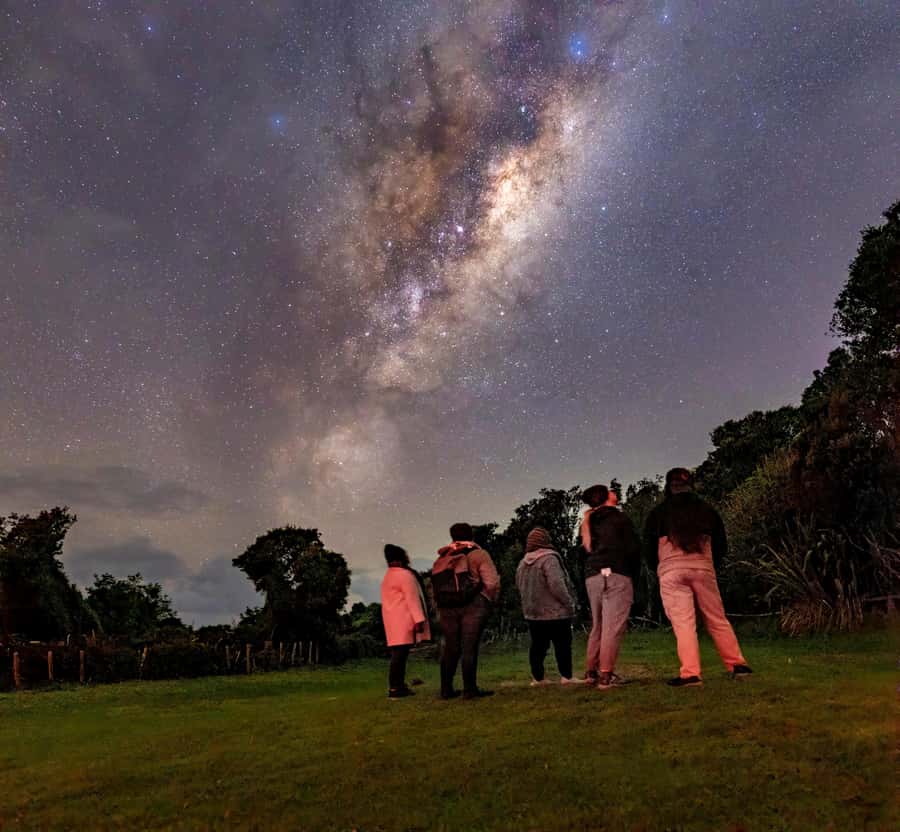
- North Island brown kiwi in the wild: you’re walking, listening, and reading the habitat, not waiting at a fence
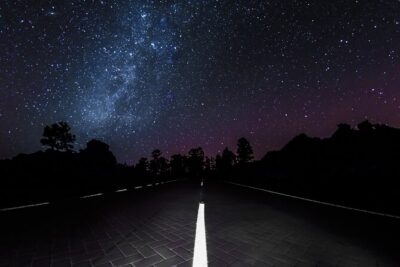
- Dark-sky stargazing near Auckland: Tawharanui’s low light pollution means constellations and planets are easier to spot
- A real guide-led approach: the tour uses tracking techniques and teaches what you’re seeing
- Possible shoreline bioluminescence: when conditions line up, the ocean can glow electric-blue
- Group vibe stays small and calm: it’s built for patience, not rushing
Tāwharanui Regional Park after dark: a rare Auckland-area night out
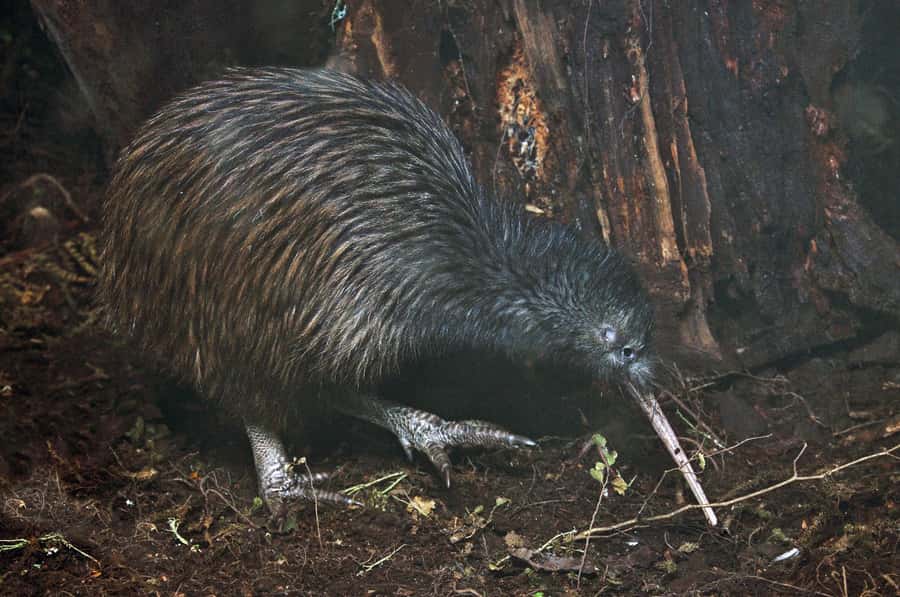
If you’re basing yourself in Auckland, it’s tempting to stick to daytime sights. This tour gives you a different angle on New Zealand’s nature: it starts when most people stop looking.
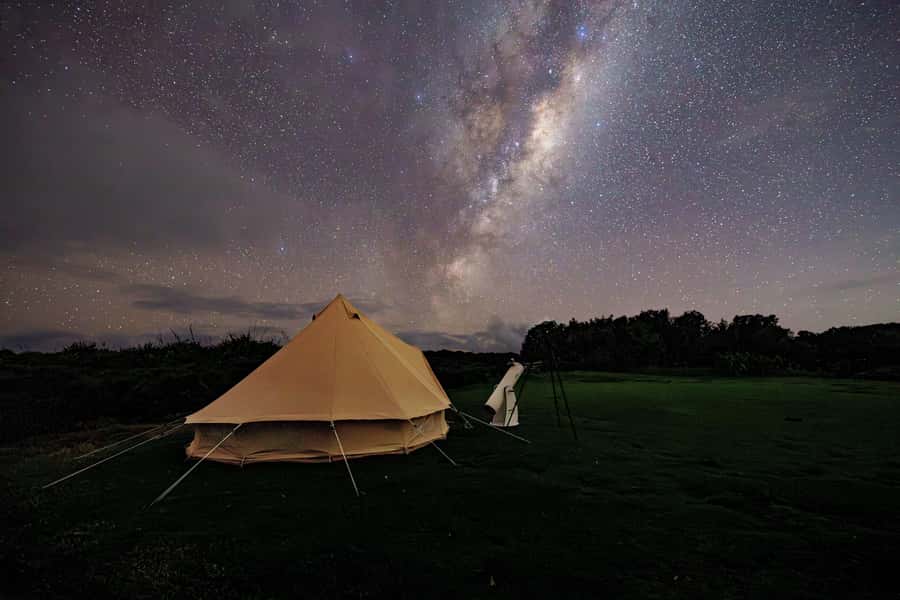
Tāwharanui Regional Park is one of Auckland’s major conservation areas, with indigenous forest restoration and habitat protection built into the whole plan. On top of that, it’s a rare kind of coastal dark-sky environment. Translation: once you step away from city glow, the night sky can look dramatic, with dense star fields and visible planets depending on conditions.
The meeting point is right at the practical end of Takatu Road—near the public bathrooms inside Tawharanui. That matters because you’re not fighting complicated transfers. You get straight into the rhythm: a quick gather, a safety and plan briefing, then you’re moving into the night.
You can also read our reviews of more tours and experiences in Auckland.
Kiwi spotting isn’t a sprint: how the guide helps you read the bush
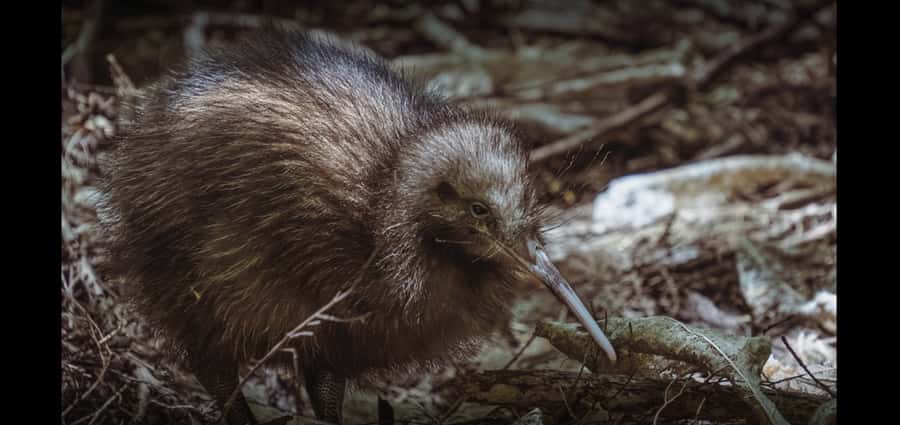
The North Island brown kiwi is elusive by nature. They’re nocturnal, they move in and out of cover, and they don’t run on your schedule. This is why the guide-led approach matters so much.
Instead of turning it into a loud, flash-photo free-for-all, the tour is built on quiet, deliberate walking. Your guide uses tracking skills to help you notice small cues:
- listening for calls
- watching for movement
- spotting subtle signs of kiwi activity
- learning how kiwi behaviour connects to habitat needs
What I like about this is that it turns the whole experience into something you can participate in, even if the birds are shy. You’re not helpless in the dark. You’re learning a process.
And the evidence is in the pattern of outcomes. Some nights, people see a few kiwis clearly. Other nights start slow, then something clicks and visibility improves. In the feedback I read, the most common theme is patience—and the fact that guides adjust based on what the ecosystem is doing that night. One person noted the search felt slow at the start, but the group eventually saw multiple kiwis as the walk progressed.
A small caution: kiwi spotting is not the same as a zoo. You might catch a glimpse, you might miss the moment, and sometimes the best view comes when you’re calm and still. If you’re the type who gets antsy waiting, plan on slowing your pace.
The night sky part: stars, planets, and Southern constellations
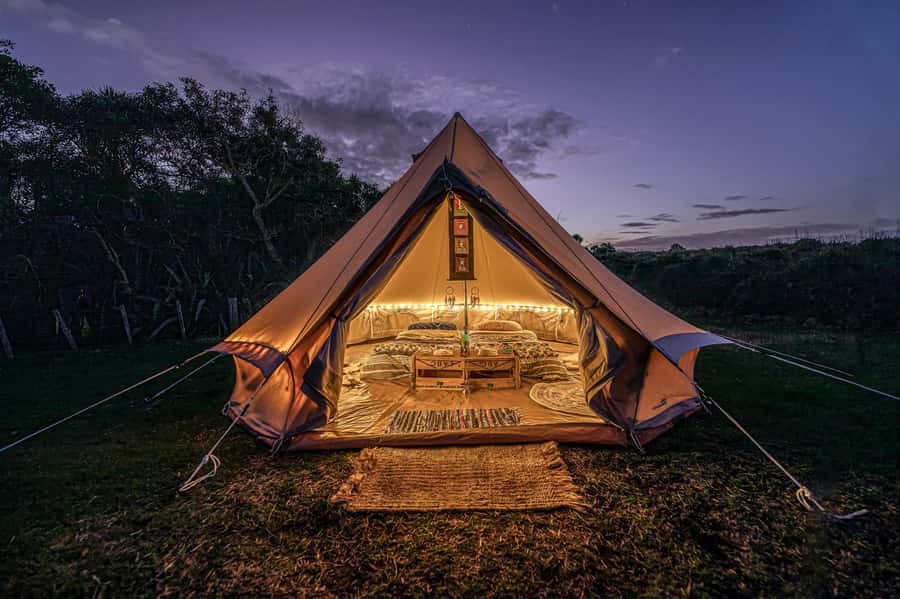
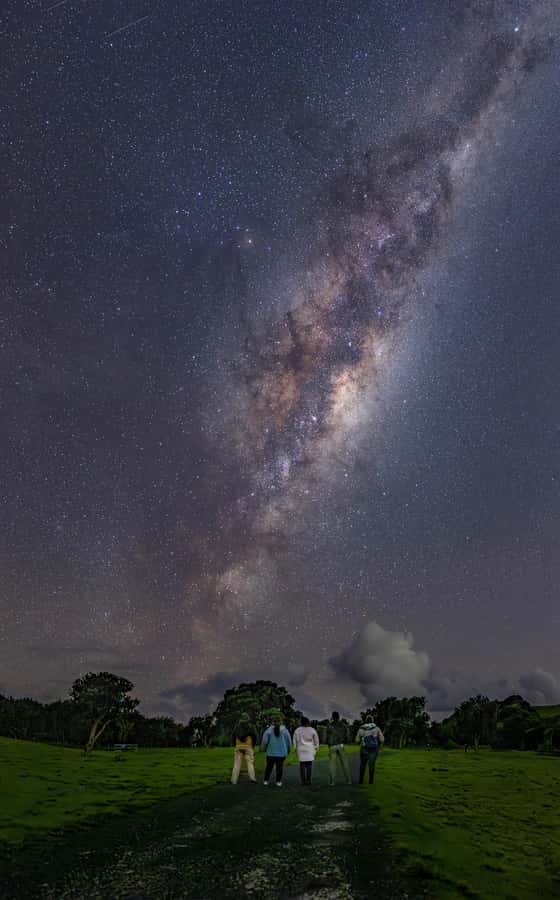
The stargazing isn’t an afterthought tacked on at the end. It’s a core feature of the evening, and it benefits from Tawharanui’s low light pollution.
As full darkness arrives, the tour shifts focus to what you can see overhead:
- dense star fields
- planets (when visible)
- seasonal constellations across the Southern Hemisphere
Your guide helps interpret the sky in an engaging way, tying together science, navigation, and what’s special about Southern Hemisphere viewing. In the feedback I reviewed, people were also excited about telescope moments—one report mentioned using the telescope to see craters of the moon. Another mentioned seeing Venus, Jupiter, and Saturn during stargazing, even when the sky wasn’t completely moon-free.
If you’re thinking you need to be an astronomy person to enjoy it, don’t worry. The point here is to make the sky readable. You’re given cues for where to look and what the patterns mean.
Electric-blue bioluminescence: when the ocean puts on a glow show
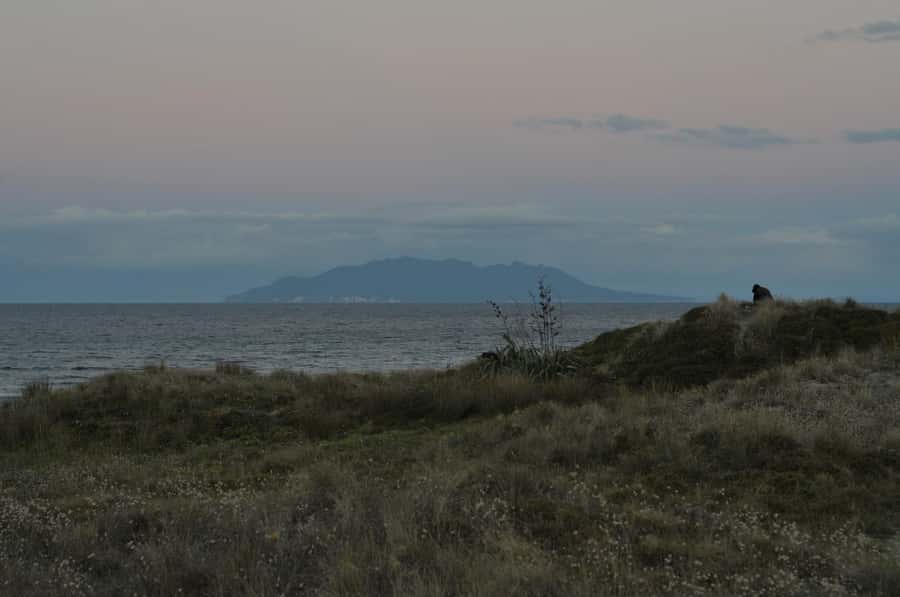
One of the more memorable “maybe” elements is bioluminescence. The tour notes that under certain conditions, you may encounter gentle glowing light along the shoreline or in the shallows.
When it happens, movement in sand or water can trigger a soft electric-blue glow. It’s not guaranteed—this is nature, not a light show with a switch. But the fact that your guide will explain the science is important. You’re not just watching; you’re learning what’s behind it (microscopic organisms and the mechanics of glowing oceans).
Practical takeaway: if you’re lucky enough to be there on a night with the right conditions, be patient and keep movement gentle. That’s when you’re most likely to notice the glow without disturbing the shoreline.
The 2-hour experience: what each part feels like
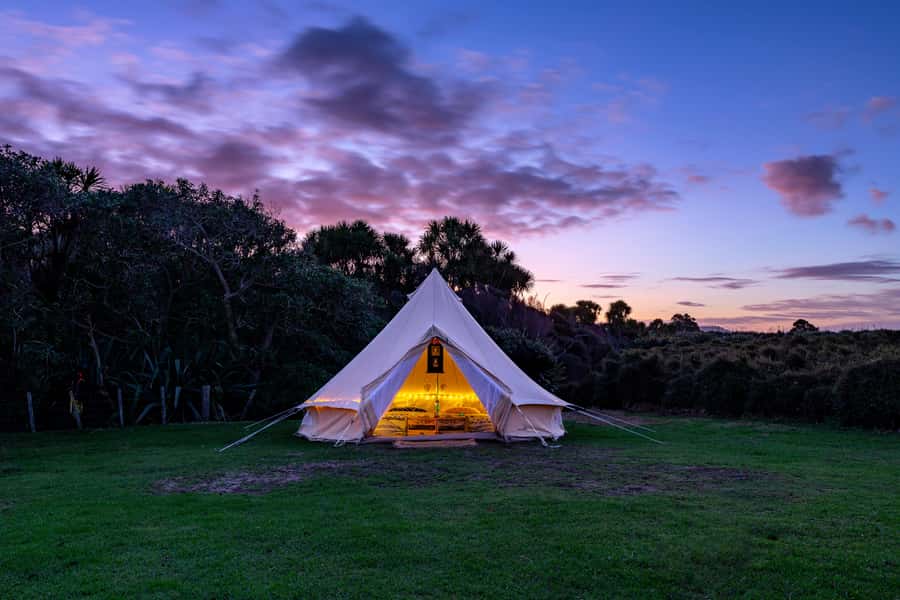
This is a night walk designed around a short overall time window, with the park walk being the main chunk. Even so, you’ll feel the evening unfold in stages.
1) Meeting and the pre-walk briefing
You start near the public bathrooms at the end of Takatu Road. You’ll gather with your guide and fellow guests for a relaxed intro that covers:
- safety considerations
- how the night walk will work
- context on the park’s ecosystems and conservation efforts
- what species you might encounter
This briefing matters because it sets the mood. You’ll know what to do, why you’re doing it quietly, and what to listen and look for.
2) Dusk to night: the guided kiwi-spotting walk
Once it’s properly darkening, you move slowly through native bush and open habitats. The guide uses tracking techniques and helps you interpret what’s happening around you.
The tour structure means you’re not racing between far-apart locations. Instead, you’re working a smaller area with attention—often the best way to increase the odds of a kiwi moment.
And yes, some nights include extra tools. One report mentioned headlamps and torches provided by the guide, plus a thermal apparatus used to help find kiwis. That’s a helpful reminder: the gear supports your spotting, but your guide still does the real work—reading the signs and timing the search.
3) Sky time: the dark-sky stargazing portion
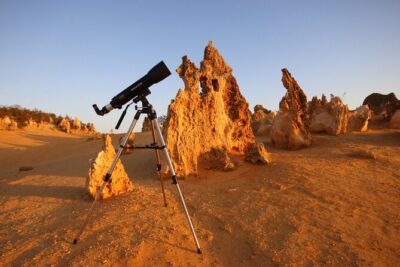
As full darkness arrives, you shift to the sky. This is when Tawharanui’s low light pollution really pays off. You’ll use the stargazing equipment provided and get help identifying what you’re seeing—constellations and, when conditions allow, planets.
4) The return
As the evening wraps up, you head back calmly to the car park area near the starting point and say farewell to your guide and group.
Optional: the glamping night
If you choose the glamping option, the tour includes a stay. The setup described in the feedback includes a tent put up for you ahead of time, with blankets and foam mattresses, plus small snacks. It’s a way to turn a two-hour night hike into a longer memory without worrying about planning gear yourself.
Price and value: what $89 is really buying you
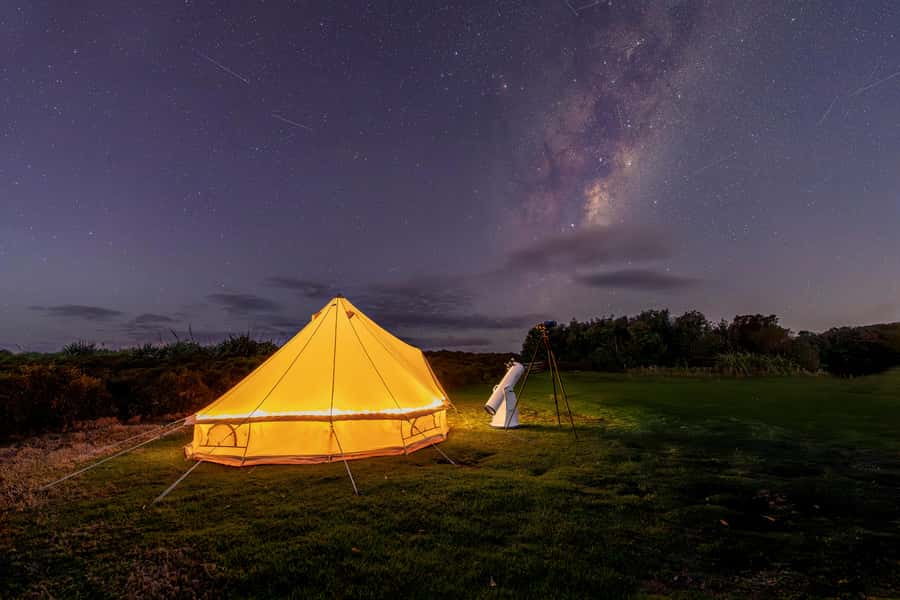
At $89 per person for a 2-hour guided encounter, the big question is whether it’s worth it when kiwi sightings are never guaranteed.
Here’s how I think about the value:
- You’re paying for expertise and effort, not just the chance of wildlife. The guide’s tracking approach turns darkness into something you can understand.
- You get two experiences in one window: kiwi spotting plus dark-sky stargazing. Many wildlife outings are one or the other; this pairs both.
- Small-group dynamics matter when you’re moving slowly. If the group is too large, it becomes chaos fast. With a small group or private option available, you’re more likely to get space for listening and looking.
The main value limiter is also the key reality: kiwi time is kiwi time. Some nights you’ll see more, some nights less. Your best bet for getting strong value is going in with the right mindset: you’re buying an experience of being in the ecosystem at night, guided and structured, not a promise of perfect sightings.
Who should book this kiwi-night (and who might not love it)
This is a great fit if:
- you want a wildlife experience that’s quiet and respectful
- you like learning while you’re outside (parks, ecology, conservation)
- you’re curious about stars and want help seeing planets and constellations
- you can handle waiting and scanning in the dark
It’s also a solid family option in many cases. One account mentioned a child (age 9) loving seeing kiwi in the wilderness, which suggests the experience can work well when the group stays calm and engaged.
You might think twice if:
- you hate cold outdoor nights (you will be walking at night)
- you need constant action and quick rewards
- you’re not into stargazing at all, since it is part of the core program
Practical tips: how to prepare for a cold, dark, slow night
This tour gives you the important equipment for the activities, but you still control your comfort. Here’s what I’d do before you go:
- Wear comfortable shoes with real grip. You’re walking in a natural area after dark.
- Bring warm layers. The park is coastal and night air gets cool fast.
- Pack water. Two hours plus chilly air can still dehydrate you.
- Leave your big flashlight obsession at home. If the guide provides torches/headlamps, trust that setup.
- Keep your expectations flexible. Kiwi spotting is patience work, not instant gratification.
Also, if you’re choosing the overnight glamping option, treat it as a soft upgrade, not a full camping gear plan. The tent setup sounds handled, but you’ll still want to dress for night-time temperature.
Should you book this Auckland-area kiwi and star tour?
If you’re in Auckland and you want one night that feels distinctly New Zealand—wildlife plus dark skies—this is a strong choice. I like that the tour is built around a guided process, so even if the kiwi moment is brief, you’re learning how to find it.
Book it if you:
- want to see a rare North Island brown kiwi encounter in a protected sanctuary setting
- care about stargazing and want dark-sky views near the city
- can handle waiting quietly and dressing for cold
Skip it if you:
- need guaranteed wildlife sightings
- hate slow, low-light activities
- don’t want to be outdoors after dark
If you’re on the fence, my advice is simple: treat it like a night class in how nocturnal life works, with a good chance of that kiwi payoff—and a sky show in return.
FAQ
How long is the Wild Kiwi Bird Spotting Encounter?
The experience runs for about 2 hours, with a guided walk in Tāwharanui Regional Park and time for stargazing.
How much does it cost?
It’s listed at $89 per person.
Where do I meet the guide?
You meet near the public bathrooms at the end of Takatu Rd in Tāwharanui Regional Park.
Is a guide included?
Yes. The tour includes a live English-speaking guide.
Will the tour include stargazing?
Yes. Stargazing equipment is included, and the low-light environment at Tāwharanui is part of the experience.
Can I see bioluminescence?
You may, if conditions are right. It’s described as never guaranteed, but it can happen along the shoreline or in the shallows.
What should I bring?
Bring comfortable shoes, warm clothing, and water.
Is transport from Auckland included?
Transport is not included by default, but it can be added at checkout.
Is glamping available?
Yes. A glamping stay is included if you select that option.
Can I cancel?
You can cancel up to 24 hours in advance for a full refund.
What’s included besides the guide?
You get kiwi-spotting and stargazing equipment included.