REVIEW · MENORCA
Cavalleria: Guided Stargazing at the Beach with Telescope
Book on GetYourGuide →Operated by espacio_supernova · Bookable on GetYourGuide
Menorca turns into a sky show after dark. From Cala Viola de Ponent, you’ll sit in a Starlight Reserve setting that’s far from city glare, learn what you’re seeing, and then peer through professional telescopes. I especially loved the way the guide turns constellations into stories, and how you get to look at real deep-space targets rather than just spotting patterns. The one drawback to plan around is this is a guided group experience: if you want nonstop personal telescope time, you may feel there’s a bit less direct peering than you hoped.
You start by getting oriented, then move through a guided “star journey” that mixes sky facts with myths, plus hands-on viewing on telescopes. You’ll also lay back on provided mattresses, which makes the whole thing feel relaxed and focused on the sky instead of the logistics. Do note the tour depends on good weather, so if conditions are poor, your session may be rescheduled.
In This Review
- Key things I’d count on before you go
- Why Cala Viola de Ponent makes stargazing click
- What the 2-hour guided “space journey” feels like in real life
- Constellations and myths: Hercules, Andromeda, Cassiopeia, Draco
- Telescope time: what you’ll actually try to see
- Moonlight nights: craters and how they formed
- The Milky Way feeling: why the guide’s framing matters
- Price and value: $35 for telescopes, mattresses, and a real guide
- Practical tips so you don’t lose time at Cala Viola
- Who this stargazing tour is best for
- Should you book Cavalleria at Menorca’s Starlight Reserve?
- FAQ
- Where is the meeting point for Cavalleria stargazing?
- How long is the guided stargazing experience?
- How much does it cost?
- What’s included in the price?
- Is hotel pickup and drop-off included?
- What language is the live guide?
- Do I need to bring my phone for the audioguide option?
- What affects whether the tour runs?
- Who might not be able to join?
Key things I’d count on before you go
- Cala Viola de Ponent Starlight Reserve means darker skies and easier viewing than town lights
- Certified Spanish guide (Gonzo is mentioned in the feedback) explains what you’re seeing in a fun way
- Two professional telescopes plus guided sky-watching for constellations and objects
- Constellation myths from stories tied to Hercules, Andromeda, Cassiopeia, and Draco
- Deep-space targets like open clusters, globular clusters, binary stars, and more
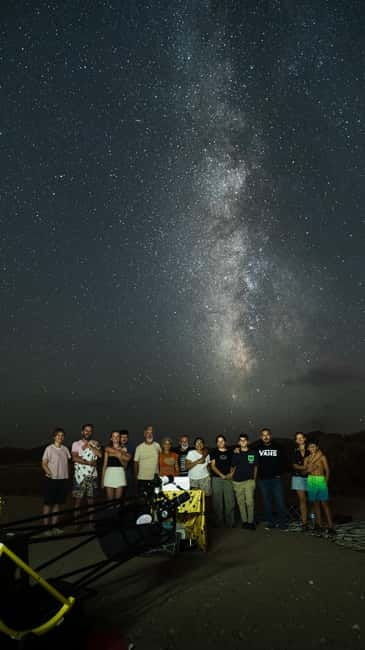
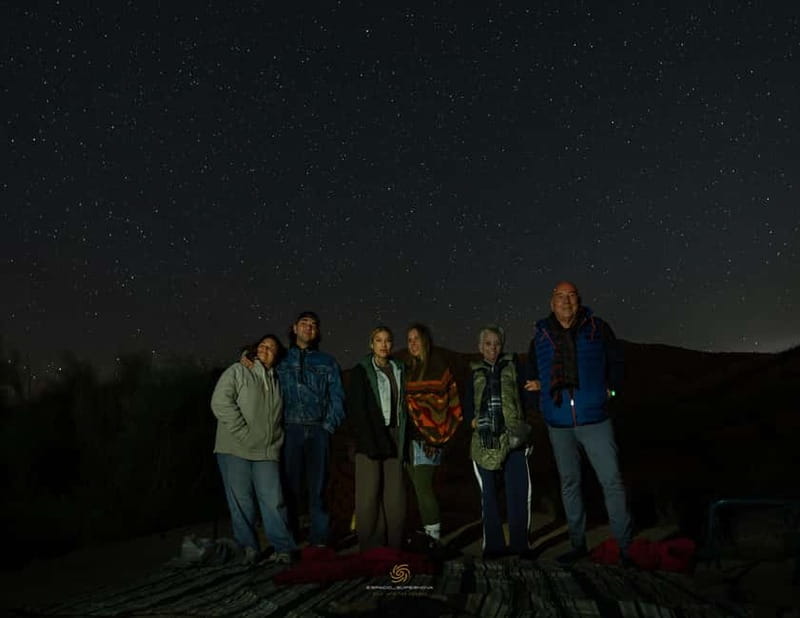
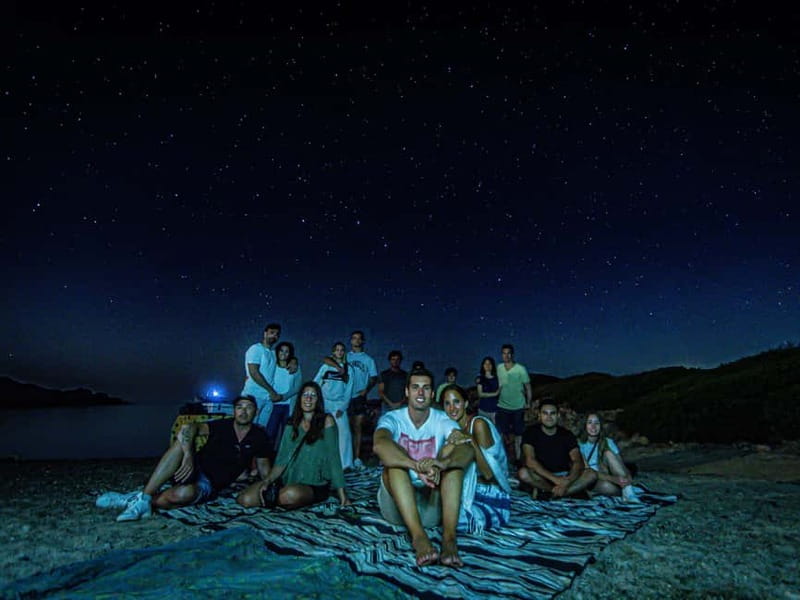
- Group photo taken with the stars in the background
Why Cala Viola de Ponent makes stargazing click
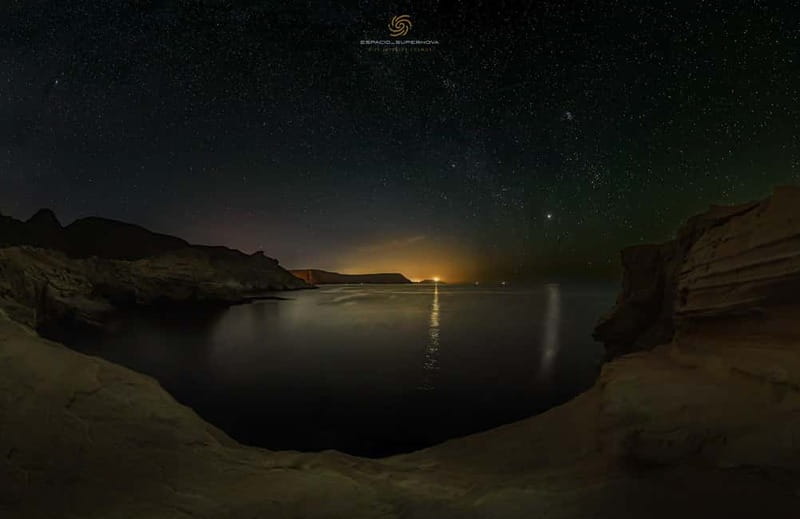
If you’ve ever looked up from a busy street and wondered why the stars didn’t feel as dramatic as the photos, the answer is usually light pollution. This experience is set at Cala Viola de Ponent Beach, in a Starlight Reserve area meant for clearer night-sky viewing. You’re not fighting glow from buildings or traffic, so the sky actually has contrast.
The location also helps your brain lock in. You’re out on the coast with a wide dark horizon, so your eyes can adjust naturally. That matters because stargazing isn’t just about equipment. It’s about learning where to look and trusting your eyes after they adapt to darkness.
You can also read our reviews of more tours and experiences in Menorca.
What the 2-hour guided “space journey” feels like in real life
This is a tight, two-hour session, so you’re not going to spend half the night waiting around. You meet at the parking lot at Cala Viola de Ponent Beach and then the group gets set up for viewing. The guide is there to keep things moving: orient you, name what’s visible, and guide you toward the highlights.
Expect a flow like this:
- You’ll start with getting your bearings in the sky, then identify main constellations visible that night.
- You’ll hear the myths tied to what you’re seeing, so the constellations feel like characters, not just homework.
- You’ll then shift into telescope viewing for specific space objects.
- If conditions include a moonlight night, you’ll also get to observe the moon’s surface details.
One reason this timing works: you’re learning while you look. Instead of watching a slideshow, you keep returning your attention upward, which is how “space” turns from knowledge into a memory.
Constellations and myths: Hercules, Andromeda, Cassiopeia, Draco
A lot of stargazing tours stop at naming a couple of stars. This one goes further by connecting constellations to stories. You’ll identify major constellations visible on that night and then get the mythology behind them, including characters like Hercules, Andromeda, Cassiopeia, and Draco.
Why I like this approach: myths give your brain hooks. When you can remember a story, you can remember where to find the shape in the sky. It also keeps the session from feeling too technical, especially for mixed-age groups.
The guide also helps you apply positional astronomy principles to orient yourself. In plain terms, you’re learning how to “aim” your gaze in a way that makes the night sky feel navigable. That’s useful even after the tour, because you’ll start recognizing patterns faster.
Telescope time: what you’ll actually try to see
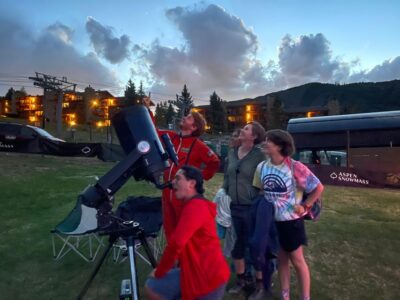
The headline here is that you get to observe through professional telescopes, and there are two telescopes available. Instead of only talking, you get to look at things astronomers would call out as targets.
The types of objects mentioned include:
- open clusters
- globular clusters
- binary stars
- nebulas and other deep-sky objects (described broadly as targets beyond the Milky Way patterns)
Here’s the practical benefit. Constellations are like road signs. Deep-space objects are like destinations. Being able to see clusters and binaries (even if they appear faint) helps you understand that the night sky isn’t just decoration. It’s structured space full of systems.
Do keep expectations realistic. Telescopes show you detail, but they don’t always look like cinematic color photos. What matters most on a guided night is clarity, orientation, and learning how to interpret what you see through the scope.
Moonlight nights: craters and how they formed
If the sky includes enough moonlight, the experience includes observing the moon’s surface. You’ll learn about the moon’s craters and how they formed as part of the viewing session.
This is a smart addition because the moon is a “sure thing” target when it’s visible. It gives you something textured and immediate, which can be especially satisfying if you’re visiting with kids or if you’re new to astronomy.
Even when the moon makes the sky slightly brighter, the guide’s approach keeps you focused on what you can still learn and see. It’s another example of this tour being about education through actual observation, not just waiting for perfect conditions.
The Milky Way feeling: why the guide’s framing matters
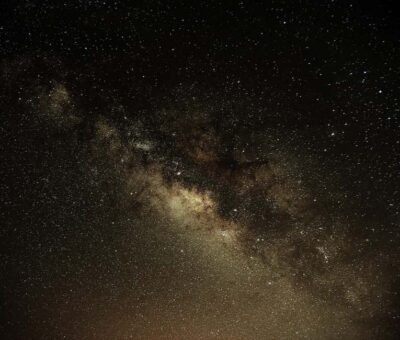
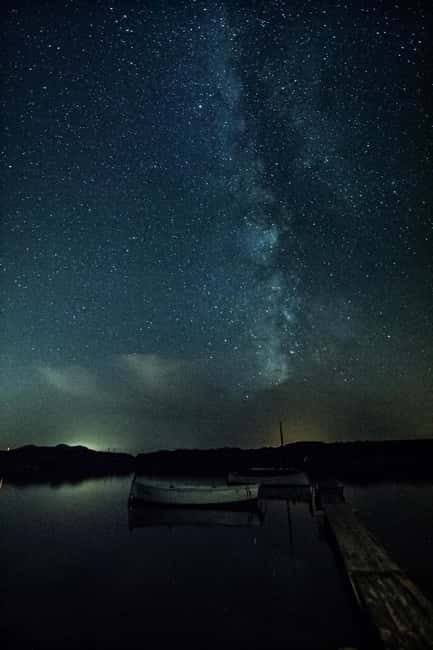
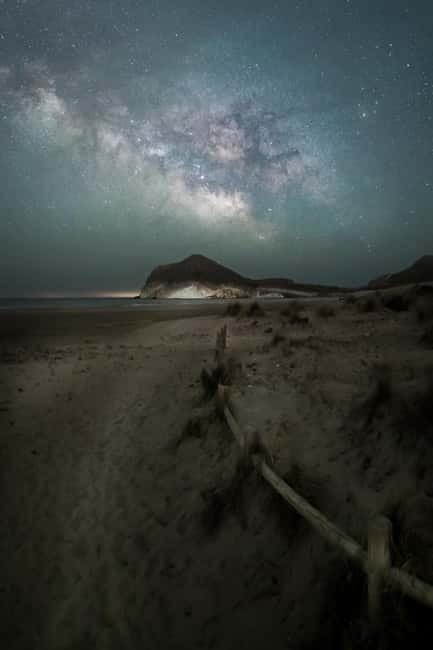
One of the most memorable parts of stargazing isn’t any single object. It’s the shift in your sense of scale. This tour invites you to visualize your place in the Milky Way and to feel like part of a larger cosmic system, not just a spectator.
That framing matters because stargazing can feel either scientific or spiritual. This experience leans into both. You’ll get myth and meaning, but you’ll also get real orientation and telescope viewing.
For me, the value is that you leave with more than a list of what you saw. You leave with a mental map. After a night like this, you tend to look up differently when you travel, because you know how to find your bearings faster.
Price and value: $35 for telescopes, mattresses, and a real guide
At $35 per person for a 2-hour stargazing session, you’re paying for more than a seat. You’re paying for:
- professional telescopes (two are available)
- a certified guide who explains what you’re seeing
- comfortable setup so you can actually watch for extended minutes (mattresses to lay down)
- a group photo with the stars in the background
That combination is where the value shows. If you try to copy this on your own, you’d likely end up handling the hardest parts yourself: getting to a good viewing site, having the right equipment, and knowing what to look for. Here, you’re outsourcing the sky-reading part to someone trained to guide.
Also, the guide being described as energetic and highly effective (Gonzo comes up by name) is part of what justifies the cost. Good astronomy nights aren’t only about telescopes. They’re about how well the guide helps you see.
Practical tips so you don’t lose time at Cala Viola
Meeting point is the parking lot at Cala Viola de Ponent Beach, so plan to arrive a little early. When you’re dealing with stargazing, the first few minutes are valuable. You’ll want your body comfortable before the group starts looking up.
Bring what you’ll need to stay warm. Even in a beach setting, nights can cool down fast, and you’ll be lying back on mattresses. Wearing layers helps a lot, and socks don’t hurt if you run cold.
If you choose an optional audioguide in English or French, you need your own phone. The key detail is that each participant must use their own phone to play the files. Make sure your battery is charged, and if you use headphones, bring them. This is the kind of small practical point that prevents an awkward, quiet evening.
Also, know this activity depends on good weather conditions. If it’s cloudy or conditions are poor, the provider may contact you to reschedule or refund. Before you lock in other plans that night, keep a bit of flexibility.
Who this stargazing tour is best for
This works great for people who want more meaning than simply “looking at stars.” If you like learning, myths, and guided structure, you’ll probably enjoy how the tour blends constellations with stories and then adds telescope views of deep-space objects.
It’s also friendly for families. The feedback specifically praises the experience for both adults and children, and the mix of myths plus telescope viewing is a strong formula for keeping attention.
On the other hand, it’s not suitable for wheelchair users, and it’s not suitable for people over 95 years. If you fall into either category, I’d skip it and look for a different kind of astronomy experience.
Should you book Cavalleria at Menorca’s Starlight Reserve?
I’d book it if you want a well-run night where you learn what you’re seeing and still get real telescope time. The combination of a Starlight Reserve location, a guided approach to constellations and myths, and viewing through professional equipment is exactly what makes this kind of tour worth paying for.
I’d think twice if your main goal is maximum independent telescope time. This is guided and structured, and the experience is designed to move through targets efficiently for the whole group.
If you’re traveling to Menorca and you care about seeing a darker sky, this is one of the more direct ways to get there. Show up early, dress for the cold, and keep your phone charged if you’re using the audioguide.
FAQ
Where is the meeting point for Cavalleria stargazing?
You meet at the parking lot at Cala Viola de Ponent Beach.
How long is the guided stargazing experience?
The experience lasts 2 hours.
How much does it cost?
It costs $35 per person.
What’s included in the price?
You get professional telescopes, mattresses to lay down and enjoy the sky, and a group photo.
Is hotel pickup and drop-off included?
No. Hotel pickup and drop-off are not included.
What language is the live guide?
The live tour guide is Spanish.
Do I need to bring my phone for the audioguide option?
Yes. If you book the audioguide (ENG/FR), the audio plays on each participant’s own phone, so you need to bring your phone and make sure it’s charged. Headsets are optional but can help.
What affects whether the tour runs?
The tour depends on good weather conditions, and if it’s cancelled the provider will contact you to reschedule or refund.
Who might not be able to join?
It’s not suitable for wheelchair users, and it’s not suitable for people over 95 years.