REVIEW · LA PALMA
Stargazing Private Tour at Roque De Los Muchachos in La Palma
Book on Viator →Operated by Los Cosmos · Bookable on Viator
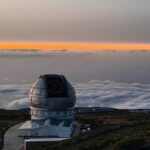
The first thing you notice is how close the universe feels. This private stargazing tour takes place high on Roque de los Muchachos (over 2,400 meters), where you can see a sharper, darker sky than most places on Earth, and guide Angelo turns what you’re looking at into clear, down-to-earth astronomy. I also like that your experience is paced around what’s actually visible, so the tour feels practical rather than just a list of constellations.
The one real drawback? Roque is cold, fast. Even if the coast feels mild, you’ll want warm layers and real cold-weather gear, because the mountaintop can bite—and the drive up is no joke either.
In This Review
- Quick highlights
- Why Roque de los Muchachos is a stargazer’s dream
- The 7:00 pm start and how to plan around the mountain
- Private stargazing with Angelo: what the guide actually adds
- What you can expect to see: Milky Way, constellations, and telescope views
- Cold mountain reality: what to wear at over 2,400 meters
- Weather changes everything, and the tour adjusts
- Price and value: is $65.78 worth a private stargazing tour?
- Who this stargazing experience is best for
- A quick reality check: what to expect on a moon-bright night
- Should you book this Roque de los Muchachos private stargazing tour?
- FAQ
- How long is the stargazing tour at Roque de los Muchachos?
- What time does the tour start?
- Where is the meeting point?
- Is this tour private?
- Is it offered in English?
- What is the cancellation policy and what if the weather is bad?
Quick highlights
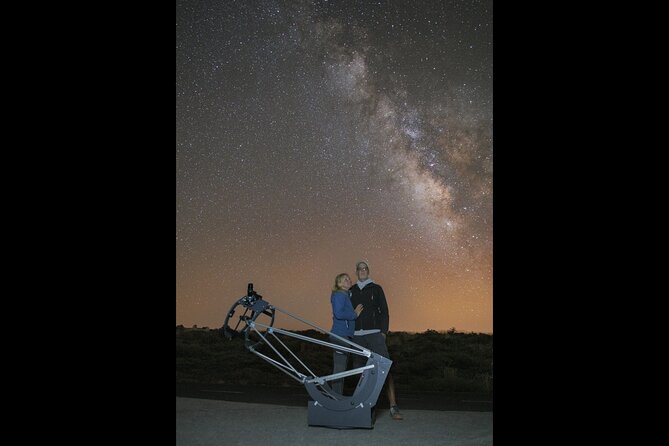
- Roque de los Muchachos elevation: over 2,400 m, with some of the darkest skies in the Northern Hemisphere.
- Private time at the telescope: only your group, which usually means more focused viewing time.
- Angelo’s explanations match the sky: he explains planets, stars, equipment, and what you can actually see.
- Moonlight isn’t a total deal-breaker: even with a bright moon, you still get interesting targets through the telescope.
- Bring real cold-weather protection: cold mountain air is part of the deal, not an exception.
Why Roque de los Muchachos is a stargazer’s dream
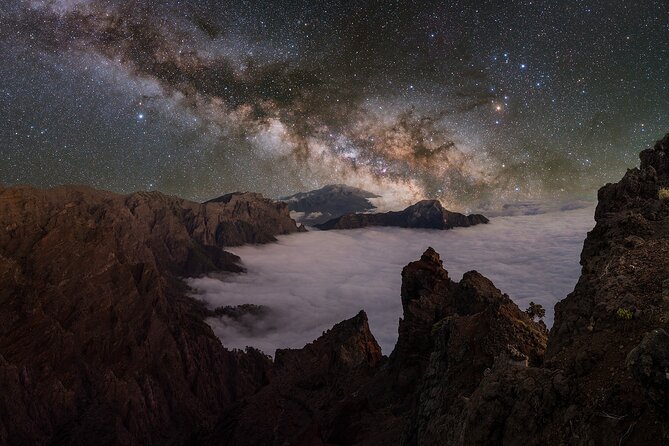
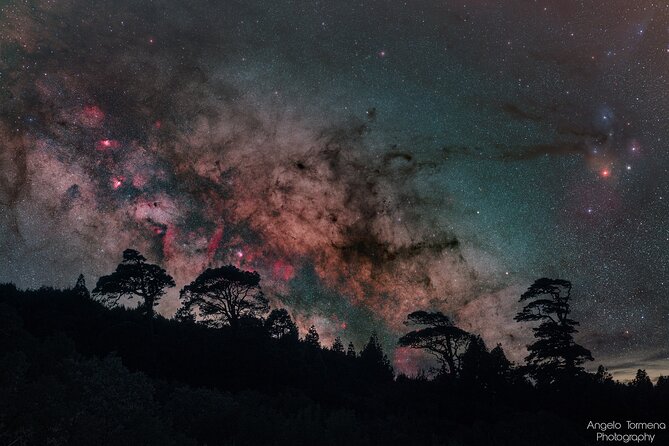
Roque de los Muchachos is one of those places where the setting does half the work. You’re up in the Canaries on La Palma, above the clouds and high enough that the air usually behaves better for astronomy. The result is the kind of sky where the Milky Way can stretch across the darkness, and stars that look like simple pinpricks from the city turn into meaningful patterns.
What makes this spot special is the combination of altitude and darkness. Less light pollution means more of the faint stuff comes through with the naked eye, and that changes how the night feels. Instead of searching for a few bright constellations, you start noticing structure—bands of the Milky Way, star clusters, and the outlines of constellations that actually make sense in context.
And since the observatories are nearby, the whole experience has a science-to-the-soul vibe. You’re not just doing a fun night out; you’re stepping into a world where people study the sky for real.
You can also read our reviews of more tours and experiences in La Palma.
The 7:00 pm start and how to plan around the mountain
This tour starts at 7:00 pm at Hoya Grande, with the meeting point listed as Q38X+9X Hoya Grande. It’s designed as an “up, then look” experience, and it runs about 1 hour 30 minutes total, ending back at the same meeting point.
Because you’re heading high into the mountains, timing matters more than you might expect. You don’t want to arrive rushed, because the whole point is to settle in and start viewing as conditions improve for your eyes. I’d give yourself a little buffer so you’re ready to go at 7:00 pm, especially since the drive up is described as demanding.
Also, think about your expectations around timing. At night, clouds, fog, and moon brightness can shift what you’ll see. The good news: the tour is built around guided viewing, so you’re not stuck staring at the same patch of sky while you wait for conditions to cooperate.
Private stargazing with Angelo: what the guide actually adds
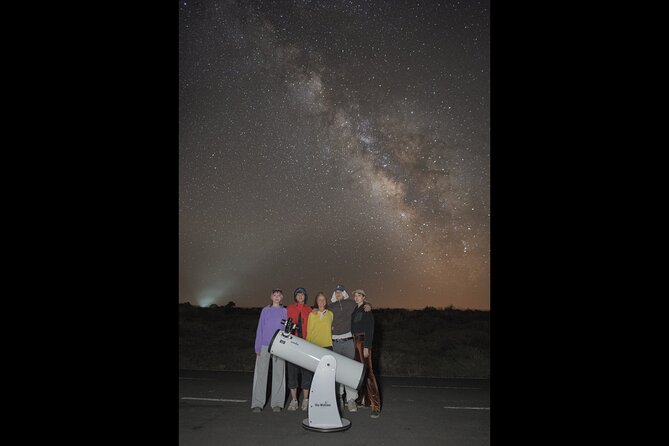
A stargazing tour can fall into two traps: either it’s too technical and confusing, or it’s so general you learn nothing. This one hits a better middle ground with Angelo, who explains what you’re seeing in a way that feels easy to follow.
One thing I love is how the explanations stay connected to the moment. Instead of asking you to memorize astronomy facts, he helps you map the sky as you look—so you learn what you’re seeing and why it matters. That includes telescope basics too, like how the equipment changes what you can detect.
The other big value of going private is pacing. You’re not competing with a larger group for attention, and you’re more likely to get questions answered in the way you need. In practice, that means you can spend more time on the sights you care about—whether that’s planets, star patterns, or the idea of what you’re seeing beyond our atmosphere.
And yes, this guide approach matters even on less-than-perfect nights. Reviews highlight that when the moon is up and bright, Angelo still finds ways to show interesting targets. That’s a sign you’re with someone who knows how to adapt, not someone reading from a script.
What you can expect to see: Milky Way, constellations, and telescope views
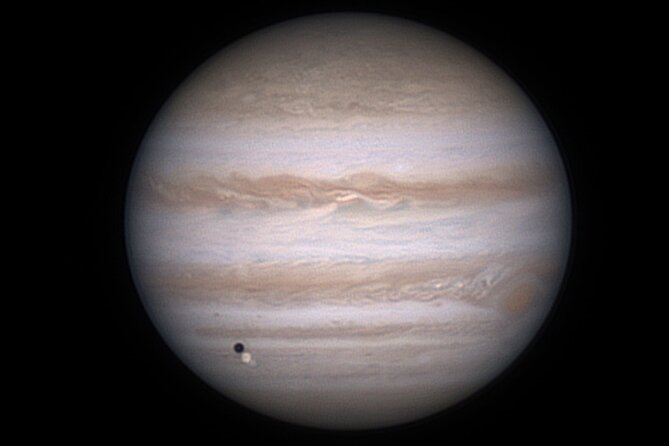
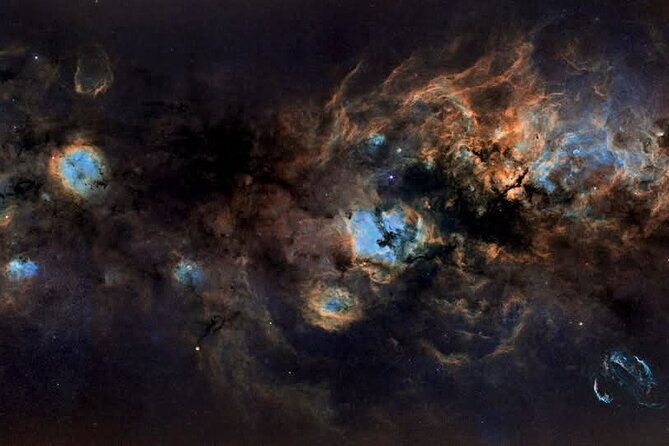
When conditions cooperate, Roque de los Muchachos can deliver real wow power with the naked eye. You’ll look for the Milky Way across the sky, plus constellations and star fields that are hard to grasp from light-polluted places. At this height, the sky tends to feel “deeper,” like you’re seeing more of it at once.
Then you layer in the telescope viewing. You can expect guided looks through powerful telescopes, where objects become more than just bright dots. That’s where you start understanding why astronomy feels like a mix of art and measurement. A telescope can turn a concept—like a planet—into something with visible features, while also helping you notice how stars differ from one another.
Now for the honest part: moonlight changes the experience. If there’s a bright moon (reviews mention almost full moon conditions), the Milky Way may be harder to see with your eyes. But that doesn’t mean the night is wasted. You can still see plenty through the telescope, and the guide can shift focus to what works best in that brightness—so you keep getting meaning from the sky rather than just trying to force the Milky Way into view.
It’s also worth knowing that the tour is set up to match the season and what’s visible. You shouldn’t expect the same sky targets at every time of year. The value is that your guide points you toward what you can actually hunt for right then.
Cold mountain reality: what to wear at over 2,400 meters
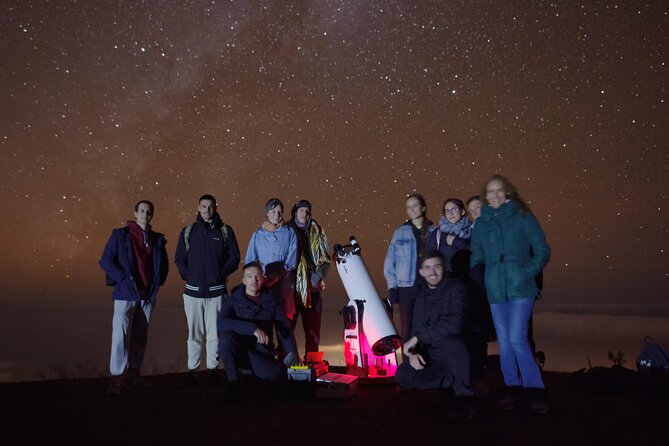
This tour is short, but it’s not gentle. You’re high on the mountain, so you need clothing that stays warm even if you feel fine for the first few minutes.
From the experience reports, people consistently mention cold and the need for proper gear. Bring layers that you can add or remove, plus a hat and gloves. Warm socks help more than you’d think. If you’re the type who wears a light jacket “because it’s not that cold,” Roque will politely correct you.
Also, plan to keep moving in a calm way. You want to stay comfortable enough to stand and look for long moments. If you’re fidgeting because you’re chilled, you’ll miss details the guide points out.
Bottom line: treat it like a cold-weather activity, even if your daytime plans were warm.
Weather changes everything, and the tour adjusts
Stargazing lives and dies by weather. This tour requires good weather, and if it’s canceled due to poor conditions, you’ll be offered a different date or a full refund.
That’s the big practical difference between a casual sky walk and a real guided stargazing tour. The operation is clearly built around the idea that the view depends on clouds and clarity. When skies don’t cooperate, the team works with you on timing rather than pretending the forecast doesn’t matter.
On nights with challenging conditions, Angelo’s approach also shows flexibility. One review notes rescheduling and even relocating when weather was bad in January. That’s a good sign for you: it suggests the goal is to maximize your chance of seeing something worth your time, not just to follow a rigid plan no matter what.
So if you’re booking for a specific trip day, give yourself a little mental flexibility. You’ll enjoy it more if you treat the night as “conditions permitting,” not as a guaranteed Milky Way photo shoot.
Price and value: is $65.78 worth a private stargazing tour?
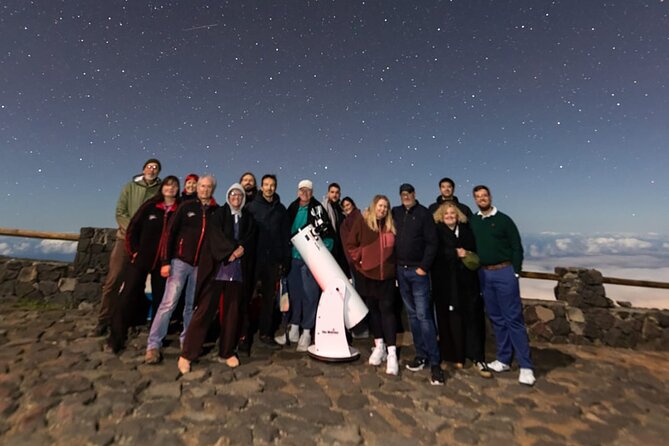
At $65.78 per person, this is priced like a genuine guided experience, not a free viewing event with a lecture tacked on. The key question is what you get for that amount: guidance, private pacing, and telescope viewing time.
Private format matters here. When you share equipment with a larger group, you often spend part of the night waiting your turn. Going private usually helps you settle in, ask questions, and stay with the same object longer. For astronomy, time-on-target is real value—because the guide can explain what you’re seeing while you’re still looking, not after you’ve moved on.
You should also know the tour can be a bit more in demand than you might expect. It’s typically booked around 20 days in advance on average, so if La Palma is your one big stop and you want this exact evening, don’t wait until the last minute.
And finally, this is a small duration: about 1 hour 30 minutes. That makes the price easier to justify if you want a high-impact activity without losing an entire evening. The goal is to give you a guided night sky experience that feels focused.
If you’re traveling as a couple or a small group, the private setup can feel especially satisfying. You’re paying to keep the experience tuned to you.
Who this stargazing experience is best for
This tour works for beginners and for people who already like astronomy. If you’re new, the guide’s style—clear explanations and pointing out what you’re actually seeing—turns the sky from confusing into readable. If you already know your constellations, you’ll still get value from the telescope viewing and equipment discussion, plus the seasonal adaptation.
It’s also a strong choice for couples who want a calmer, more personal night activity. The “only your group” format is made for that quiet wonder. And since service animals are allowed and most travelers can participate, it’s set up to be accessible for a wider range of visitors than many niche tours.
If you’re the type who hates weather-dependent plans, keep your expectations grounded. This is not a guaranteed show in all conditions. But if you’re willing to plan with flexibility and dress for the cold, the payoff can be big.
A quick reality check: what to expect on a moon-bright night
Don’t panic if the moon affects the view. Reviews include nights where the moon was very strong, and still there was plenty to see. The Milky Way might fade from naked-eye view, but telescopes can still reveal interesting targets.
A helpful mindset: treat the moon as a lighting condition, not a failure. With a bright moon, you’ll learn different kinds of things about the sky—how brightness changes visibility, what you can still pick out, and how the guide shifts the focus to keep the experience rewarding.
If you want the Milky Way with maximum impact, aim for darker nights when possible. If your calendar is fixed, don’t skip this. A good guide can still make the night worth it.
Should you book this Roque de los Muchachos private stargazing tour?
Yes, if you want a guided, telescope-based stargazing night with a private feel and clear explanations. I’d book it if you like astronomy but don’t want a confusing lecture. I’d also book it if you’re traveling in a small group and you want more attention and more time with the equipment.
I’d think twice if you hate cold weather or you’re very uncomfortable with mountain driving. The altitude and chilly conditions are part of the experience, and the drive up is described as demanding.
If you can handle those two points—cold and road conditions—this is a smart way to spend an evening on La Palma. The night sky at Roque de los Muchachos is exactly the kind of thing that makes you stop scrolling and just look up.
FAQ
How long is the stargazing tour at Roque de los Muchachos?
The tour lasts about 1 hour 30 minutes.
What time does the tour start?
The start time is 7:00 pm.
Where is the meeting point?
The meeting point is listed as Q38X+9X Hoya Grande, Spain.
Is this tour private?
Yes. It’s a private tour/activity, so only your group participates.
Is it offered in English?
Yes, the tour is offered in English.
What is the cancellation policy and what if the weather is bad?
You can cancel for a full refund if you cancel up to 24 hours in advance. The experience requires good weather, and if it’s canceled due to poor weather, you’ll be offered a different date or a full refund.