REVIEW · TENERIFE
Skip the Line: Teide Observatory Entrance Ticket
Book on Viator →Operated by Volcano Teide Experience · Bookable on Viator
Sunspots and science at 7,900 feet. A guided visit to the Teide Observatory on Tenerife turns the big headlines about astronomy into something you can actually picture: you’ll watch the Sun through dedicated equipment and get a close look at how researchers use observatories every day. I especially love the chance to see sunspots and solar flares through the solar telescopes, and I also like how the tour lets you explore inside a nocturnal telescope rather than keeping everything theoretical.
One thing to think about first: altitude. The observatory sits around 2,400 meters, oxygen is lower, and you’ll be walking on gravel paths without medical assistance on site. If you have breathing issues, heart problems, anemia, or similar concerns, this may not be the right day for you.
In This Review
- Key things to know before you go
- How the Teide Observatory tour fits into your Tenerife day
- Meeting time, language options, and where to wait
- The visitor centre workshop: astronomy explained without the jargon
- Step 1 at the Teide Observatory: telescopes, projects, and real research work
- Seeing the Sun through solar telescopes (sunspots and solar flares)
- Inside a nocturnal telescope: how dark-sky observing actually works
- Izaña area views over Teide National Park at 2,400 meters
- Price and value: why $25.31 can make sense (and when it won’t)
- Who this tour suits best (and who should reconsider)
- Weather rules and last-minute changes you should plan for
- Should you book the Teide Observatory entrance ticket?
- FAQ
- How long is the Teide Observatory guided tour?
- Do I get a mobile ticket?
- Which languages are available for the tour?
- What telescopes and views will I see?
- Is the admission ticket included?
- Is this tour suitable for children?
- What if weather or telescope operations are bad?
Key things to know before you go
- Guided, behind-the-scenes visit with an expert astronomer (not just a drive-by stop)
- Solar telescope viewing for sunspots and solar flares
- Inside a nocturnal telescope so you can understand how it works
- Astrophysics workshop at the visitor centre to make the science feel practical
- Izaña area views over Teide National Park from about 2,400 meters
- Mobile ticket and a meeting time set 30 minutes before your booked slot
How the Teide Observatory tour fits into your Tenerife day
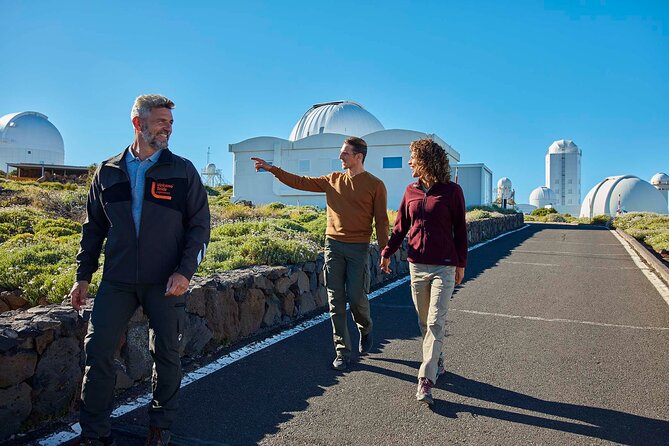
This is a short, focused experience—plan on about 2 hours total, with roughly 1.5 hours of guided time. The pace is ideal if you’re tired of long tours but still want something meaningful. You’re not looking at exhibits from behind ropes; you’re moving through the observatory complex with a guide who explains what matters and why it matters.
The tour is built around two ideas: understanding the Sun’s activity and understanding the tools that let scientists measure it. That means you’ll see both solar-focused equipment and a nocturnal telescope in the same visit, which is a nice change from the usual one-topic astronomy tour.
Also, the “skip the line” concept here mainly means you’re showing up with a ticket in hand (delivered as a mobile ticket) and joining the scheduled group. In practice, the biggest time-saver is simply arriving to a well-run departure window, not trying to wing it at the gate.
You can also read our reviews of more tours and experiences in Tenerife.
Meeting time, language options, and where to wait
You meet your guide 30 minutes before your booked start time, at the parking. That early arrival matters because you’ll have time to find the right spot, check in, and get oriented before the tour starts moving.
Language is another big practical factor. Tours are only offered in your chosen language—English, German, French, or Spanish—so double-check you selected the language you actually want. If you’re going on your own to the Izaña area for your guided visit, you still need to arrive at least 30 minutes early, not right at the start time.
A small but important tip: use the meeting-parking instructions exactly as given and give yourself extra buffer if you’re navigating near the observatory. Getting sent to the wrong place can ruin the whole day, since telescopes and safety rules control what happens next.
The visitor centre workshop: astronomy explained without the jargon
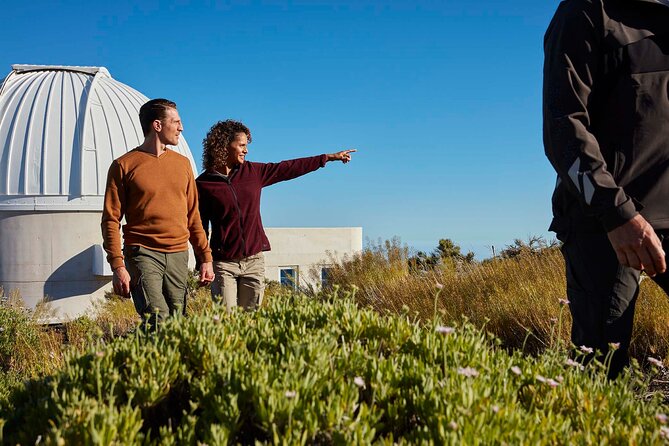
Before you go into the telescopes, you get a workshop at the visitor centre that’s designed to make astrophysics feel like a real job, not a mystery. Your guide uses the basics to explain what astrophysics is and how astrophysicists actually work.
I like this part because it sets expectations. When you later see equipment aimed at the Sun (and then learn about nocturnal observing), the explanations connect the dots instead of staying vague. You’ll also hear how the observatory is managed by the Canary Islands Institute of Astrophysics and why the sky here is so important for monitoring solar behavior.
This workshop is one reason the tour feels good for families, too. Kids often struggle with abstract science unless someone turns it into a story about tools, signals, and careful observation.
Step 1 at the Teide Observatory: telescopes, projects, and real research work
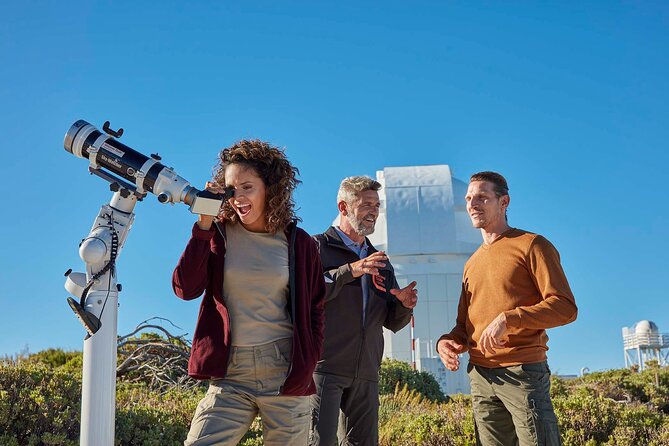
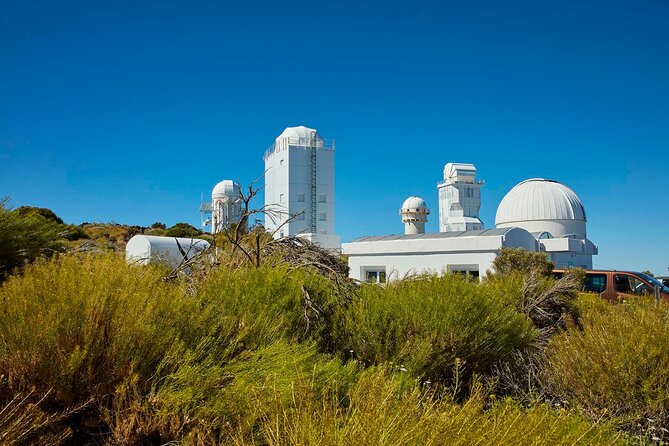
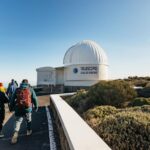
The core of your time happens at the Teide Observatory complex. This is where the guide turns the site into a learning path: you’ll be introduced to why sky observations matter in the Canary Islands, then you’ll get context on the observatory’s telescopes and the research projects connected to the institute that runs it.
From there, the tour becomes hands-on in a way that’s rare for museum-style astronomy. You participate in the astrophysics workshop, and then you shift into telescope time. This structure is smart. You learn the why first, then you get the wow with the equipment.
One more point that’s easy to miss: visits only happen when weather and telescope operating status allow it. That means the tour you booked is tied to real-world conditions, not just a schedule printed on a calendar.
Seeing the Sun through solar telescopes (sunspots and solar flares)
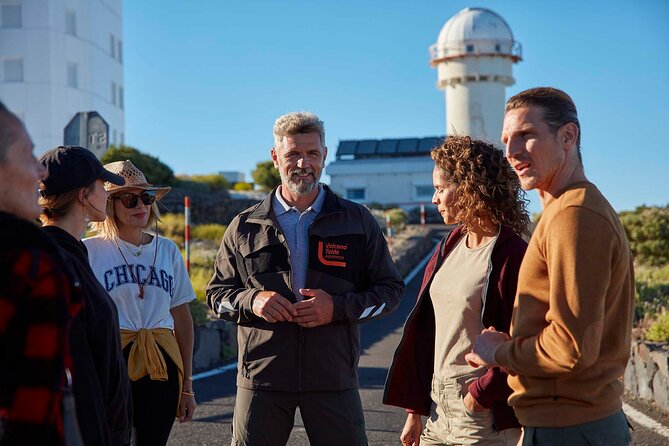
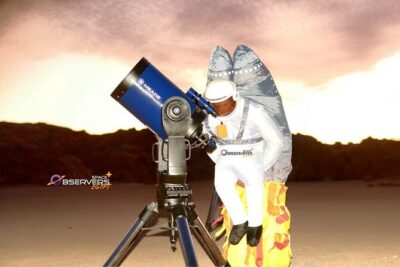
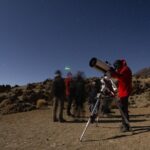
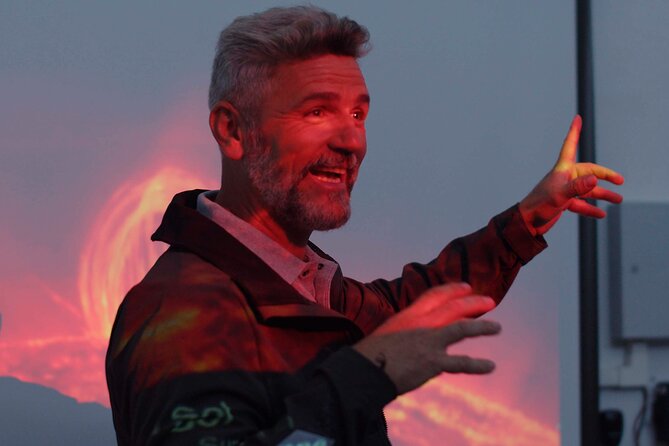
This is the part most people remember, and it’s easy to see why. You’ll observe sunspots and solar flares through the solar telescopes, using the equipment your guide puts at your disposal for a proper look.
What makes it valuable for you is the contrast. From street level, the Sun is bright and basic. At the observatory, it becomes an active system you can track. The guide’s job is to translate what you’re seeing into what it means for solar monitoring—how scientists watch solar activity that can affect the space environment around Earth.
It also helps that the viewing happens as part of a guided timeline, not as a single random moment. You’ll get explanations right before and during telescope viewing, so you’re not left guessing what those features are.
If you’re traveling with kids, this segment is often the easiest sell: it’s science you can see directly, right there.
Inside a nocturnal telescope: how dark-sky observing actually works
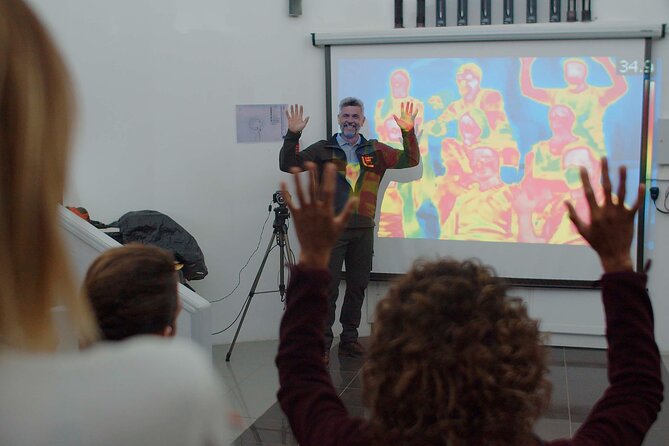
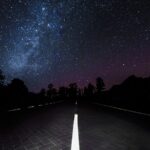
Next comes the inside look at a nocturnal telescope. Instead of treating night astronomy like a black box, the tour lets you explore the interior and understand its functioning and history.
This section matters because it changes your mental model. You start thinking about telescopes as systems—support structures, optics, and mechanics—rather than as just giant mirrors pointed at the sky. Even if you don’t get to observe at night during your daytime tour, you still leave with a much clearer understanding of how the equipment is built to work in darkness and how it fits into long-term observing.
This is also where the guide’s storytelling can shine. The tour format is designed to connect history and function, which keeps the experience from turning into a list of parts you’ll forget.
Izaña area views over Teide National Park at 2,400 meters
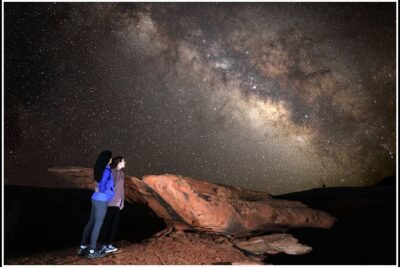
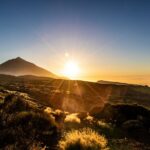
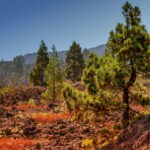
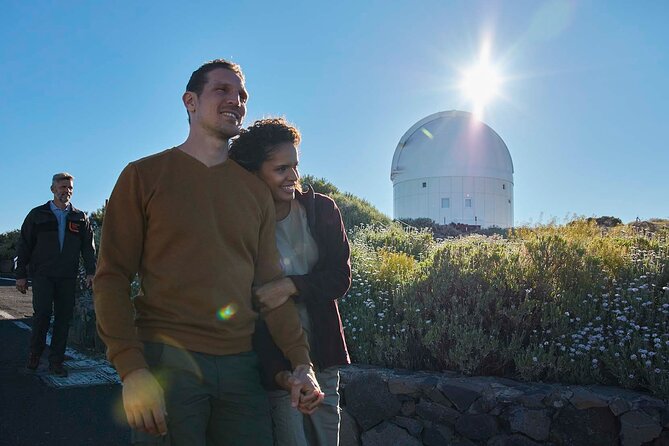
The tour ends with spectacular views from the Izaña area. You’re up around 2,400 meters, and on clear days that altitude gives you big-sky sightlines over Teide National Park.
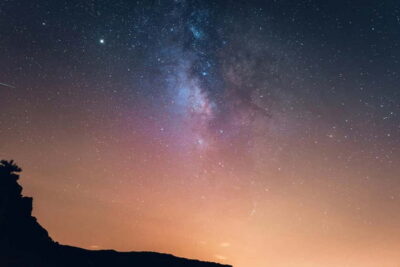
Don’t treat this as just scenic time. It’s part of why the Canary Islands are such a strong astronomy location: the environment, the sky conditions, and the observatory setup all work together. Even if clouds or haze limit what telescopes can do, the view can still deliver.
The altitude is the practical catch. You’ll be walking on gravel paths, and oxygen is lower than at sea level. Most people are fine with a slow pace, but if you start feeling dizzy, nauseated, short of breath, or get headaches, you should tell the guide right away. The observatory doesn’t have medical assistance on site, and the closest hospital is about one and a half hours away by car.
Bring sun protection and hydration. Low humidity can surprise you, and staying dry quickly turns into fatigue at altitude.
Price and value: why $25.31 can make sense (and when it won’t)
At $25.31 per person, this tour can feel like good value if you want guided astronomy with real telescope access. You’re paying for more than entry: you’re paying for an expert-led visit, a workshop component, and telescope viewing time that most independent plans can’t easily replicate.
It’s not the kind of experience where you’re guaranteed to get every visual moment. Weather and operating status can affect what’s possible. That’s the tradeoff: the science is weather-dependent, and the tour is built around real operations, not a fixed indoor show.
So I’d frame it like this: the price is reasonable for a guided, equipment-focused experience that’s short and high impact. If your schedule is rigid and you can’t handle a cancellation or date change, you’ll want extra backup plans.
Who this tour suits best (and who should reconsider)
This is a great fit if you want astronomy that’s explained clearly and tied to the working life of researchers. Families usually do well here because it mixes a workshop, telescope viewing, and big views in a controlled timeframe.
You should reconsider if you have general physical problems affected by altitude—conditions like anemia, cardio-pathologies, or respiratory problems are specifically flagged as not recommended. If you’re unsure, ask your doctor. And keep in mind there’s no medical assistance inside the facilities.
Also, the tour involves movement on gravel paths and a moderate physical effort, so comfortable footwear is not optional. Leave sandals at the hotel.
For everyone else, the best approach is simple: slow down, drink water, and dress for fast-changing weather. Even when it’s sunny, mountain conditions can shift quickly, and telescope interiors can feel cooler.
Weather rules and last-minute changes you should plan for
This is a tour that depends on weather. If conditions are unsafe—especially in winter, where snow, ice, or falling rocks can affect road safety—the visit may be cancelled unexpectedly. In addition, even if the weather is generally okay, telescopes still need to be operating to make the planned viewing possible.
That’s why I recommend booking with flexibility. If you’re staying in the area for more than a day, you’ll have more chances to catch good conditions. If your only time slot is one specific day, your backup is simply to accept that skies rule the schedule here.
If it’s cancelled due to poor weather, you’ll be offered another date or a full refund. The key is to keep an eye on messages close to departure time and be ready to adjust your plans fast.
Should you book the Teide Observatory entrance ticket?
Book it if you want a compact, guided astronomy visit with solar telescope viewing, a workshop at the visitor centre, and an inside look at a nocturnal telescope. It’s the kind of tour that makes you feel like you understand the job, not just the destination.
Skip (or choose a different plan) if you can’t handle altitude, you have a medical concern that could flare at 2,400 meters, or you’re the type of traveler who needs certainty when weather can change quickly. Also, double-check the meeting location details and arrive 30 minutes early so you don’t lose your slot before the group even starts.
If you’re staying in Tenerife with at least a little slack in your schedule, this is an easy yes. When the telescopes are running, it’s one of the most practical ways to see the sky science in action—right where it’s actually being studied.
FAQ
How long is the Teide Observatory guided tour?
The guided visit runs about 1.5 hours, and the overall experience is listed as about 2 hours.
Do I get a mobile ticket?
Yes. The ticket is delivered as a mobile ticket.
Which languages are available for the tour?
Tours are offered only in the selected language: English, German, French, or Spanish.
What telescopes and views will I see?
You’ll get a look through solar telescopes to observe sunspots and solar flares, and you’ll also explore the inside of a nocturnal telescope. You’ll finish with views over Teide National Park from the Izaña area.
Is the admission ticket included?
Yes. Admission ticket is included with the experience.
Is this tour suitable for children?
Children under 8 years old are not included in the tour. It is described as fun for families, but the age restriction still applies.
What if weather or telescope operations are bad?
Tours only run when weather and telescope operating status permit it. Visits may be cancelled due to adverse conditions, especially in winter, and you’ll be offered another date or a full refund if it’s cancelled due to poor weather.