REVIEW · TOKYO
Japan Tokyo Tower Observatory Deck E-Ticket
Book on Viator →Operated by TREVOPEDIA · Bookable on Viator
Tokyo Tower feels worth it in minutes. With timed e-ticket entry, you’re up to the Main Observatory Deck without wasting time in crowd knots. I like that you can pick your moment—daytime clarity or night when the tower glows—and that on a clear day you may even spot Mt. Fuji.
The big thing to watch is your ticket itself. If your QR code (or equivalent barcode info) isn’t easy to access on arrival, expect a slower entry while staff verify you by name.
In This Review
- Key things to know before you go
- Tokyo Tower Main Deck: the 150m view that sets the tone
- Timed Entry E-Ticket: how to avoid the most common headache
- 2 hours at Tokyo Tower: what your visit flow should feel like
- Day vs Dusk vs Night: when Tokyo Tower looks best
- Getting around inside: views, glass, exits, and those steps
- What’s included in your $18 ticket (and what costs extra)
- Who should book this Tokyo Tower e-ticket?
- Should you book this Tokyo Tower Observatory Deck ticket?
- FAQ
- How much is the Tokyo Tower Observatory Deck ticket?
- How long does the Tokyo Tower visit take?
- Is admission to the Tokyo Tower Main Observatory Deck included?
- What are the Tokyo Tower opening hours for this experience?
- Can I go at day or at night?
- What view can I expect from the observatory?
- Where is the meeting location?
- Can I cancel and get a full refund?
- What should I do if I don’t receive usable ticket information right away?
Key things to know before you go

- Skip-the-line timed entry: arrive at your time slot and get moving fast inside Tokyo Tower
- 150m height, wide views: you look down over the city from the Main Observatory Deck
- Mt. Fuji chance in good weather: on clear days, it can appear in the distance
- Go day or night: dusk and night are popular for skyline mood and lights
- Plan for ticket checks: keep your e-ticket details ready if your scan doesn’t work on the first try
Tokyo Tower Main Deck: the 150m view that sets the tone
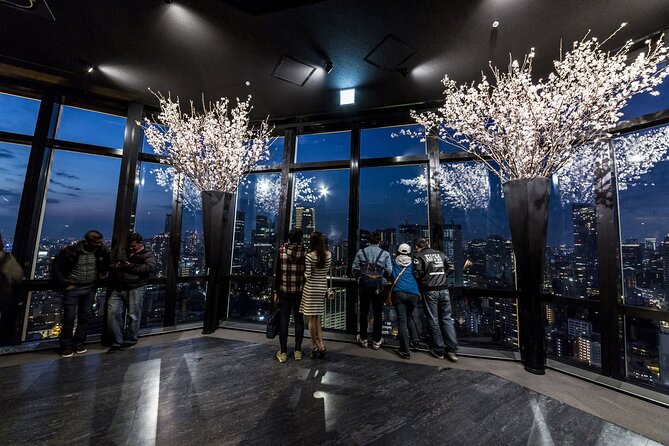
Tokyo Tower’s Main Observatory Deck is the kind of stop that quickly makes Tokyo feel real. You’re not just looking at a postcard—you’re up 150 meters above the streets, where the city stretches out in every direction. The experience is built around big sightlines, which is great if you only have a day or two and want a strong first impression.
From up there, you’ll get a feel for Tokyo’s scale. You can see major landmarks in the distance, including Tokyo Skytree, and (on a clear day) you might even catch Mt. Fuji. Even if you don’t see it, the height still does its job: it helps you understand where things are and how neighborhoods relate to each other.
Inside the deck area, you can also take your time with the little details that make observation decks more than just a quick photo stop. One perk is that you may find glass floor windows on level 1, which is a fun way to add a little thrill to your skyline viewing. It’s not required, but if you like a challenge with your coffee breaks, it helps.
And the tower itself is worth looking at, too. It has that instantly recognizable shape outside, and inside it feels designed for sightseeing—easy to circulate, easy to pause, and simple to refocus when you spot something interesting.
You can also read our reviews of more tours and experiences in Tokyo.


Timed Entry E-Ticket: how to avoid the most common headache
This ticket is designed around timed entry, meaning you pre-book a slot and get your access without the long standby lines. In practice, that means more time for views and less time stuck waiting where you can’t see anything.
The e-ticket system is also the whole point of the experience. If your entry works smoothly, you can go from street level to observation mode pretty quickly. The ticket includes admission to the Tokyo Tower Main Observatory Deck, so you’re not piecing together multiple steps or hunting for upgrades.
That said, there’s a real-world pattern to be aware of: sometimes the QR code (or the barcode/scan entry method) doesn’t show up in a way that staff can scan right away. When that happens, entry may slow down because they’ll verify you manually—often by name—before letting you proceed. You don’t need to panic, but you do need to be ready.
Here’s how to keep it painless:
- Have your e-ticket ready on your phone screen before you reach the gate (don’t rely on loading internet).
- If you can, keep a backup copy (email on your phone or a screenshot).
- Arrive close to your time slot. Timed entry helps, but it only works if you show up when you chose.
Also, the location is near public transportation, which matters because you don’t want your plan tied up with long transfers. The shorter your commute, the more flexible you are if the skies or light change your plans.
2 hours at Tokyo Tower: what your visit flow should feel like
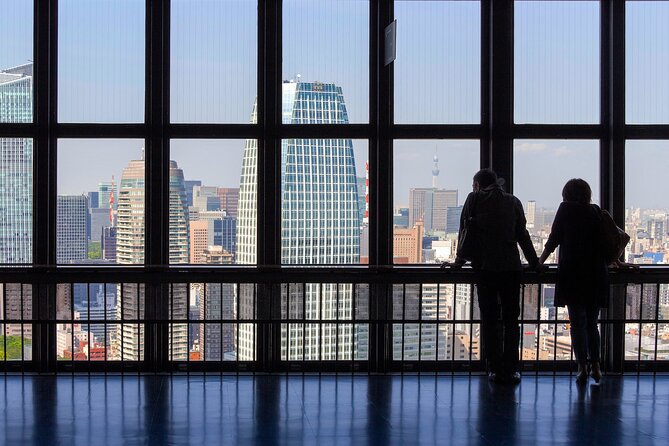
The experience duration is about 2 hours. That’s a good window for taking photos, walking through the deck areas at an unhurried pace, and enjoying the tower grounds without feeling rushed.
A simple way to structure it:
- First, go straight up for your main skyline time. Height first, because visibility is your biggest variable.
- Spend a chunk of time near the main viewpoint angles. If you rotate your position every few minutes, you’ll notice different sightlines and landmark alignments.
- Then, slow down for the extras: browsing the on-site shops, grabbing a treat, and stepping into any viewing areas that let you experience the tower beyond the main windows.
One detail that can be fun if you like air and movement: there are outdoor steps outside the tower that let you step away from the glass for a different feel. People mention using these steps to get a view with fresh air and without the window reflections.
If you’re aiming for a specific light moment—like dusk—you’ll want to stay flexible with timing. You don’t need to plan every minute, but you do want enough time to look out during the exact transition you care about.
Day vs Dusk vs Night: when Tokyo Tower looks best
Tokyo Tower is great in daylight, but it really changes personality depending on the hour. The ticket lets you choose day or night, and you’ll feel the difference the moment you look out.
Daytime can be best if:
- You’re hoping to spot distant landmarks like Mt. Fuji.
- You want cleaner skies for photos.
- You prefer brighter, easier navigation inside.
Dusk and right after sunset are often magical because the city starts shifting from bright daytime order into glowing night accents. One of the nicest ways to time it is to catch that in-between period, when the sky is still a little dramatic and the lights are starting to turn on.
Night is where Tokyo Tower really earns its reputation. The tower’s illumination is visible from far away, and the scene turns into a skyline of light patterns. If you want the tower to feel like a centerpiece, go after dark. In fact, you may find night entry feels smoother at certain times—especially outside the busiest rush hours.
Practical tip: if you’re traveling with a phone camera, night shots look best when you can steady your hands. You don’t need special gear, but try to take fewer, better photos instead of sprinting through every viewpoint.
Getting around inside: views, glass, exits, and those steps
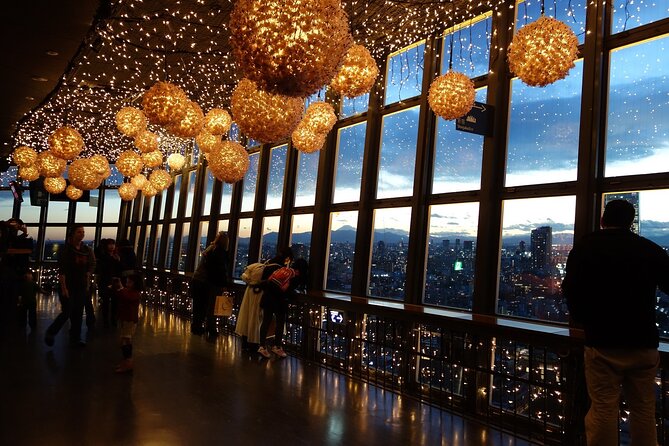
Tokyo Tower is an easy place to enjoy if you treat it like a loop. You move up, you look, you rotate your viewing angle, and then you circle through the inside areas at your pace. The Main Observatory Deck is where you’ll spend your main time, but don’t ignore the rest of the visit environment.
People often appreciate that the deck area includes both viewing and small comforts. For example, there’s mention of a small coffee/ice cream shop on site, plus very clean bathrooms. Those details sound small, but they matter when you’re spending about two hours on a sightseeing mission. It’s easier to enjoy the view when you can actually reset without hunting around.
There’s also a chance to experience the tower’s surrounding grounds in a different way. Some visitors talk about taking an outside route using steps to feel fresh air and see parts of the tower lighting without glass reflections. If you’re comfortable walking a bit, it’s a nice contrast to window viewing.
Exit navigation is the one thing to keep in mind. A few people note it can feel a little hard to find the way out, so don’t plan your arrival to the observation deck as your only time cue. Give yourself a few extra minutes at the end so you can exit calmly.
What’s included in your $18 ticket (and what costs extra)
For $18.00 per person, you’re buying something very specific: Tokyo Tower Main Observatory Deck admission. That’s the main value. You’re not paying for a bundled meal or an extended guided program. You’re paying for access to one of Tokyo’s best-known viewing experiences with timed entry to cut wait time.
Not included are other personal expenses, which basically means anything you choose to buy on-site. Based on what’s commonly available, that might include snacks, drinks, and souvenirs from the tower shops and gift areas. If you want the convenience of grabbing something quickly, budget a bit for it.
One more “hidden value” angle: timed entry is often most valuable during peak crowd times. When the tower is packed, the difference between waiting outside the line and starting your view earlier can be the difference between enjoying Tokyo Tower slowly and feeling like a human in a queue.
If you like structure, this ticket delivers it: arrive at your time slot, get your deck admission, enjoy your skyline window.
Who should book this Tokyo Tower e-ticket?

This is a strong fit for a lot of travelers because the experience is straightforward and the duration is short enough to work into almost any itinerary. The data also says most travelers can participate, so it’s not limited to a narrow type of visitor.
I’d especially recommend it if:
- You want a first-stop sightseeing moment when you arrive in Tokyo and need an immediate sense of the city.
- You’re trying to avoid long lines and you like the control of timed entry.
- You enjoy skyline photos and you like comparing light conditions, like dusk and night.
- You’re traveling in a group but want everyone to have an easy shared “anchor” activity.
If you’re someone who hates ticket uncertainty, plan carefully. Keep your e-ticket details ready on your phone, and don’t treat it as something you can sort out at the last second. The experience is smooth when your ticket scans cleanly; when it doesn’t, staff may need extra steps to verify you.
Should you book this Tokyo Tower Observatory Deck ticket?
I think this is a smart booking for most people who want a big Tokyo view without a lot of hassle. The price is reasonable for a dedicated Main Observatory Deck admission, and the timed entry concept is exactly what you want during busy periods.
Book it if you:
- care about maximizing sightseeing time,
- want day or night options,
- and would like a good chance at landmark views, including Mt. Fuji on clear days.
Consider a different plan if you know your travel style depends on last-minute tech fixes. Double-check that you have your e-ticket details accessible before you leave for the tower, and you’ll likely be fine.
FAQ
How much is the Tokyo Tower Observatory Deck ticket?
The price is $18.00 per person.
How long does the Tokyo Tower visit take?
The duration is approximately 2 hours.
Is admission to the Tokyo Tower Main Observatory Deck included?
Yes. Admission ticket to the Tokyo Tower Main Observatory Deck is included.
What are the Tokyo Tower opening hours for this experience?
It runs Monday–Sunday from 9:00 AM to 10:30 PM.
Can I go at day or at night?
Yes. The experience is designed so you can choose a time slot that works for your schedule, including day or night viewing.
What view can I expect from the observatory?
You’ll be able to look down at Tokyo from 150m above the ground, with panoramic city views. On a clear day, you might spot Mt. Fuji in the distance.
Where is the meeting location?
The tour notes say it is near public transportation, but no specific station name is provided in the details.
Can I cancel and get a full refund?
Yes. You can cancel up to 24 hours in advance for a full refund.
What should I do if I don’t receive usable ticket information right away?
The details say confirmation is received at booking time. If your ticket info isn’t working at entry, expect staff verification steps, so keep your e-ticket details accessible on your phone.