REVIEW · LAKE TEKAPO
Lake Tekapo: Mountaintop Stargazing at Mount John Summit
Book on GetYourGuide →Operated by Dark Sky Project · Bookable on GetYourGuide
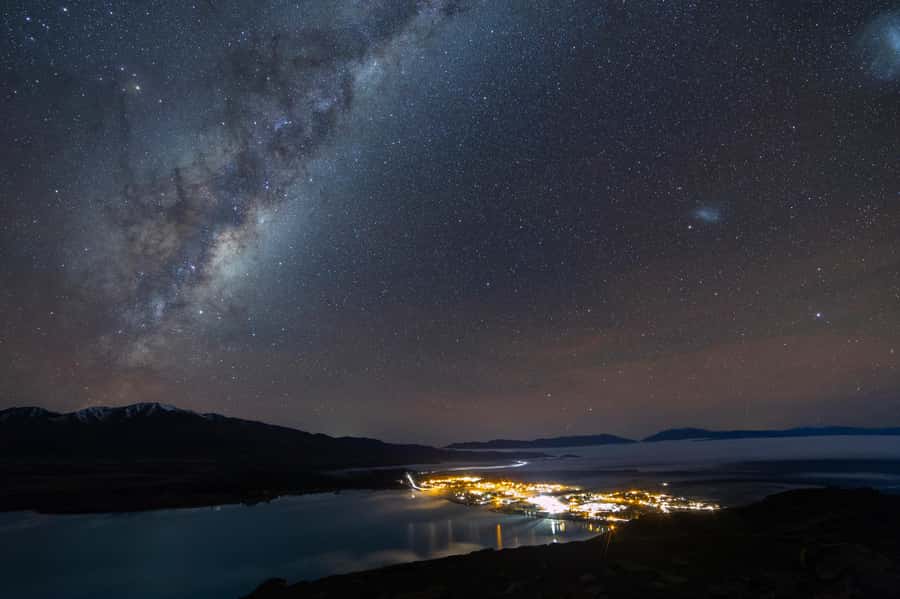
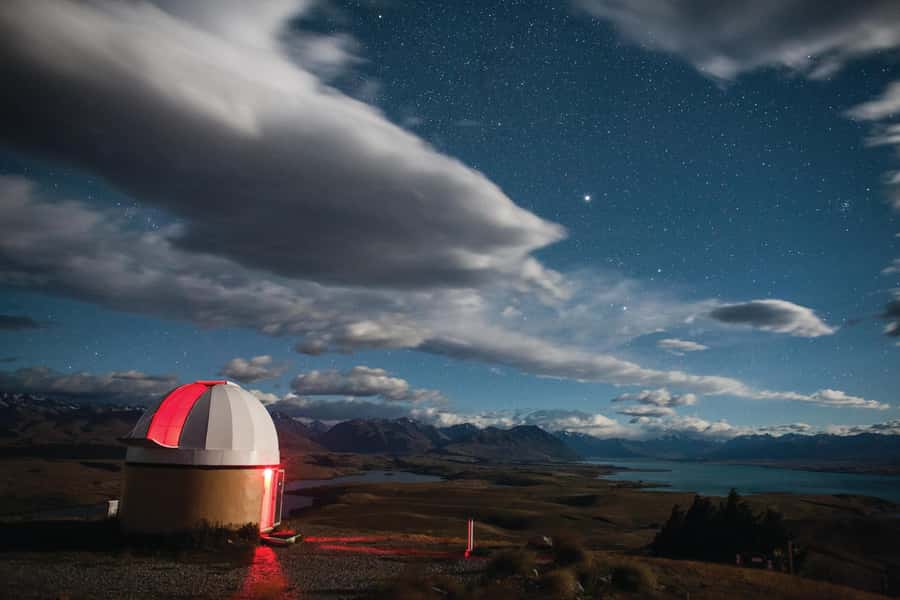
Southern stars hit harder up Mt John. At the 1,029m summit of Mount John above Lake Tekapo, this is a guided night-sky experience built for one job: help you see the Southern Hemisphere in crisp detail under dark skies. It’s also set inside one of the world’s best sky-watching environments, the Gold Standard International Dark Sky Reserve.
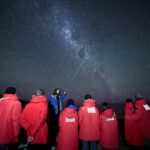
Two things I really like about this tour are the hands-on guidance (laser pointers for the night sky you can’t “guess” on your own) and the practical gear. You get Extreme cold weather jackets, plus return transport from the Dark Sky Project base to the summit, so you don’t spend the night freezing on a DIY setup. One consideration: it’s weather dependent, and it does involve walking in the dark with a small fitness requirement.
Mount John summit access above Lake Tekapo in the International Dark Sky Reserve
Laser-guided stargazing to help you learn the sky quickly
High-powered telescopes for closer views of stars and deep-sky objects
Extreme cold weather jackets to stay comfortable on a mountaintop
Return transport from Dark Sky Project base to the summit area
In This Review
- Mount John’s dark skies: the real reason Tekapo is famous
- Getting to the summit: Dark Sky Project base to stargazing platform
- What you’ll do once you arrive: naked-eye stars, lasers, and slow learning
- Jackets, walking steps, and the small rules that keep it smooth
- Telescopes at Mount John: what you can expect to see (and what can affect it)
- Weather and timing: how to boost Milky Way odds in Tekapo
- Guide energy matters: why this tour’s storytelling gets repeat praise
- Comfort extras: hot chocolate, torches, and staying focused
- Price and value: is $130 per person worth it?
- Who this tour suits best (and who should choose something else)
- Should you book Lake Tekapo mountaintop stargazing at Mount John?
- FAQ
- Where is the meeting point for Lake Tekapo Mount John stargazing?
- How long is the stargazing experience?
- How much does it cost?
- What’s included in the tour?
- Is food and drinks included?
- Are flash photos allowed?
- What should I wear or bring for this tour?
- What happens if the weather is bad?
Mount John’s dark skies: the real reason Tekapo is famous
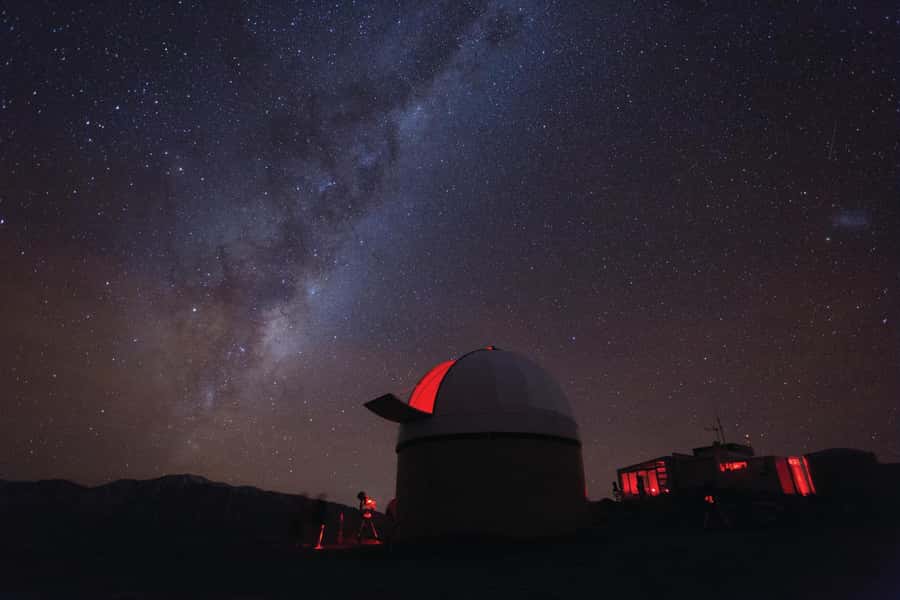
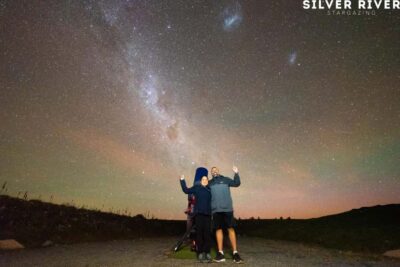
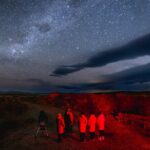
Lake Tekapo’s reputation isn’t hype. The key advantage here is that Mount John sits in a protected dark-sky area, so the night isn’t washed out by city light. That means the Milky Way region, constellations, and faint points of light have a fighting chance to look sharp instead of smeared.
What makes this experience feel special is the setting. You’re up on a mountaintop summit at 1,029m with the night air doing its job, and you’re also within the orbit of the astronomy work happening around the site. The tour takes place around a University of Canterbury research centre, which gives the whole thing a more serious “astronomy mission” vibe than a casual look-up-and-hope moment.
Getting to the summit: Dark Sky Project base to stargazing platform
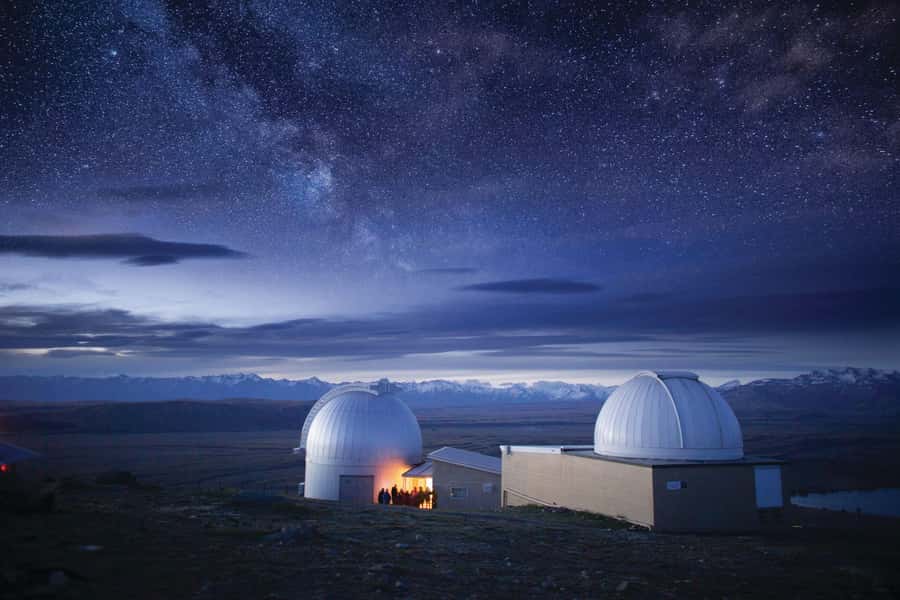
You start at the local supplier’s Dark Sky Project base at the Takapō (Tekapo) lakefront. Check in at least 20 minutes early, because you’re not just waiting around. This time buffer matters because you’ll be getting the cold-weather jacket and getting everyone organized before you head upward.
Once you’re set, you take return transport up to the summit of Mount John. That’s a big quality-of-life win in Tekapo. You’re dealing with cold, darkness, and mountain roads, so removing the DIY logistics means you can focus on the sky instead of figuring out timing and parking.
You can also read our reviews of more tours and experiences in Lake Tekapo.
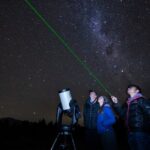
What you’ll do once you arrive: naked-eye stars, lasers, and slow learning
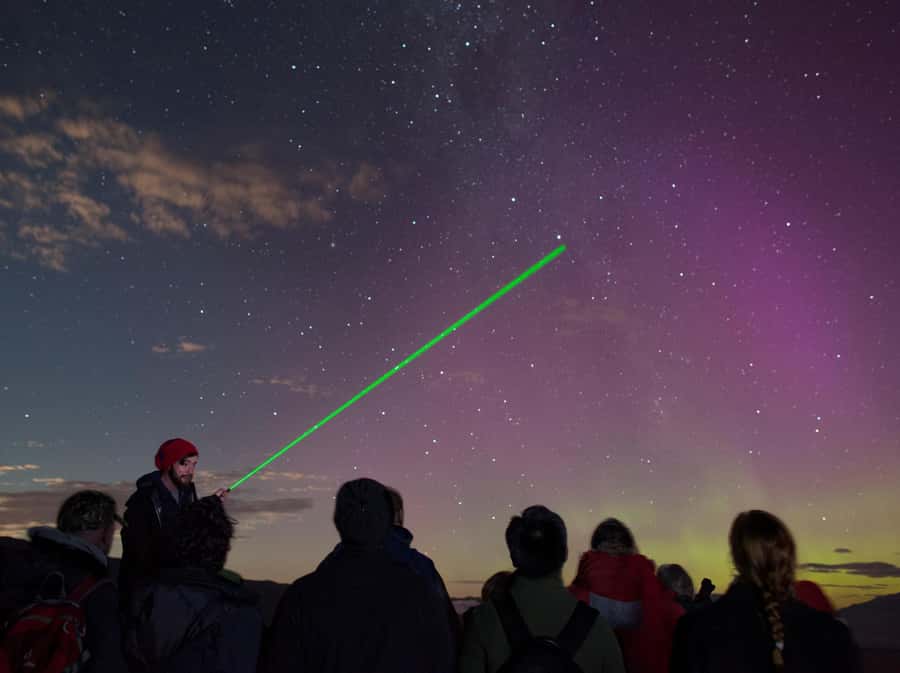
The core of the 105-minute experience is structured learning, not random staring. The night starts with a guided look at the Southern Skies using naked eyes, and the guides use handheld lasers to “draw” your attention to objects you might otherwise miss.
This method is underrated. When you’re new to stargazing, it’s hard to know where to look, and harder still to confirm that you’re not imagining a dot. Laser guidance helps you build quick pattern recognition, so you leave knowing how to find key targets again later.
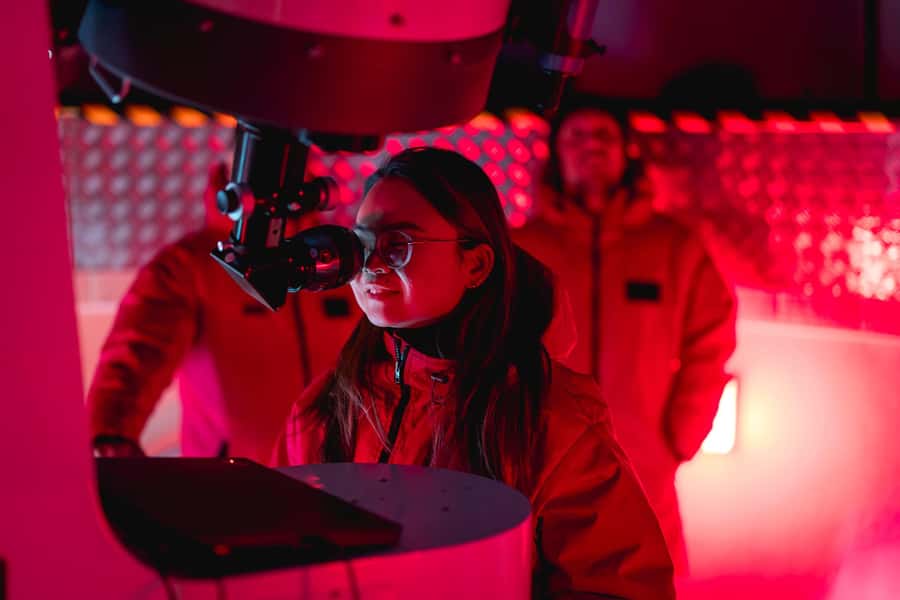
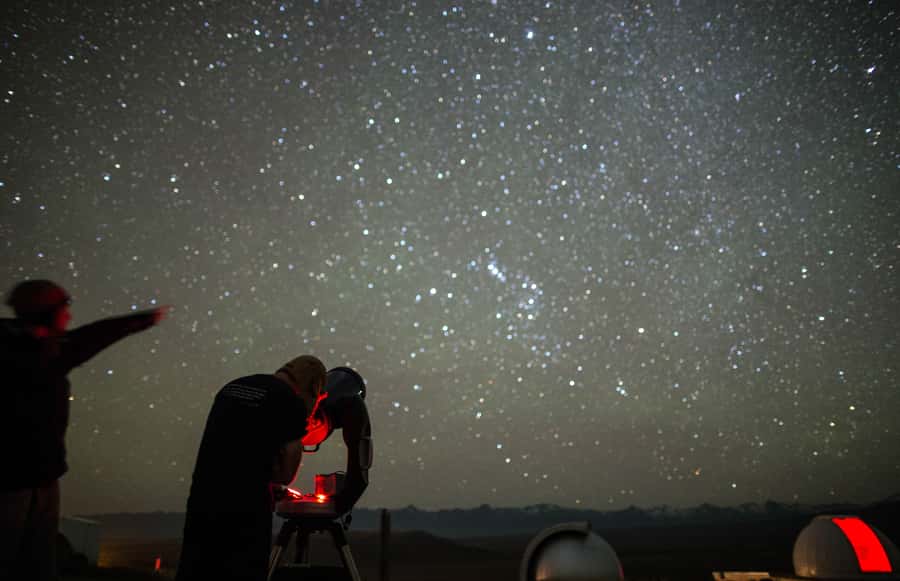
You’ll then move to the next layer with high-powered telescopes. This part is where the sky shifts from “wow” to “wait, that’s real.” Reviews also hint that the telescopes can show both familiar bright objects and more interesting star patterns, depending on the night’s conditions.
Jackets, walking steps, and the small rules that keep it smooth
On a mountaintop in South Island winter or shoulder seasons, cold is not a theory. It’s a physical thing that can cut your attention fast. This tour provides Extreme cold weather jackets at check-in, which is a huge help for comfort and staying focused.
There’s also a movement requirement. The nature of the tour needs a minimal fitness level: confident walking about 100 meters on a gravel incline and climbing a couple of steps in the dark. If you’re someone who struggles with stairs after sunset, plan ahead.
Two rules also matter for the vibe and the quality of sight:
- Flash photography is not allowed (it ruins dark adaptation for everyone).
- You’re required to speak the language of the tour due to Health & Safety purposes, so you won’t be able to join if you can’t speak the tour language.
Telescopes at Mount John: what you can expect to see (and what can affect it)
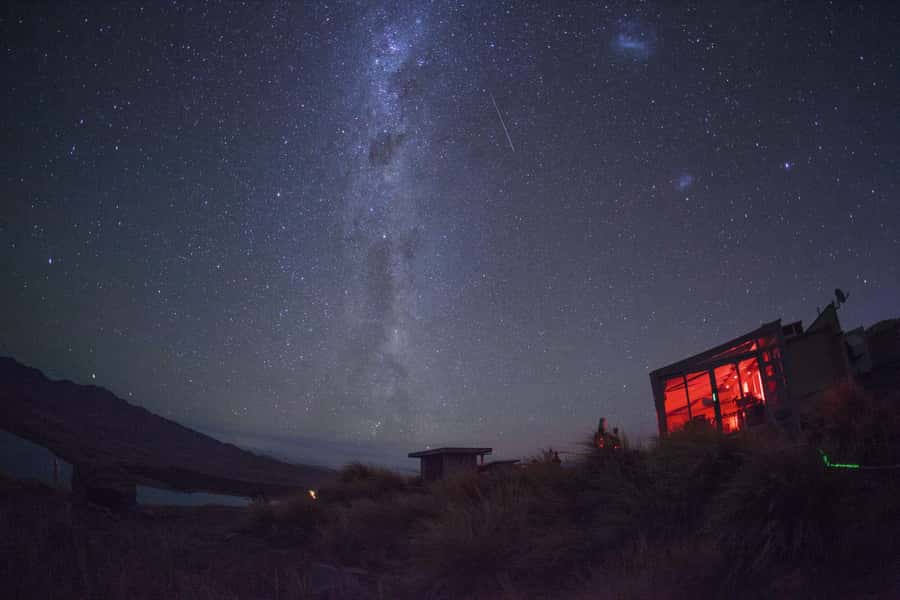
Telescopes on tours can sometimes disappoint if you expect a dramatic “movie” view every time. One review noted that stars looked only slightly larger than with naked-eye viewing, and that major planets like Saturn or Venus or the Moon weren’t present on that specific night. That’s not the guide’s fault. It’s the reality of astronomy: the sky changes, and not every night includes the same highlight objects.
At the same time, other reviews describe truly memorable telescope moments, including seeing Mercury through a telescope on at least one night, plus views of Jupiter and Alpha Centauri. A tour like this works best when you treat it as a guided sky lesson first, and a planet-hunting mission second.
Here’s what affects your view most:
- Cloud cover (the big one)
- Moon phase and brightness (moonlight can wash out the Milky Way)
- Which targets are up in the sky at that time of night
If you go with that mindset, you’ll be happier with the experience, even when a particular planet isn’t visible.
Weather and timing: how to boost Milky Way odds in Tekapo
This is a weather dependent tour. That’s normal for mountaintop stargazing, and it’s also why flexibility is useful. If it’s bad weather, the tour can be cancelled and you’ll be offered an indoor alternate or a full refund.
Timing can also change what you notice. One reviewer specifically recommended waiting for the new moon to improve Milky Way visibility, because bright moonlight made it too bright to see the Milky Way as clearly through the telescope. That’s the kind of practical tip that actually helps: the best “wow” for Milky Way detail usually comes when the moon isn’t flooding the sky.
So if your schedule allows, consider aiming for a darker-sky window. If your plans are tight, don’t skip the tour entirely. Even on a great night, the guide-led learning and telescope views still deliver.
Guide energy matters: why this tour’s storytelling gets repeat praise
The star of the show isn’t just equipment. It’s the way the guides explain what you’re looking at. Multiple reviews highlight strong guide enthusiasm and clear instruction, with one guide named Oscar earning top marks for knowledge and energy.
Another consistent theme: guides guide you to specific things, not just general statements. You might be shown how to find the southern celestial pole, and the focus on “how to locate” turns stargazing from guessing into a skill. That’s why people leave feeling like they learned the sky, not just saw it for one night.
You’ll also be learning in real time. The guides point, you look, then you confirm and understand. That rhythm is what makes a short 105-minute experience feel longer and more satisfying.
Comfort extras: hot chocolate, torches, and staying focused
Small comforts matter at -ish temperatures. One review even called out hot chocolate on arrival as a welcome touch. That doesn’t change the stars, but it improves the human part of the night, especially if you’re arriving cold and hungry.
You may also have a small light tool for navigating in the dark, based on what at least one review described. Either way, keep your expectation realistic: this is outdoors, dark, and cold, so anything that helps you move safely is worth using.
Price and value: is $130 per person worth it?
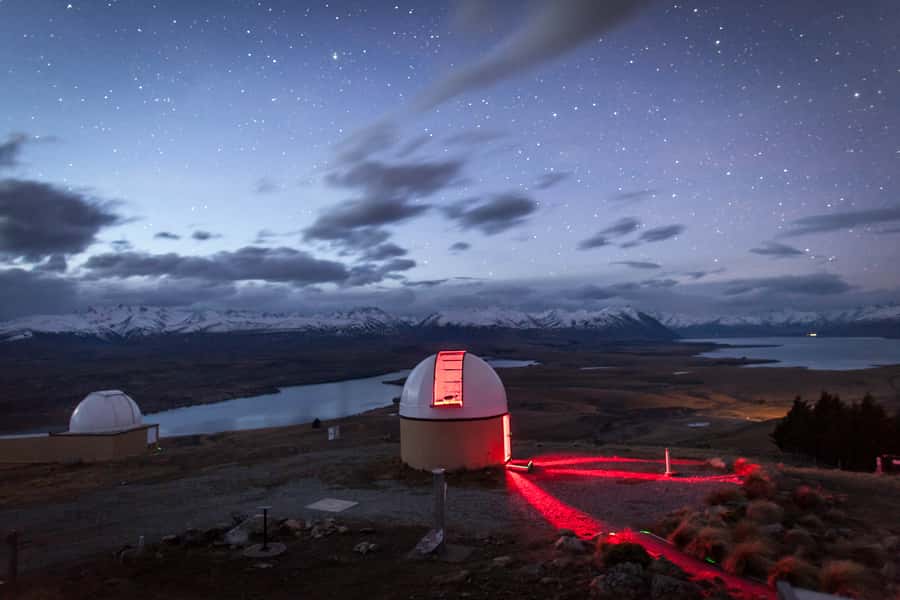
At $130 per person for a 105-minute tour, you’re paying for three things that are hard to replicate on your own: summit access, guided interpretation, and telescope time.
DIY stargazing in Tekapo can be a great plan, but it won’t give you the same “where do I look” speed, and you likely won’t get the same telescope experience on demand. This tour packages the astronomy learning into a short, guided format while handling the cold comfort and transport.
That said, value depends on expectations. If your goal is a guaranteed list of planets every night, astronomy will humble you. One review felt the tour wasn’t great value at a higher quoted price when telescope views didn’t look dramatically bigger and a few expected solar system targets weren’t visible. That’s your cue to decide what you’re actually buying: a guided sky lesson that adapts to the night, not a promise of specific celestial trophies.
Who this tour suits best (and who should choose something else)
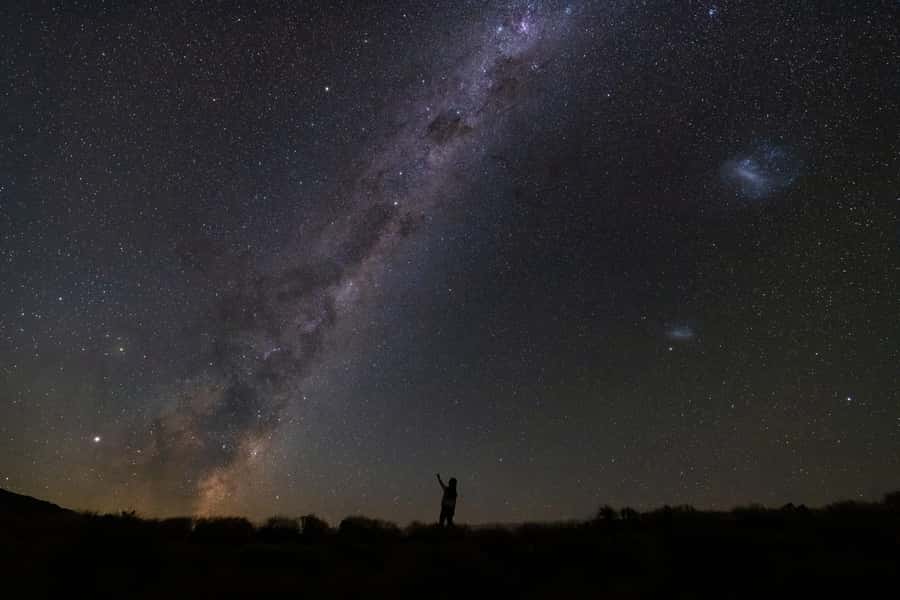
This tour is family-friendly with an age restriction of 10 years and over, and it includes clear structure for first-time stargazers. If you’re the type who likes learning while you watch, the laser-led approach and telescope session fit well.
It’s also a strong choice if you want the Dark Sky Reserve experience without renting equipment, planning transport to a suitable viewpoint, and managing the learning curve alone.
It may not suit you if:
- You need mobility-friendly access (it’s not suitable for people with mobility impairments).
- You’re not comfortable walking on gravel inclines or climbing steps in the dark.
- You can’t speak the tour language needed for Health & Safety.
Should you book Lake Tekapo mountaintop stargazing at Mount John?
I think you should book if you want the best “first contact” with Southern Hemisphere skies. The mix of exclusive summit access, laser-guided learning, telescopes, jackets, and return transport makes it an efficient, low-stress way to get real astronomy value in a place that actually deserves the attention.
Skip it (or plan carefully) if you’re mainly chasing one specific planet on one specific night. The sky doesn’t follow our wish lists, and even the best guides can’t change what’s up, what’s visible, or how bright the moon is.
If you can be a little flexible with timing and you’re prepared for cold and dark walking, this is one of those Tekapo experiences that turns the night sky into something you can understand, not just admire.
FAQ
Where is the meeting point for Lake Tekapo Mount John stargazing?
You check in at least 20 minutes prior to departure at Dark Sky Project base on the Takapō (Tekapo) lakefront.
How long is the stargazing experience?
The tour runs for 105 minutes.
How much does it cost?
The price is listed as $130 per person.
What’s included in the tour?
It includes a 1 hour 45 minute stargazing experience atop Mount John with exclusive summit access, a guided session with handheld laser pointing and high-powered telescopes, an extreme cold weather jacket, and return transport to the Mount John summit.
Is food and drinks included?
No. Food and drinks are not included.
Are flash photos allowed?
No. Flash photography is not allowed.
What should I wear or bring for this tour?
Bring weather-appropriate clothing. You should expect to be warm because it’s a mountaintop experience in cold conditions, and jackets are provided at check-in.
What happens if the weather is bad?
The tour is weather dependent. If it’s cancelled due to bad weather, you’ll be offered an indoor alternate or a full refund.