REVIEW · HURGHADA
Hurghada SPACE OBSERVERS(Desert Stargazing)
Book on Viator →Operated by SPACE OBSERVERS EGYPT · Bookable on Viator
One night, and the sky gets loud. This Hurghada desert stargazing tour mixes a real astronomy show with Bedouin camp time, plus a big GPS-directed Meade telescope built for viewing planets and deep-sky objects. My favorite part is how the evening moves from sunset to dinner to the night sky without feeling rushed, and the guides like Adam and Ibrahim make the constellations easier to follow than you expect. The main drawback to plan for is the ride: it’s often bumpy, and motion sickness or back pain can make it harder.
If you’re in Hurghada and tired of the usual beach routine, this is a smart change of pace. You’ll get pickup, a candlelight buffet dinner, Bedouin tea with herbs, and a guided telescope session after dark, with a max group size of 27. The stars are the headline, but the dinner and village moments are what make the night feel like something you’d remember later.
In This Review
- Key Things That Make This Stargazing Tour Worth Your Time
- Desert Stars Start with Getting Away from City Light
- The $35 Value Math: What’s Included and What’s Extra
- The Sunset Drive: Photo Stop and Desert Camp Setup
- Bedouin Camp Time: Tea, Herb Flavors, and Village Moments
- Candlelight Bedouin Dinner: More Than a Meal
- Star Gazing with the GPS Meade Telescope After Sunset
- The Ride Reality Check: Bumpy Desert Tracks and What to Do
- Small Group Size and How the Tour Feels in Motion
- Who Should Book This Stargazing Night (and Who Might Skip)
- Should You Book Space Observers Egypt’s Hurghada Stargazing Tour?
- FAQ
- How long is the Hurghada SPACE OBSERVERS Desert Stargazing experience?
- What’s included in the price?
- Are there extra fees besides the $35 price?
- What kind of telescope viewing should I expect?
- Is the tour comfortable if I get motion sickness or have back problems?
- What happens if weather is poor?
Key Things That Make This Stargazing Tour Worth Your Time
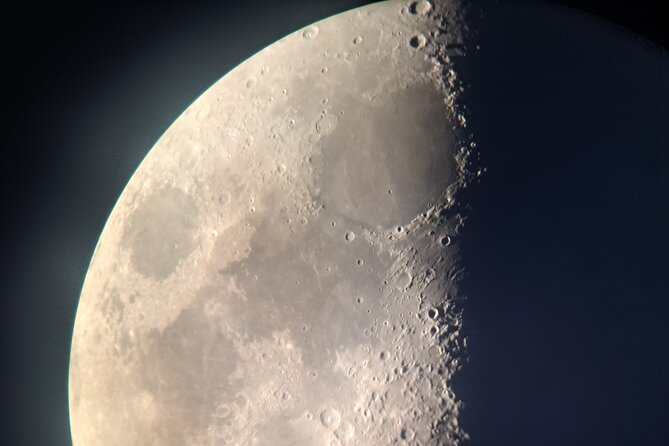
- Meade telescope with GPS direction for seeing planets and deep space objects, not just pointing at stars
- Candlelight Bedouin dinner that turns the night sky from a plan into an experience
- Bedouin tea with herbs and a village stop that adds local texture
- Desert sunset photo moments from a clear observation area
- Small group size (max 27) so you’re not lost in a crowd when questions start
- Optional photo add-ons may be available, especially if you want guided portraits
Desert Stars Start with Getting Away from City Light
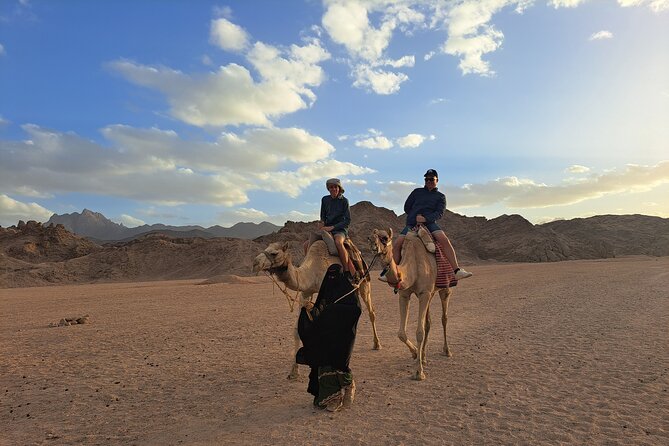
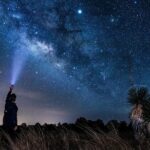
The whole trick with stargazing in Egypt is simple: you need darkness, not just night. Hurghada is bright enough that you can miss a lot of the sky unless you get out toward the desert. This tour puts you on that path right away, with a short hotel pickup and then a drive out into the darker area where the Milky Way actually shows up for many people.
I like the pacing because it’s built for attention. You start with sunset over the desert, then you move into the Bedouin camp world before full darkness, and only then does the astronomy part really kick in. That flow matters. It keeps you warm, fed, and relaxed while the sky gradually gets better, instead of scrambling for night vision while everyone is hungry and tired.
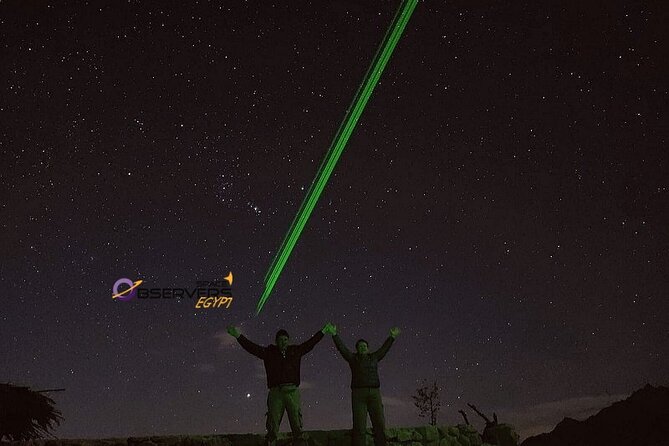
Two guides names came up repeatedly in the experience people describe: Adam and Moussa. That matters because astronomy explanations are the difference between seeing dots and understanding what you’re looking at. When the guide uses a laser pointer and talks clearly about constellations and planets, you start connecting the sky to stories and scale.
You can also read our reviews of more tours and experiences in Hurghada.
The $35 Value Math: What’s Included and What’s Extra
At $35 per person for a roughly 5-hour outing, this is priced like an activities package, not like a private astronomy session. Your included basics are what you want for a complete evening: pickup and drop-off, candlelight dinner, Bedouin tea with herbs, a visit to the Bedouin village, and the guided telescope astronomy using the Meade setup.
What you should plan for upfront are the add-ons that can change the final bill:
- Extra pickup fees if you’re outside central Hurghada: Sahl Hasheesh and Makadi Gouna (10€ pp) and Safaga (20€ pp)
- Governmental fees in Hurghada that are not included
I think the price is fair because you’re not only paying for telescope time. You’re also paying for transportation, dinner, and the guide effort that makes the night sky make sense. If you only care about looking through a telescope for a few minutes, it may feel like more money than you want. If you want the full arc—sunset, culture, food, and then planets—the value tends to click.
Also, one review detail that’s useful: there can be an optional photo package (some people reference a fixed fee). If you like travel photos, ask about what’s offered before you commit, so you’re not deciding in the moment.
The Sunset Drive: Photo Stop and Desert Camp Setup
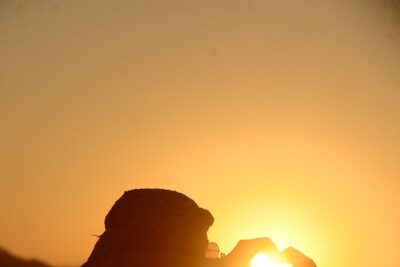
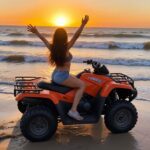
The evening begins with pickup and a van drive away from town. Then you transition into the desert area, with a short ride deeper in—enough for the horizon to look different and the light to soften. The first stop is timed for sunset and gives you an observation area plus time for memorial photos.
This part is more than scenery. It’s your warm-up for the rest of the night. Sunset is when your eyes adapt, your camera exposure gets easier, and you stop thinking about logistics. If your phone is your main camera, this is the best time to switch settings and test without the pressure of full darkness yet.
You’ll also see why this tour is often described as fun and adventurous, not stiff. The ride format can be bumpy, and some evenings include a longer stretch on rough desert tracks after leaving the main road. If you’re traveling with kids, people often find the ride part exciting. If you get motion sickness, it’s worth taking precautions early.
Bedouin Camp Time: Tea, Herb Flavors, and Village Moments
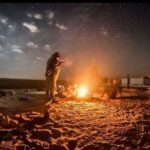
At the Bedouin camp, you get a welcome drink and time to settle in. The tea is specifically traditional Bedouin tea with herbs, and that’s one of the small details that makes the stop feel grounded instead of generic. It’s not a long lecture; it’s a real break in the flow before dinner and stargazing.
You also get a Bedouin village visit. Even if the village time is brief, it gives context for what you’re seeing later in the evening. People describe it as a chance to understand daily life and not just take pictures. In a good night, you’ll notice that the camp stop helps you slow down enough to enjoy the sky once darkness arrives.
One thing to watch: this is not a slow overnight stay. It’s a set-program evening. That’s why the guide’s time management matters. When it runs smoothly, you get camp warmth and then a satisfying astronomy show. When it doesn’t, you can end up wishing you had more minutes under the telescope.
Candlelight Bedouin Dinner: More Than a Meal
The dinner is served in a candlelight setting and described as a Bedouin buffet. The typical vibe is relaxed and calm, which is exactly what you need before stargazing. Food also gives you a buffer against the desert temperature drop after sunset.
From what’s described by people who loved the experience, the dinner tends to be filling and straightforward: you’ll see familiar buffet-style items like rice, salad, and chicken mentioned in accounts. The point isn’t fine dining; the point is making sure you’re comfortable enough to stay out when the sky turns spectacular.
If you’re a picky eater, check the dinner style before you go. The data here doesn’t promise special dietary options, so assume it’s basic Bedouin buffet food. If that doesn’t sound like your thing, you can still enjoy the night for the stars and telescope, but your dinner portion may feel like a secondary benefit rather than the reason.
Star Gazing with the GPS Meade Telescope After Sunset
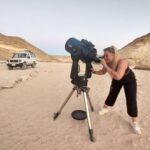
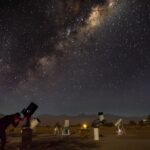
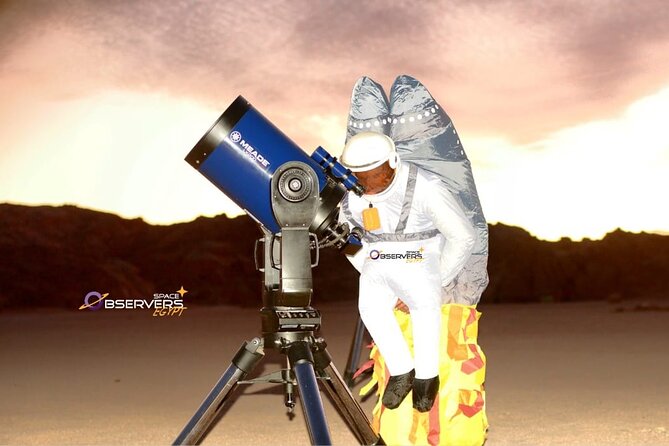
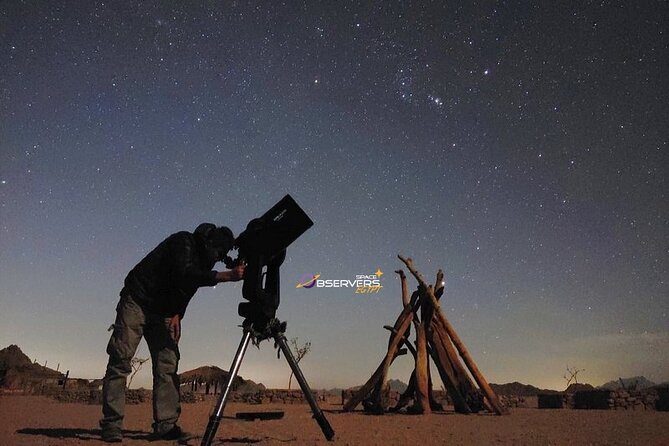
This is the main event. After full dark, your astronomy guide brings out the GPS-directed Meade telescope, described as a 15-inch observatory-style setup. The promise isn’t vague: you’ll look at stars, planets, and deep space objects.
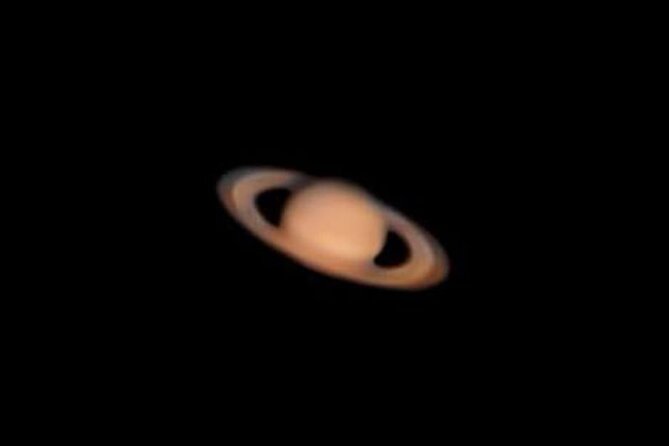
What I’d expect you to see, based on accounts, includes views of major planets like Saturn and Jupiter, and in some cases Jupiter’s moons. People also mention seeing the Milky Way on clear nights, which is the bonus you can’t replicate in a city.
One key advantage here is the GPS targeting. You’re not relying on someone’s finger pointing at random sky patches. With GPS direction, it’s easier to locate bright targets and keep the session organized even when you have a group.
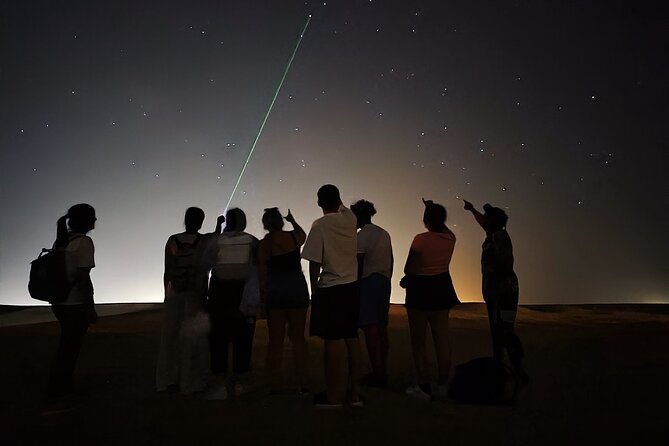
The best moments happen when the guide explains what you’re seeing while you look. Names that came up include Sedek, Moussa, and Ibrahim, and multiple accounts describe clear explanations of constellations and planet characteristics, often with a laser pointer. That kind of narration changes everything. Instead of looking through glass at a bright blob, you start recognizing patterns and learning the scale of what you’re seeing.
The Ride Reality Check: Bumpy Desert Tracks and What to Do
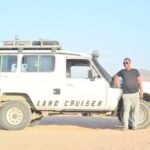
Let’s be honest: the desert drive can be rough. Several accounts point out that the journey includes long road time plus a bumpy stretch once you’re out on rougher tracks. If you’re nervous in a vehicle, have back pain, or get motion sickness, this is your main consideration.
This matters for two reasons. First, it affects comfort. Second, it can affect your enjoyment of the sky session. If you arrive stressed and uncomfortable, stargazing feels like a chore.
Practical tips based on what’s been shared:
- Bring something warm, because it can feel cold at night in the desert. A jumper or coat gets mentioned for a reason.
- Wear shoes that work for rocky footing if you climb or move around near the sunset spot and camp area.
- If you have motion sickness, consider taking a tablet beforehand, since the bumpy part is part of the adventure.
The good news: the same rough ride is often described as fun by people who are okay with it. If you’re traveling with kids, the jeep ride can be a highlight instead of a problem.
Small Group Size and How the Tour Feels in Motion
This tour caps at 27 travelers, which is a meaningful detail. It helps keep the telescope session from turning into a long line where you only look for seconds. In a smaller group, you’re more likely to hear the guide’s explanations and get your questions answered.
Timing is also tight but not chaotic. The program breaks down into sunset time, camp time, an hour for dinner, then about 3 hours for stargazing. It’s long enough to see the sky improve as your eyes adapt. It’s also short enough that you’re not out too late compared with overnight options.
One more value note: pickup is included. That removes the friction of figuring out transport at night. Just be aware that extra pickup fees apply if you’re staying in areas outside central Hurghada.
Who Should Book This Stargazing Night (and Who Might Skip)
This is for you if you:
- love astronomy and want a guided explanation, not just a photo-op
- want a full evening with sunset + Bedouin camp + dinner + telescope
- enjoy getting out of city light for the clearest Milky Way chances
- travel in a group size that still allows interaction (up to 27)
You might want to skip or adjust if you:
- have back issues or serious motion sickness risk, because the ride can be bumpy
- want a super-comfy, minimal-transport tour
- are only interested in stargazing and not in dinner or village time
If your priority is pure comfort and smooth logistics, this may not match. If your priority is seeing planets through a big telescope while learning the sky story, it’s a strong fit.
Should You Book Space Observers Egypt’s Hurghada Stargazing Tour?
I’d book it if you want an evening that feels purposeful: you get fed, you get out into real darkness, and you spend real time at the telescope with a guide who turns the sky into something you can recognize.
It’s also a smart booking if you’re traveling as a family or group of friends who enjoy a mix of culture and science. The dinner and tea help the night feel social, and the telescope portion gives you a clear reason to stay after dark.
Just go in with the right expectations. This is not a luxury safari with smooth roads. It’s an astronomy night in the desert, with a bumpy ride and cold-air reality. If you plan for that, you’re likely to leave with the kind of memory you can’t download later in a city app.
FAQ
How long is the Hurghada SPACE OBSERVERS Desert Stargazing experience?
It runs for about 5 hours (approx.), including pickup, sunset, Bedouin camp time, dinner, and the stargazing session after sunset.
What’s included in the price?
The package includes hotel pickup and drop-off, candlelight dinner, traditional Bedouin tea with herbs, a Bedouin village visit, and guided astronomy using a GPS-directed Meade telescope.
Are there extra fees besides the $35 price?
Yes. Pickup from Sahl Hasheesh and Makadi Gouna is 10€ per person, and pickup from Safaga is 20€ per person. Governmental fees in Hurghada are also not included.
What kind of telescope viewing should I expect?
You’ll use a GPS-directed Meade telescope to explore stars, planets, and deep space objects, and many nights include views of planets such as Saturn and Jupiter.
Is the tour comfortable if I get motion sickness or have back problems?
The desert journey can be bumpy. If you have motion sickness or back pain, consider taking precautions beforehand, since the ride can be uncomfortable for some people.
What happens if weather is poor?
The experience requires good weather. If it’s canceled due to poor weather, you’ll be offered a different date or a full refund. It also requires a minimum number of travelers.