REVIEW · LA MAGDALENA
Astronomy Night in Finca Astronomica, Cartagena, Murcia
Book on GetYourGuide →Operated by Astronomy Tours · Bookable on GetYourGuide
Tonight you chase galaxies in real darkness. At Finca Astronómica near Cartagena in the Region of Murcia, you get telescope views plus live imaging of the sky, all while dinner and a bonfire keep the evening warm and social. I love the way the night mixes hands-on science with a genuine farmlike finca walk, and I love that meals can be adjusted to dietary needs. One possible drawback: group size can be large, so expect some waiting at the telescopes.
What makes this feel different is the setting and the pacing. It is built for dark skies, and the program shifts with the weather and the season, so you are not doing the same checklist every time. I also like that hosts can be friendly and patient (names I’ve seen mentioned include Ken, Mo, and Phil), which matters when your brain is suddenly trying to learn the sky from scratch.
Logistics are simple but not invisible. You meet at a lone finca by the road with vegetable fields, there’s no transport, and the start time varies by season (real starts can fall between about 4 and 8 pm).
In This Review
- Key things that make this astronomy night worth your time
- A Dark-Sky Finca Night in Cartagena, Murcia
- Getting There and Figuring Out the Right Start Time
- Your First Hour: Self-Guided Finca Time and a Safety Briefing
- The Finca Walk: Gardens, Animals, and Interactive Off-Grid Learning
- Coffee, Tea, and Dinner: The Evening’s Fuel (and Social Glue)
- The Astronomy Moment: Laser-Guided Tours, Live Imaging, and Explaining the Sky
- Guided Classes and the Unhurried Flow Between Sessions
- Telescopes Up Close: What You’re Actually Likely to See
- Bonfire Marshmallows: The Cozy Bridge Between Science and Silence
- What to Pack and What to Do During the Night
- Price and Value: Is $61 Good for 5 Hours?
- Who Should Book This Astronomy Night (and Who Might Feel Miserable)
- Should You Book This Astronomy Night?
Key things that make this astronomy night worth your time
- Real dark-sky setup at an off-grid finca designed for night observation
- Telescopes + live astrophotography shown on a big screen, with guides explaining what you’re seeing
- Seasonal sky targets (things like Saturn, Jupiter and moons, star clusters, nebulae, or distant galaxies)
- Dinner included, with special menus available at no extra cost if requested in advance
- Bonfire marshmallows and social time before the main observing blocks
- Optional overnight in glamping pods or yurts with a breakfast the next morning
A Dark-Sky Finca Night in Cartagena, Murcia
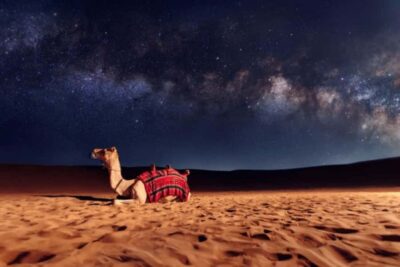
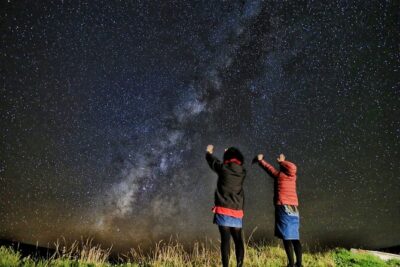
If you have ever looked up at city skies and thought the stars look… shy, this is a fix. Finca Astronómica is set up away from bright urban light, so the night sky has a real chance to show its depth. That matters more than people think. Seeing a faint nebula on a big screen is one thing; understanding how astronomers pull meaning out of faint light is another.
What you get is not just a lecture and then a telescope slot. The flow is built around transitions. Daylight arrival lets you settle in and explore. Sunset brings the calm. Once it’s dark enough, the universe becomes the main event.
It helps that the experience is offered in different formats. You can find a family night with relaxed, educational energy, or an adult-only night for a quieter, more contemplative vibe. Private tours are also available for couples, families, or groups when you want the pace to feel more personal.
Getting There and Figuring Out the Right Start Time
Plan around a real-life farm meeting point. You do not get picked up. You meet at the finca itself, which is described as a lone place by the road surrounded by vegetable fields. The best move is to plug in Finca Astronomica in Google Maps and navigate directly.
Timing is another thing to treat seriously. The listed start time changes by season, and the real start can fall later than the average. The guidance is that real start time is between roughly 4 and 8 pm depending on the season. Also, do not arrive early: the finca stays closed until the official start.
Here is how I’d handle this as a planner. Aim to arrive right at the start window for your date, not before. If you think you might be late, message the operator so they can tell you what they can do. When the sky is changing by the minute, late arrivals can lose important dark-sky time.
Your First Hour: Self-Guided Finca Time and a Safety Briefing
Before the telescopes, you start with a mix of freedom and orientation. You’ll have time to enjoy the finca at your own pace, then you’ll get a safety briefing before the night turns fully astronomical.
This matters because it sets your mindset. People often show up expecting only star viewing. Here, you also get to appreciate the place itself: gardens, common areas, and a working-life feel with animals. That first stretch helps you settle in before it gets cold, dark, and quiet.
A practical tip: wear comfortable shoes. You’ll be walking around outdoors before darkness, and later you’ll want to move easily in the observation phases. Outdoor clothing is also smart because the temperature can drop quickly once the sun is gone.
The Finca Walk: Gardens, Animals, and Interactive Off-Grid Learning
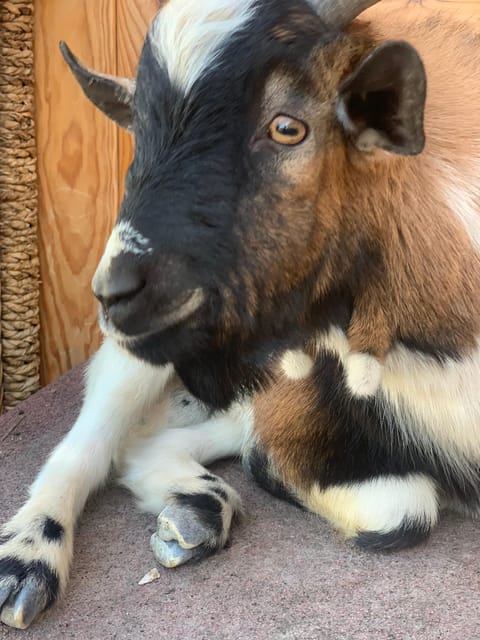
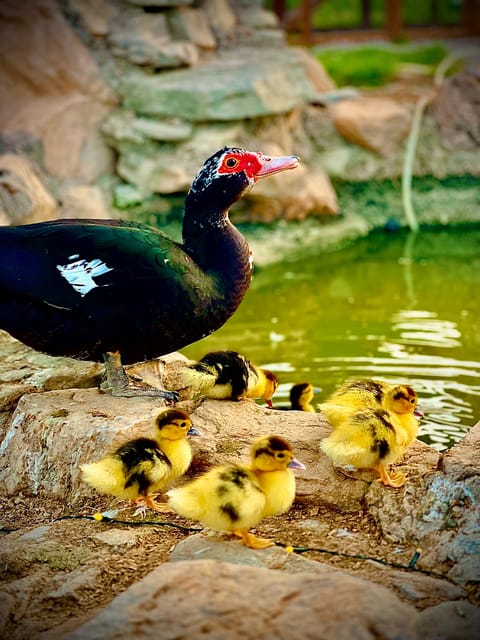
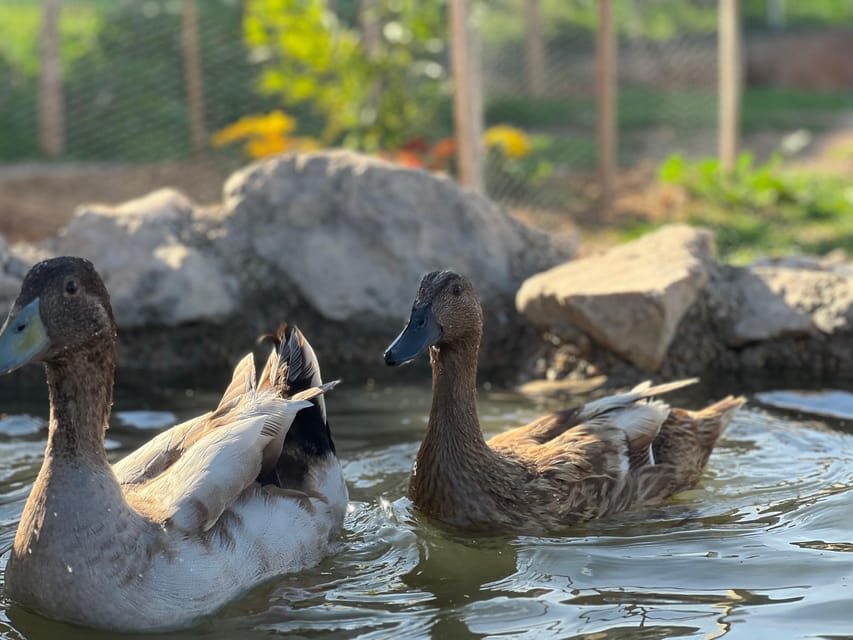
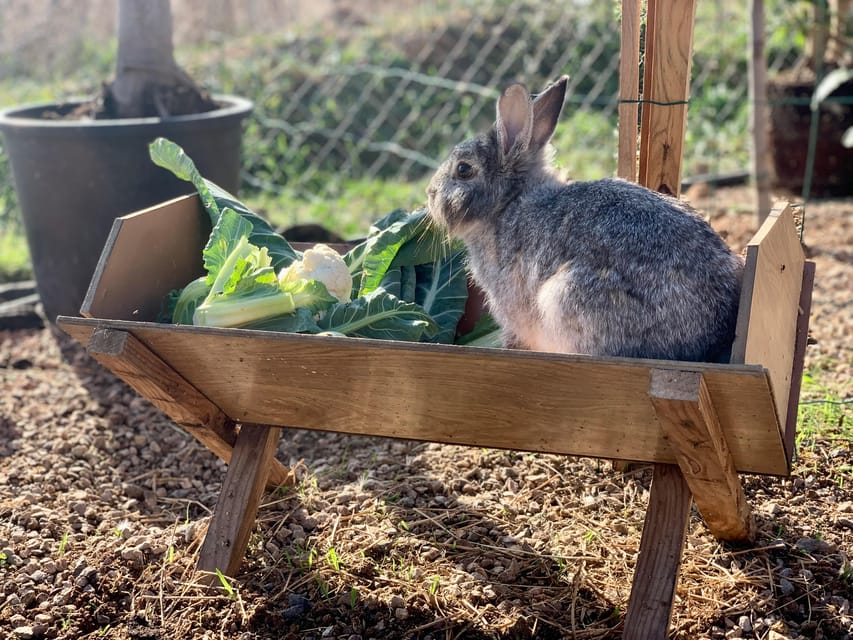
One reason this night feels grounded is how much time you spend in nature before the formal astronomy starts. The finca includes gardens and animals, plus interactive information boards and a digital guide webpage. It is not just decoration; it’s there to explain local nature and even off-grid systems that keep the finca running.
That kind of in-between learning is underrated. You go from bright-day imagination (what is out there?) to nighttime reality (how does this place stay functional without relying on city power and light?) without feeling like you’re stuck in a classroom.
A few notes you should take seriously from the experience rules:
- There are animals on-site, including cats and dogs, and you should not attend if you have animal allergies.
- The space is protected natural space, so you’ll need to respect quiet behavior and avoid disruptions.
- You are not allowed to feed animals.
If you like learning that is slightly unexpected, this finca part delivers. It also helps families handle the long-ish evening better than a straight telescope-only schedule.
Coffee, Tea, and Dinner: The Evening’s Fuel (and Social Glue)
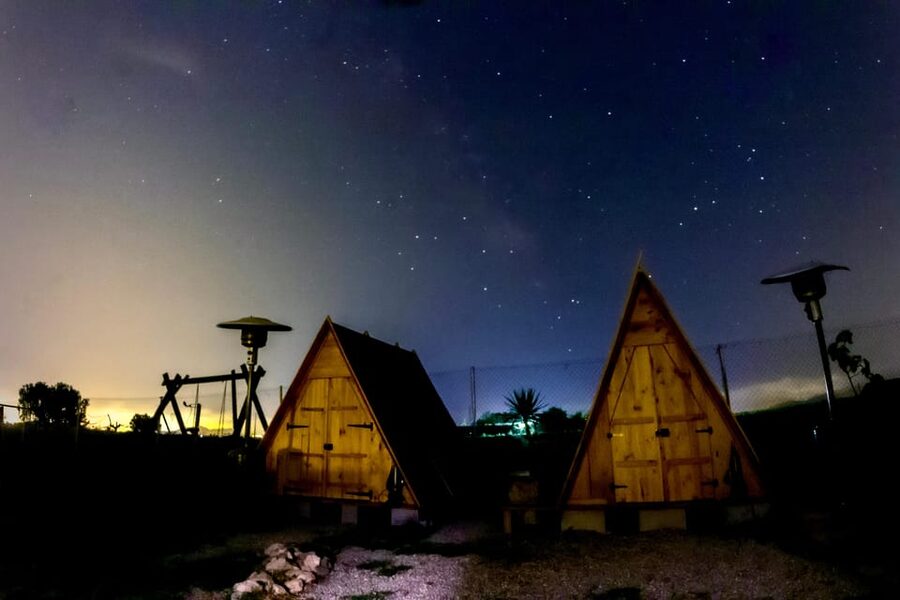
As the night settles, you move into coffee, tea, and dinner. Dinner is included, and you also get drinks with it. There is also a bar on-site, and additional drinks or snacks cost extra.
What I like here is how dinner functions like a warm buffer. Watching the sky can be a long patience game: darkness, waiting for clarity, and then multiple target changes. Eating earlier keeps energy up so you don’t fade halfway through the astronomy.
Dietary needs are handled in a way that makes planning easier. Special menus are available at no extra cost, but only if you request them in advance. If you have any restrictions, do not wait until you arrive. Send it ahead so they can make sure your meal fits.
The tone of dinner is part of the experience: you’re not just consuming food. You’re building group comfort around the big astronomy moment later, including chances for low-key games like billiards and darts.
The Astronomy Moment: Laser-Guided Tours, Live Imaging, and Explaining the Sky
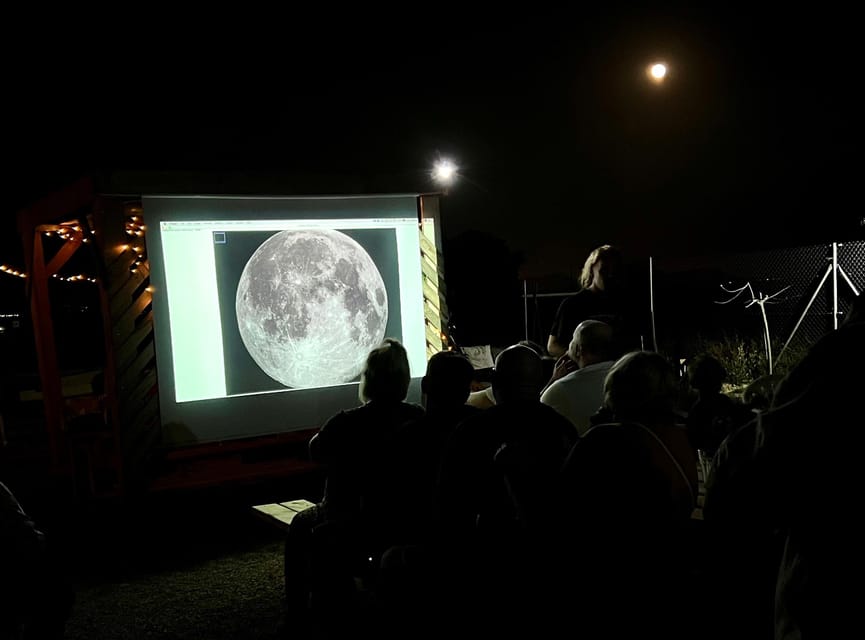
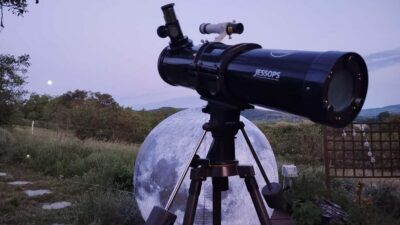
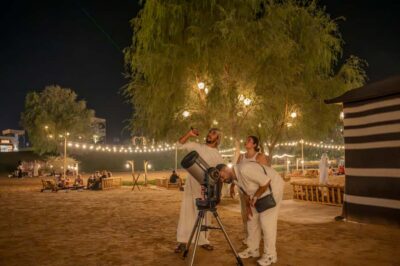
Once it gets dark, astronomy becomes the focus. This is not a simple one-target session. The guides use state-of-the-art telescopes and smart imaging technology, and you’ll also see live astrophotography sessions projected on a big screen. That combination is key if you do not have technical astronomy knowledge.
Here is why that approach works for most people:
- Telescopes show what your eyes can catch, but faint objects are hard to interpret.
- Live imaging helps you see details that would otherwise be invisible under typical conditions.
- The guide’s job is to translate: not just what you’re seeing, but how to read it like a sky map.
Depending on the season, you might observe different wonders. The program can include targets like Saturn and Jupiter with moons, star clusters, nebulae or galaxies millions of light-years away. The exact objects are chosen by astronomers based on astronomical and meteorological conditions, and the operator notes that if observations become impossible, you’ll get an alternative program.
That matters on nights with clouds. One review described still learning a lot even when clouds hindered telescope viewing. The takeaway for you: treat this as an astronomy night with a plan, not a guarantee of a specific object on a specific night. The value is in the guided understanding and the best-use of conditions.
Guided Classes and the Unhurried Flow Between Sessions
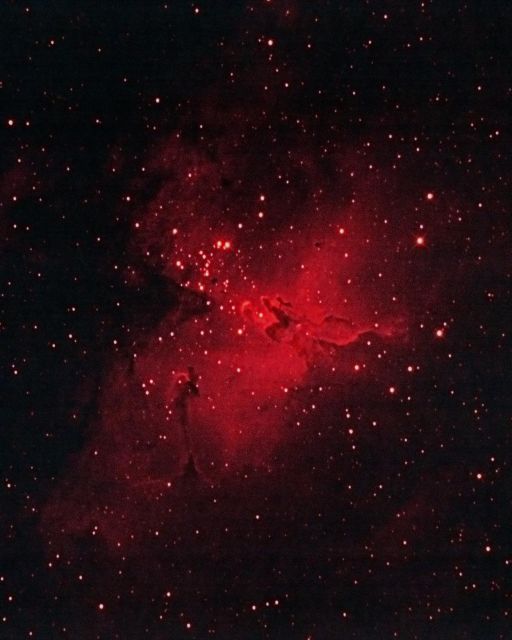
The schedule is designed with pauses. You’ll start with a short guided class, then move through free time, and later there’s a longer guided portion.
Those breaks are not wasted time. They help you adjust to the dark. They give you moments to step away, warm up, or watch the sky change without feeling rushed. For many people, the biggest challenge in astronomy is attention span once it’s dark and you’re standing still. These breaks lower the stress.
Also, free time gives you a chance to explore again within the finca setting, enjoy the bar area, or simply sit with the bonfire energy before the main observing deepens.
Telescopes Up Close: What You’re Actually Likely to See
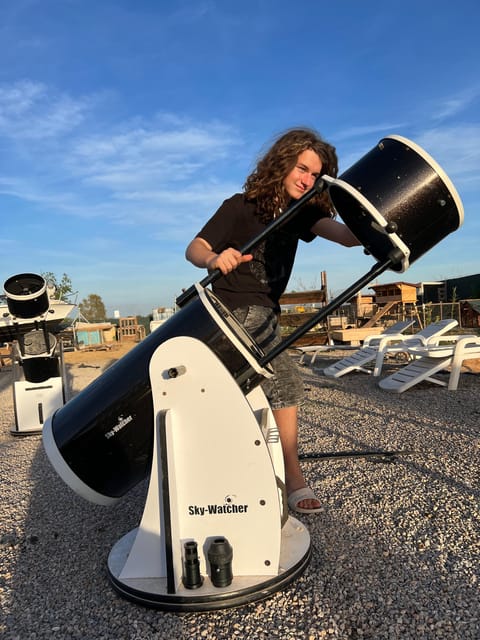
This is the part people come for. With powerful telescopes, you’ll experience the sky in a much more physical way than looking up from a balcony.
You can expect:
- A guided look at major targets for the season
- Time to peer through telescopes with the guide explaining what to look for
- Live astrophotography images on screen that connect to the eyepiece view
- A laser-guided sky tour element that helps you find objects in the dark
One standout detail from a review: there was a chance to take a photo of the moon with phones using one of the telescopes. Your odds depend on the guide’s workflow and what’s visible, but it’s a good reminder that the night is not only about looking. It’s about seeing enough to want to capture the moment.
A heads-up on group pacing. One criticism I noticed is that with larger groups, telescope access can involve waiting. If you’re the type who gets impatient, plan to treat it like a shared astronomy night rather than a fast individual viewing.
Bonfire Marshmallows: The Cozy Bridge Between Science and Silence

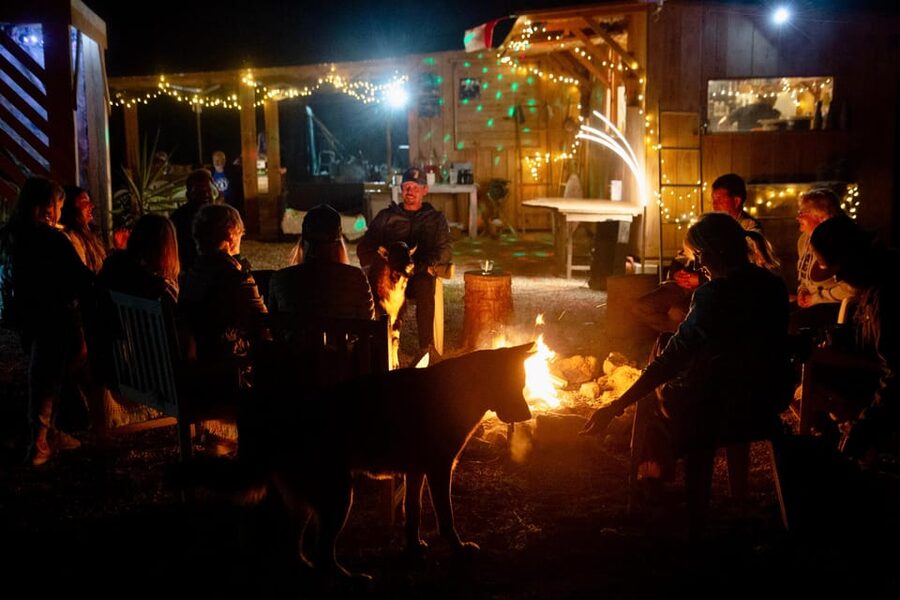
You’ll spend time around a bonfire with marshmallows. This is a simple activity, but it works because it turns waiting into warmth instead of frustration. When the sky is dark and your body is alert but chilly, the bonfire becomes the reset point.
It’s also when stories and casual conversation happen. You’re in a small community gathered for the same sky, which can make the night feel more human and less technical.
Just remember the rules: no making fire beyond what’s provided, no fireworks, and quiet respect for the natural space. Also, avoid flash photography in observation areas, since it can ruin dark adaptation for other people.
What to Pack and What to Do During the Night
Here’s the practical checklist you should trust more than wishful thinking.
Bring:
- Comfortable shoes
- Comfortable outdoor clothes
- Outdoor layers (it gets colder after sunset)
- Personal medication
And in the moment:
- Plan to avoid noise during observing phases
- Do not use flash photography
- Do not bring a flashlight (the rules explicitly say no flashlights)
- Keep distractions down so you can actually enjoy the sky
Some things you should not expect:
- You cannot bring outside food or drinks.
- Weapons or sharp objects are not allowed.
- Strong fragrances and intoxication are not allowed.
If insects are a concern, note that the experience is not suitable for people with insect allergies.
Price and Value: Is $61 Good for 5 Hours?
For about $61 per person, you are paying for more than a telescope rental. You’re paying for dark-sky access, trained astronomy guidance, and the equipment workflow that turns faint light into something you can understand. You also get dinner with drinks, marshmallows at the bonfire, and photos taken during the tour (posted on a fan page only if you agree to it).
Here’s how I’d judge value in real terms:
- The telescope time is paired with live imaging and explanations, which makes the experience educational, not just scenic.
- You’re getting a full evening with food, warm social time, and multiple guided components, not a quick 60-minute show.
- The program can adjust if skies don’t cooperate, so you’re not completely stuck if weather changes.
Potential value trade-off: group size. If the group is big, your time at the eyepiece can feel slower. The guide can still make it satisfying, but it changes the feel.
Who Should Book This Astronomy Night (and Who Might Feel Miserable)
This experience is a strong match if you want:
- Guided astronomy with clear explanations
- A destination night in nature, not a city activity
- Telescopes plus live imaging so you can understand what you’re seeing
- A social, relaxed atmosphere with dinner and bonfire time
It’s also a good option for families who want learning without a rigid school vibe, since family nights have no age limit and are designed to be relaxed.
But you should think twice if:
- You’re a wheelchair user. The experience is not suitable for wheelchair users, and there is no wheelchair toilet available.
- You have animal allergies, or insect allergies.
- You have a cold. The rules mention it is not suitable for people with a cold.
- You expect guaranteed clear skies and a specific astronomical target. The program depends on meteorology and astronomy conditions.
On accessibility more broadly: it is stated that the finca is suitable for guests with limited mobility, and observations can be adapted so everyone can participate comfortably. If you have specific needs, I’d contact them ahead so they can confirm what adaptation will be possible for your situation.
Should You Book This Astronomy Night?
Yes, if you want a night that mixes dark-sky viewing, guided interpretation, and a real on-site evening meal. This is the kind of activity that pays off even if you are new to astronomy, because the live imaging and explanations turn random stars into a guided story.
If you hate waiting, you might feel the downside of group sizes at telescope stations. In that case, consider a format that can feel smaller, like an adult-only night or a private tour (private tours are available Sunday to Thursday). And if you are traveling with kids, plan for supervision—there’s no childcare or animation, and disruptive behavior can lead to removal without refund.
If your main goal is a quick, purely observational show with zero downtime, this may feel longer than you want. But if your goal is to leave with a better understanding of the sky—and a memory of a night that feels genuinely outside the city—this finca setup is a smart bet.