REVIEW · ISLAND OF HAWAII
Mauna Kea: Stargazing Experience with Free Photos
Book on GetYourGuide →Operated by Epic Tours Hawaii: Big Island Adventures · Bookable on GetYourGuide
Mauna Kea nights can feel magical, but this tour makes them usable with a remote dark-sky location and real astro-photography. You meet James near the Epic Tour 4×4 van, grab a parka jacket, then head away from the usual roadside stargazing setup to a secluded spot on the slopes of Mauna Kea.
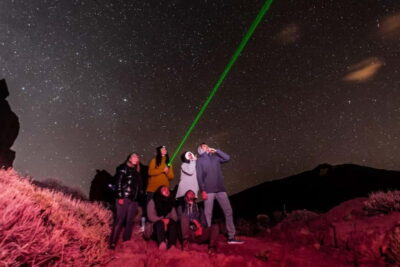
What I like most is the combination of guided sky-watching and the photo work. James (an Analog-Astronaut who works in association with NASA) uses a green laser to help you find constellations, planets, and other space objects, while Dylan helps with the hands-on hosting energy and the astro-photo setup. The other win is that you’re not just standing around hoping the sky is photogenic. You pose with the stars behind you, and you get a small set of edited images after the tour.
One thing to consider: this experience is not suitable for people with certain medical conditions or mobility limits, and it includes standing outside in cold high-altitude conditions.
In This Review
- Key details that make this Mauna Kea stargazing tour different
- Mauna Kea stargazing without the roadside glow
- Meeting James and getting winter-ready on the mountain
- The green laser sky lesson (and why it works)
- Telescope time: seeing more than just points of light
- The astro-photo session: how you’ll look with the stars behind you
- Dark-sky photography is the real value here
- Who this Mauna Kea stargazing tour fits best
- Timing, meeting point shifts, and what to expect from the night
- Is it worth paying $299 for Mauna Kea stargazing with free photos?
- Should you book this Mauna Kea stargazing tour?
- FAQ
- How long is the Mauna Kea stargazing experience?
- Where do I meet the tour guide?
- What photos are included?
- Are higher-resolution photo upgrades available?
- What should I wear or bring?
- Is the tour wheelchair accessible or suitable for mobility issues?
- Is the tour guided in English?
Key details that make this Mauna Kea stargazing tour different
- Summit-style darkness away from the highway: you get access to a remote spot miles from busy roads, not a roadside turnout.
- James’s green laser “constellation GPS”: you’ll learn what you’re looking at instead of guessing.
- Telescope time with an astronomer-style presentation: you’re not only pointing at the sky; you’re seeing it explained.
- Pro astro-photos with free Lightroom touch-ups: you receive 2–3 medium-resolution photos, edited at no extra cost.
- Warm parka jackets (and likely extra cold-weather help): you’re geared for night on Mauna Kea, not just dressed and left to it.
Mauna Kea stargazing without the roadside glow
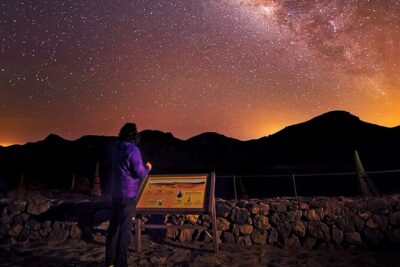
On the Big Island, a lot of stargazing tours sound similar on paper: go up, look up, take a few photos, call it done. The key difference here is where you actually go. Instead of stargazing from the side of a busy road near the highway, this tour takes you to a secluded spot on the slopes of Mauna Kea that’s described as being far from the usual traffic light problem.
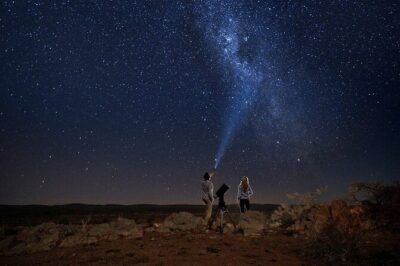
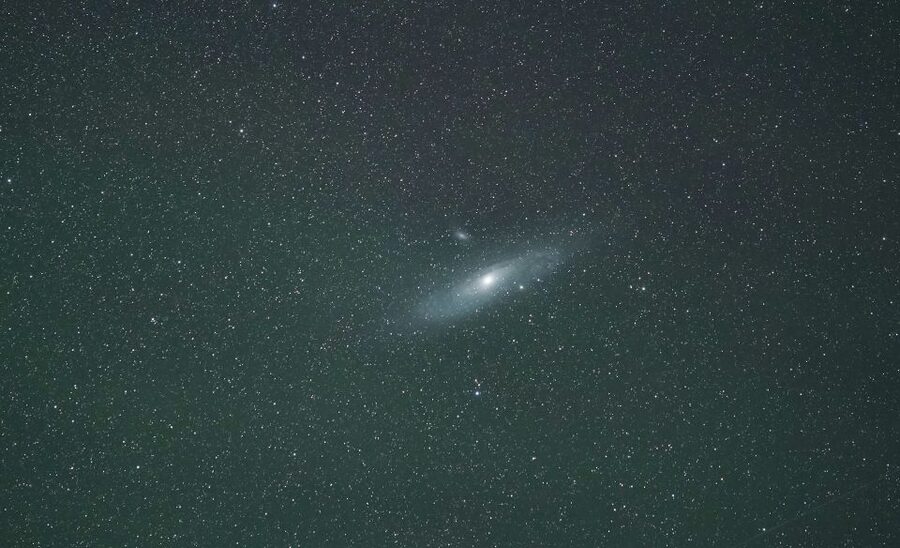
That matters because light pollution is the enemy of faint stars, delicate nebulae, and a clean Milky Way look. When you’re farther from highways and other bright sources, the sky goes darker in a way your eyes can actually use. You’ll still see the familiar “wow” sights, but you’ll also have a better chance at those smaller details that make astronomy feel real.
The tour also leans into the idea that stargazing should be fun for all ages. That’s not just marketing. When the sky is truly dark, it can be hard to know where to look. James’s guidance bridges that gap quickly, so kids, couples, and first-timers all end up with something they can point to and understand.
Meeting James and getting winter-ready on the mountain
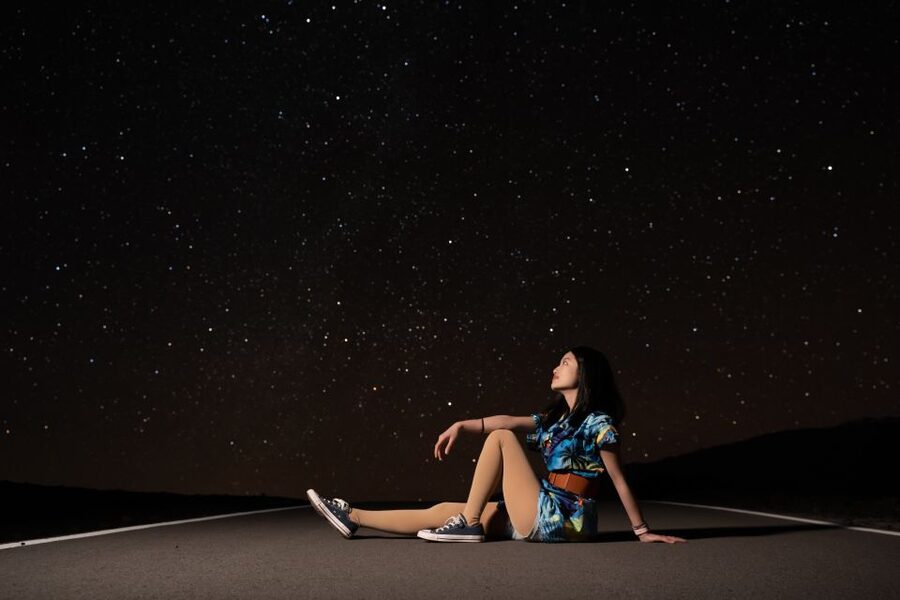
Your first job is easy: find James near an Epic Tour 4×4 van at the meeting point. One small heads-up is that the meeting location can shift by 5–15 minutes depending on weather and crowds, so don’t plan to be exactly on the minute at the listed spot.
Once you link up with the group, you grab a parka jacket before heading out. That’s a big value add. Mauna Kea can be cold, and stargazing is the kind of activity where you’ll stand still for long enough that temperature becomes a real factor. The tour is built around that reality.
What you should bring (and what you should not bring) is straightforward:
- Wear long pants.
- Wear closed-toe shoes.
- Shorts aren’t allowed.
It’s also smart to dress like you’re going somewhere cold and windy, because you are. The tour does provide warm jackets, but your own layers help you stay comfortable enough to enjoy the whole session instead of constantly adjusting clothing.
The green laser sky lesson (and why it works)
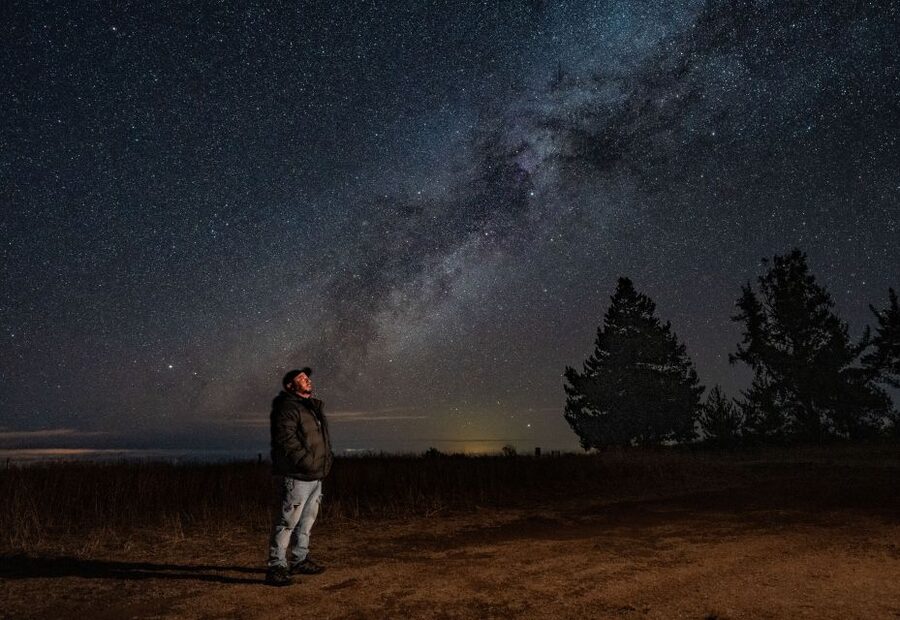
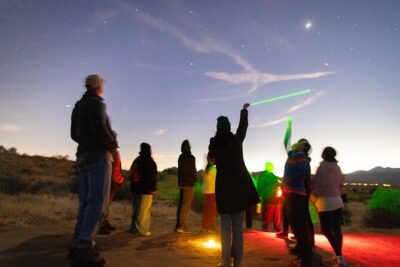
When you arrive at the stargazing spot, the night turns into a guided experience. James uses a green laser to point out constellations, planets, and other space objects. The laser is a simple tool, but in practice it’s huge for first-timers. You can’t follow the sky well when you don’t know what direction to face or how to connect the dots.
Here’s what you can expect from the lesson:
- A guided route through the sky, so your eyes don’t wander randomly.
- Clear landmarks (constellations and planet locations) that make the night feel “mapped.”
- A chance for fast-moving shooting stars if conditions cooperate.
The pacing matters. You’re not stuck listening the whole time. The laser pointing and sky explanations set you up for the next part: the fun, photo-friendly posing where you’re using the stars as your background.
Telescope time: seeing more than just points of light
After the laser-guided orientation, you get an astronomer-style presentation with a telescope. That changes what stargazing feels like. Without a telescope, many objects look like tiny points and it’s easy to think you missed something. With telescope time, you get proof that what you’re seeing is more than a vague dot.
The tour’s goal isn’t complicated astronomy jargon. It’s about helping you connect your first impressions to real viewing: what you’re pointing at, why it matters, and how the telescope view differs from naked-eye sky watching.
If you’ve ever looked up and felt like you were seeing only the brightest things, telescope time is where the experience evens out. You’ll get a more satisfying view of the night sky and a better understanding of what’s going on.
The astro-photo session: how you’ll look with the stars behind you
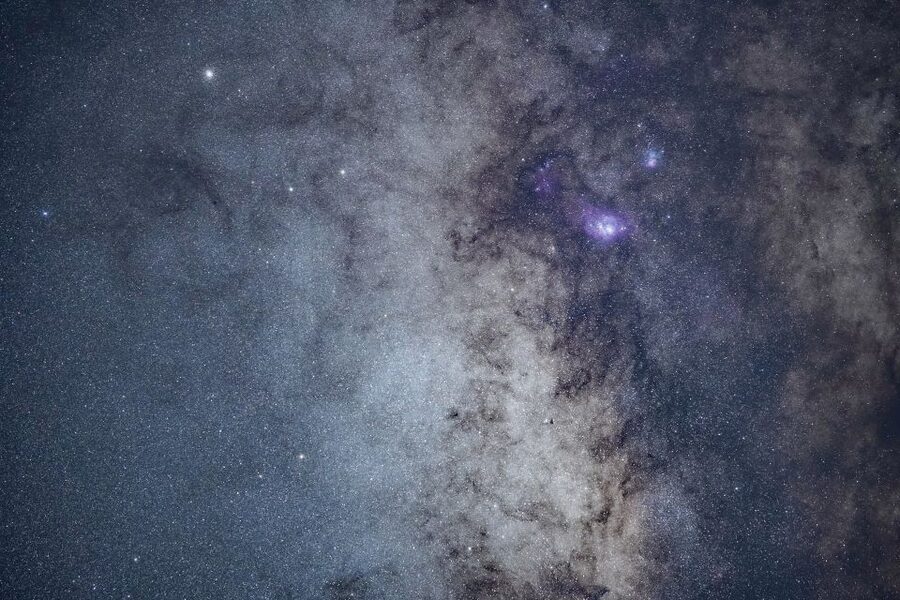
Everyone’s favorite part is usually the same on these tours: the moment you stop thinking about astronomy and start thinking about photos. This tour makes it easy because you don’t have to do the full “selfie in the dark” routine.
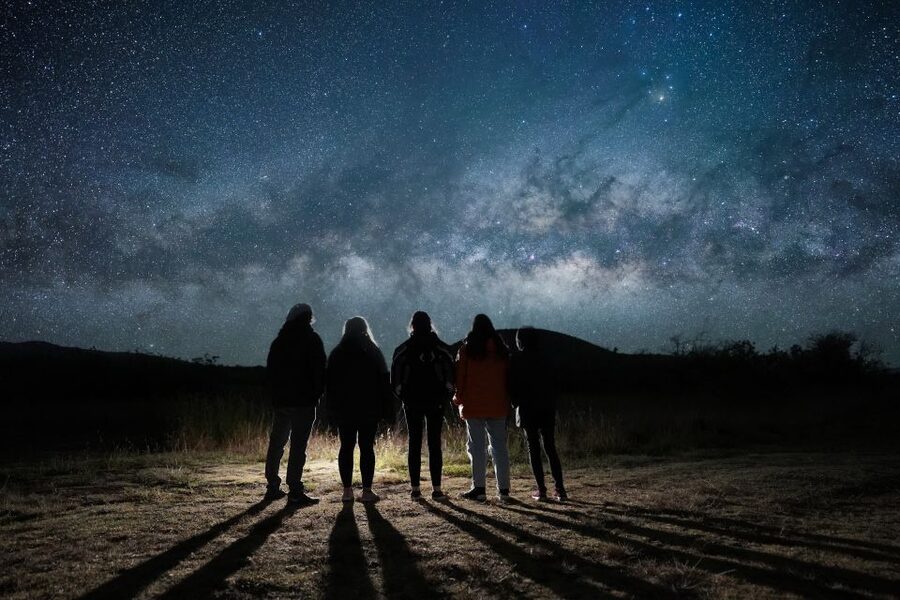
You’ll pose for astro-photos with the stars in the background. At the same time, James also takes photos of some of the best objects in the sky using an astro-modified camera and lens. That’s important because it means your photos aren’t limited to what your phone can pull out of darkness.
Then you get the payoff after the trip:
- 2–3 photos are sent to you after the experience.
- They’re medium-resolution.
- They get Lightroom photo-editing at no extra cost.
There are optional upgrades if you want more detail:
- $99 for a high-resolution photo upgrade
- $199 for an ultra high-resolution photo upgrade
I like that the base experience includes edits and delivery. Most stargazing tours treat photos as an afterthought or a paid add-on. Here, you start with a guaranteed photo set and can decide later whether you want the higher-resolution versions.
Dark-sky photography is the real value here
At $299 per person for a two-hour outing, the big question is value. Yes, you’re paying for transportation to a specific remote area and for guided astronomy time. But the strongest part of the value is the combination of access + photography + editing.
Think about what you’re buying:
- Access to a remote dark-sky location (not roadside stargazing).
- A guided experience that teaches you what you’re looking at, so you can enjoy the night instead of just waiting for it.
- A pro astro-photographer setup that captures sky objects with an astro-modified camera/lens.
- You leave with a small set of free edited photos, not just memories.
Even if you don’t upgrade to high-resolution images, you still get a polished souvenir from one of the darkest-sky regions on Earth. And that’s the part that makes the price feel less like a “tour fee” and more like buying a finished product: you’ll actually have images you can share and keep.
Who this Mauna Kea stargazing tour fits best
This experience is built for a wide range of ages, and the hosting style (James, plus Dylan’s support) seems designed for people who want a good night even if they’re not astronomy nerds.
You’ll likely be happiest if you:
- Want the stars explained (laser pointing + telescope presentation).
- Care about getting photos that don’t look like blurry dots.
- Enjoy cold-weather adventures when you’re properly bundled.
Where you should pause and plan carefully is health and mobility. This tour is not suitable for:
- People with back problems
- People with mobility impairments
- Wheelchair users
- People with heart problems
- People with respiratory issues
- People over 264 lbs (120 kg)
- People with pre-existing medical conditions
That’s not just legal caution. Stargazing here involves standing on night terrain up on Mauna Kea, so comfort and safety come first. If any of those categories apply to you, you should skip this one and look for a less physically demanding alternative.
Timing, meeting point shifts, and what to expect from the night
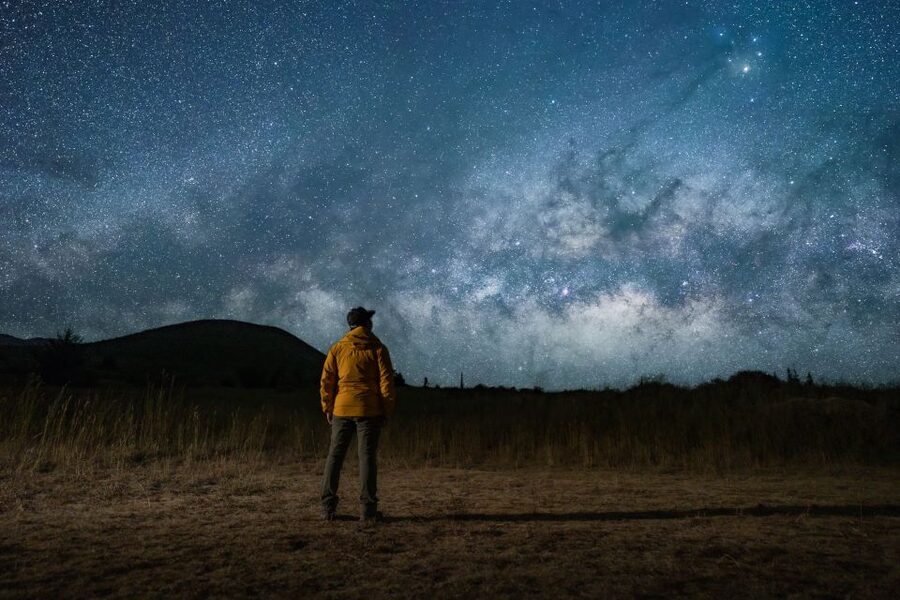
The tour runs for about 2 hours. Since it’s night sky viewing, timing is sensitive to darkness and conditions. That also explains why the meeting point might shift 5–15 minutes from what you’re given.
Weather matters too. The sky experience depends on visibility. If conditions turn, a cancellation can happen. Still, the way the guides handle communication seems to be a strength of the operation, with clear updates when plans change.
If you book, treat the night like an appointment with the sky. Come ready, dress for cold, and be flexible if you get a different meeting location on the night.
Is it worth paying $299 for Mauna Kea stargazing with free photos?
Here’s my practical take on the $299 price tag. For two hours, you’re paying for three things that are expensive to do well on Mauna Kea:
- Getting you to a remote, dark-sky spot where light pollution is minimized.
- Paying for guided astronomy and telescope time.
- Delivering photo results: 2–3 edited medium-resolution photos taken with astro gear.
Many tours “include” photos that are really just a handful of phone shots. This one includes a photo approach built for night sky results and includes Lightroom touch-ups for the images you receive. That’s a real difference.
Also, you have options. If you want extra detail, you can pay for high-resolution or ultra high-resolution upgrades. If you don’t, you still get images with editing.
So, yes: for couples, families, and anyone who wants a high-quality souvenir with actual sky details, I think it’s good value. If you’re expecting a long tour, a fancy meal, or a daytime itinerary, this isn’t that. This is two hours of night sky focus.
Should you book this Mauna Kea stargazing tour?
Book it if you want:
- Remote dark skies rather than roadside viewing
- A guided, not guessing-only, approach with James’s green laser
- Telescope time and a clear “what you’re looking at” explanation
- Free edited astro-photos after the tour
Skip it if:
- Any of the listed medical conditions or mobility limitations apply to you
- You dislike standing outside in cold night air
- You only want a quick look and don’t care about learning the sky or getting real astro results
If you’re on the Big Island and you want one night sky experience that mixes comfort (parka jackets), guidance, and photos you’ll actually want to keep, this is the kind of tour that makes the time feel worth it.
FAQ
How long is the Mauna Kea stargazing experience?
It lasts about 2 hours.
Where do I meet the tour guide?
Look for James near an Epic Tour 4×4 van. The meeting point might change to an alternate location about 5–15 minutes away depending on weather and crowds.
What photos are included?
You receive 2–3 medium-resolution photos taken during the experience. They are edited with Lightroom at no extra cost.
Are higher-resolution photo upgrades available?
Yes. A $99 high-resolution upgrade and a $199 ultra high-resolution upgrade are available.
What should I wear or bring?
Bring long pants and closed-toe shoes. Shorts are not allowed. The tour provides parka jackets.
Is the tour wheelchair accessible or suitable for mobility issues?
No. It is not suitable for wheelchair users or people with mobility impairments.
Is the tour guided in English?
Yes, the live tour guide provides the experience in English.