REVIEW · GRAN CANARIA
Las Palmas: Sunset & Night Sky Guided Astronomy Hiking Tour
Book on GetYourGuide →Operated by RockNatour · Bookable on GetYourGuide
Stars over Tejeda feel close. This sunset-to-night-sky guided hike on Gran Canaria takes you up the Camino de Santiago de Gran Canaria and to Ventana del Nublo for big views as the sky darkens.
I especially like that the tour doesn’t just point things out. You learn the basic astronomy concepts so you can spot constellations, planets, and the Milky Way on your own. The main catch is simple: you’ll need your own car to reach the meeting area.
In This Review
- Key Things That Make This Tour Worth Your Time
- From Camino Trails to Ventana del Nublo: The Big Idea
- Where You’ll Start and How the Timing Usually Works
- The Trek Portion: Forest Footsteps as the Sky Turns Black
- The Ventana del Nublo Stop: Sunset Views With Astronomy Lessons
- After Sunset: Snacks, Hot Drinks, and the Night-Sky “How To”
- Learning the Sky Without a Telescope (And Why That Matters)
- What I’d Watch For: The Main Trade-Offs
- Comfort and Small-Group Feel: Why It Doesn’t Feel Rushed
- Price and Value: Is $68 Reasonable for 3 Hours?
- Who This Tour Fits Best (And Who Might Prefer Something Else)
- Quick Tips Before You Go
- Should You Book Las Palmas Sunset & Night Sky Astronomy Hiking?
- FAQ
- FAQ
- What is the duration of the Las Palmas Sunset & Night Sky Guided Astronomy Hiking Tour?
- How many people are in the group?
- What language is the guide in?
- Where do I meet the group?
- Is there a transfer provided to the meeting point?
- Does the tour use telescopes?
- What astronomy viewing and learning is included?
- What snacks and drinks are provided?
- What should I bring for the hike?
- What happens if weather conditions are bad?
Key Things That Make This Tour Worth Your Time
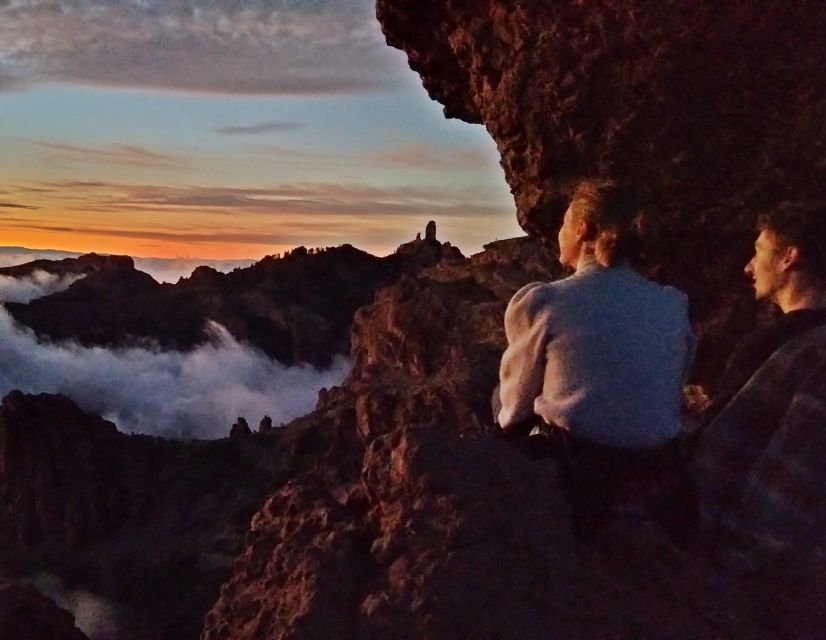
- Sunset at Ventana del Nublo with views toward Roque Nublo and Teide
- A clear, beginner-friendly astronomy approach (no telescope required)
- A small group capped at 10 for a more personal guide experience
- Night-sky breaks with snacks and hot drinks, plus a hammock and blanket
- Walking through the shift from day to night along the forest route
From Camino Trails to Ventana del Nublo: The Big Idea
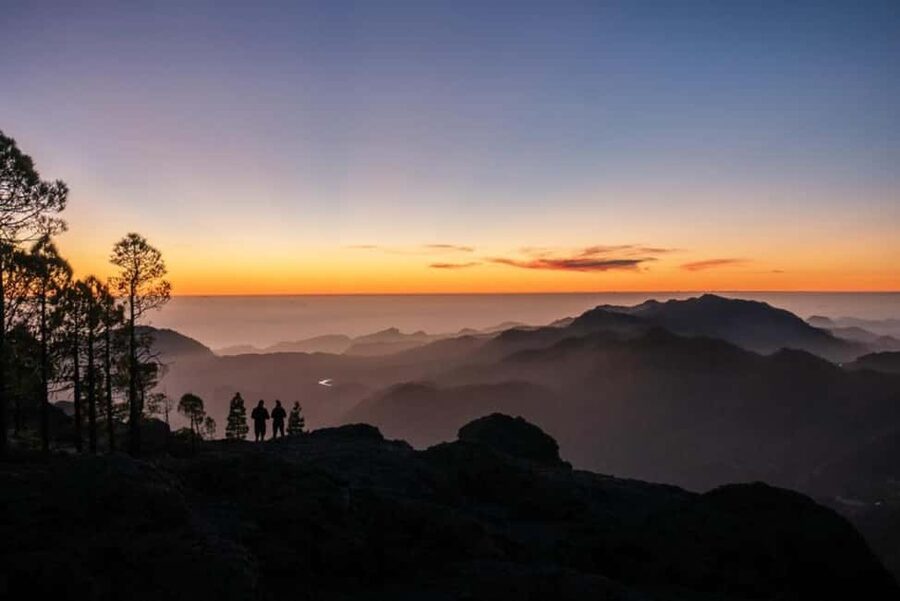
This isn’t a “stand in one spot and look up” stargazing night. It’s a walking tour that starts with daylight and ends with real dark-sky viewing, so you watch the world change in real time. You’ll trek along the Camino de Santiago de Gran Canaria, then reach the Ventana del Nublo viewpoint in Tejeda to watch the sunset before the stars show up in full force.
That day-to-night flow is what makes this feel special. You’re not just trying to catch a glimpse between clouds. You’re building an understanding of what you’re seeing, step by step, as the sky darkens.
And for the practical-minded: it’s short. At 3 hours total, you can fit this into a Gran Canaria itinerary without sacrificing your whole evening.
You can also read our reviews of more tours and experiences in Gran Canaria.
Where You’ll Start and How the Timing Usually Works
The tour is listed as 3 hours, with starting times depending on availability. You meet at the campground area, and you can park there. The activity ends back at the same meeting point.
A small-group format matters here. With up to 10 participants, you get more attention as the guide teaches you how to identify what’s overhead. It also means you’re less likely to spend the night separated into a clump of strangers all doing their own thing.
One more thing to know upfront: the activity can change its date or meeting point depending on weather conditions. That’s not a flaw; it’s the operator trying to chase the best conditions for stargazing.
The Trek Portion: Forest Footsteps as the Sky Turns Black
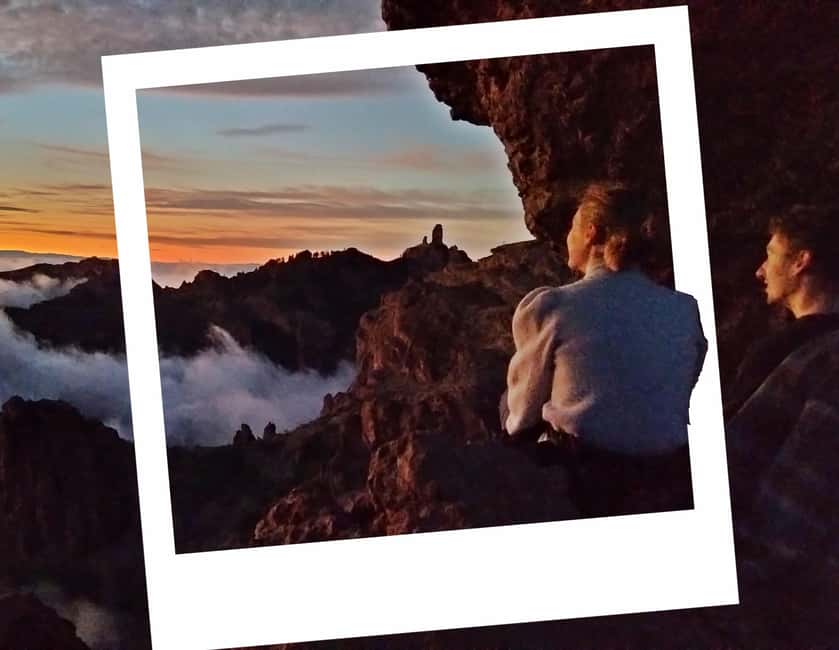
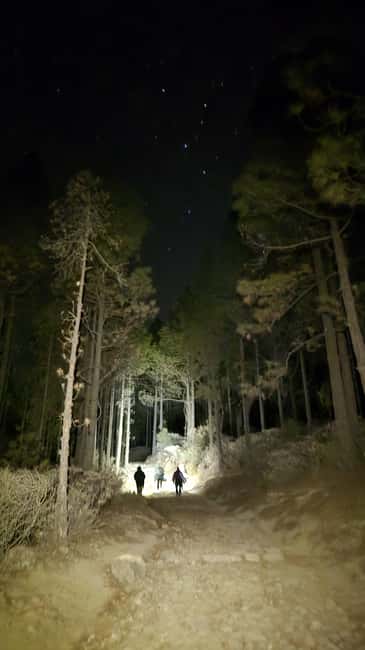
You’ll begin on the route through the Camino de Santiago de Gran Canaria, and the experience includes walking through a forest area where day fades into night. That gradual transition does two helpful things for you.
First, you’re moving enough to stay comfortable, which matters when you’re about to stop and look upward for a while. Second, the guide can time the astronomy teaching to the sky becoming visible, so the learning doesn’t feel random.
This is also where your footwear choice counts. Bring hiking shoes, not soft slip-ons. You’ll want sure footing in the dark.
The Ventana del Nublo Stop: Sunset Views With Astronomy Lessons
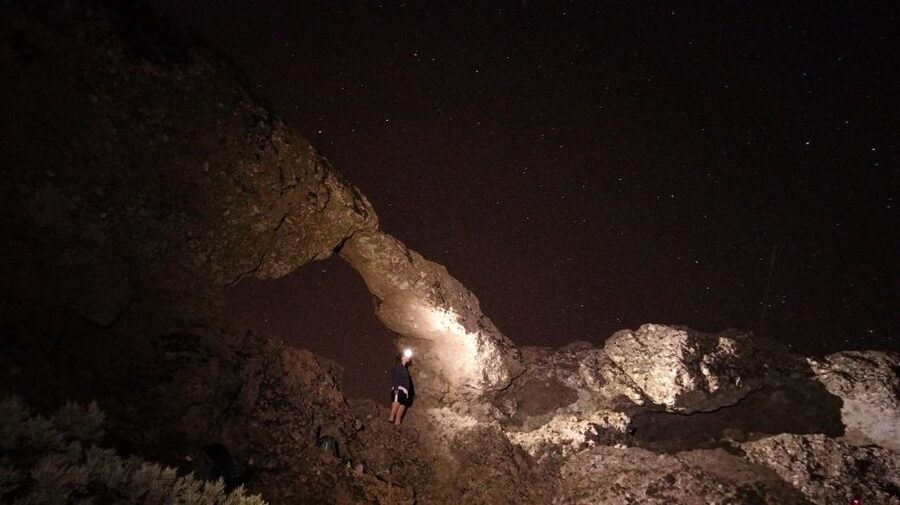
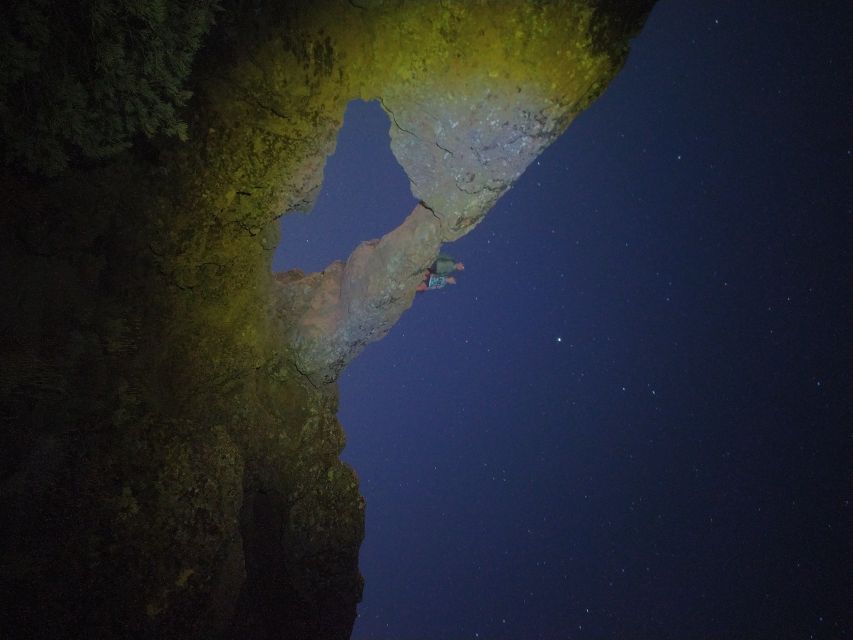
The “wow” moment arrives when you reach Ventana del Nublo in Tejeda. This is an iconic viewpoint, and you’ll watch the sunset with views of Roque Nublo and Teide while your guide explains the basics of astronomy.
What I like about this setup: the astronomy lesson has a real anchor. You can tie ideas like how the sky is organized to what you’re already seeing at the horizon, not just to diagrams.
The guide also helps you get comfortable with the idea that there’s a pattern in the sky. Once you understand that, it gets easier to identify constellations and planets without relying on a telescope.
After Sunset: Snacks, Hot Drinks, and the Night-Sky “How To”
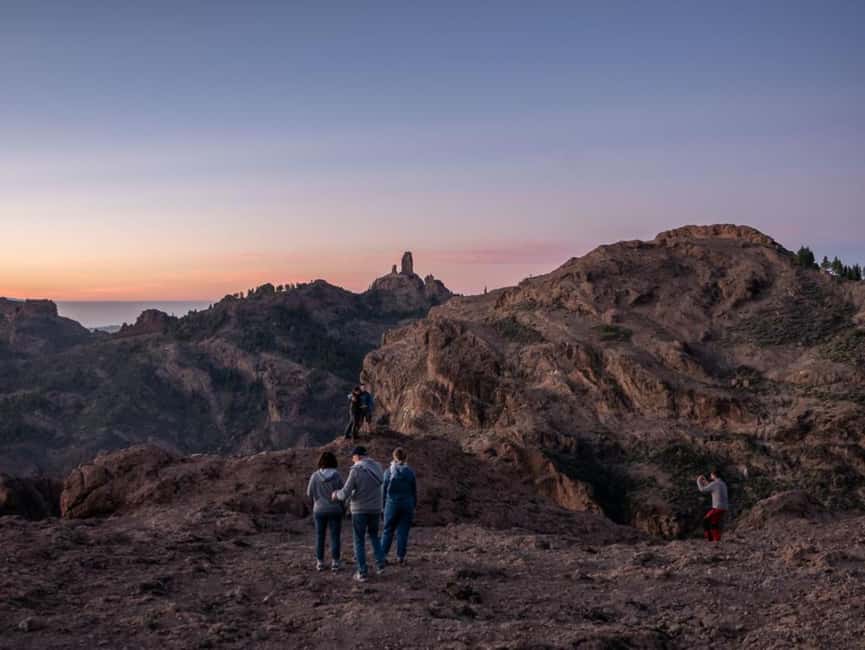
Once the sun is gone, you shift into stargazing mode. This is where the tour’s included gear and teaching style come into play.
You’ll have:
- Binoculars
- A screen used to explain astronomy concepts
- Snacks and hot drinks
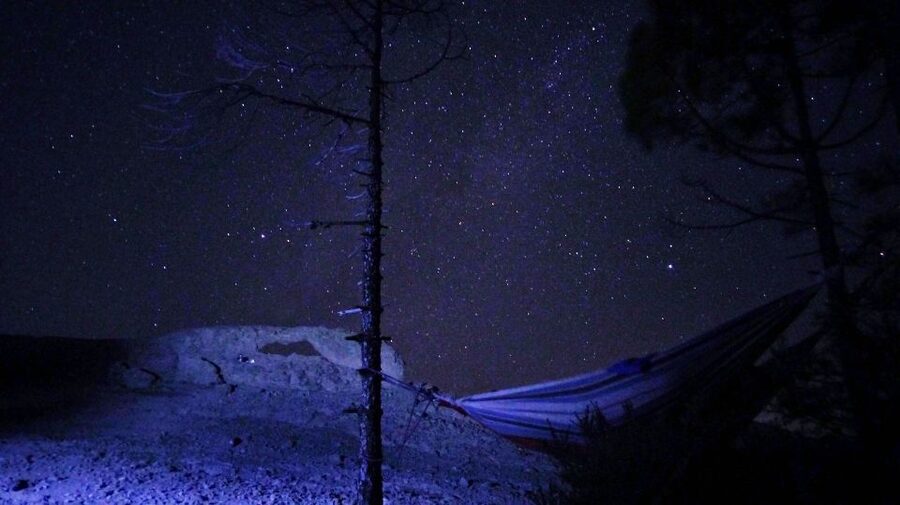
- A hammock and blanket for comfort while you observe
The food isn’t a throwaway detail. It makes a difference because you’re going to be outside and looking up for stretches. Having something warm to drink helps you stay present instead of rushing to leave.
The viewing focus includes:
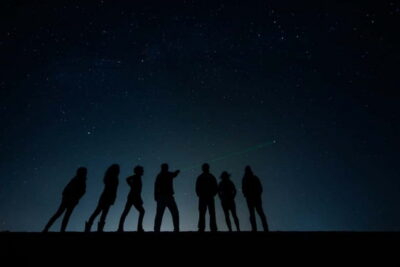
- Identifying constellations
- Learning about planets
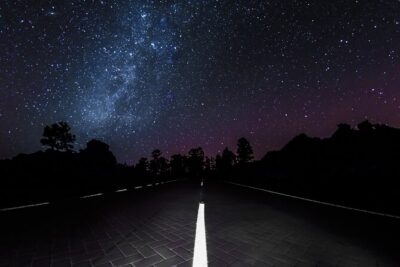
- Spotting the Milky Way
- Practicing how to interpret what you see so you can enjoy the night sky on your own later
The key word here is “practice.” You’re not just being shown pictures. You’re being taught what to look for and how to connect it to real spots in the sky.
Learning the Sky Without a Telescope (And Why That Matters)
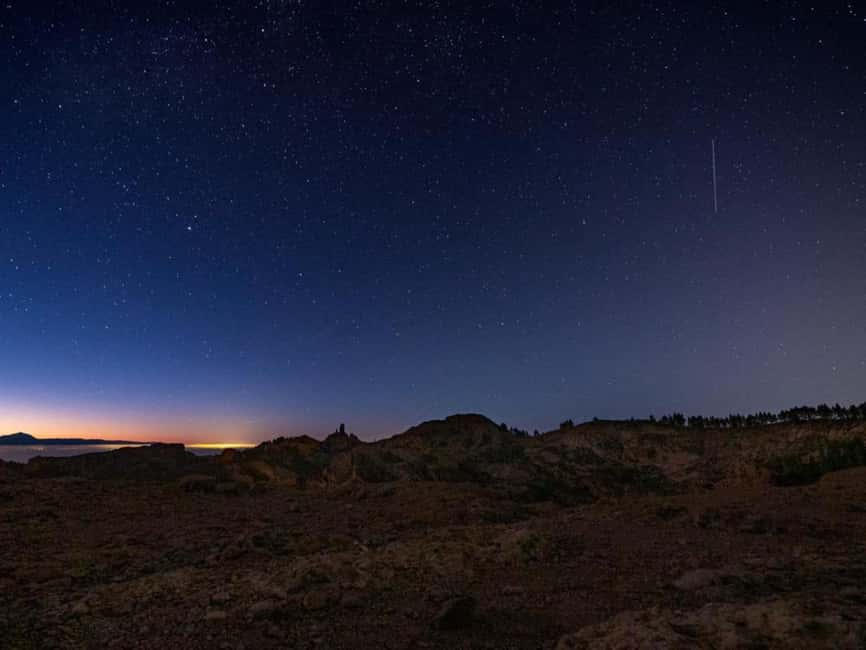
A lot of stargazing tours rely on telescopes. This one doesn’t. Telescopes are not used, so you’ll learn with what most people already have: eyes, patience, and a bit of guidance.
That’s a big deal for value. If you come home thinking, great, I saw stars once, but you don’t know what you were looking at, it fades fast. Here, the goal is different: you learn the basics of astronomy so you can identify things again on future nights, even without fancy equipment.
If you want a night out that also leaves you smarter, this approach is exactly the right match.
And based on real guide feedback from the Pablo experience shared by past participants, the explanation style is a standout. People specifically mention the guide’s ability to explain things clearly, plus the fact that the snacks and drinks go beyond expectations.
What I’d Watch For: The Main Trade-Offs
This tour is built around a specific place and time of day. That comes with a few considerations.
- No telescope use
If you’re expecting a tech-heavy observing session, you may feel it’s more educational and less gadget-driven.
- The car requirement
Transfer isn’t available, and public transport doesn’t work in these zones. If you don’t have your own vehicle (or a reliable plan with one), you’ll struggle with logistics.
- Warm clothing is essential
You’re in the Canary Islands, but it’s still nighttime outdoors. Bring warm layers and plan for cool conditions.
None of these are deal-breakers, but they’re the real decision points.
Comfort and Small-Group Feel: Why It Doesn’t Feel Rushed
A small group of 10 participants helps you feel like this is a guided learning evening, not a mass event. You also get time to ask questions when the guide is teaching you how to read the sky.
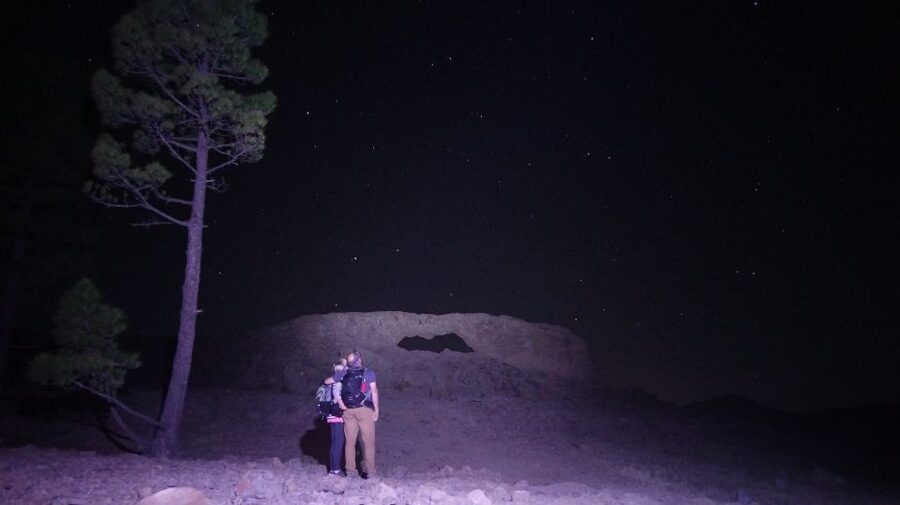
The included hammock and blanket also changes the vibe. Instead of standing with cold hands and a sore neck, you can settle in while you watch the Milky Way and follow the guide’s pointing and explanations.
And that hammock/blanket comfort pairs well with the timing. If the clouds roll in or conditions shift, staying comfortable makes it easier to adapt instead of losing the mood.
Price and Value: Is $68 Reasonable for 3 Hours?
At $68 per person for a 3-hour guided experience, you’re paying for several things that add up fast:
- An English-speaking live guide focused on astronomy instruction
- A small-group setting
- Included equipment like binoculars and a screen
- Outdoor viewing support like blankets and a hammock
- Snacks and hot drinks
What’s not included is just as important: transfer to the meeting point and telescopes. So the true cost for you depends on how you’ll get there. If you already have a car, the $68 starts looking like a solid deal. If you need to solve transport, the overall expense can rise.
Still, for the “learn + watch + snack + small group” combo, it holds up well.
Who This Tour Fits Best (And Who Might Prefer Something Else)
This tour is a strong match if you:
- Want stargazing with context, not just a look-up moment
- Like walking and changing scenery as the day turns to night
- Are a couple or small group who prefers calm, focused attention
- Enjoy learning from clear, structured explanations (Pablo’s feedback in past experiences is a good sign)
You might think twice if:
- You don’t have a car and don’t want to build one into your schedule
- You’re expecting a telescope-led astrophotography session
- You dislike short hikes or being outside after dark (in warm layers, of course)
Quick Tips Before You Go
- Bring warm clothing. Night air can surprise you.
- Wear hiking shoes. The route includes forest hiking conditions, and you’ll be outside at low light.
- If weather shifts, be ready for a date or meeting point change to improve the conditions.
- Expect a friendly, educational format: you’ll learn enough to keep using your eyes at home.
Should You Book Las Palmas Sunset & Night Sky Astronomy Hiking?
Yes, if you want a guided night on Gran Canaria that teaches you how to enjoy the sky again later. The best part is the structure: sunset at Ventana del Nublo, then hands-on identification of constellations, planets, and the Milky Way—done without telescopes, but supported with binoculars, a screen, and comfort extras like blankets and hot drinks.
Book it if you can handle a short nighttime hike and you have a car plan. Skip it only if you expect telescope viewing as the main event.
FAQ
FAQ
What is the duration of the Las Palmas Sunset & Night Sky Guided Astronomy Hiking Tour?
The tour lasts 3 hours.
How many people are in the group?
The group is limited to 10 participants.
What language is the guide in?
The live tour guide speaks English.
Where do I meet the group?
You meet at the campground area. You can also park there.
Is there a transfer provided to the meeting point?
No. Transfer is not available, and you need your own car because public transport doesn’t work in these zones.
Does the tour use telescopes?
No. Telescopes are not used in this activity.
What astronomy viewing and learning is included?
You’ll learn basic astronomy concepts and practice identifying constellations, planets, and the Milky Way. Binoculars and a screen for explanations are included.
What snacks and drinks are provided?
The tour includes snacks and hot drinks.
What should I bring for the hike?
Bring warm clothing and hiking shoes.
What happens if weather conditions are bad?
Depending on weather conditions, the activity could require a change of date or meeting point to look for the best conditions.