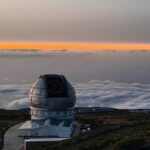
REVIEW · LA PALMA
La Palma: Stargazing in the best sky in the world
Book on GetYourGuide →Operated by StArt La Palma · Bookable on GetYourGuide
On La Palma, the stars feel close enough to notice. This small-group stargazing experience is designed to teach you what you’re seeing, then point the instruments right at it. I love the 10 to 15 person group size and the calm, un-rushed telescope time that lets you actually focus. One drawback to plan for: it’s weather-dependent, so your meeting point and start time can shift.
In This Review
- Your night of constellations, planets, and story time
- Key highlights you’ll feel right away
- Why La Palma’s night sky is the main character
- Picking the right meeting point: Llano del Jable vs Llano de Las Ventas
- What the tour feels like in the first 30–45 minutes
- Naked eye with guided pointing (plus satellites)
- An astronomical laser to give your eyes a target
- Binoculars for nebulae and star clusters
- Telescope time: the part that makes people go quiet
- What you’re likely to see: Moon, planets, and deep sky objects
- Moon first (and why full moon nights still work)
- Planets you can recognize quickly
- Deep space: galaxies and nebulae as the finale
- The storytelling part: myths and science in the same session
- Small group + English or Spanish: how that changes the experience
- Price and value: is $45 per person a fair deal?
- Weather rules you should plan around (and how to make it painless)
- What to bring so you’re comfortable the whole time
- Should you book this La Palma stargazing experience?
- FAQ
- How long is the stargazing tour on La Palma?
- How much does the tour cost?
- What group size should I expect?
- Where do we meet for the tour?
- What will we look at during the night?
- What language is the guide available in?
- What should I bring?
- What happens if the weather is bad?
- Is the tour wheelchair accessible?
Your night of constellations, planets, and story time
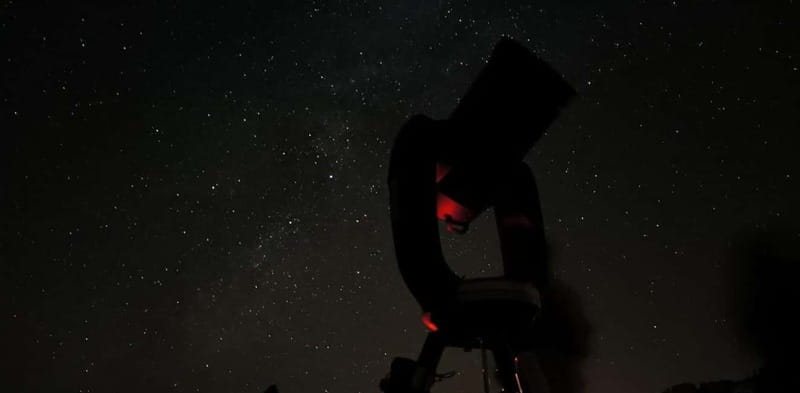
You’ll start with constellations and moving objects using the naked eye, then step up with an astronomical laser and binoculars for star clusters and nebulae. The best part is that the guide work keeps you from feeling lost, with storytelling that mixes science with myths from different cultures. I also like the practical touch that you can adjust the telescope for your eye, so the view isn’t just handed to you. The main consideration is that you should expect it to run between 1 hour and 45 minutes, and you’ll need to dress for cold nights.
Key highlights you’ll feel right away
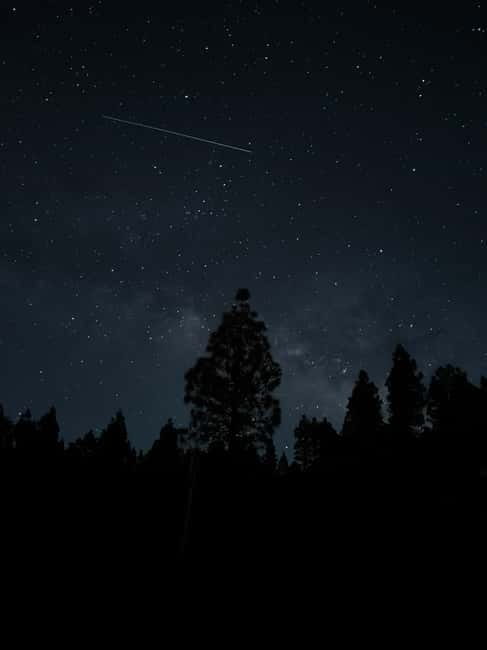
- Small-group comfort (10–15): You get attention, not a herd-of-people vibe.
- Guided “learn as you look” format: Constellations, satellites, nebulae, and galaxies are explained in plain language.
- Laser + naked eye at the start: You’re not squinting blindly for long.
- Binoculars for wide sky views: You see big sections of space before you zoom in.
- Telescope views you can personalize: The setup can be adjusted for your eye.
- Moon time even on full moon nights: The tour adapts, and the focus changes.
You can also read our reviews of more tours and experiences in La Palma.
Why La Palma’s night sky is the main character
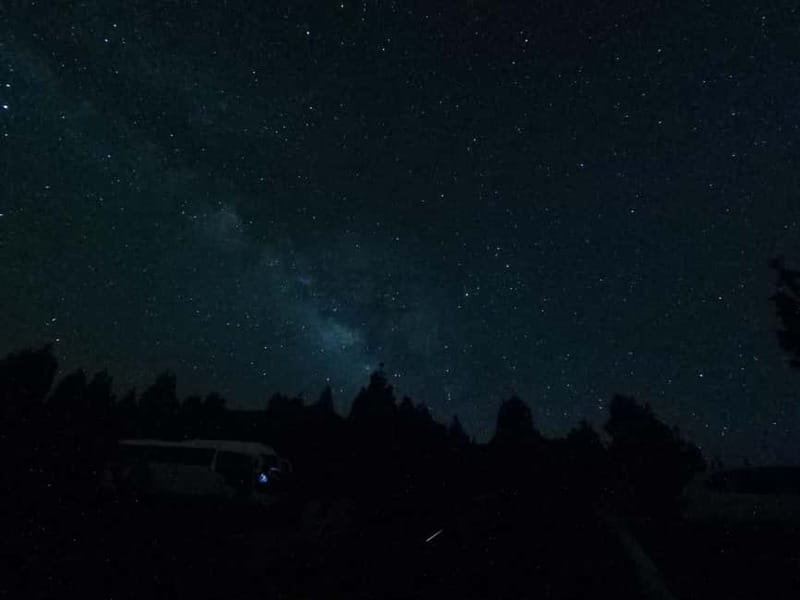
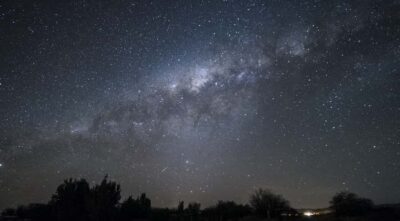
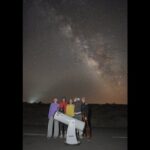
La Palma is in the Canary Islands, and the whole point of this experience is simple: you come outside under one of the best skies in the world, then you’re taught how to read it. If you’ve ever looked up and felt like the sky was just a field of dots, this kind of guided session gives you the map. You start recognizing constellations instead of guessing.
What makes the experience work is the pacing. The tour isn’t a quick “look through, done.” The telescope is used without haste, so you can settle in, ask questions, and actually take in what you’re seeing. That matters, because space viewing is hard even when the sky is clear. Your eyes need time to adjust, and your brain needs a guide to connect the dots.
Picking the right meeting point: Llano del Jable vs Llano de Las Ventas
The meeting point can change based on wind, humidity, clouds, haze, and any government alerts. That’s not just a formality. On a stargazing night, those factors decide what you can see and how stable the telescope viewing will be.
Usually, you’ll meet at one of two astronomical viewpoints:
- Llano del Jable Astronomical Viewpoint (1,341 m)
- Llano de Las Ventas Astronomical Viewpoint (1,320 m)
Both are about 39 minutes from Santa Cruz, Cancajos, and Los Llanos. They’re close to each other (about 5 minutes apart), but the exact spot and starting time can still shift.
If conditions at the usual places aren’t suitable, the activity may move to a private indoor or sheltered location when available, or relocate to a private option:
- San Antonio Volcano, Fuencaliente (private location) (633 m)
Here’s your practical takeaway: keep your phone available the day of the tour. The team sends the confirmed meeting details by WhatsApp, email, or SMS. When you arrive, you’ll look for the group at the center of the viewpoint using red light.
If you can’t see them, you’ll contact the organizer. When you approach, ask for María José or Nicolás and share your reservation name.
What the tour feels like in the first 30–45 minutes
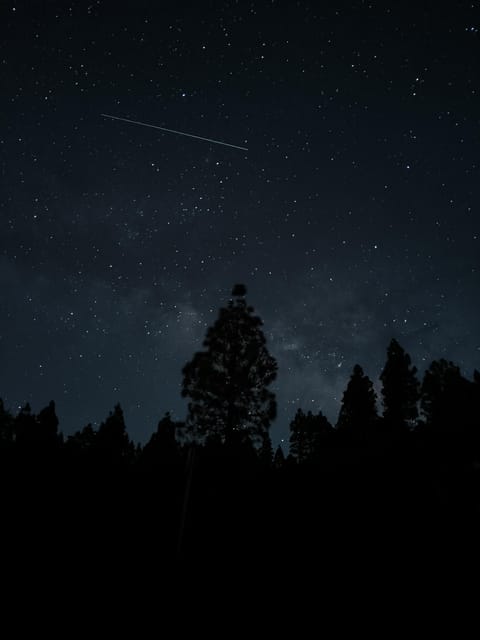
You won’t jump straight to the telescope. You ease into the sky in a smart order: naked eye first, then laser guidance, then binoculars. This is a great move for beginners because your expectations get calibrated fast.
Naked eye with guided pointing (plus satellites)
You’ll observe constellations and other moving objects with the naked eye. The guided pointing matters because some things are subtle until someone shows you where to look and what to ignore. Once you understand the “pattern,” the night stops feeling random.
An astronomical laser to give your eyes a target
The tour uses an astronomical laser to help you follow objects across the sky. The goal isn’t spectacle. It’s orientation. That laser helps you track objects without spending half the night lost in the dark.
If you’re the type who hates feeling awkward pointing at the sky, don’t worry. The guide handles the direction, and you concentrate on what’s in front of you.
Binoculars for nebulae and star clusters
Then comes binocular time. Binoculars are perfect on an astronomy tour because they show a wide region of sky while still giving detail. You’ll look at vast areas, including nebulae and star clusters, which are hard to appreciate if you only ever use the naked eye.
It’s also a nice break between the “getting oriented” phase and the “zoomed-in” telescope phase.
Telescope time: the part that makes people go quiet
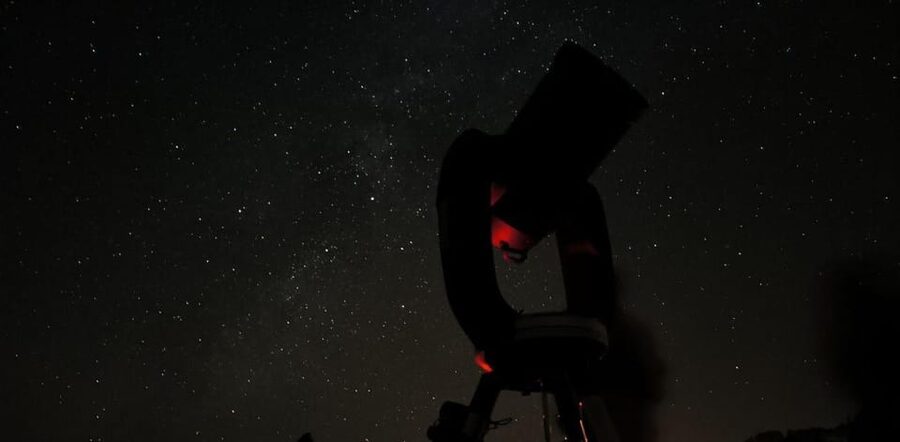
Eventually, it’s telescope time. And the tour treats it like an experience, not a stop on a checklist. The guides keep observing without haste, which gives you time for two things:
1) your eyes to adjust
2) your questions to land naturally
A detail I really appreciate in the format is that you can adjust the telescope for your eye. That means the view isn’t limited to one fixed angle or setup. If you wear glasses or you have a comfort preference, you’re more likely to get a view that actually feels clear.
Also, the telescope is used to show you objects starting from the solar system and moving outward into deep space. You go from nearby targets to the kind of objects that feel unreal because of their distance.
What you’re likely to see: Moon, planets, and deep sky objects
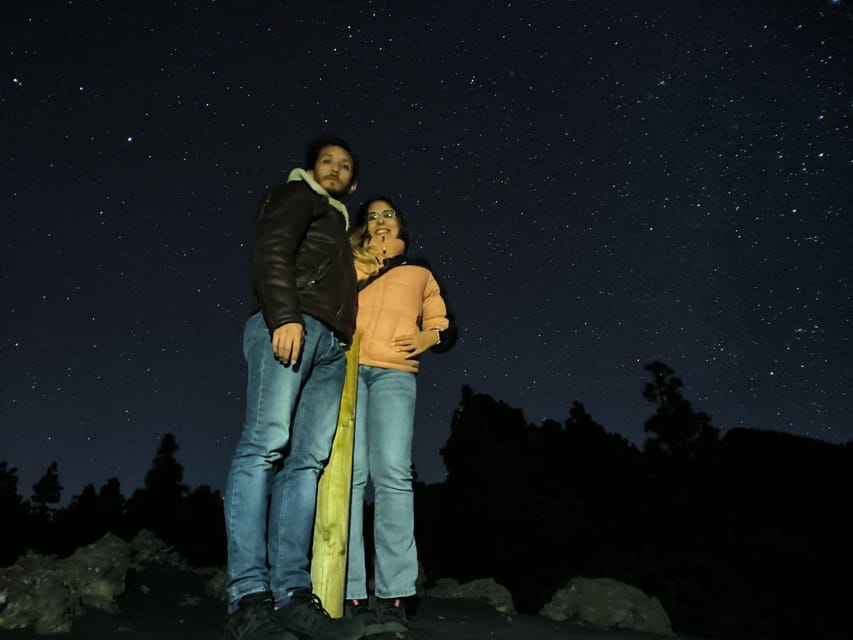
The exact objects will depend on what’s visible that night, and the organizers check the sky in advance. But the tour describes a clear range of targets, and it’s the range that makes it fun.
Moon first (and why full moon nights still work)
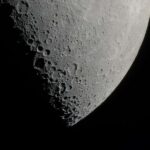
You’ll observe the surface of the Moon with the telescope. On full moon nights, the tour doesn’t pretend the Moon will disappear. Instead, the focus shifts to the Moon’s beauty and meaning, and the night still has a point.
So you’re not paying for a sky that might turn out blank. The tour adapts.
Planets you can recognize quickly
You’ll also observe planets such as:
- Jupiter, including its four Galilean moons
- Saturn, described as presenting a majestic figure
Even if you don’t know the names, you’ll learn how to recognize what you’re looking at. That turns a telescope view from a single moment into something you can understand.
Deep space: galaxies and nebulae as the finale
Then comes the deep sky portion, where galaxies and nebulae become the protagonists. This is where the tour often hits its emotional peak, because you’re staring at objects that represent time and distance on a scale that’s hard to picture.
The guides explain what you’re seeing in a way that connects it to the physics behind it, not just a list of names.
The storytelling part: myths and science in the same session
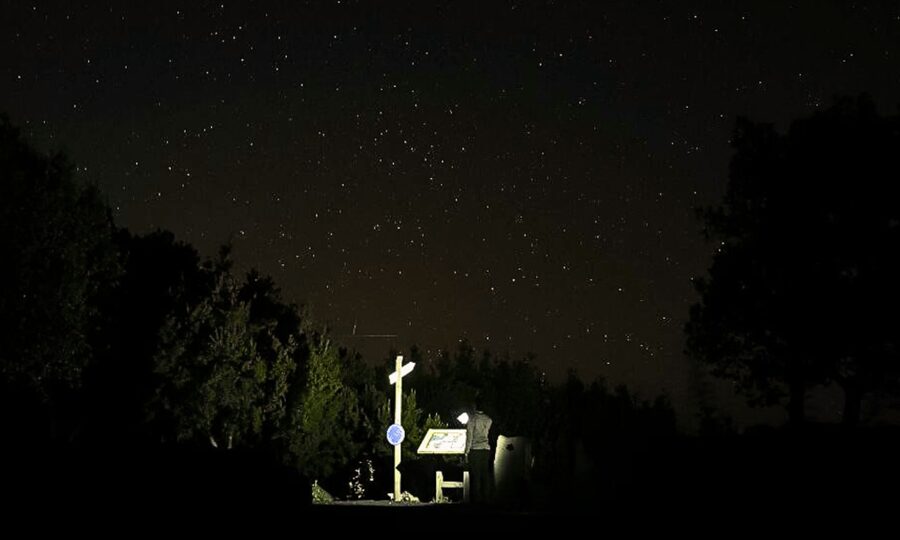
A good stargazing guide doesn’t only point. They translate.
This experience includes storytelling about science, history, and myths and legends. It also connects astronomy to how different cultures have imagined the sky. That’s not just cultural trivia. It makes the sky feel human, and it gives you something to hold onto while your eyes are adjusting in the dark.
They also cover the physics of the cosmos and the chemistry that gives rise to stars. If you like knowing why things happen, you’ll get that here. If you don’t care about science details, you’ll still appreciate the guide’s ability to keep the night moving with clear explanations.
Small group + English or Spanish: how that changes the experience
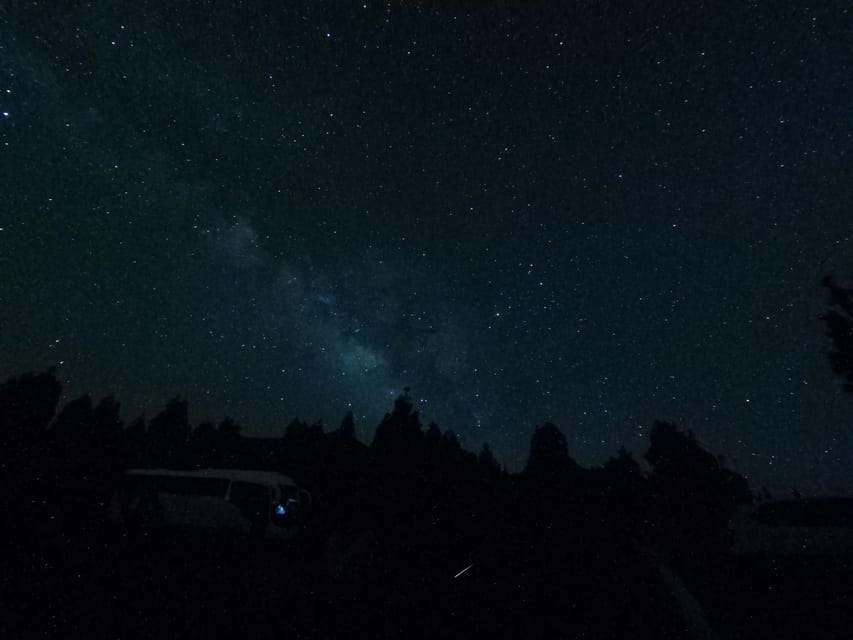
This tour runs with a small group, typically between 10 and 15 people. That size is a big deal. It means the guide can answer questions without the group waiting forever, and you can get help with where to look next.
You’ll have a live guide in English or Spanish. If you have basic vocabulary, you should be fine. If you’re completely new to astronomy, the format is built for that. You’ll hear what you’re seeing, what it means, and what to look for next.
Price and value: is $45 per person a fair deal?
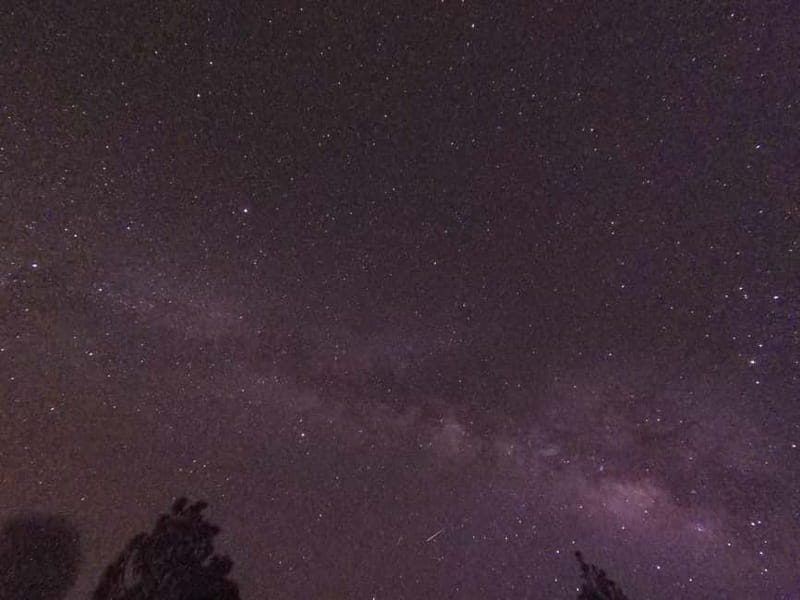
The price is listed as $45 per person, and you’re paying for more than telescope access. You’re paying for:
- a guided night using multiple tools (naked eye, astronomical laser, binoculars, telescope)
- small-group attention
- explanations and storytelling that turn sight into understanding
- a night that’s built around comfort and pacing, not speed
For many tours, the telescope time can feel rushed, and the sky knowledge is minimal. Here, the tour emphasizes comfortable group size and unhurried observing, which is exactly where the value should be. If you want a practical, beginner-friendly stargazing session that doesn’t just show you sights, this is one of the more solid ways to spend an evening on La Palma.
There is also a VIP telescope access fast pass available for an additional fee. If you’re traveling on a tight schedule or you want to reduce waiting, it might be worth considering, as long as it fits your budget.
Weather rules you should plan around (and how to make it painless)
This is a night out in open air. That means wind, clouds, humidity, and haze can affect what they can do. The organizers may postpone, relocate, or cancel at the last minute to keep the observation safe and enjoyable.
Your job is easy:
- Dress warm and wear comfortable shoes.
- Arrive about 15 minutes early so you settle in.
- Stay ready for updates on your phone, especially WhatsApp if that’s what you use.
- Use the red-light guidance if possible, and keep car lights off if you’re driving.
There’s also a simple etiquette point: keep light to a minimum. White light ruins night vision for everyone.
One more practical consideration: your start time is approximate because it adjusts with sunset and visibility. Build slack into your evening plans.
What to bring so you’re comfortable the whole time
The tour’s big comfort factor is simple: it’s cold outside, and you’ll be standing or sitting for a while in the dark.
Bring:
- Warm clothing
- Comfortable shoes (and warm shoes)
- Comfortable clothes that you can layer
If you run cold easily, treat this like a winter activity, not a casual walk. Also, keep your jacket zipped before you arrive. You won’t want to fumble with layers in the dark while you’re trying to focus on the sky.
Should you book this La Palma stargazing experience?
Book it if you want a beginner-friendly stargazing night that teaches you what you’re seeing, not just a quick photo opportunity. The combination of naked eye guidance, binoculars for wide views, and telescope time for Moon and planets is a strong setup, especially at a small-group size.
I’d skip it or rethink if you hate weather-based uncertainty. On a given night, clouds or wind can change the meeting point, start time, and setup. If you’re the type who needs a fully fixed schedule and don’t like surprises, this won’t match your style.
If you go in prepared, with warm clothes and a flexible mindset, you’ll leave with more than “cool stars.” You’ll leave with patterns you recognize and a better sense of what’s out there.
FAQ
How long is the stargazing tour on La Palma?
It runs between 1 hour and 45 minutes, and it can be closer to 1.5 hours depending on questions and group interest.
How much does the tour cost?
The listed price is $45 per person.
What group size should I expect?
The experience is designed for small groups, typically between 10 and 15 people.
Where do we meet for the tour?
The meeting point changes with weather and sky conditions. Common options are Llano del Jable Astronomical Viewpoint or Llano de Las Ventas Astronomical Viewpoint. In some cases it may relocate to a private location in Fuencaliente.
What will we look at during the night?
You’ll observe constellations and moving objects with the naked eye, then look with binoculars and a telescope. The tour highlights include the Moon, planets like Jupiter and Saturn, and deep space objects such as galaxies and nebulae.
What language is the guide available in?
The live tour guide is available in English and Spanish.
What should I bring?
Bring comfortable shoes, warm clothing, and warm shoes.
What happens if the weather is bad?
Because the activity depends on weather and the night sky, the start time and observing setup may change. The team may relocate or cancel for safety, and in some cases move to an indoor or sheltered option if available.
Is the tour wheelchair accessible?
Yes, it is listed as wheelchair accessible.