REVIEW · LAKE TEKAPO
Lake Tekapo: Stargazing Experience
Book on GetYourGuide →Operated by Chameleon Stargazing · Bookable on GetYourGuide
New Zealand’s night sky steals the show. At Lake Tekapo Dark Sky Reserve, I really liked the 9.25-inch computerized telescope time and the way guides like Mok turn constellations into stories you can actually remember. The hot chocolate and marshmallow fire bowl are a big comfort win, but yes, it gets cold fast, so pack real warmth.
From the moment you arrive, the setting does half the work: Lake Tekapo is famous for low light pollution, so the stars don’t look like pinpricks. They look like a whole sky full of detail. Over 90 minutes, you’ll get guided sky-watching plus telescope views of deep-sky objects, and you’ll leave with edited photos taken during the tour.
The tour is also well paced. You start with a guided intro at the stargazing spot near the Tekapo River, then you move into telescope time, and finish with hot drinks, blankets, and roasted marshmallows.
In This Review
- Key things that make this stargazing tour work
- Why Lake Tekapo’s Dark Sky Reserve feels different
- The 90-minute flow: river-side arrival, telescope views, and marshmallow roasting
- Telescope time: what a 9.25-inch computerized scope can show you
- Staying warm without ruining the night: blankets, hot chocolate, and comfy seats
- The guide story style: science facts, Greek myths, and Maori legends
- Photos you can keep: edited images and star-and-you portraits
- Price and value: what $71 gets you in the real world
- Who should book this (and who might want to adjust expectations)
- Weather, darkness, and practical tips for your best night
- Should you book Chameleon Stargazing at Lake Tekapo?
- FAQ
- How long is the Lake Tekapo stargazing experience?
- What does it cost?
- Where is the meeting point?
- What’s included in the tour?
- Do you provide photos during the tour?
- Is hot chocolate included?
- What language are the guides?
- Is the tour wheelchair accessible?
- What should I bring?
- How cold is it at night in Lake Tekapo?
- If I join a tour after midnight, how does the date work?
Key things that make this stargazing tour work
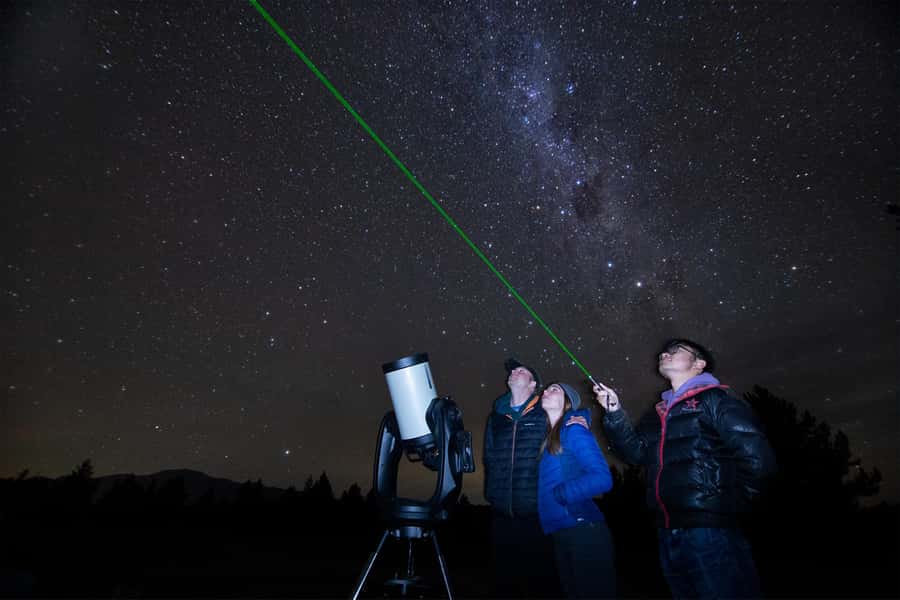
- Dark Sky Reserve setting: nearly zero light pollution makes fainter objects easier to see
- Two telescope styles: a computerized 9.25-inch telescope plus a smart telescope for different views
- Comfort is built-in: seats plus blankets, pillows, mattresses, and pillows so you can actually focus on the sky
- Stories beyond science: you’ll hear constellations through science facts, Greek mythology, and Maori legends
- Photo service included: complimentary edited photos and individual star-and-you shots
- Warm finish: a fire bowl where you roast marshmallows at the end
Why Lake Tekapo’s Dark Sky Reserve feels different
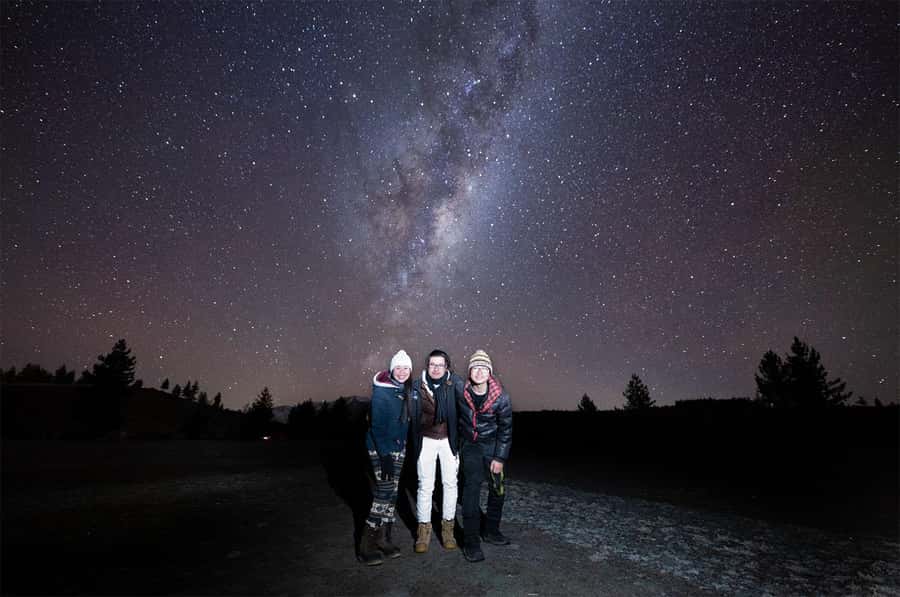
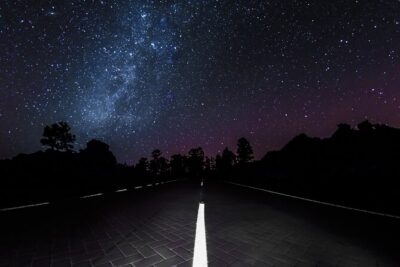
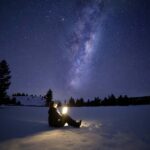
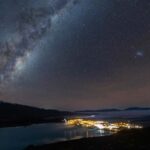
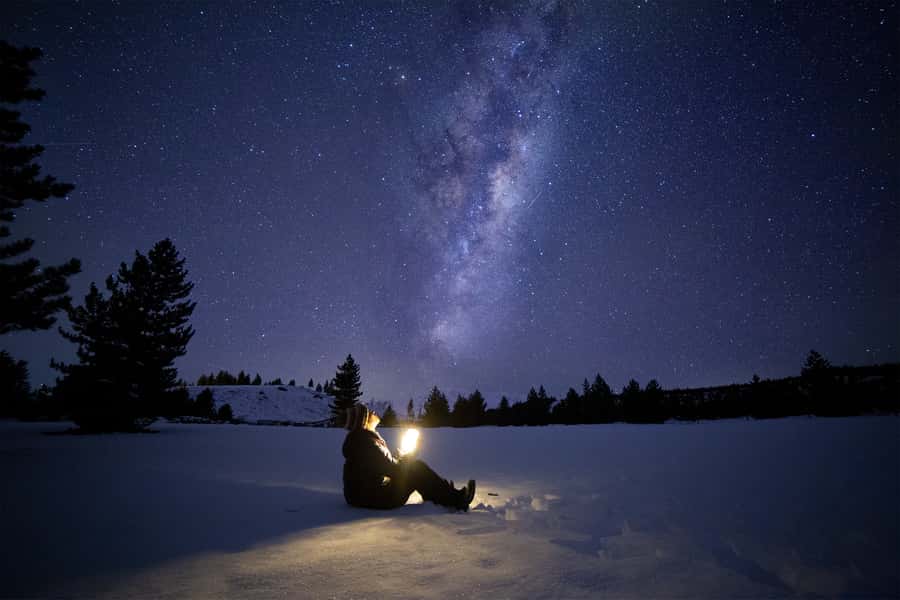
Lake Tekapo sits in South Island’s “go stargazing” sweet spot. The tour is specifically set in the Dark Sky Reserve area, with nearly zero light pollution. Translation: the sky looks like the real sky, not the washed-out version you get near cities.
I love this kind of location because it changes what you notice. With fewer lights competing for your eyes, even a casual glance upward turns into real discovery. You start spotting patterns faster with a guide’s help, then the telescope views show why those patterns matter.
Another thing I appreciate: the tour doesn’t just point at stars and stop there. You get guided explanation and stories, so you’re not staring into the dark hoping something interesting happens. You’re learning what you’re seeing while you see it—constellations, myths, and how astronomers think about deep-sky objects.
And yes, there’s a comfort factor that matters here. If you’re shivering, you lose attention. The setup—blankets, cushioned seating, and warm drinks—keeps you in the moment.
You can also read our reviews of more tours and experiences in Lake Tekapo.
The 90-minute flow: river-side arrival, telescope views, and marshmallow roasting
This tour runs for 90 minutes, and the timing is tight enough to stay focused without feeling rushed. It usually starts with your guide leading the group to the stargazing area. The location is a short drive from Lake Tekapo town centre—about four minutes—or a 20-minute walk.
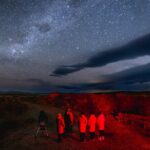
Once you’re there, the vibe is calm. Your seats and bedding are set up for you (yes, mattresses and blankets too). Then the guide starts with an intro to what’s in the sky that night—constellations, how to read the sky, and the big-picture science.
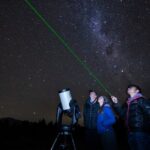
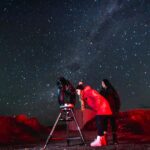
After that, telescope time is the main event. You’ll spend time looking through a computerized 9.25-inch telescope and also use a smart telescope. The guide can show you different types of objects, not just one highlight.
Finally, the tour ends with warmth in a literal sense: the guide lights the fire bowl so you can roast marshmallows. It’s a nice way to close the loop—your eyes are tired from looking through telescopes, and your hands are busy with something cozy.
One practical thing to remember: you’re outside the whole time. You’ll want comfortable shoes because you’ll be moving a bit, and you’ll want layers because the temperature drops quickly once the sun is gone.
Telescope time: what a 9.25-inch computerized scope can show you
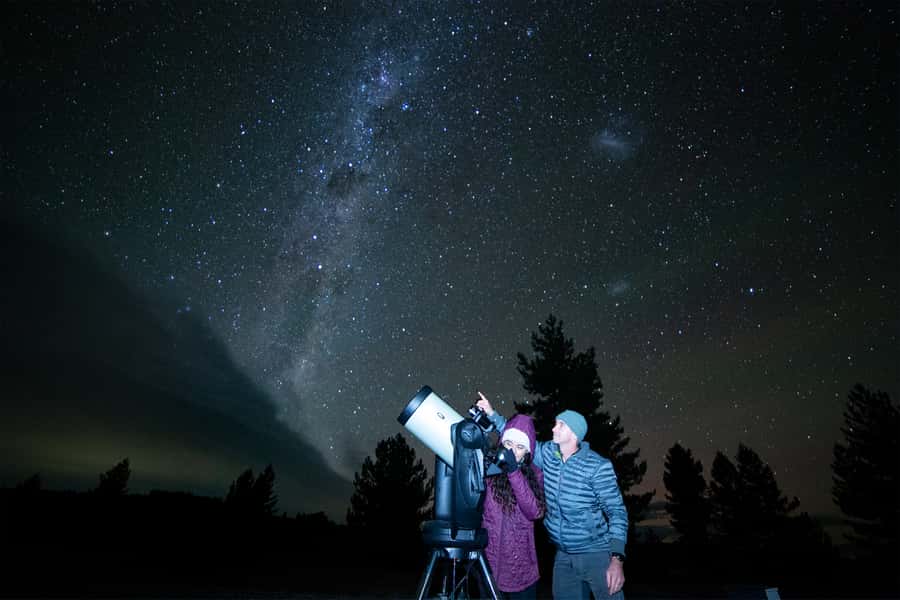
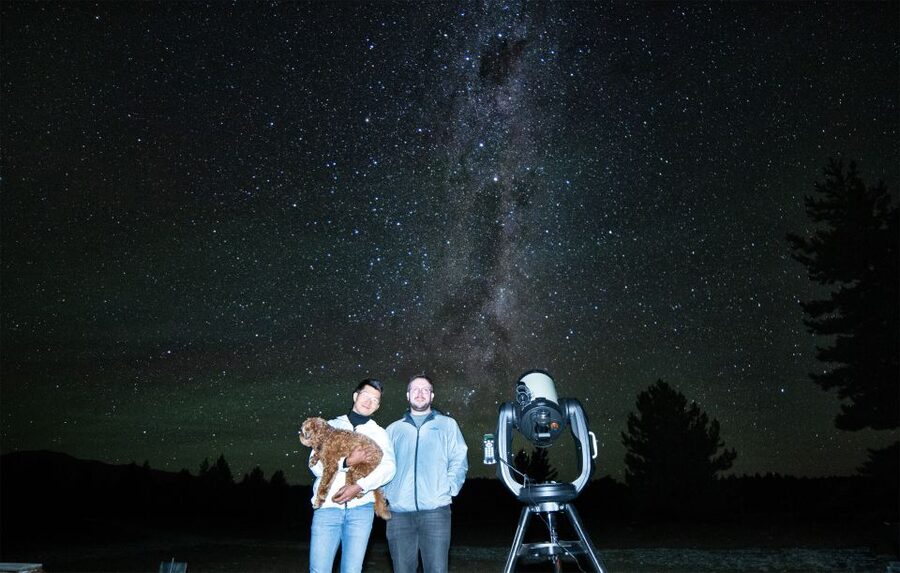
The telescope is the reason this experience costs what it costs. Here, you’re not stuck with a tiny “look at the moon” setup. You’ll have access to a computerized 9.25-inch telescope plus a smart telescope, and that matters because it lets the guide connect what you see with deeper objects.
What you can expect isn’t just vague stargazing. The tour is designed around deep-sky viewing—things like nebulae, star clusters, and other faint targets that make you go from I see stars to I understand what I’m looking at.
A computerized telescope also helps with pacing. Your guide can point to objects, adjust views, and explain what makes each one interesting. That reduces the dead time when people are waiting for the next object to appear.
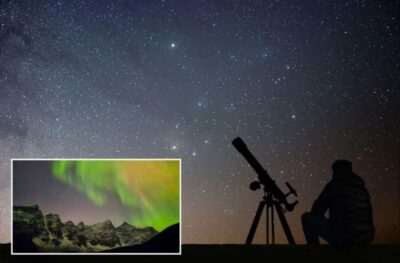
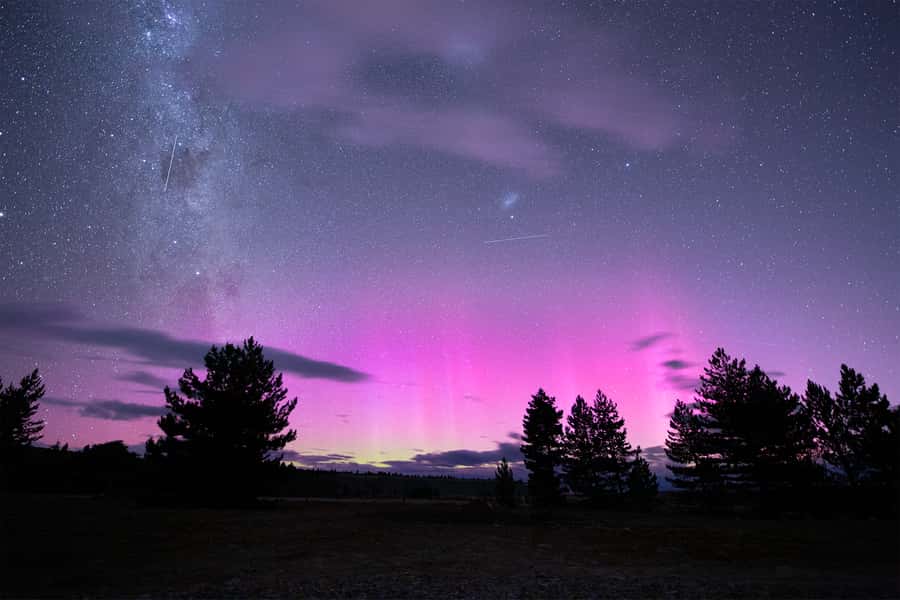
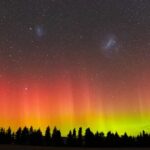
Based on what I’ve seen guides do on nights like this, the best part is when the view switches from “a spot” to something with shape or structure. Several people highlight seeing fainter objects—one review specifically calls out spotting a nebula through the telescope. On some nights, aurora also shows up, so if the conditions are right, you might get lucky.
Tip: when you’re behind the telescope, it helps to listen before you look. The guide’s explanation gives your brain a target, so you notice more detail in the eyepiece.
Staying warm without ruining the night: blankets, hot chocolate, and comfy seats
Cold weather is the big challenge in Lake Tekapo stargazing. This tour handles that with real comfort gear, not just a promise.
You’ll get outdoor seats plus blankets, pillows, and even mattresses set up for you to watch the sky. That sounds cozy—and it is—but it also has a purpose. Comfortable seating means you can keep your attention on the sky instead of adjusting every two minutes.
Then there’s hot chocolate. You’ll get it during the experience, with lactose-free and gluten-free options available on request. Several people also mention it comes in a keepsake cup, which is a fun practical souvenir you can use back home.
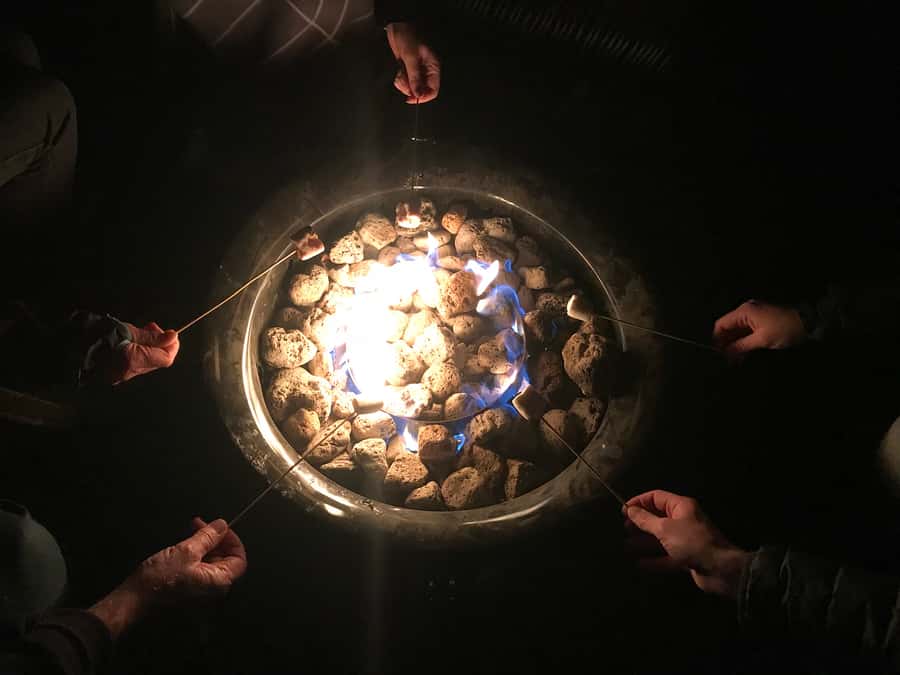
At the end, the fire bowl and marshmallows add a second warmth hit. Even if your phone battery is doomed, your hands can still stay warm by the fire while you swap stories with your guide.
If you plan to walk from town to the meeting area, consider bringing something to help you see your footing. One reviewer recommends a head torch or reflective item because the site is in near-darkness for part of the walk.
The guide story style: science facts, Greek myths, and Maori legends
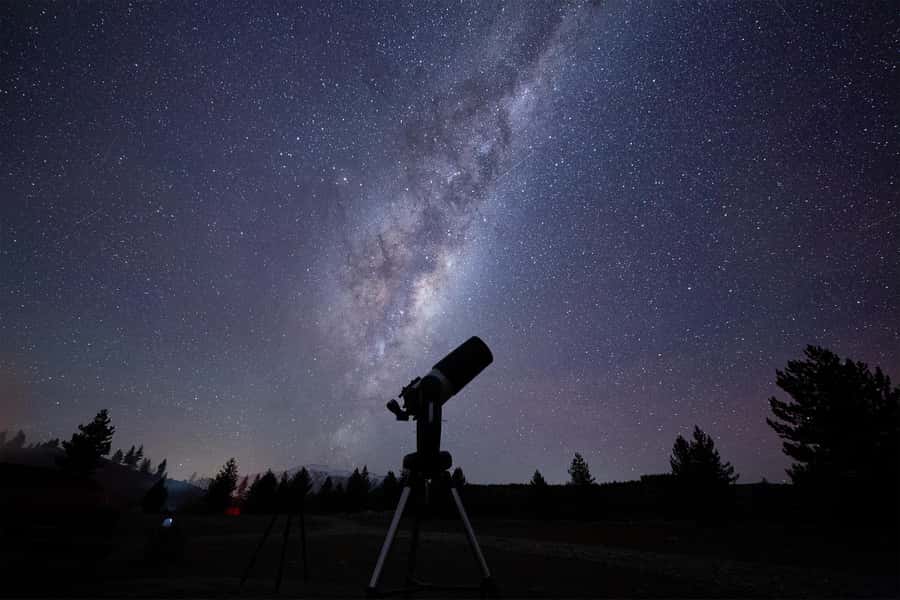
A telescope shows you the object. A good guide shows you the context. This tour aims for both.
Guides share science facts about what’s up in the night sky, then they layer in stories. You’ll hear ancient stories of constellations, plus Greek mythology and Maori legends. That blend works well because it gives your brain two hooks at once: the rational explanation and the human storytelling.
The guide also keeps things interactive. You’ll get time to ask questions, and you’ll hear explanation as you look through the telescopes, not just before the viewing starts.
From the guide names people mention most often—Estella, Mok, George, and Adria—you can tell the experience relies on the person running it. And the reviews consistently point to enthusiasm, humor, and fast answers to questions. That matters in stargazing because you’re often seeing things for the first time, and you’ll want quick clarification: Is that a star or a planet? Why does it look fuzzy? How do I find it again?
Also, many guides use light pointers to help you locate features in the sky before telescope views. That helps the sky feel navigable instead of random.
Photos you can keep: edited images and star-and-you portraits
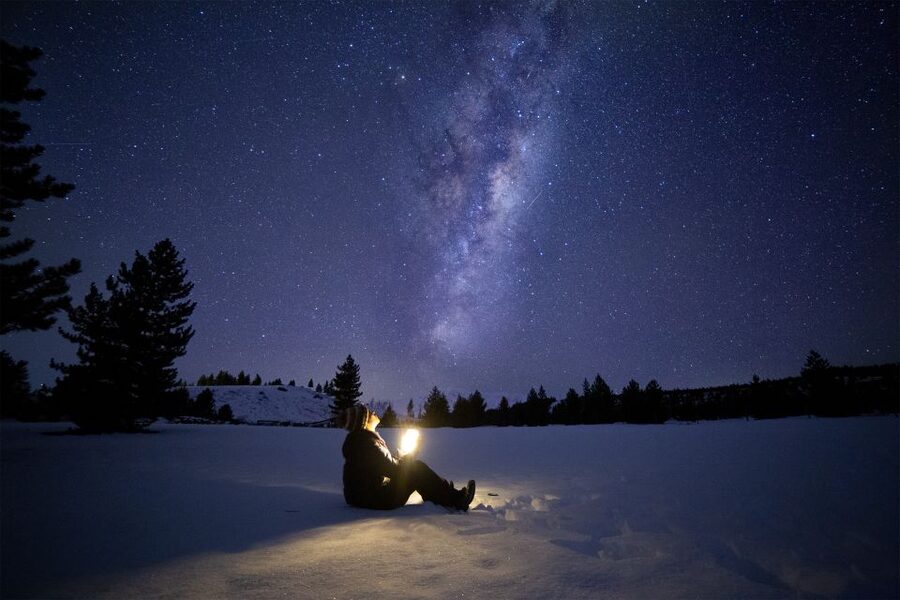
One of the nicest parts is that you don’t leave with only blurry phone memories. The tour includes a photography service with complimentary edited photos.
Your guide takes individual photos with the stars in the background. There are also photos taken of what you see through the telescopes—so you can compare your memory with the view you were guided to.
In practical terms, this is huge. Stargazing is one of those activities where your eyes adjust, your camera struggles, and the sky changes before you figure out what you’re photographing. Having edited photos means you get a record without needing to be an astrophotography expert.
Some people also mention a longer-exposure style photo of the sky and even small extras like a souvenir key chain light. Those are small, but they add up to the feeling that the company planned for the moment you’ll want proof later.
If you’re the kind of person who cares about taking home something tangible besides photos, this is one of the few astronomy tours that leans into that.
Price and value: what $71 gets you in the real world
At $71 per person for 90 minutes, you’re paying for three things: access to a large telescope setup, a professional astronomy guide, and comfort plus included extras.
If you compare it to DIY stargazing, the value is simple. DIY can be free—until you factor in transport to a Dark Sky Reserve, cold-weather comfort, and whether you can actually find and confirm deep-sky objects with the naked eye. This tour removes those bottlenecks.
You’re getting:
- Telescope access (including the computerized 9.25-inch scope and a smart telescope)
- Guided explanation plus stories (science, Greek mythology, and Maori legends)
- Warm drinks and a cozy viewing setup (hot chocolate, blankets, seating)
- A guided photo service with edited images
The included hot chocolate and marshmallows might sound like a small detail, but they’re actually part of the value. They keep you comfortable so you can spend your attention on the sky instead of bracing for the cold.
And the photo package is the sleeper value. You’re paying not just for the night, but for the images you’ll still care about weeks later.
Who should book this (and who might want to adjust expectations)
This tour is a strong match if you:
- Want a guided introduction to the southern sky
- Appreciate deep-sky viewing instead of only bright objects
- Don’t want to mess with gear or guess what you’re seeing
- Like a social, story-led atmosphere with comfort built in
It can also be a great date night or family activity—especially because the setup makes it comfortable for different levels of experience.
The one consideration: it’s outside, so you need to be okay with cold. Even if it’s summer in your home country, Tekapo nights can get very cold regardless of the season. If you hate chilly evenings, you’ll want to prepare seriously with warm layers.
Another consideration is that stargazing depends on clear conditions. The tour supports warmth, but the sky still needs to cooperate. You might find the sky less dramatic on cloudy nights than on the best nights.
Finally, if you’re worried about getting to the meeting area, note there’s no shuttle. You can drive about four minutes from town or walk about 20 minutes. If you walk, plan for darkness.
Weather, darkness, and practical tips for your best night
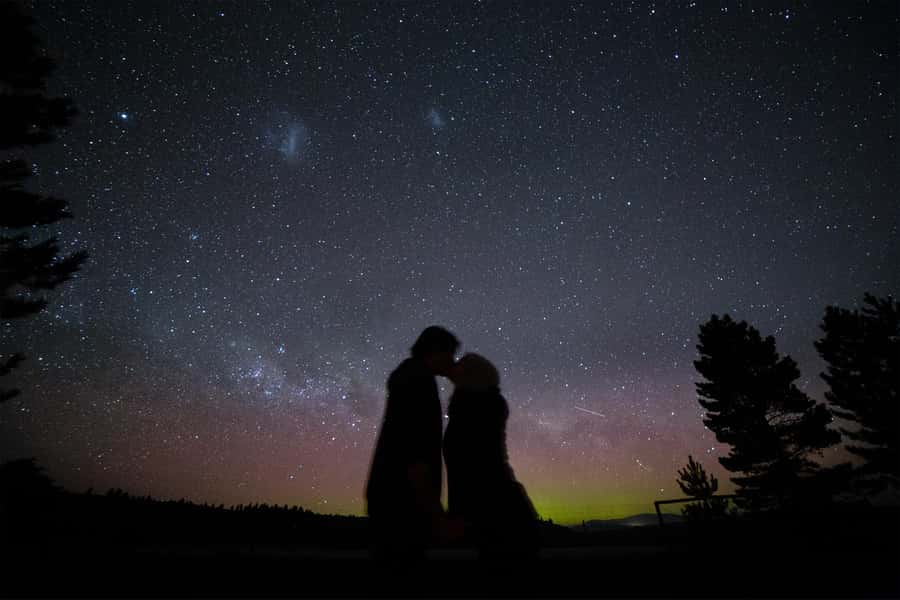
Lake Tekapo stargazing is worth planning like a mini expedition, even though it’s only 90 minutes.
Here’s what I’d do:
- Dress for cold even if you think you’re fine at first. You’ll be outside for the entire session.
- Bring extra warm layers. The tour notes that nights get very cold in Tekapo no matter the season.
- Wear comfortable shoes. You’ll be walking from town or moving at the stargazing area.
- If you’re walking at night, bring a head torch or something reflective so you don’t stumble through darkness.
- Arrive ready to look. Once the guide starts pointing things out, the experience gets faster and more fun.
One more thing: this tour is run in English and Chinese, with a live astronomy guide. So if you’re comfortable in one of those languages, you’ll likely get more out of every explanation.
And if the aurora shows up on your night, it can be a bonus. One reviewer mentions seeing it, so the possibility is real when conditions line up.
Should you book Chameleon Stargazing at Lake Tekapo?
If you want the Lake Tekapo sky experience without guesswork, I’d book this. The best reasons are practical: the Dark Sky Reserve location, the 9.25-inch computerized telescope plus smart telescope, and the fact that comfort and photos are built into the plan.
Book it if you’re excited by deep-sky objects, and you like learning why the sky looks the way it does. Skip it only if cold nights make you miserable, because the setting is genuinely winter-sky real.
You’re paying for a guided night that turns darkness into something you can recognize, understand, and remember.
FAQ
How long is the Lake Tekapo stargazing experience?
The tour lasts 90 minutes.
What does it cost?
The price is $71 per person.
Where is the meeting point?
There is no shuttle to the meeting point. The stargazing area is about a 4 minutes drive from Lake Tekapo town centre or a 20 minutes walk. It’s next to the Tekapo River.
What’s included in the tour?
You get access to a 9.25-inch telescope and a smart telescope, an astronomy guide, edited photos, outdoor seats with pillows and blankets, hot chocolate, and a fire bowl with marshmallows.
Do you provide photos during the tour?
Yes. The tour includes complimentary photos taken during the experience, and they are edited.
Is hot chocolate included?
Hot chocolate is included. Lactose-free and gluten-free options are available on request.
What language are the guides?
The live guide language is Chinese and English.
Is the tour wheelchair accessible?
Yes, the tour is listed as wheelchair accessible.
What should I bring?
Bring warm clothing and comfortable shoes.
How cold is it at night in Lake Tekapo?
It can get very cold at nighttime in Tekapo regardless of the season, so plan for warm layers.
If I join a tour after midnight, how does the date work?
If you wish to join a tour after midnight, you need to choose the following day. For example, a midnight tour on December 31st would be listed as 12:45 AM of January 1st.