REVIEW · LAKE TEKAPO
Lake Tekapo: Alpine Stargazing Experience with a Guide
Book on GetYourGuide →Operated by Silver River Stargazing · Bookable on GetYourGuide
Tekapo’s night sky feels like a time machine. I love how this tour takes you to a 50,000-acre private farm inside the Aoraki Mackenzie International Dark Sky Reserve, so city glow barely exists and the Milky Way becomes the main event. With a 14-inch telescope, your guide helps you connect the sky to real objects you can actually see.
I also like the small group size (capped at 10), because you’re not stuck watching from afar. You get proper telescope time, and the guide uses astro-lasers and clear star-finding cues so you can follow along even if you’re new to astronomy.
The only real catch is practical: weather and wind can affect what the telescope can show. And the whole experience runs about 75 minutes, so it’s focused, not long and slow.
In This Review
- Key highlights you’ll feel on the night
- Why Lake Tekapo’s Dark Sky Reserve does the heavy lifting
- The 75-minute rhythm: what happens when the lights go out
- 14-inch telescope time: what you’ll realistically see
- The guide factor: stories, navigation, and the laser pointer advantage
- Cold-weather comfort at a dark-sky viewing spot
- Your complimentary photo: a keepsake you’ll want to share
- Price and value: $59 for 75 minutes, with a telescope
- Who should book this (and who might want a different plan)
- Before you book: the quick decision test
- FAQ
- Where is the meeting point?
- How long is the stargazing experience?
- How big is the group?
- What telescope equipment is included?
- Is transportation included to the viewing site?
- Do I get a photo, and when will I receive it?
- What should I wear?
- Is the tour wheelchair accessible, and is it refundable?
Key highlights you’ll feel on the night
- Private 50,000-acre farmland in the Aoraki Mackenzie International Dark Sky Reserve for low-light stargazing
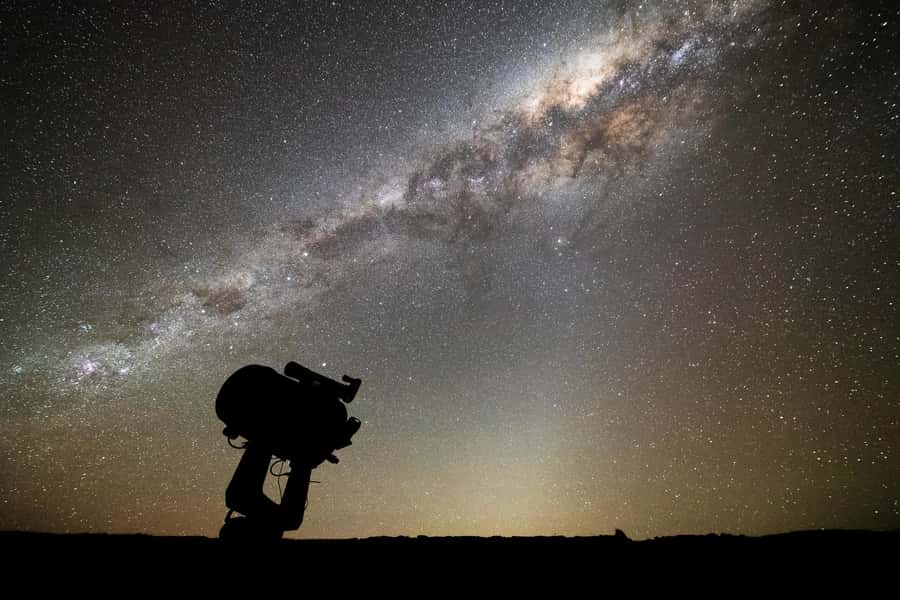
- 14-inch modern telescope plus astro-lasers to point out stars, constellations, and deep-sky targets
- 360° views of the night sky, with a clear horizon that helps you “map” what you’re seeing
- Small group (10 max) so you get time at the eyepiece and answers to your questions
- Complimentary digital photo shared by email after the tour, usually within 48 hours
Why Lake Tekapo’s Dark Sky Reserve does the heavy lifting
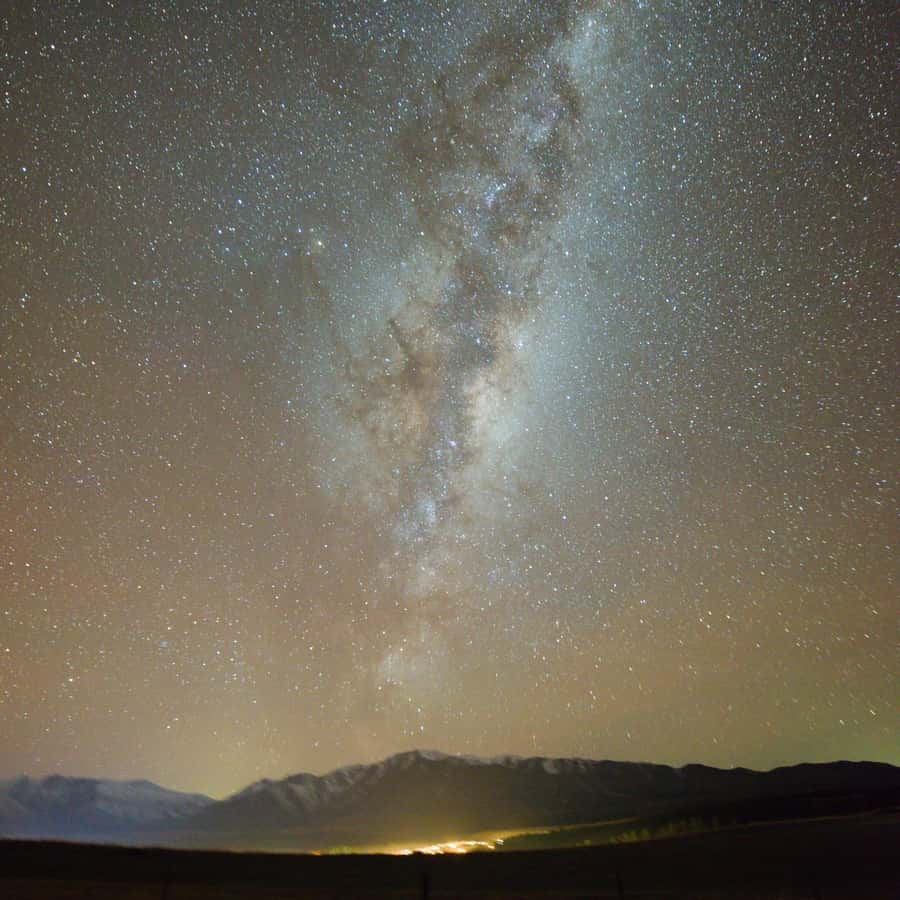
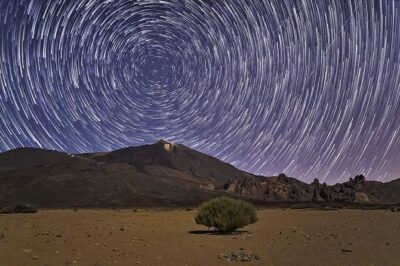
Lake Tekapo is famous for stargazing for one simple reason: light pollution is kept under tight control in the region around the Aoraki Mackenzie International Dark Sky Reserve. This tour takes you away from town light and onto a large private property within that reserve. Translation: when you look up, the sky looks darker and deeper than your brain expects.
You’ll also get 360° views, which matters more than most people think. If the horizon is blocked or the viewing area has stray lights, it’s harder to track constellations and pick out the Milky Way band. Here, you’re set up where the sky feels like a full dome, not just a patch you’re peeking at.
The “farm” setting is part of the value, too. Reviews point to uninterrupted darkness from the surrounding area, and the tour structure is designed around staying in that dark-sky bubble long enough to use the telescope properly. You’re not just visiting a scenic spot and hoping for the best.
You can also read our reviews of more tours and experiences in Lake Tekapo.
The 75-minute rhythm: what happens when the lights go out
The experience is tight and efficient. You start at the Silver River Stargazing office in Kiwi Treasure (the post office for Lake Tekapo). After a quick meet-up, you get a short safety briefing and then a transfer to the viewing site, with the schedule keeping you moving but not rushed.
Once you arrive, you get guided time at the dark-sky location. The guided portion is about one hour, which is enough for both orientation (learning the sky) and actual telescope viewing (looking at objects, not just hearing about them). A common theme in guide feedback is that they explain how to find targets, then you get to see them.
If you’re wondering how the short timeline feels in real life, think of it like this: the tour is built for attention span and sky conditions. It’s not a casual stroll. You’ll spend most of your energy looking up, listening, and then taking turns with the telescope views.
14-inch telescope time: what you’ll realistically see
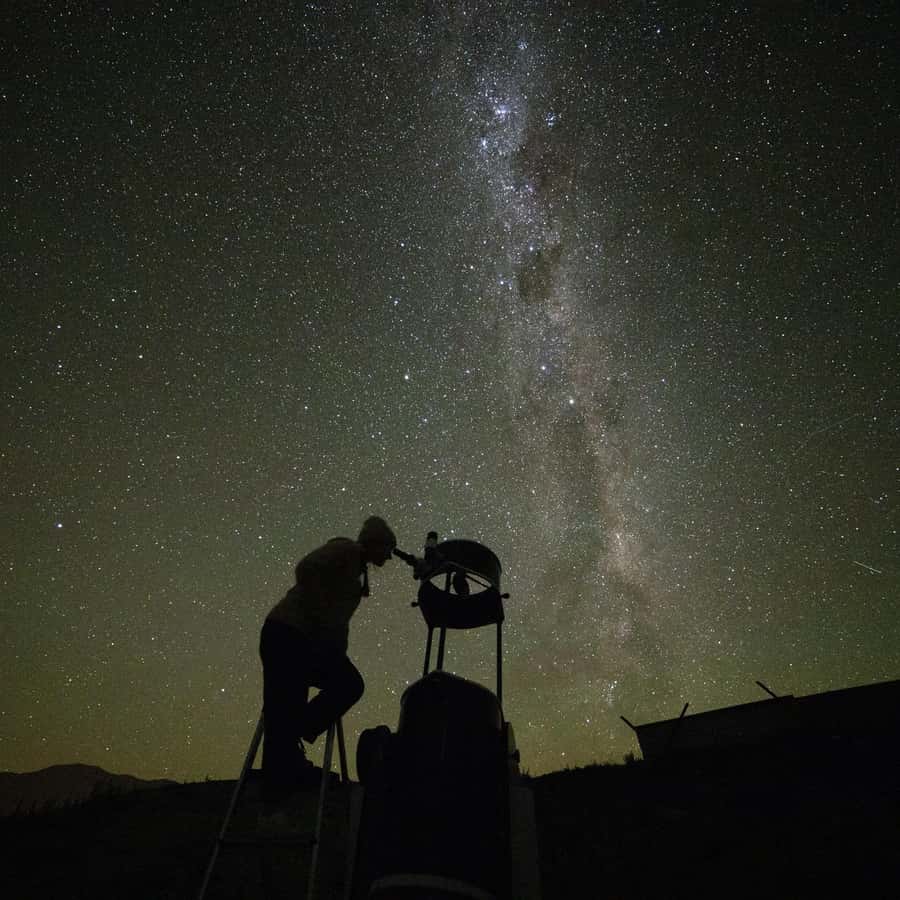
The star of the technical side is the 14-inch telescope. That size is meaningful because it gives you a stronger chance of seeing faint deep-sky objects, not only the obvious bright stuff. The program also uses astro-lasers, which help you understand where the guide is pointing without waiting for your eyes to guess.
What’s commonly shown includes the Moon and major planets. In past nights, guides have helped guests view Jupiter (including its moons) and Saturn through the telescope. You may also see other objects like star clusters and nebulae, depending on the night and conditions.
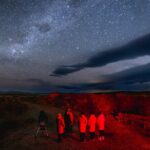
Naked-eye viewing is the other half of the value. In truly dark skies, you don’t need equipment to notice the Milky Way. Some nights have been clear enough that guests describe the Milky Way as obvious even before the telescope comes out.
One practical thing to know: wind can blur sharp telescope views. If the night is gusty, the best plan is to stay flexible, keep your coat on, and focus on the guide’s pointing and the naked-eye targets while the telescope settles.
The guide factor: stories, navigation, and the laser pointer advantage
This tour lives or dies on the guide, and the program clearly puts effort into keeping the explanations clear and engaging. You might meet guides such as Tara, Sam, Nicole, Marcus, Evan, Keira, Estelle, JoJo, Cody, or Wilson, and the common thread across them is that they turn a sky full of dots into something you can follow.
The most useful part is the navigation approach. Instead of throwing random constellation names at you, the guide typically shows you how to locate patterns and specific celestial targets. Laser pointers and astro-lasers make this way easier because you can track the guide’s directions in real time.
For kids and first-timers, this matters a lot. You’ll have a framework for what to look for, and you’re more likely to actually remember the sky after the tour ends. For repeat astronomy fans, the value is that the telescope viewing is paired with context, so the targets make sense rather than feeling like random view-through moments.
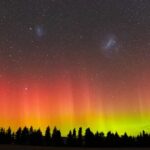
And yes, sometimes the sky has a bonus event. There are reports of guests spotting Aurora Australis during the experience, which is exactly the kind of “extra wow” you hope for when you book a night-sky tour in the Southern Hemisphere. It’s not guaranteed, but it’s a nice reminder that Tekapo’s nights can deliver surprises.
Cold-weather comfort at a dark-sky viewing spot
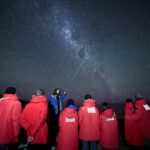
Stargazing isn’t romantic if you’re freezing. This tour helps you avoid that problem with warm down jackets included. That alone changes the experience because it lets you stay outside long enough to let your eyes adjust.
Many set-ups at the farm include seating, and you’ll see guests mention chairs being part of the night. That’s useful because telescope viewing can take time, and standing in one spot while your hands go numb is a fast way to ruin attention.
What to bring is simple: dress in layers, even with the provided jacket. In Tekapo, nights can get windy, and a hat or warm gloves can make the difference between tolerating the cold and actually enjoying the sky.
If you’re the type who gets impatient when you’re uncomfortable, this tour is designed to reduce that pain point. You’ll have warm clothing, a guided structure, and a plan for how long you’ll be outside before you head back.
Your complimentary photo: a keepsake you’ll want to share
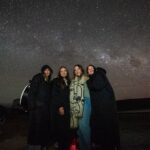
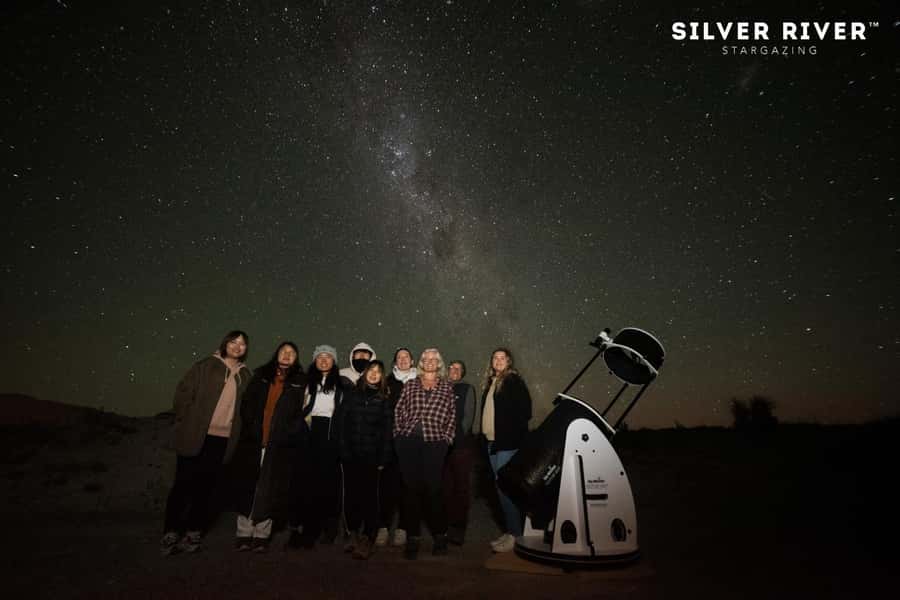
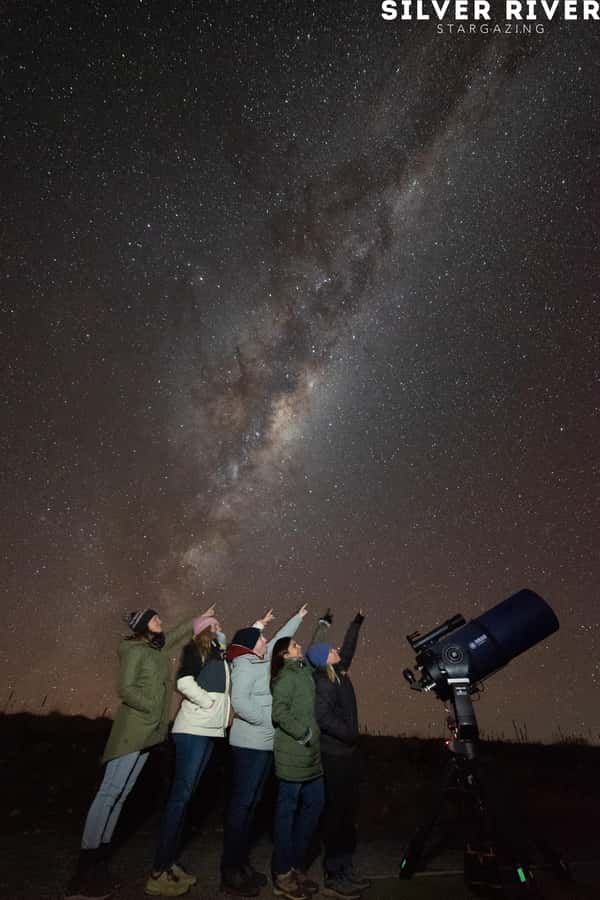
One of the smartest included perks is the complimentary digital photo taken of your group under the stars, when weather allows. You’ll get it via email, usually within 48 hours, with a link you can share.
Why does this matter? Because group photos under the Milky Way are hard. You typically need the right timing, settings, and framing, and solo attempts often end up either too bright or too blurry. Here, the tour includes a proper setup for a night-sky keepsake.
It’s also a good backup for your own memory. Once you return to daylight hours, the night can blur into “lots of stars.” A good photo helps you anchor what you saw and gives you something to show people who weren’t there.
If clouds roll in, you might still get plenty of naked-eye viewing depending on the break in the weather. But since the photo depends on conditions, keep your fingers crossed and stay present during the viewing portion.
Price and value: $59 for 75 minutes, with a telescope
At $59 per person for about 75 minutes, you’re paying for three things that are hard to replicate on your own: access to a dark-sky farm area, a guided orientation, and a 14-inch telescope with astro-laser support.
If you tried to DIY this, the cost usually shifts to transport (and time driving around in the dark) plus equipment rentals or missing out on telescope views. The tour also standardizes the experience. You show up, you get the kit and guidance, and you leave with a digital keepsake.
It’s also good value because the tour size is capped at 10. In practice, that means you’re more likely to get time at the telescope and not just one quick look while the line never ends. For the price, that small-group structure is one of the biggest reasons it feels fair.
If you’re a night-owl who wants a focused stargazing hit rather than a full-day astronomy outing, this is a strong option. If you want hours and hours of astrophotography work or a super technical session, you might look for a longer astronomy workshop instead.
Who should book this (and who might want a different plan)
This tour is best for people who want an efficient, guided introduction to the Southern Hemisphere sky. It’s a good fit for:
- First-timers who want help learning constellations and finding major targets
- Families who want a structured activity at night, with time at the telescope
- Couples who want dark skies plus a photo souvenir
- Anyone who wants a high-quality stargazing experience without juggling equipment
It may be less ideal for people who hate cold and don’t dress for it, since you’ll still be outside in the evening. It also isn’t a long session, so if you’re hoping for extended telescope time or a full night of deep-sky photography, you’ll feel the time limit.
That said, the provided warm jackets and guided pace help most people stay comfortable enough to enjoy the sky and get their money’s worth.
Before you book: the quick decision test
I’d book this if you want the most important ingredients for a great night: dark-sky access, a real telescope, and a guide who makes the sky understandable. I’d also book it if you like the idea of leaving with a digital photo within 48 hours, not just blurry memories.
I’d hesitate if you’re booking for a day when you expect heavy wind, thick clouds, or you know you won’t handle the cold well. In that case, the best you can do is stay flexible and focus on naked-eye Milky Way viewing when the sky clears.
If you’re ready to turn Lake Tekapo’s famous darkness into an organized stargazing night, this tour is a solid choice.
FAQ
Where is the meeting point?
You’ll meet at the Silver River Stargazing office, which is located inside Kiwi Treasure (the post office for Lake Tekapo).
How long is the stargazing experience?
The total duration is 75 minutes.
How big is the group?
The tour is capped at a small group size of up to 10 people.
What telescope equipment is included?
You’ll use modern 14-inch telescopes during the guided stargazing.
Is transportation included to the viewing site?
Yes. Roundtrip transportation is included between the check-in office and the stargazing location.
Do I get a photo, and when will I receive it?
Yes. You’ll receive a complimentary photo taken under the stars (weather dependent) via a digital link sent by email, typically within 48 hours.
What should I wear?
Warm down jackets are provided, but you should still dress in layers suitable for cold, nighttime conditions.
Is the tour wheelchair accessible, and is it refundable?
The activity is wheelchair accessible. It also offers free cancellation up to 24 hours in advance for a full refund.