REVIEW · LAKE TEKAPO
Dark Sky Indoor Maori Cultural Astronomy Experience
Book on Viator →Operated by Dark Sky Project · Bookable on Viator
Cloudy night? You still get the stars.
This day-time Dark Sky Project at Lake Tekapo turns night-sky wonder into a guided, family-friendly indoor show that blends Māori astronomy with Western science. I especially like how it uses hands-on, interactive zones instead of just slides, and how you can visit even when the sky won’t cooperate. A possible drawback: it’s not the real night sky through a telescope experience—you’re indoors, so expect storytelling and exhibits more than stargazing outside.
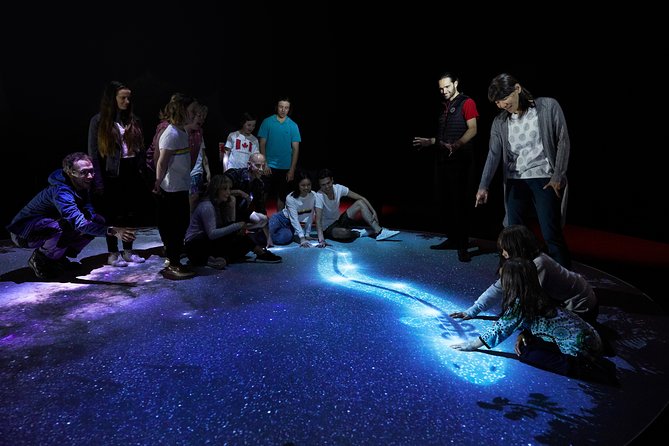
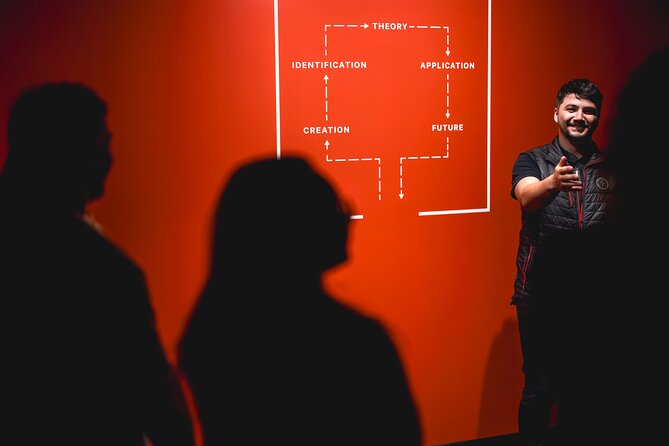
You’ll spend about an hour total on site, with a 45-minute guided tour across four interactive areas. The material is designed to click for kids, but it also lands for adults who want real context for how the night sky was used for navigation, agriculture, and everyday life. One more consideration: with a maximum group size of 26, you’ll want to arrive ready to listen, not just wander.
In This Review
- Key Things You’ll Like About Dark Sky Project (Lake Tekapo)
- Cloudy Sky? Your Day-Time Stargazing Backup in Lake Tekapo
- Inside the Dark Sky Project: Four Interactive Zones You’ll Move Through
- Zone 1: Navigation with Constellations and Ocean Currents
- Zone 2: Star Clusters and What They Mean
- Zone 3: Mythology in the Stars
- Zone 4: Scientific Discovery and the Bigger Picture
- The Māori + Western Science Connection: What You’ll Actually Learn
- The Brashear Telescope: 125-Year-Old Victorian Tech in a Modern Show
- What the Experience Feels Like for Families (and the Weather)
- Price and Value: Is $37.56 Worth It?
- Practical Tips Before You Go
- Quick FAQ
- FAQ
- How long is the guided tour?
- Is this experience indoors?
- What does my ticket include?
- Who is this experience for?
- Where do I meet for the tour?
- What’s the group size?
- What should I bring for food and drinks?
- Should You Book It?
Key Things You’ll Like About Dark Sky Project (Lake Tekapo)
- Māori astronomy and Western science side-by-side so the connections feel practical, not tacked on
- Four interactive zones that focus on navigation, star clusters, and star mythology
- The restored Brashear Telescope you can actually see in a Victorian-era setting
- Year-round indoor access, so bad weather doesn’t ruin your plan
- A guided tour format that keeps the pacing simple for families and mixed ages
Cloudy Sky? Your Day-Time Stargazing Backup in Lake Tekapo
Lake Tekapo is famous for dark skies. But dark skies have one annoying rule: the weather has the final vote. This indoor experience solves that problem in a very New Zealand way—by giving you the story of the night sky without waiting for nighttime.
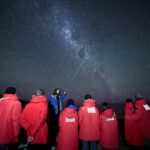
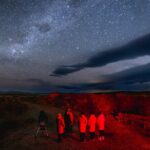
What I like about doing it during the day is that you’re not rushing around trying to catch brief sky breaks. You walk in, settle down, and learn how different cultures mapped the sky and used it. The Dark Sky Project sits in the heart of the Aoraki Mackenzie International Dark Sky Reserve, which gives the whole place a strong “this matters” vibe—like you’re getting the worldview behind the astronomy, not only the facts.
It’s also built for mixed groups. The format is structured, the exhibits are interactive, and the guides do the heavy lifting. You get a guided arc that makes sense even if you’re not an astronomy person.
The tone stays friendly. And yes, it’s the sort of place where kids can keep up without needing a stack of background books.
You can also read our reviews of more tours and experiences in Lake Tekapo.
Inside the Dark Sky Project: Four Interactive Zones You’ll Move Through
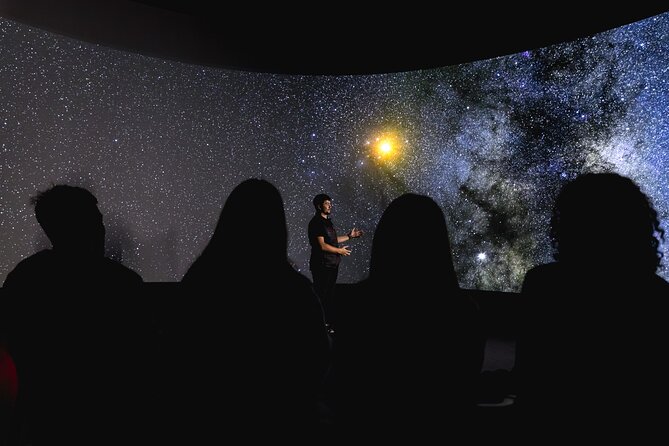
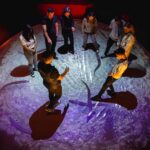
The whole experience centers on a guided tour through four zones. Think of them as four different angles on the same big idea: how the night sky helped people make sense of the world.
You start with the cultural and scientific link—Māori astronomy alongside scientific discovery. From there, each zone focuses on a specific theme so the learning doesn’t blur together.
Zone 1: Navigation with Constellations and Ocean Currents
One of the biggest “wait, that’s really cool” themes is how Māori used the sky and ocean clues for navigation. Instead of treating stars as decoration, this presents them as tools people relied on. You’ll hear how constellations and ocean currents worked together—one for direction and timing, the other for what the sea would actually do.
This is great for families because it makes the sky feel connected to real life. It’s not only myths and star names. It’s also motion, travel, and decision-making.
Zone 2: Star Clusters and What They Mean
Next, you’ll focus on star clusters and why they matter. The point isn’t just naming objects. It’s understanding how certain patterns stand out and how they can guide interpretation of the sky.
For adults, it’s a satisfying reminder that “astronomy basics” are often about pattern recognition. For kids, it’s a way to spot structure before it becomes overwhelming.
Zone 3: Mythology in the Stars
Then comes the story layer. Mythology connects the shapes in the sky with cultural meaning. It’s not presented as trivia. It’s presented as part of how people learned, remembered, and taught.
If you like learning that feels human—stories, meaning, and memory—this section is where you’ll feel it most. It also helps the sky stick in your head because you remember a narrative, not only a fact.


Zone 4: Scientific Discovery and the Bigger Picture
The final zone brings you back to the science side, with the experience including a science-based narrative about living beings and how they came to be. That balance—cultural knowledge on one side, science on the other—is a big reason this experience works.
You’re not forced to pick one “winner.” Instead, you’re shown how two knowledge systems can coexist and explain different needs: meaning, navigation, and understanding the natural world.
The Māori + Western Science Connection: What You’ll Actually Learn
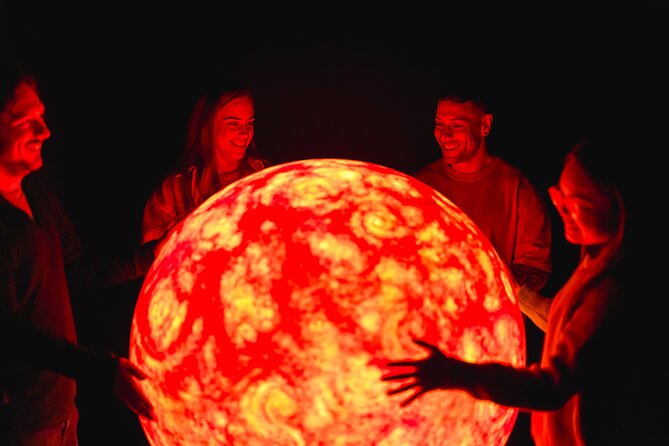
A lot of attractions say they blend cultures and science. This one does it in a way that feels grounded because it doesn’t treat Māori astronomy as a separate museum wing. It presents Māori astronomy as part of the same night-sky conversation that Western science has been having—just from a different starting point.
So you get practical takeaways: the sky as a calendar, as a map, and as a memory system. You also get the Western side: what modern discovery adds when you look at the universe with scientific methods.
The experience also specifically highlights that Māori understanding ties to navigation, agriculture, and life. That’s the difference between knowing star names and understanding what people did with those stars.
There’s also a very readable, straightforward presentation style. People appreciate it because the storytelling is easy to follow and the pacing keeps you engaged. Guides have been described as energetic and interactive, and the blend of European and Māori perspectives is often the highlight.
One more note: the experience is indoors, so you won’t be troubleshooting your eyes in the dark. You’ll focus on the content.
The Brashear Telescope: 125-Year-Old Victorian Tech in a Modern Show

The Dark Sky Project gives you a chance to view a restored 125-year-old Brashear Telescope. It’s described as a nine-meter-tall Victorian-era telescope, which is an impressive scale for something you’re seeing indoors.
Why does that matter for your visit? Because it adds a real-world anchor. When your mind is busy with constellations, mythology, and navigation stories, it helps to also see the instrument side of astronomy—the physical history of “how we observe.”
This also gives the experience more texture for adults who might worry a family show will be too light. The telescope makes the place feel serious. It’s not just colorful screens. It’s a tangible reminder that astronomy has always been about tools as much as it is about wonder.
You don’t need to know telescope parts to appreciate it. Just being near something that big and old gives you an automatic respect factor.
What the Experience Feels Like for Families (and the Weather)
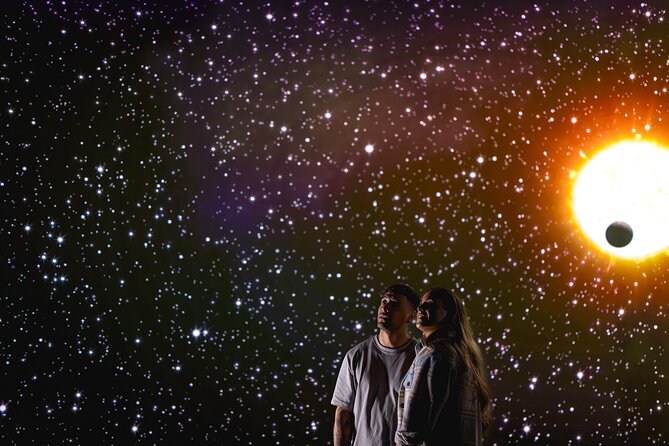
At about 45 minutes guided, with the whole stop running around an hour, this is a manageable chunk of time. The format is designed so kids can stay with you without melting down, and adults can still feel like they learned something.
Because it operates year-round, it’s also a smart choice for shoulder seasons and rainy stretches. If you’ve ever planned an evening outside and watched clouds win, you’ll understand why this matters.
It’s suitable for all ages, which usually means the guide’s delivery is adaptable. The four-zone structure helps too. You’re not trapped in one room the whole time.
Small practical note: snacks and coffee/tea aren’t included. If you’re with young kids or you’re sensitive to hunger, plan a quick stop before or after, so you’re not negotiating snacks mid-tour.
Price and Value: Is $37.56 Worth It?
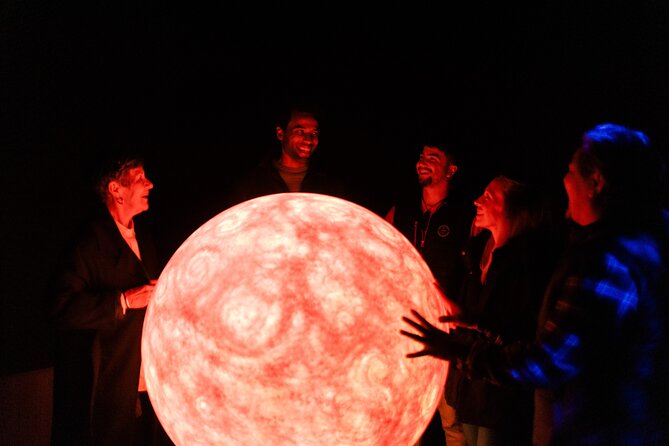
At $37.56 per person, this isn’t a budget throwaway. But it also isn’t overpriced when you match price to what’s included.
Here’s the value math that matters:
- You get admission to a guided tour through four interactive zones
- You see the restored Brashear Telescope
- It runs regardless of weather, which can save you from paying for a plan B later
- It’s limited to a group of up to 26, which keeps the experience from feeling like a free-for-all
- The content connects Māori astronomy and Western science, with themes like navigation and agriculture
If you’re only looking for the cheapest thing to do in Lake Tekapo, this might feel like a splurge. But if you want an activity that teaches, stays engaging for kids, and doesn’t depend on the sky behaving, the price starts to make sense fast.
Also, since it’s indoors, you’re paying for access to a controlled, guided learning experience—not only a view.
Practical Tips Before You Go
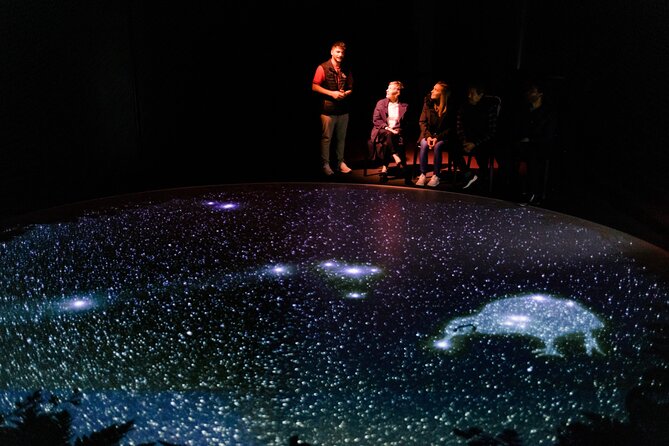
You’ll get the most from the tour if you show up ready to listen and participate. This isn’t a museum where you can drift; it’s built around a guided flow.
A few practical pointers:
- Bring the whole family’s attention span. The pacing is designed for kids, but you still get more if you’re present.
- If you’re traveling with a phone-only plan, know you’ll use a mobile ticket.
- Wear something comfortable for moving between zones.
- If you have specific questions about Māori astronomy vs Western science, this is a good place to ask because the structure supports it.
On location: you’ll meet at 1 Motuariki Lane, Lake Tekapo 7999. The activity ends back at the meeting point, so you can plan your next stop without a complicated shuffle.
Quick FAQ
FAQ
How long is the guided tour?
The guided tour is listed at about 45 minutes, and the overall experience is approximately 1 hour.
Is this experience indoors?
Yes. It’s an indoor exhibition designed to share night-sky knowledge during the day, and it operates year-round.
What does my ticket include?
Your ticket includes the 45-minute guided tour through four zones, guided storytelling, and access to view the restored Brashear Telescope.
Who is this experience for?
It’s suitable for all ages and is positioned as family-friendly, with interactive zones and multimedia-style presentation.
Where do I meet for the tour?
The meeting point is 1 Motuariki Lane, Lake Tekapo 7999, New Zealand.
What’s the group size?
This activity has a maximum of 26 travelers.
What should I bring for food and drinks?
Snacks and coffee/tea are not included.
Should You Book It?
Book the Dark Sky Indoor Māori Cultural Astronomy Experience if you want a learning-focused activity in Lake Tekapo that works in any weather. It’s a strong choice for families because the four-zone tour keeps things moving, and the guide-led format helps kids follow along.
I’d skip it only if your goal is purely to stare at real night sky through an outdoor telescope. This is about culture, storytelling, and guided understanding—plus a look at the restored Brashear Telescope. If that’s what you want, it’s a smart use of time for the Aoraki Mackenzie Dark Sky setting.