REVIEW · CANTERBURY NEW ZEALAND
Twizel Stargazing Experience with a Guide (Carbon Positive)
Book on GetYourGuide →Operated by Silver River Stargazing · Bookable on GetYourGuide
Twizel at night feels unreal. This guided stargazing session in the Aoraki Mackenzie International Dark Sky Reserve pairs the Milky Way with serious telescope time, and I love that you get high-quality telescopes plus a guide who helps you make sense of what you’re seeing. The possible drawback is simple: you’ll be standing outside in the dark for about 75 minutes, so pack for cold weather and expect tours that can run late, sometimes after midnight.
What made it feel worth the money to me is the “small group, big attention” approach. Tours cap at 20 people, so you’re not squeezed into a long line. You also get a complimentary digital photograph of your group under the stars, which is a nice keepsake when the night goes by fast.
In This Review
- Key things I’d circle before you go
- Twizel’s dark-sky setting: why the sky looks different here
- Meeting up in Twizel: shuttle pickup and getting there on time
- What happens during the 75 minutes of telescope time
- What you’ll actually see: Milky Way, galaxies, clusters, and planets
- The guide effect: Neal, Jamie, and Sam set the tone
- Small group rules: why 20 people feels different at a telescope
- Price and value: is $59 reasonable for what you get?
- Weather reality: clear sky luck is part of the game
- What to bring and what to skip (so the night stays enjoyable)
- Who should book this Twizel stargazing tour
- Should you book? My honest take
- FAQ
- Where is the pickup for the Twizel stargazing tour?
- If I’m driving, can I park nearby?
- How early should I arrive?
- How long is the experience?
- How many people are in each tour?
- What language is the guide?
- What will we look at through the telescopes?
- Is flash photography allowed?
- What should I bring?
- Can the tour start after midnight?
Key things I’d circle before you go
- Aoraki Mackenzie International Dark Sky Reserve views are the main event, with the night sky at its clearest
- 75 minutes of guided stargazing with time at telescopes, not just a quick look
- Deep-sky targets like the Milky Way, distant galaxies, star clusters, and planets
- Small group cap (20 people) means more telescope time and more chances to ask questions
- Guide-led stories in English, with named guides like Neal, Jamie, and Sam often leading the experience
- A complimentary digital photo of your group under the stars
Twizel’s dark-sky setting: why the sky looks different here
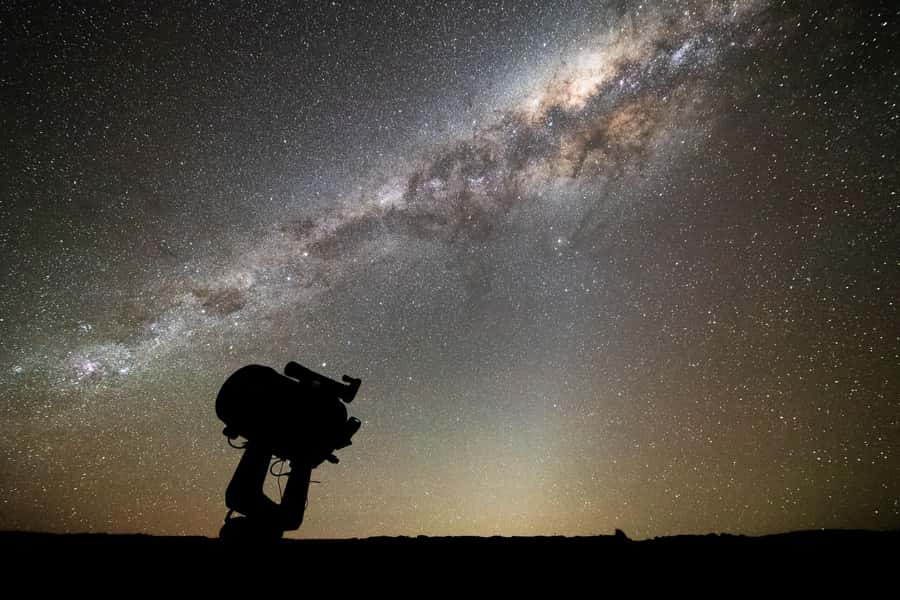
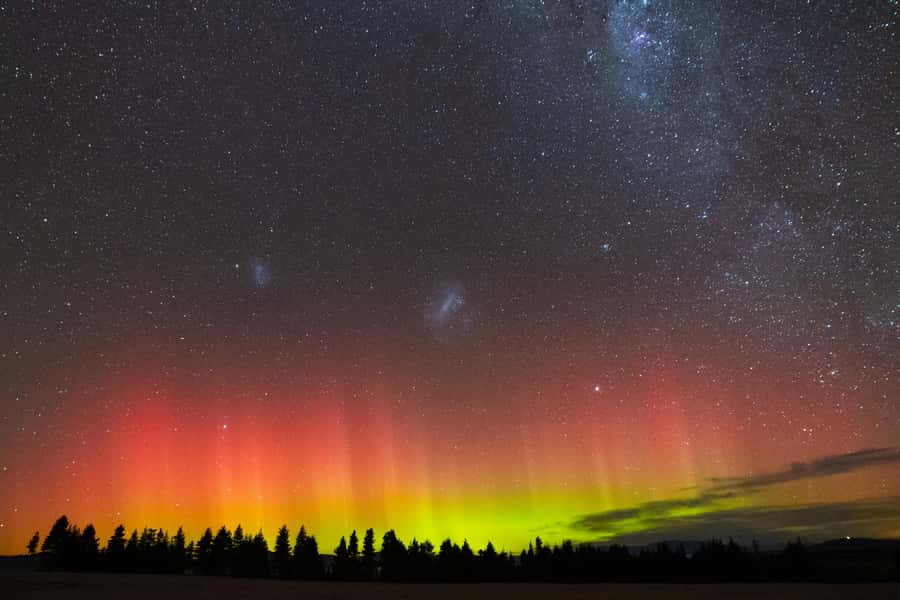
If you’ve ever tried stargazing near city lights, you know the problem: the sky turns gray, and the stars you do see feel scattered and faint. Twizel sits in a place made for night-sky viewing—the Aoraki Mackenzie International Dark Sky Reserve. The big value here is contrast. When the sky is genuinely dark, the Milky Way becomes more than a cloudy band. It starts to look structured, like it has depth.
I also like the way the Southern Alps backdrop fits into the experience. Even before you look through a telescope, the quiet, remote feel helps your brain switch modes. You’re not just watching stars; you’re stepping into a different scale of time. That’s the kind of feeling that tends to stick after the trip.
You can also read our reviews of more tours and experiences in Canterbury New Zealand.
Meeting up in Twizel: shuttle pickup and getting there on time
This tour is built around a simple setup: arrive early, get transferred to the viewing spot, then get straight into stargazing. You’ll want to plan on showing up 15 minutes before your scheduled start time. The shuttle van picks you up at the hotel entrance, and there’s a Twizel Stargazing footpath signboard to help you find the right spot.
If you’re driving yourself, you can park in the hotel car park zone. One practical note: there isn’t a separate office at the hotel. If you arrive early and don’t see anyone right away, don’t stress—the team arrives to pick you up shortly before the tour starts.
Why this matters: stargazing depends on steady timing. If you arrive late, you lose part of the best viewing window. And because some tours may start after midnight, being early is the easiest way to avoid a rushed, annoyed start.
What happens during the 75 minutes of telescope time
The whole tour clocks in at 75 minutes. That’s short enough to keep it energetic, but long enough for real viewing. Here’s how the night typically unfolds, in plain terms:
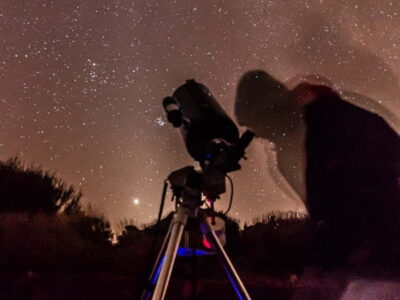
First, you’ll get onboard with the guide and settle in for the evening briefing. Then you’ll move through a series of sky targets using the telescopes—starting with the Milky Way, then shifting to deep-sky objects like distant galaxies and star clusters, and finishing with views of planets when conditions allow.
Along the way, the guide helps you connect what you’re seeing with the names and stories behind the sky. This is a key difference from casual “here’s a star” explanations. You’re learning patterns—how to orient yourself, what certain objects tend to look like, and what to pay attention to in the telescope view.
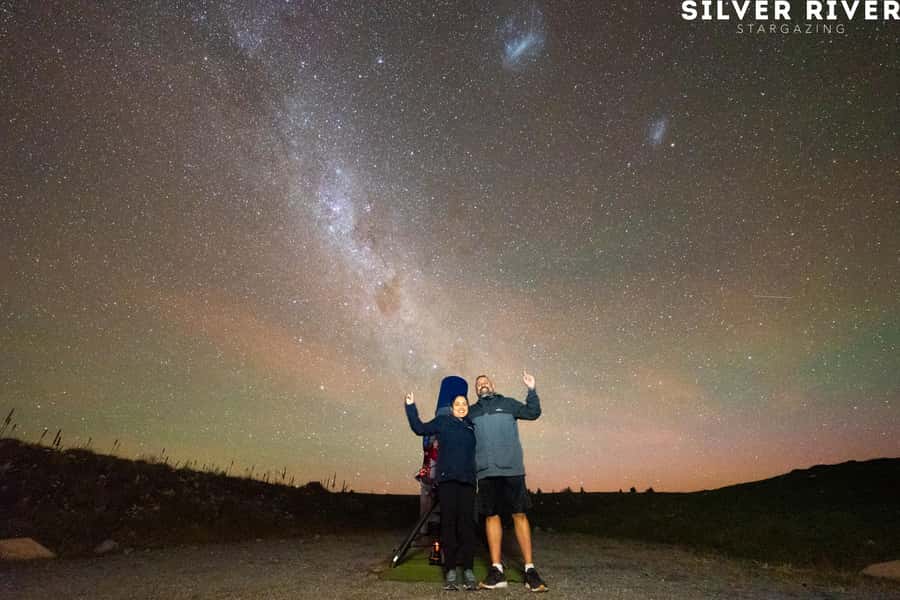
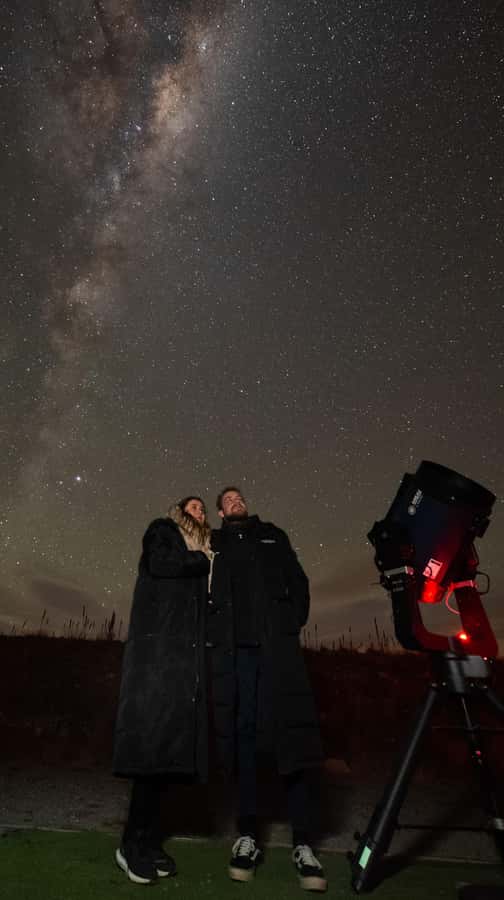
Finally, you wrap up at the end of the 75 minutes, with a complimentary digital photograph of you and your group under the stars. That part is small, but it helps. A night sky experience can feel personal and hard to “prove” afterward, and the photo gives you something to take home that matches the memory.
What you’ll actually see: Milky Way, galaxies, clusters, and planets
Let’s talk about the targets, because this is where the tour earns its keep.
You’re set up to see:
- The Milky Way
- Distant galaxies
- Star clusters
- Planets
The Milky Way is usually the first big wow. Under dark skies, it reads as a clear, structured band rather than a faint smudge. The telescope views add detail and help you appreciate how much light is coming from objects so far away.
The deep-sky items—especially galaxies and star clusters—are where a guide earns their pay. These objects can be hard to recognize if you go in totally cold. With the telescopes, the goal isn’t just “see something.” It’s “see something and understand what you’re looking at.”
And planets are a great finale because they’re usually bright and distinct compared with faint, fuzzy deep-sky targets. Even if planets aren’t the same for every night, the tour is designed to include them as part of the viewing plan.
One more thing: no flash photography is strictly enforced. That’s not just a rule to be bossy. Flash wrecks everyone’s night vision, and it makes the telescope experience worse for the whole group.
The guide effect: Neal, Jamie, and Sam set the tone
Stargazing is one of those activities where the guide can turn it from a photo op into a real experience. In the field, I look for guides who can explain without talking down and who can keep the energy up when people are tired, cold, or just wide-eyed.
This tour’s guide team often includes people like Neal, Jamie, and Sam. In past nights, they’ve been described as entertaining and genuinely good at explaining what’s in the sky, not just pointing at it. That’s exactly what you want on a 75-minute tour: enough clarity that you leave feeling like you learned something, not like you just stood in the dark.
If you’re a first-timer, the guide helps you get your bearings fast. If you’re already into astronomy, you’ll likely enjoy the extra context behind the objects you’re seeing through the telescope.
Small group rules: why 20 people feels different at a telescope
A big part of the quality here is the group size. Tours are capped at 20 people, which keeps the telescope-to-guest ratio low. That’s a practical advantage because stargazing isn’t like a museum where you can look for 5 seconds and move on.
With telescopes, you want:
- enough time to line up your view
- time to ask a question
- time for the guide to adjust and help
When you’re in a bigger group, telescope sessions can feel rushed and repetitive. Here, that pressure is reduced. The result is that you spend more of the 75 minutes actually looking through the equipment, instead of waiting your turn or standing around wondering what you’re missing.
Price and value: is $59 reasonable for what you get?
At $59 per person for 75 minutes, the price feels fair when you break it down.
You’re paying for:
- guided astronomy instruction in English
- high-quality telescopes used for deep-sky viewing
- access to dark skies in the Aoraki Mackenzie International Dark Sky Reserve
- a complimentary digital photo of your group
- a complimentary shuttle from the pickup point to the stargazing site
The telescope and guiding piece is the real value. If you were to replicate the experience on your own, you’d need the dark-sky access plus equipment plus the know-how to aim and interpret what you see. Even if you’re handy with apps, telescope viewing isn’t just “find a star.” It’s alignment, focus, and understanding what the blurry-looking things actually are.
So, for $59, you’re mostly buying time and expertise, not just the view.
Also, the experience is listed as carbon positive. You can’t judge environmental impact from one label alone, but if that matters to you, it’s good to see sustainability mentioned directly.
Weather reality: clear sky luck is part of the game
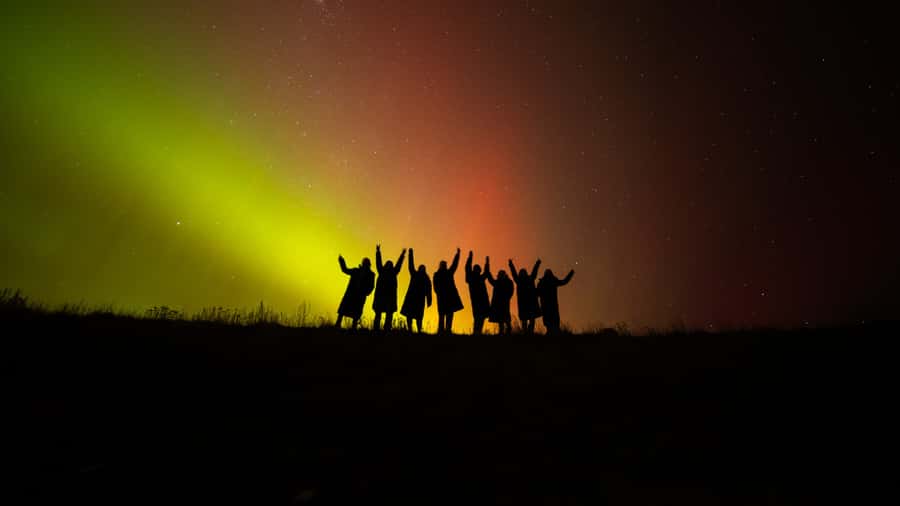
Stargazing lives and dies by the sky. The supplied experience notes include one traveler who got lucky with 0% cloud cover at Twizel after having 100% cloud cover the day before elsewhere. That’s a strong reminder that even a great plan can be limited by clouds.
What you can do: bring the right clothing so you’re comfortable no matter what the night brings, and treat it like a “chance to see the sky at its best” rather than a guaranteed show. When conditions cooperate, you’ll get the full mix—Milky Way, galaxies, clusters, and planets. When they don’t, you might still enjoy the guidance, but the view may be less dramatic.
What to bring and what to skip (so the night stays enjoyable)
This is a weather-and-visibility activity. You’ll enjoy it more if you dress like you expect it to be cold.
Bring:
- comfortable shoes
- warm clothing
Plan to avoid:
- flash photography
- alcoholic drinks in the vehicle
- making noise
The no-noise rule sounds obvious, but it’s worth taking seriously in practice. In a dark-sky setting, quiet helps everyone focus and keeps the group experience smooth.
Who should book this Twizel stargazing tour
This fits best if you want:
- a guided experience rather than solo stargazing
- telescope time you can’t easily replicate on your own
- a short, focused evening (75 minutes)
- a small group atmosphere capped at 20
It also works well if you’re new to astronomy. You’ll get help identifying what you’re seeing and understanding the basics behind the sky objects.
If you hate cold, or you’re counting on a fixed start time earlier in the day, you might want to think twice. The tour may start after midnight, and it’s an outside experience.
Should you book? My honest take
I’d book this if you’re traveling through the South Island and you want one night where the sky is the star. Twizel’s dark-sky setting plus telescope-led viewing is the core reason, and the small group cap makes it feel personal instead of crowded.
Also, the inclusion of a complimentary digital photo is a practical touch. Stargazing memories are great, but it’s nice to have a visual reminder that your group was actually there under the night sky.
If you’re flexible about timing and you pack warm clothes, this is a strong value at $59 for 75 minutes of guided astronomy in one of New Zealand’s best-known dark-sky areas.
FAQ
Where is the pickup for the Twizel stargazing tour?
The shuttle picks you up at the hotel entrance. You should arrive 15 minutes before your scheduled start time.
If I’m driving, can I park nearby?
Yes. You can park at the hotel car park zone.
How early should I arrive?
Arrive 15 minutes before the scheduled tour start time so the shuttle can take you to the stargazing site.
How long is the experience?
The tour lasts 75 minutes.
How many people are in each tour?
Tours are capped at 20 people.
What language is the guide?
The live tour guide speaks English.
What will we look at through the telescopes?
The tour includes views of the Milky Way, distant galaxies, star clusters, and planets.
Is flash photography allowed?
No. Flash photography is not allowed.
What should I bring?
Bring comfortable shoes and warm clothing.
Can the tour start after midnight?
Yes, tours may start after midnight. Check consecutive dates for availability.