REVIEW · LAKE TEKAPO
Mount John Observatory Stargazing Experience, Tekapo
Book on Viator →Operated by Dark Sky Project · Bookable on Viator
Dark skies up Mt John feel unreal. I love the way you get Mount John Observatory summit access in the Aoraki Mackenzie International Dark Sky Reserve, and I love the guided pointers that make laser pointers and telescopes feel usable even if you’re new to astronomy. The one drawback to plan around is weather: cloud cover can reduce the view or even mean an alternate indoor option.
This is a 1 hour 45 minutes night on a 1,029 metre peak above Tekapo, starting with a check-in in Lake Tekapo and ending back in town. You’ll also get Extreme Cold Weather jackets, which matters, because it can be really cold once you’re up on the summit.
One more practical thing: you’ll be moving around in the dark with a strict “keep light to a minimum” vibe. Expect group-based night safety, and you may be asked to avoid white light/torches so your eyes stay adapted—smart, even if it feels a little odd at first.
In This Review
- Key highlights I’d plan for
- Mount John’s Dark Sky Reserve: what you’re paying for
- From Lake Tekapo to 1,029m: the 1 hour 45 minutes flow
- Stop 1: Dark Sky Project check-in and the ride up
- Stop 2: University of Canterbury Mt John Observatory summit viewing
- Telescopes, laser pointers, and targets in the Southern Sky
- Cold-weather gear and simple rules for clear photos
- Price and value: $139.39 buys access, not just talking
- Weather reality: what happens when clouds move in
- Who this Mt John stargazing night suits best
- Should you book Mount John Observatory stargazing in Tekapo?
- FAQ
- How long is the Mount John Observatory stargazing experience?
- What’s included in the $139.39 ticket?
- Are English and Mandarin tours available?
- What happens if it’s cloudy or bad weather?
- Can I get a full refund if I cancel?
- Are children allowed?
- Is it suitable for people with mobility issues?
Key highlights I’d plan for
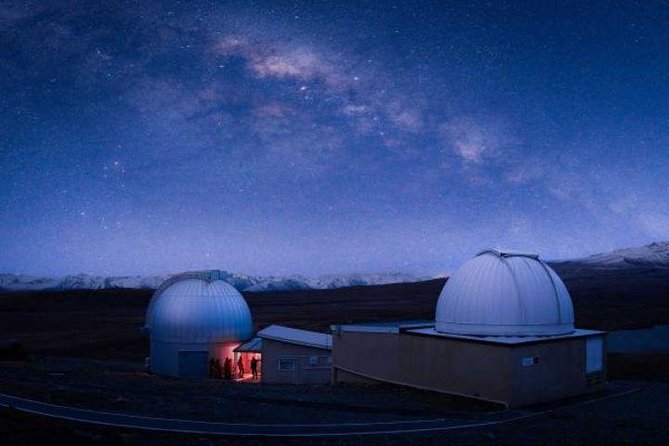
- Summit stargazing in the Aoraki Mackenzie Dark Sky Reserve: you’re up where the sky is dark on purpose, not by accident.
- Naked-eye guidance plus telescope time: laser pointer constellations, then real views through advanced equipment.
- University of Canterbury Mt John Observatory setting: access to a serious research site, not a casual “look up” event.
- Small group scale: capped at 22 per time slot (with an overall maximum of 30 travelers for the activity).
- Cold-weather kit included: extreme cold jackets are provided, and you still should layer up.
Mount John’s Dark Sky Reserve: what you’re paying for
You’re not just buying an hour of star watching from a random hillside. You’re paying for access to a place built for astronomy, with night-sky rules that protect visibility—like limiting stray light. That’s the quiet reason why Mt John stargazing tours tend to feel different from casual sightseeing at night.
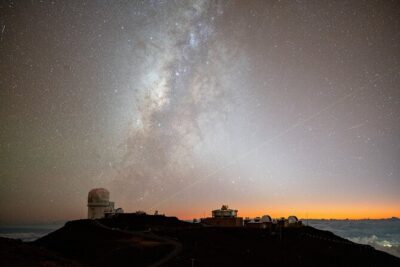
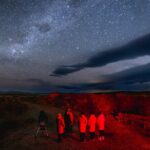
The setting is part of the Aoraki McKenzie International Dark Sky Reserve, described as the Southern Hemisphere’s largest International Dark Sky Reserve and also the largest Gold standard reserve in the world. Translation for your brain: the sky conditions are managed, and that management is exactly what lets the Milky Way, star clusters, and far-off objects show up in a way that feels almost unfair.
On a clear night, the guide storytelling lands better too. When the sky is truly dark, constellations stop being “patterns from a book” and start looking like a map you can actually navigate.
You can also read our reviews of more tours and experiences in Lake Tekapo.
From Lake Tekapo to 1,029m: the 1 hour 45 minutes flow
The total experience runs about 1 hour 45 minutes. Your evening is structured so you’re not left cold and waiting around in the dark without context.
You’ll start in Lake Tekapo with check-in, then get transported up to the summit of Mount John (1029m). After you settle in, the core viewing time happens at the University of Canterbury Mt John Observatory area on the summit.
Timing is tight in a good way: enough minutes to get your eyes used to the dark, plus enough telescope time to see something you can’t see with your own eyeballs. If you’re the type who wants instant payoff, this tour style works.
Also, plan to arrive with a calm attitude. This isn’t a “take your time wandering the summit.” It’s guided, structured, and built around protecting night vision.
Stop 1: Dark Sky Project check-in and the ride up
Your first stop is the Dark Sky Project team in Lake Tekapo. That’s where you collect your bearings for the night and meet your group before heading up the mountain.
This segment is only about 15 minutes, but it matters. You’re not just being transported—you’re being set up. The summit is cold, and you’re going from town conditions to a place where things feel harsher fast. Getting the check-in out of the way means more of your limited night time goes to stargazing.
This stop includes the admission ticket for that portion of the experience. You’ll also get part of the “night routine” briefing here, which helps when the guide later asks you to do very specific things with minimal light (phones, torches, and anything that throws brightness into other people’s faces).
Stop 2: University of Canterbury Mt John Observatory summit viewing
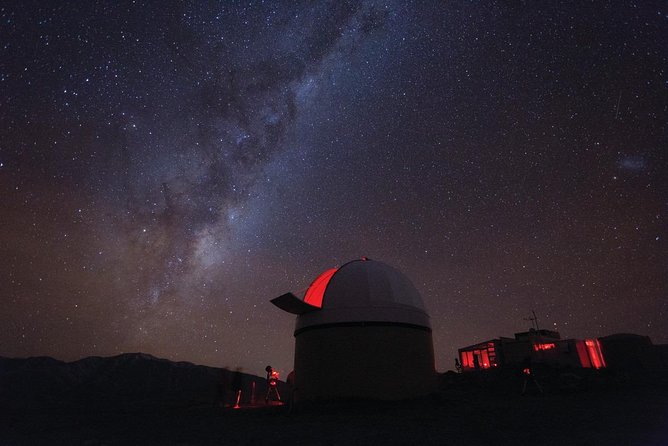
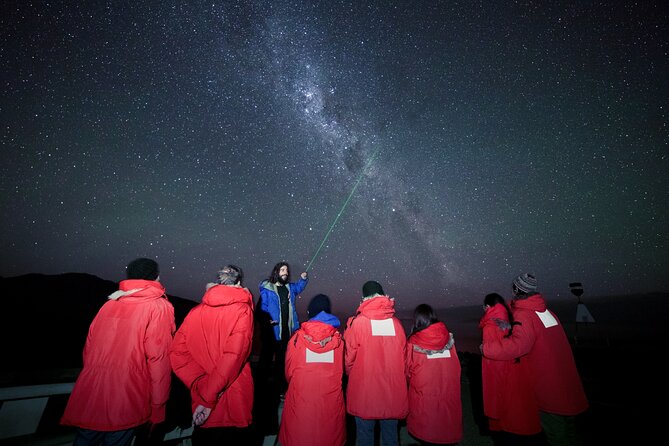
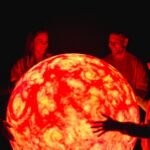
The main event happens on the summit with exclusive access to the University of Canterbury Mt John Observatory. This is where the experience becomes genuinely educational and not just scenic.
Your expert astronomy guide runs a mix of:
- Guided naked-eye stargazing using laser pointers so you can find targets quickly
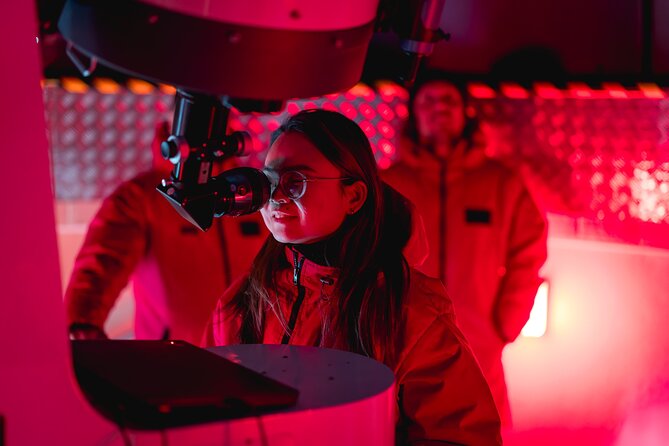
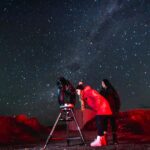
- Telescope viewing through advanced observatory equipment
The guide format is also designed for mixed experience levels. If you’re new, you’ll get names, patterns, and the “how to read the sky” logic. If you already know a bit, you’ll get pointed at specific objects to look for, and the telescopes help you see structure and detail that your eyes won’t catch alone.
Language is handled in two ways: guides operate in English and Mandarin. Still, there’s a strict rule—if you can’t speak the language of the tour, you won’t be allowed to join due to health and safety. That’s not being picky; it’s about keeping a large group coordinated at night.
You might also meet guides with names like Kieran, Alice, or Olive, who are mentioned in standout experiences. Even if your guide is different, the style is clearly meant to be lively and engaging.
Telescopes, laser pointers, and targets in the Southern Sky
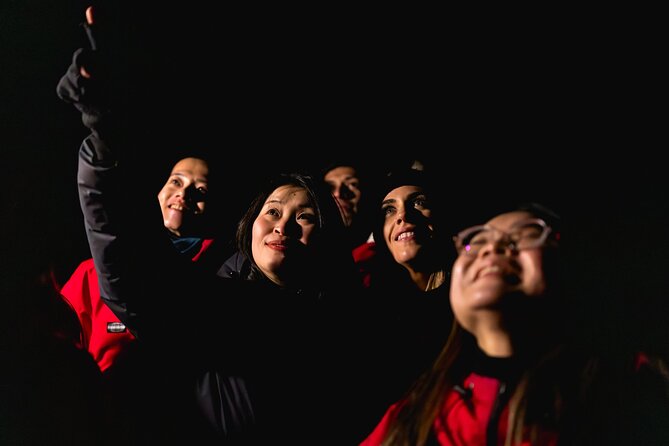
This tour does a smart thing: it doesn’t force you to wait until the telescope to have fun. You start with guided naked-eye viewing, then the telescopes take over.
With laser pointers, you’re less likely to feel lost. Instead of standing there squinting and wondering what you’re supposed to see, the guide can point out constellations, explain what’s going on, and show you how to recognize features in the night.
Then you shift to telescope viewing. Expect powerful observatory gear and specific objects. The experience is described around targets like:
- the incredible Milky Way
- far-off planets (depending on the night)
- star clusters
- constellations
- and even the possibility of seeing a distant galaxy
One small practical tip from how these sessions work: your eyes need time. On cold, dark summits, you’ll do better if you avoid fiddling with bright screens. If someone offers you a quick photo with your phone, ask where to stand so you don’t ruin the night vision adaptation for yourself or the group.
Some tours have also cycled through multiple telescopes in one session, so you may get more than one “look” per target or switch between instruments during the night.
Cold-weather gear and simple rules for clear photos
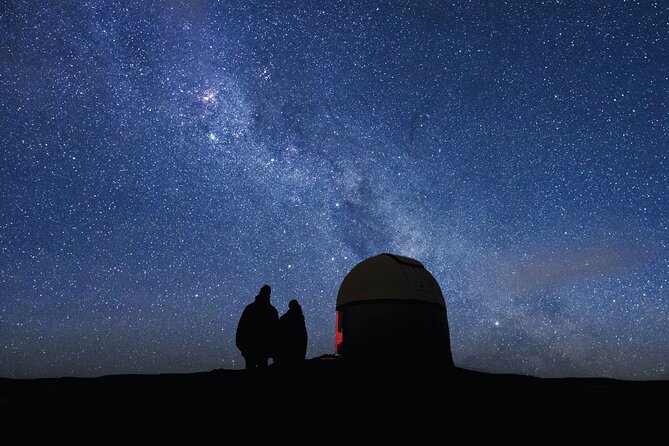
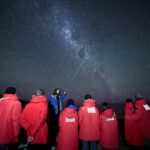
Yes, it’s cold. Even if you dress for a chilly evening in town, the summit can feel much sharper. The good news: the tour provides Extreme Cold Weather jackets, which reviewers consistently highlight as helpful.
But jackets aren’t a magic shield. Wear warm layers under them. If you’ve ever underestimated night temperatures on a mountain, this is your reminder. You’ll be standing still while you wait for the next view, and your hands will notice the cold first.
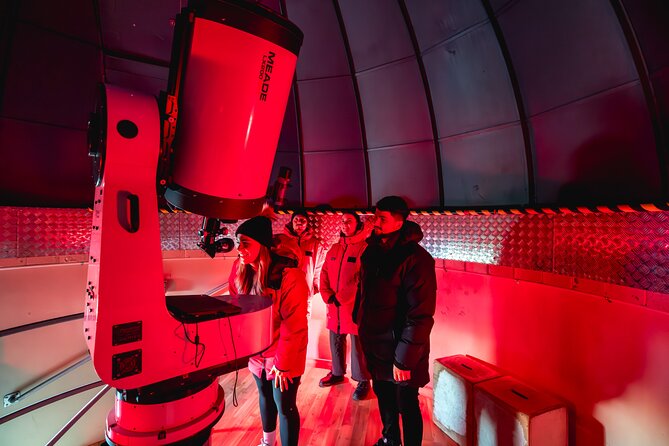
Lighting rules are also part of the experience. You may be asked not to use white light/torches during the session, which helps keep night vision intact. If you’re planning to bring your camera, remember that bright flashes and phone lights can make the experience worse for the whole group.
If you’re sensitive to discomfort, you’ll be happiest if you treat this like a serious night outing:
- dress like you’re going to be outside for hours, not minutes
- keep moving only when the guide asks
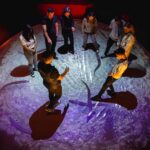
- stay close to your group so you don’t lose your bearings in the dark
Price and value: $139.39 buys access, not just talking
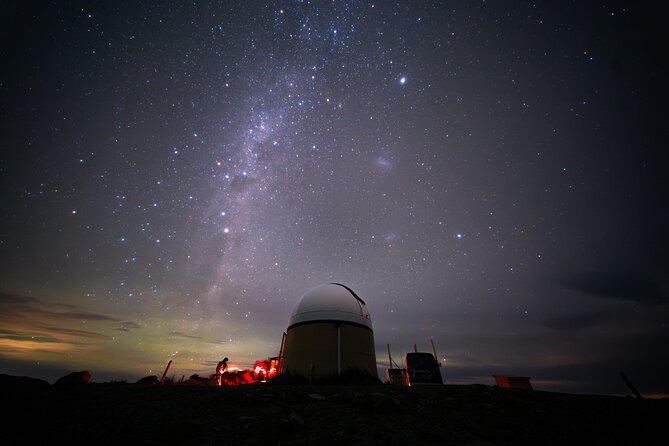
At $139.39 per person, this isn’t a throwaway add-on. But it’s not overpriced for what it includes, either.
Here’s what you’re actually getting for the money:
- Return transport from Tekapo township
- summit access to the Mount John Observatory area
- expert astronomy guides in English or Mandarin
- guided naked-eye stargazing with laser pointers
- telescope viewing through advanced equipment
- extreme cold weather jackets provided
That combination is the value. If you tried to replicate it on your own, you’d pay for transport, optics, and the hard part—finding and maintaining a truly dark-sky viewing setup. The tour hands you the whole package, and it’s scheduled so you don’t waste time.
It also helps that the operator limits group size. Smaller groups mean the guide can keep better control of the night environment and help more people actually locate objects in the sky.
If you’re deciding between “pretty night views” and “this is a real astronomy session,” this ticket leans hard toward the second option.
Weather reality: what happens when clouds move in
This experience is weather-dependent. That’s not a vague warning—it’s a real part of how the night works.
On some nights, cloud cover shifts just enough that the guide can still show a good portion of the sky and work around it as clouds move. On other nights, the tour may be canceled due to cloud cover. If it can’t run, you may be offered an alternate indoor experience.
Two ways to think about it:
- If you’re flexible with dates, you’ll feel better about booking and letting weather have a say.
- If you’re the kind of person who needs a guaranteed Milky Way spectacle no matter what, you’ll want to build extra options into your Tekapo schedule.
Also, moon phase matters for what you’ll see. A practical tip: if you’re aiming for the Milky Way, choose nights without a full moon when you can.
Who this Mt John stargazing night suits best
This tour is ideal if you:
- want guided stargazing that works for beginners
- are excited to see the Milky Way and get pointed at specific objects
- like structured experiences at night rather than wandering on your own
- don’t mind cold (and will layer up even with the jacket)
It’s also a good fit for groups and couples who want a shared activity that doesn’t involve phone screens all night.
It’s not a great match if you have mobility issues, since it’s described as not recommended for travelers with mobility challenges. At this altitude and in low light, the practical demands are real.
Children can join, but they must be accompanied by an adult, so plan on having a responsible adult keeping the child close and following night-safety rules.
Should you book Mount John Observatory stargazing in Tekapo?
If you’re in Lake Tekapo and you care about stars more than photo backdrops, I think this is a strong book. You’re paying for summit access, telescope time, laser-guided naked-eye viewing, and cold-weather readiness. It’s designed to turn dark sky into something you can understand—not just something you admire from afar.
Book it especially if you have an interest that’s more than casual. Even if you only have a passing curiosity, the guide format helps you leave with real names and real locations in the sky.
The only reason I’d hesitate is if you can’t handle weather risk. Clouds can cancel the experience or push you into an indoor alternative, so bring patience and consider booking a flexible date.
FAQ
How long is the Mount John Observatory stargazing experience?
It runs for about 1 hour 45 minutes.
What’s included in the $139.39 ticket?
Your ticket includes return transport from Tekapo township, exclusive summit access, expert astronomy guides, guided naked-eye stargazing with laser pointers, telescope viewing using advanced observatory equipment, and extreme cold weather jackets. Meals and snacks are not included.
Are English and Mandarin tours available?
Yes. Expert astronomy guides are listed as English & Mandarin. You’re required to speak the language of the tour for health and safety reasons, and if you cannot speak the language, you won’t be allowed to join.
What happens if it’s cloudy or bad weather?
The experience requires good weather. If weather prevents it from operating, an alternate indoor experience may be offered. If it’s canceled due to poor weather, you’ll be offered a different date or a full refund.
Can I get a full refund if I cancel?
Yes—free cancellation is available. You can cancel up to 24 hours in advance for a full refund.
Are children allowed?
Most travelers can participate. Children must be accompanied by an adult.
Is it suitable for people with mobility issues?
It’s not recommended for travelers with mobility issues.