REVIEW · CUSCO
Planetarium Cusco OFFICIAL SITE: Andean Astronomy experience
Book on GetYourGuide →Operated by Planetarium Cusco · Bookable on GetYourGuide
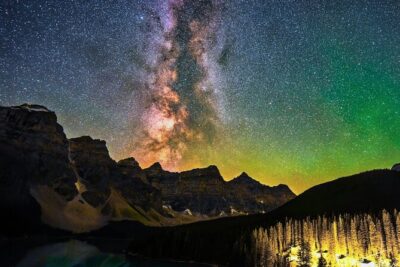
If you like the sky, Cusco has answers. This Andean Astronomy experience turns Inca cosmovision and modern astronomy into one guided night, with a dome show plus a real telescope session when the weather cooperates.
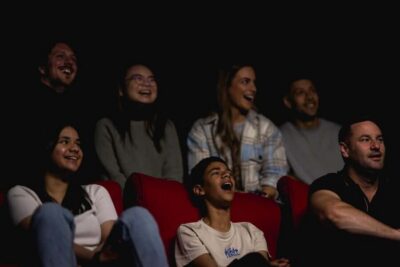
I especially love the dome projection portion, because it makes the southern sky feel close and readable, even if you have no astronomy background. I also like the human side: the guides run it warmly and clearly, and the group stays small enough that the explanations land. One drawback to plan around: on cloudy nights you may get less visible starlight outside, since the telescope part depends on weather.
In This Review
- Key things to know before you go
- A 17:30 start that gets you to the stars on time
- Cusco’s interpretation rooms: Inca sky ideas before the lights go out
- 18:40 dome show: learning the southern sky without needing a textbook
- Outside stargazing with telescopes: weather is the boss
- Timing and pacing: what you’ll do between 18:05 and 19:40
- What to bring (and how to stay comfortable)
- Price and value: is $28 worth it?
- Who this experience is best for
- Quick FAQ
- FAQ
- Where is the meeting point?
- What time does the tour start?
- How long is the Planetarium Cusco Andean Astronomy experience?
- Is the tour offered in English?
- Is stargazing with a telescope included?
- Do I need to bring food?
- What should I bring for the night?
- Is it suitable for young children?
- Should you book Planetarium Cusco?
Key things to know before you go
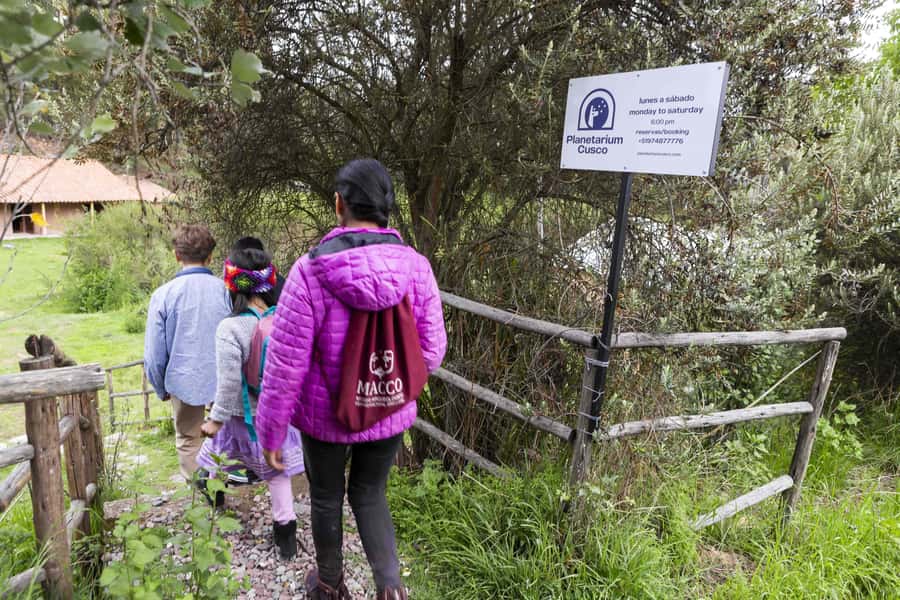
- Regocijo Square at 17:30: you start near the main Plaza, then get transported quickly to the planetarium.
- Interpretation rooms first: you get context on Inca astronomy before the dome takes over.
- 18:40 southern-sky dome show: constellations and sky ideas are explained in a guided narrative.
- Telescope time outdoors: included when conditions allow, so you’re not just watching a show.
- Warmth matters: comfortable shoes and warm layers are a must; blankets may be available inside.
- Small-group feel: you get personal attention instead of feeling lost in a crowd.
A 17:30 start that gets you to the stars on time
You meet at the Plaza Regocijo, right in the middle, next to the fountain. The tour time is tight for a reason: Cusco nights can change fast, and they want you in place before the dome and stargazing windows.
At 17:30 sharp, you gather with your guide and then take a short walk to transport. You ride for about 10–15 minutes to the planetarium. This is practical—Cusco’s streets are not the kind of place you want to be figuring out while you’re also watching the sky.
You’ll arrive around 18:05, with enough time to settle in before the main show. That pacing matters because the experience doesn’t start with lights and chaos. It starts with explanations.
You can also read our reviews of more tours and experiences in Cusco.
Cusco’s interpretation rooms: Inca sky ideas before the lights go out
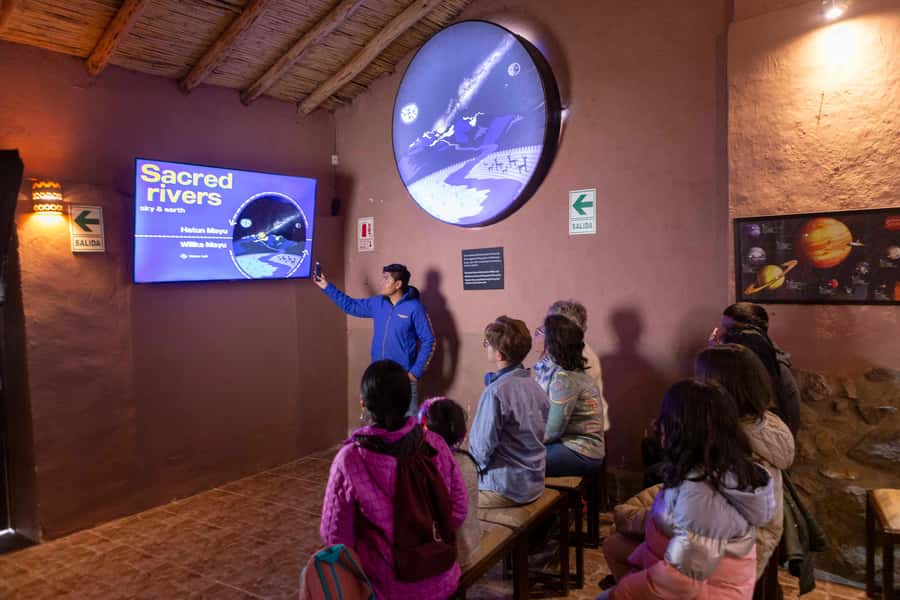
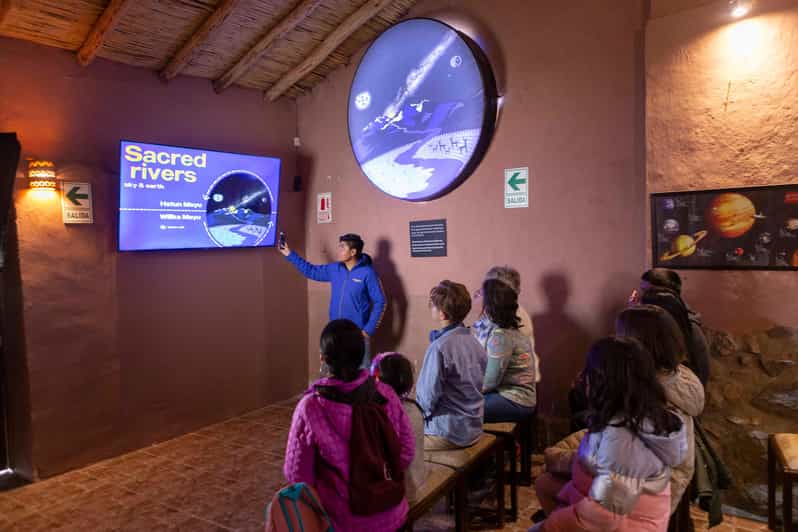
Once you’re inside, you begin with an introduction in interpretation rooms. This is where the night starts making sense. Instead of treating the sky like random dots, you’re shown how ancestors read it and how those patterns shaped knowledge and planning.
The goal here is not “facts for facts’ sake.” It’s about meaning—how people connect stories, seasons, and the movements of the sky. Even if you’ve read about the Inca before, this kind of framing helps you connect the names you may know with what you’ll see later in the dome projection.
A nice detail from people who’ve done this before: the atmosphere can feel friendly and a bit humorous, without turning serious ideas into a joke. The guides also run it in Spanish and English, and English is strong enough that you should have no trouble following the explanation.
18:40 dome show: learning the southern sky without needing a textbook
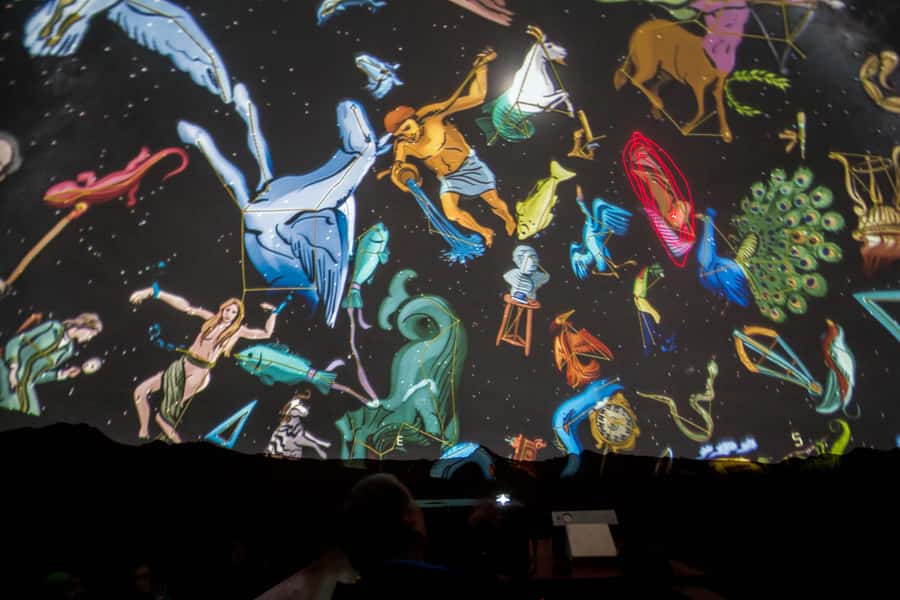
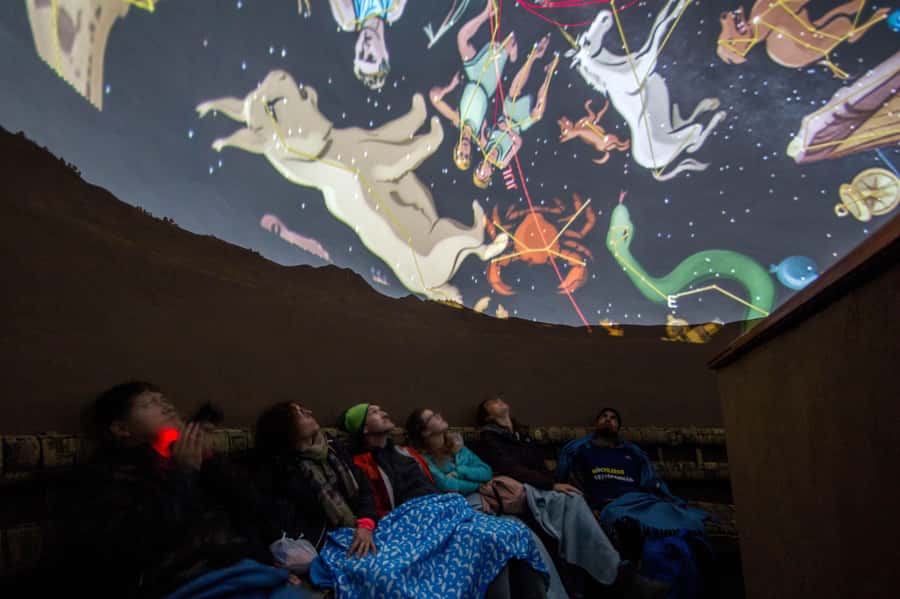
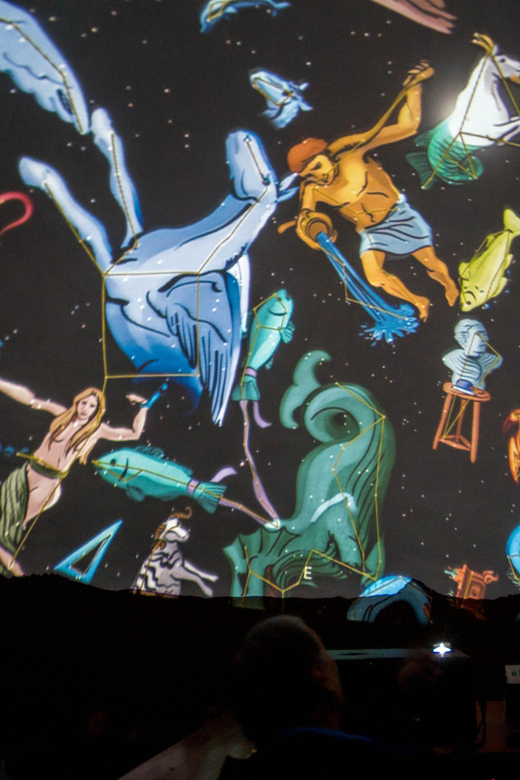
Around 18:40, you move into the dome for the main virtual projection of the southern sky. This is the part that turns abstract astronomy into something you can actually track.
You’ll watch the sky map unfold in a way that’s guided, not random. The show connects Inca constellations with the broader southern-sky view, so you’re learning in layers. First you hear the idea; then you see where it sits in the sky.
This dome portion is also a great equalizer. If you’re new to astronomy, you’ll have a route in. If you’re not new but you don’t know much about Andean traditions, you’ll still get something fresh. One extra detail worth knowing: the presentation can include references that go beyond just Inca astronomy—like mentioning Anaximander as an early figure in the history of ideas. That’s a signal the show isn’t trapped in only one direction.
Even if you end up with clouds outside later, the dome is designed to do most of the heavy lifting. People often call out how impressive the dome itself is, because it doesn’t depend on the night being perfect.
Outside stargazing with telescopes: weather is the boss
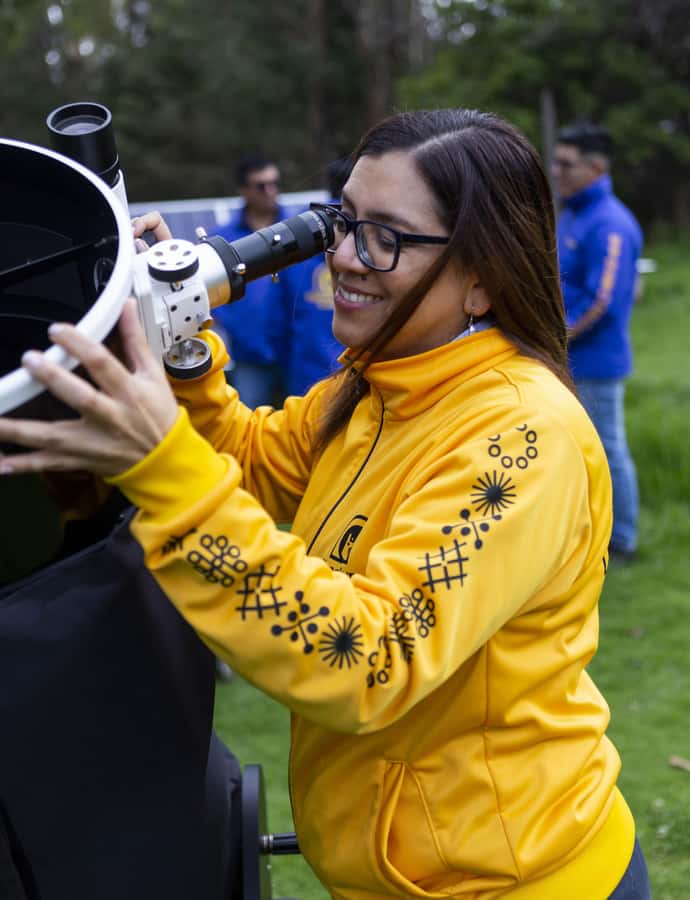
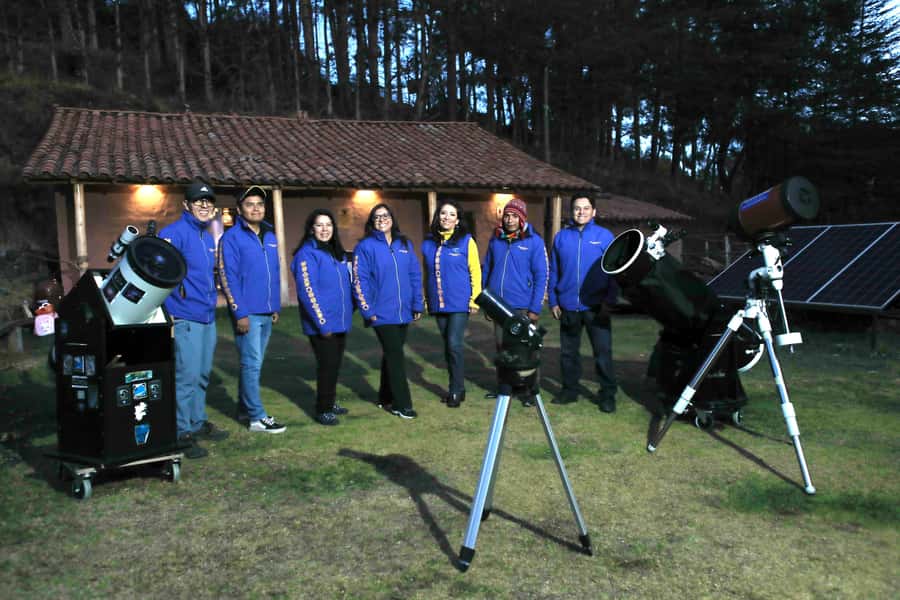
After the dome show, darkness gives you a chance to switch from projection to reality. Around the time you’re doing the dome program and then transitioning out, the plan includes stargazing with telescopes depending on conditions.
Here’s the honest part: if it’s cloudy, you may not see much with the naked eye. And when visibility drops, the telescope session can also be limited. Still, the experience is built to try hard. On cloudy nights, they may work to get some views of planets and bright objects through the telescope, when possible.
On clear nights, you can be in for real surprises. One person even described recognizing Saturn’s rings through the telescope, which tells you the setup can be powerful. I wouldn’t promise that outcome for every night. But I would say this: the stargazing component is included, and it’s worth dressing for the weather so you can take advantage of whatever you get.
They also note that the schedule may adjust to optimize stargazing opportunities. That’s a good sign. It means the guide isn’t just running a script—they’re trying to match the experience to the sky.
Timing and pacing: what you’ll do between 18:05 and 19:40
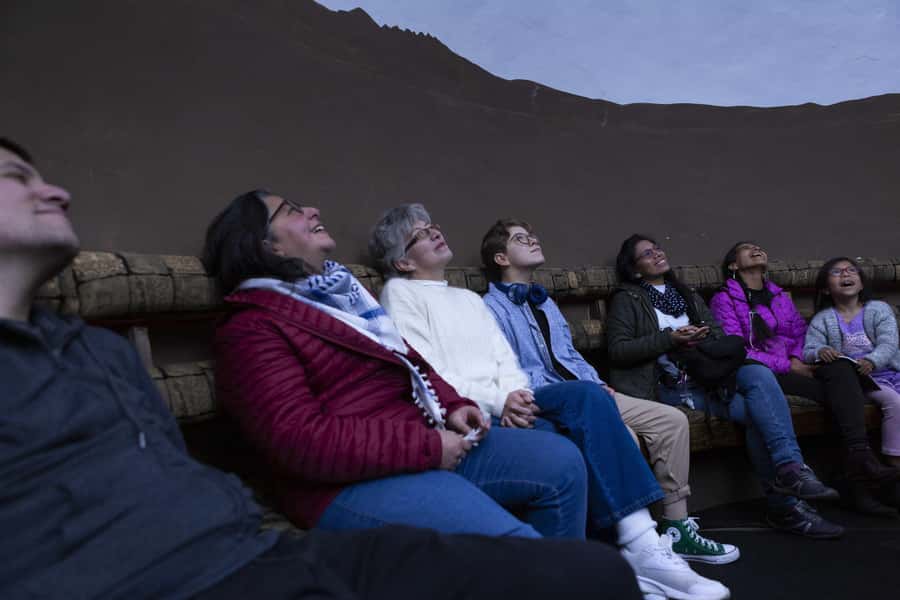
Here’s the practical flow, with the “why it matters” baked in:
- 18:05 Arrival: You settle in before the dome. This keeps things from feeling rushed.
- 18:05–18:40 Room introduction: You learn the framework first, so the dome doesn’t feel like random sci-fi footage.
- 18:40 Dome projection: This is the centerpiece and usually the most reliable part, especially if clouds roll in.
- After the dome: telescope time outside: This is the gamble of the evening, controlled by weather.
- Back around 19:40: You return to Cusco and wrap up near the end of the 2-hour window.
They’re done by 19:40, so it won’t swallow your whole night. That’s important if you’ve got dinner plans or you’re managing acclimatization and energy at altitude.
What to bring (and how to stay comfortable)

This is a night activity, so you’ll want to dress like the sky is in charge. Bring comfortable shoes for the short walk and outdoor moments, plus warm clothing for the time outside.
A smart tip from prior visitors: if you get chilly easily, pick your seat strategically. One helpful suggestion was to sit on a chair near the entrance area inside the planetarium, because blankets may be available. It’s a small thing, but it can make the difference between enjoying the stargazing and counting the minutes.
Also, plan on quiet rules. Audio recording is not allowed, and they don’t allow alcohol or drugs. Pets are not allowed either, though assistance dogs are.
And if you’re traveling with kids: this is not suitable for children under 7. That’s likely because it’s a guided explanation + a dome show + nighttime viewing, so it needs a certain attention span.
Price and value: is $28 worth it?
The price is $28 per person for a 2-hour experience. At that level, you’re paying for more than a ticket to a building.
You’re getting:
- Round-trip transportation from Regocijo Square
- An introduction to Inca astronomy
- A guided virtual dome projection of the southern sky and Inca constellations
- Telescope stargazing, depending on weather
The value is strongest if you do it as part of a “one evening, multiple formats” approach: stories and context, then the dome’s visual explanation, then the option to see real sky objects outside. If the weather turns, you still have the dome show to lean on.
Food is not included, so if you’re hungry, eat before you go. Cusco dinners are famous for a reason—don’t let hunger distract you from the sky.
Who this experience is best for
This works really well if you fall into any of these buckets:
- You want a guided way to understand the sky in a South American context, not just generic astronomy.
- You like hands-on learning through visual projection, especially if you don’t know constellations yet.
- You’re traveling in a smaller group and want a more personal explanation, not a lecture with zero interaction.
- You prefer English explanations, and you want to feel confident following along.
There is one caution. If you already study astronomy seriously and you’re used to detailed technical sky sessions, the show may feel too basic. One person specifically warned that if you’re already deep into astronomy, parts of it could feel slow or not challenging enough. That doesn’t mean it’s bad—it just means it’s aimed at curiosity and clarity more than advanced practice.
Quick FAQ
FAQ
Where is the meeting point?
You meet in the middle of Plaza Regocijo, next to the fountain.
What time does the tour start?
You gather at 17:30 sharp.
How long is the Planetarium Cusco Andean Astronomy experience?
The total duration is about 2 hours.
Is the tour offered in English?
Yes. The live tour guide works in Spanish and English.
Is stargazing with a telescope included?
Yes, telescope stargazing is included, but it depends on weather conditions.
Do I need to bring food?
No. Food is not included, so plan to eat separately.
What should I bring for the night?
Bring comfortable shoes and warm clothing. Blankets may be available inside, depending on where you sit.
Is it suitable for young children?
It is not suitable for children under 7 years.
Should you book Planetarium Cusco?
I’d book this if you want an efficient Cusco night activity that teaches you something real about the sky without requiring prior knowledge. The combination of Inca astronomy intro plus the southern-sky dome is a strong base, and the telescope option is a bonus when conditions allow.
I’d hesitate only if you’re already an advanced astronomy person looking for highly technical viewing. In that case, you might find the tone more explanatory than specialist-level.
If you’re flexible with the weather and you’re dressed for the cold, this is one of those experiences where you walk out thinking you understand the night a little better than before.