REVIEW · TENERIFE
Tenerife: Teide Stargazing with an Astrophysicist
Book on GetYourGuide →Operated by A donde vamos hoy · Bookable on GetYourGuide
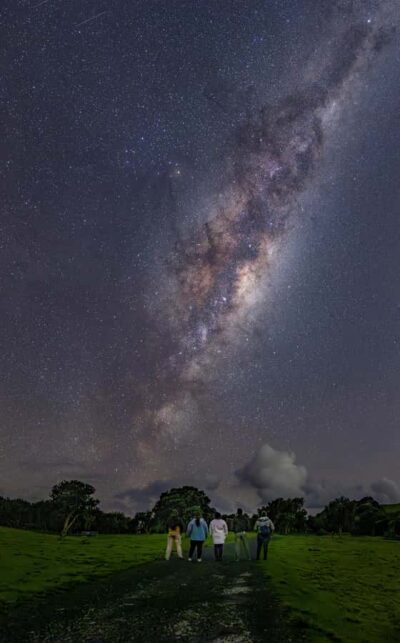
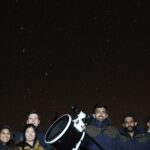
Stars look different at Teide. This 1.5-hour night session pairs small-group stargazing with a real astrophysicist and an 8-inch (about 20 cm) telescope. If you’ve ever wanted to stop guessing at constellations and actually understand what you’re seeing, this is a fun, practical way to do it.
I like that the guide, often Adal, keeps it both science-forward and easy to follow, with a humor that puts you at ease. The main catch is simple: Teide nights can get cold and weather can shut things down on the mountain, so you’ll want to pack for real winter temperatures and be ready for possible cancellation.
In This Review
- Key highlights to know before you go
- Teide stargazing with an astrophysicist: what you are really buying
- Getting to Parador de Cañadas del Teide: the logistics that matter
- What happens during the 1.5 hours: from telescope setup to the sky show
- What you can realistically see through the 8-inch telescope
- Teide nights: clothing, comfort, and why weather always wins
- Small group and single-language sessions: who this experience fits best
- Price check: is $47 worth it?
- Should you book this Teide stargazing session?
- FAQ
- How long is the Tenerife Teide stargazing tour with an astrophysicist?
- What languages are available?
- Where do we meet, and do we need our own transportation?
- What telescope and equipment are included?
- What should I bring for the night on Teide?
- Can the tour be canceled due to weather?
- Is this tour suitable for children or babies?
Key highlights to know before you go
- Certified astrophysicist guide who explains what you see at multiple skill levels, from first-timers to serious amateurs
- Max 10-person small group so you can ask questions and get help setting up your view
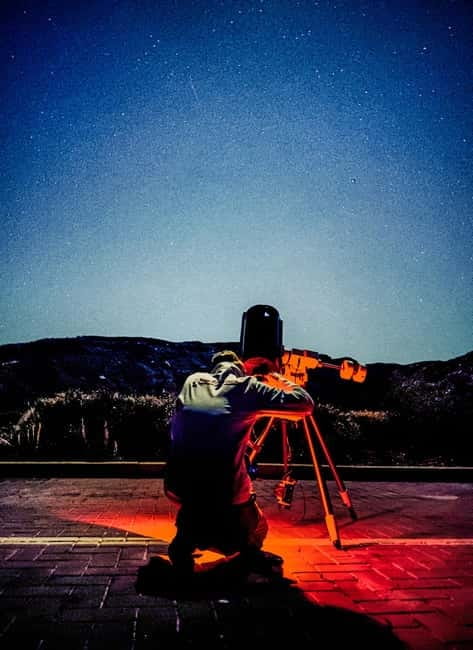
- 8-inch (20 cm) telescope plus a laser-guided approach to match stars to the sky in front of you
- Teide National Park night sky with a strong focus on constellations, mythology, and modern astrophysics
- What you might see changes by conditions, but guides typically walk through planets, the Moon, star clusters, and nebulae
Teide stargazing with an astrophysicist: what you are really buying
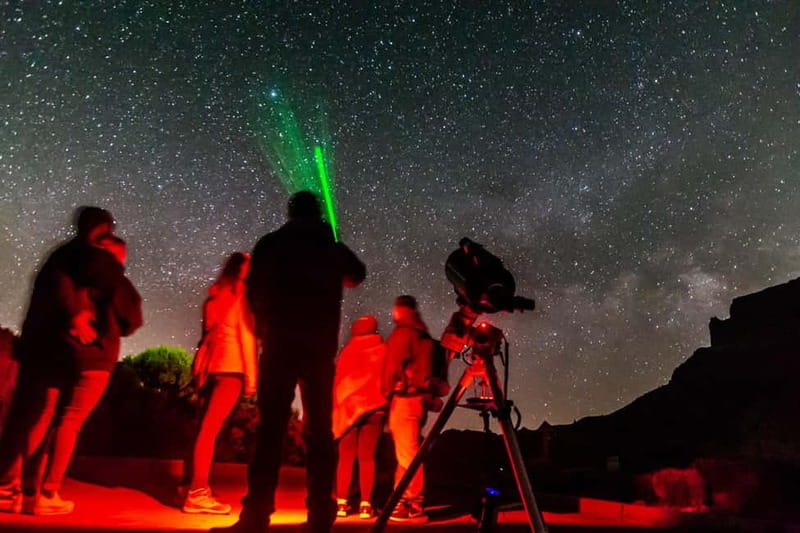
You’re not just paying for darkness and a telescope. You’re paying for someone who can translate the sky into something you can recognize fast. That’s the real win at Teide: the guide points out constellations and key objects, then ties them to both mythology and modern astrophysics.
I also like the way this experience works for different comfort levels. You’ll get enough background to understand the basics, but you’re not stuck listening to only beginner talk. With a trained astrophysicist (and a certified official guide), the explanations tend to sound like real science, not a script.
The value math is helped by the format: single-language sessions, small group size (max 10), and a professional setup time. Add the lantern and the laser guidance, and it’s the kind of tour where you spend more minutes looking at the sky and less time fumbling in the dark.
You can also read our reviews of more tours and experiences in Tenerife.
Getting to Parador de Cañadas del Teide: the logistics that matter
Plan around the meeting spot, because transport isn’t included. You meet at the entrance/outdoor patio of the Parador Cañadas del Teide in Las Cañadas del Teide. The activity is hosted around that area for regular departures.
You’ll need your own vehicle or arrange a taxi to get to the meeting point. This matters because a stargazing tour lives or dies by timing. If you’re late, the sky doesn’t wait.
Also note the scheduling rhythm. Regular group sessions run on Tuesdays and Fridays, and private sessions can be arranged on other days. If you’re aiming for a specific date, check availability early and pick the night that matches your plans.
What happens during the 1.5 hours: from telescope setup to the sky show
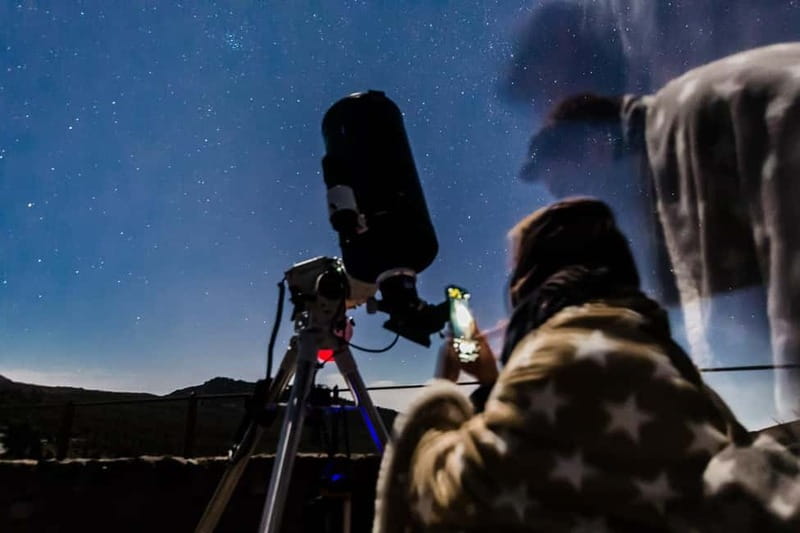
This tour is short by design—about 1.5 hours—so they focus on getting you oriented quickly and then using the telescope while the best viewing conditions hold.
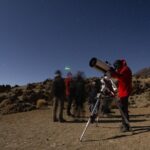
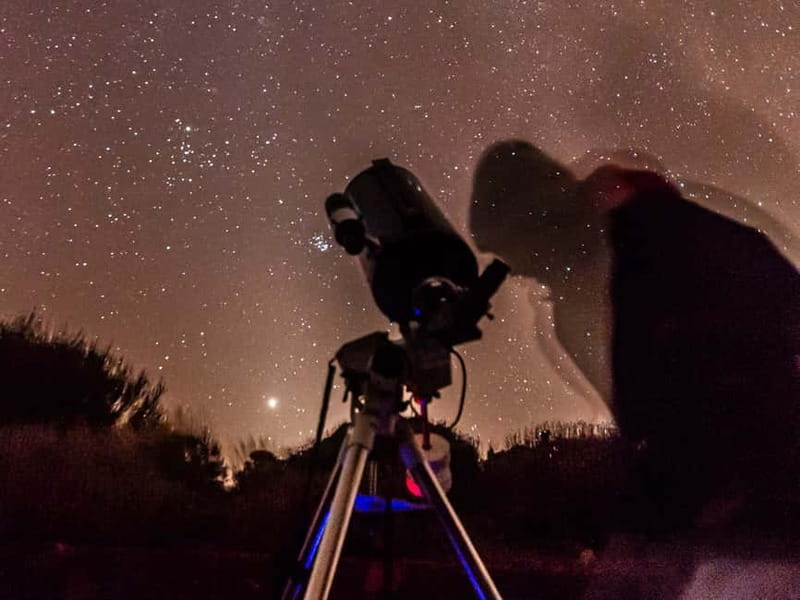
You start at the Parador, where the guide gets the group together before anything is set up. Expect a practical flow: the guide shows you the telescope basics and helps you understand how to use it. Several people specifically mention learning how the telescope is set up, which is a big deal if you’ve never used one before.
Next comes the guided sky tour. The guide walks you through constellations and their mythology, then connects that to the modern science behind what you’re seeing. This blend keeps things interesting. You get stories for memory and science for meaning.
Then the telescope time begins in earnest. The guide uses a laser-guided approach to point out what to look for, and the lantern helps keep the group safe and organized on uneven ground. As the night progresses, you move through highlights that can include:
- star clusters and multi-star systems
- nebulae
- galaxies
- the Moon
- planets like Jupiter and Saturn, and sometimes Neptune (depending on conditions)
The last part is question time and wrap-up. This is where the small group size pays off again. You’re not stuck waiting your turn for one fast question.
What you can realistically see through the 8-inch telescope
With an 8-inch telescope, you can view a lot more than bright pinpoints, but it’s still dependent on sky conditions. Temperature, cloud cover, and even clarity on the horizon will affect what’s sharp and what only shows as a faint glow.
That said, the night is typically built around the big crowd-pleasers plus a few science-friendly surprises. From the experience itself, people describe seeing:
- the Moon, including crater detail when conditions cooperate
- Jupiter and Saturn, with Saturn’s rings mentioned as clearly visible at least some nights
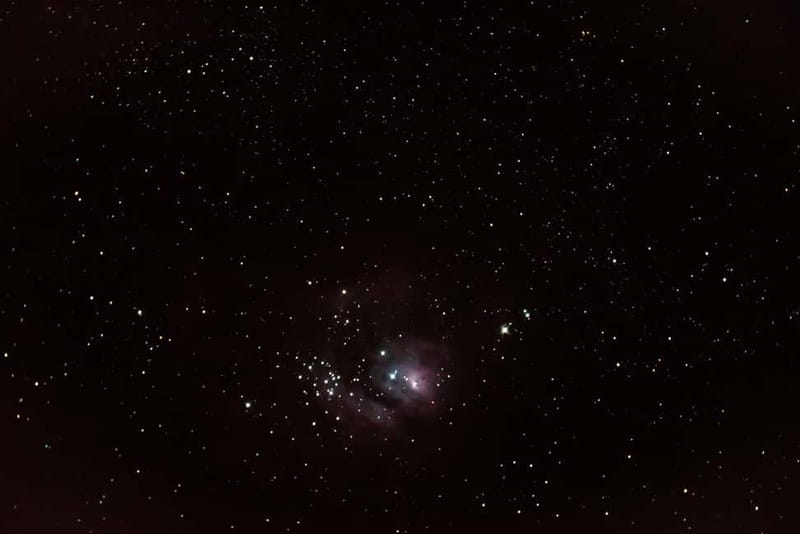
- star clusters, including groups of stars that look like families in the sky
- binary and multi-star systems, sometimes with descriptions of false binaries and how they differ from what you see at first glance
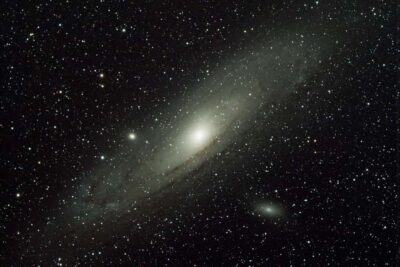
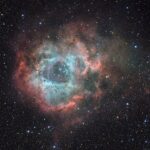
- nebulae and a galaxy, depending on the night’s targets and viewing conditions
One smart thing to keep in mind: a telescope doesn’t replace your eyes. It changes what you notice. The guide helps you compare the naked-eye view to what the telescope reveals, which is exactly what you want if you came to understand the sky, not just to take photos.
And since the Moon is often part of the session, you might see it lit up even when the rest of the sky is less dramatic. That can be a plus. A clear Moon gives you a crisp target and helps the guide structure the night.
Teide nights: clothing, comfort, and why weather always wins
This is a mountain stargazing experience, so dressing for cold matters as much as timing. The tour asks you to bring warm clothing and warm shoes, plus water and comfortable clothes. Thermal clothing is specifically recommended.
They give seasonal temperature guidance:
- October to March: plan for around 0–4°C
- April to September: plan for around 10–15°C
I’d treat those as minimums, not targets. If you run cold, bring layers you can actually move in. Comfortable shoes matter because you’ll be outside for the duration, and you want your feet to stay warm.
Weather is the second reality check. The activity may be canceled due to weather conditions at the top of the mountain. People describe getting cancellations on the day when conditions weren’t safe. Even so, the experience is set up with refunds if cancellation happens due to weather on their side, so it’s not a total gamble.
If you’re traveling in winter months, this is the one tour where I’d say: pack like you’re going to be outside longer than the stated duration.
Small group and single-language sessions: who this experience fits best
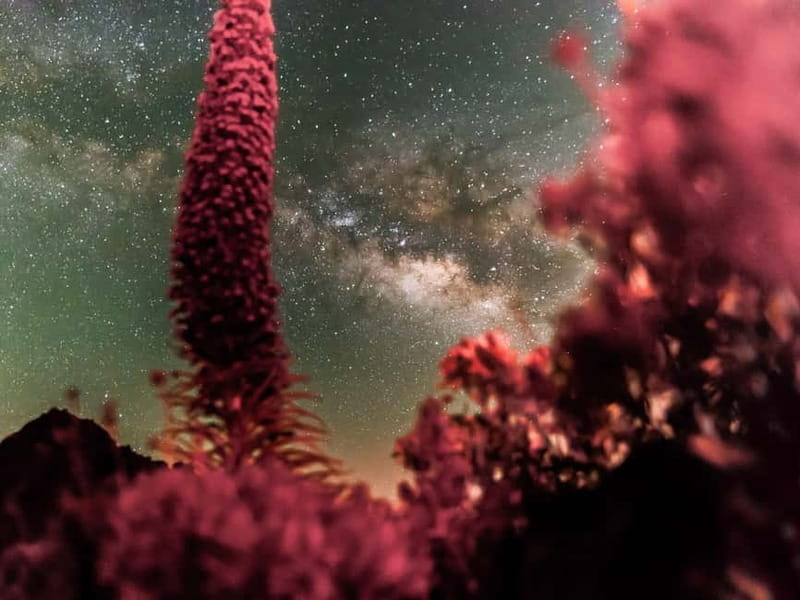
The group size is capped at 10 participants, and that’s a major reason this tends to feel personal. You’re likely to get your questions answered, and the guide can adapt explanations on the fly. People also mention the guide adjusting the tour to the conditions and keeping the group engaged.
Single-language matters too. The tour is offered in English or Spanish, with a live guide. If you prefer one language, you’ll get a cleaner experience than a mixed group where not everyone is following at the same speed.
Age suitability is another big factor. The tour isn’t suitable for babies under 1. And it’s not appropriate for kids under about 7–9 years old due to mountain conditions, with an additional note that it’s not suitable for children under 8. If you’re traveling with kids, you’ll want to consider whether they can handle cold and quiet outside time.
This tour tends to work especially well for:
- couples who want a focused shared activity
- solo travelers who like asking questions
- astronomy beginners who want structure
- science-curious travelers who like mythology plus modern research
Price check: is $47 worth it?
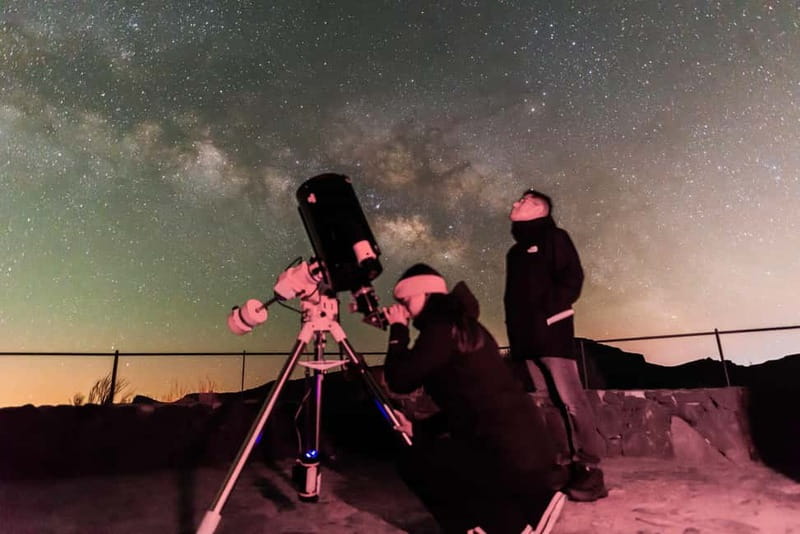
At $47 per person for 1.5 hours, the price looks fair when you break it down. You’re getting:
- a trained astrophysicist guide (plus certified official guide)
- small-group attention
- an 8-inch telescope plus laser guidance and a lantern
- a guided walkthrough of constellations, mythology, and astrophysics
What might push your true cost higher is transport. Transport isn’t included, and you’ll need your own car or a taxi to reach the meeting point at the Parador. For some people, that’s the biggest added expense.
Still, compared with the cost of joining a larger astronomy group or renting your own equipment with no guidance, this feels like solid value. You’re paying for interpretation—someone helping you see what matters and understand it while you’re looking.
In short: if you come prepared for cold and you value guided viewing, $47 is a reasonable price for a high-quality night-sky lesson.
Should you book this Teide stargazing session?
Book it if you want a guided, no-fuss way to understand the sky. You’ll likely enjoy the combination of constellations plus astrophysics, the small-group feel, and the hands-on explanation of how the telescope works. It’s also a strong choice if you’re the kind of traveler who likes asking questions and getting a clear answer.
Think twice or plan extra preparation if you:
- hate cold and don’t want to layer up for mountain temperatures
- need a long, guaranteed outdoor experience (weather can cancel based on conditions)
- are traveling with very young kids (the tour isn’t suitable under 8, and guidance suggests caution under 7–9)
If your timing works and you pack properly, this is one of those Tenerife activities that doesn’t feel like a checklist stop. It’s a night you can actually learn from.
FAQ
How long is the Tenerife Teide stargazing tour with an astrophysicist?
The tour lasts 1.5 hours, starting and ending back at Parador de Cañadas del Teide.
What languages are available?
The live guide offers English and Spanish.
Where do we meet, and do we need our own transportation?
You meet at the entrance/outdoor patio of the Parador Cañadas del Teide Hotel. Transport is not included, and you need your own car or you can arrange a taxi to reach the meeting spot.
What telescope and equipment are included?
An 8-inch telescope (also described as around 20 cm) is included, along with a laser-guided experience and a lantern.
What should I bring for the night on Teide?
Bring comfortable shoes, warm clothing (and warm shoes), thermal clothing, and water. Dress for mountain weather, since temperatures can be around 0–4°C from October to March and 10–15°C from April to September.
Can the tour be canceled due to weather?
Yes. The activity may be canceled due to weather conditions. If the cancellation is made by the provider because of weather, you get a 100% refund.
Is this tour suitable for children or babies?
It is not suitable for children under 8 years old, and it is not suitable for babies under 1 year old. Mountain conditions are the reason, so it may not be appropriate for younger kids.