REVIEW · TENERIFE
Tenerife: Stargazing at Mt. Teide
Book on GetYourGuide →Operated by Volcano Teide · Bookable on GetYourGuide
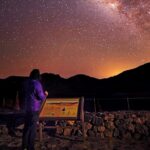
A volcano teaches you to read the sky. This one-hour Mt. Teide stargazing session uses professional telescopes near the cable car base station, with guides helping you make sense of what’s overhead.
I love the chance to see targets like Saturn and other planets through serious glass, and I also like the way the guides use on-site monitors to explain what you’re actually looking at. One drawback to keep in mind: if the moon is bright, star visibility can drop, and some time can go to explanation rather than only telescope time.
In This Review
- Key highlights you’ll care about
- Why Mt. Teide makes stargazing feel different
- The 1-hour flow: from arrival to telescope viewing
- What you can actually see through the telescopes
- How the guides and monitors turn night sky confusion into real learning
- Moonlight, star visibility, and why your expectations matter
- Price and value: is $47 worth it?
- Logistics that matter: warmth, footwear, and timing
- Who this tour is perfect for
- Who should skip it (or choose a different style)
- Should you book the Stargazing at Mt. Teide tour?
- FAQ
- FAQ
- How long is the Tenerife: Stargazing at Mt. Teide experience?
- Where do we meet for the stargazing session?
- What languages are the guides?
- Is food included?
- What should I bring?
- Are pets allowed?
- Is this suitable for children?
- Is it suitable for people with mobility impairments?
- What can I expect to see?
- What is the cancellation policy?
Key highlights you’ll care about
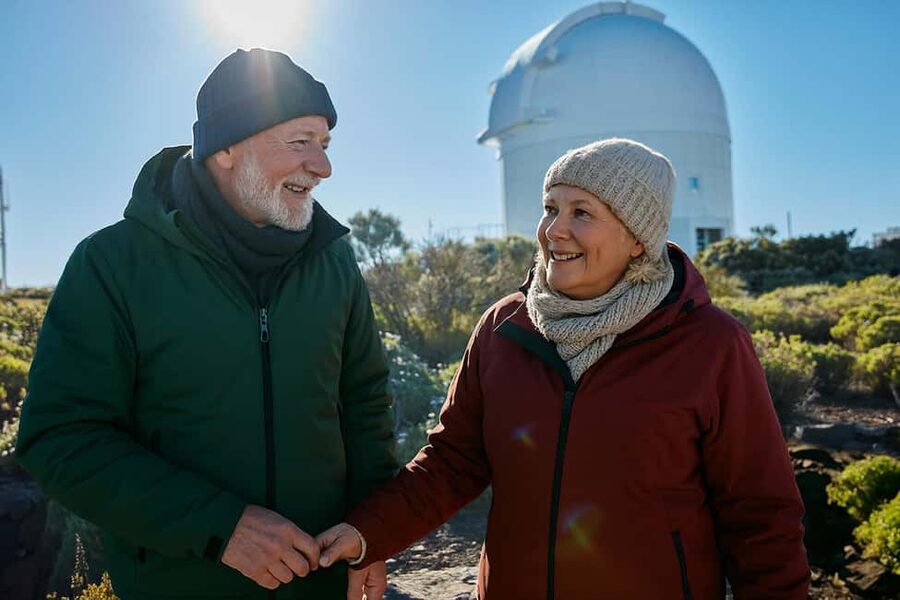
- Professional telescopes set up near the cable car base station in Teide National Park
- Multilingual guidance in English, Spanish, and French
- On-site monitors that help you connect each view to sky locations and constellations
- Moonlight can change the show, sometimes making planets pop while stars look fewer
- A tight 1-hour format, with a mix of talking and telescope viewing
Why Mt. Teide makes stargazing feel different
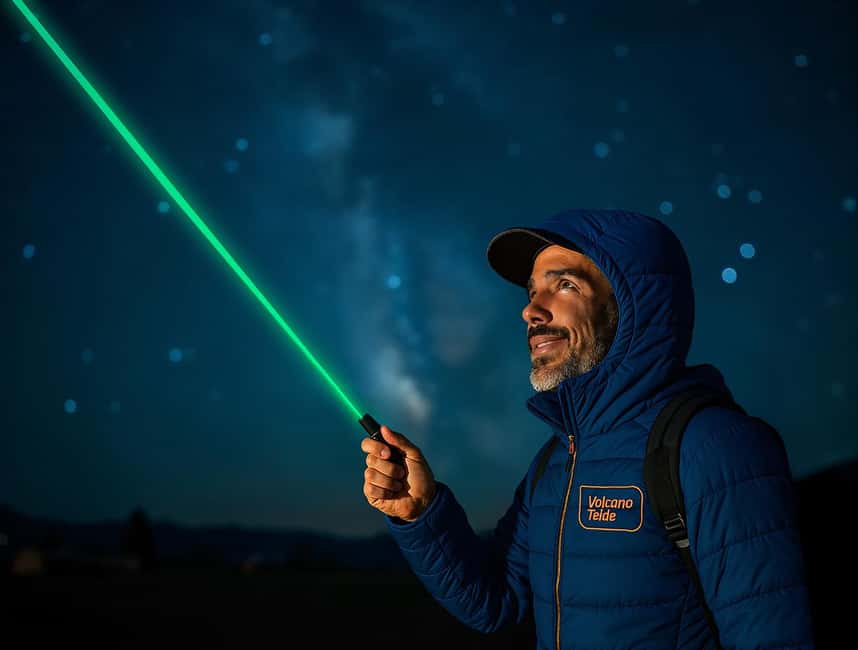
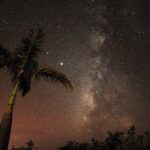
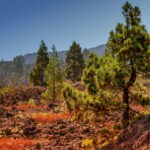
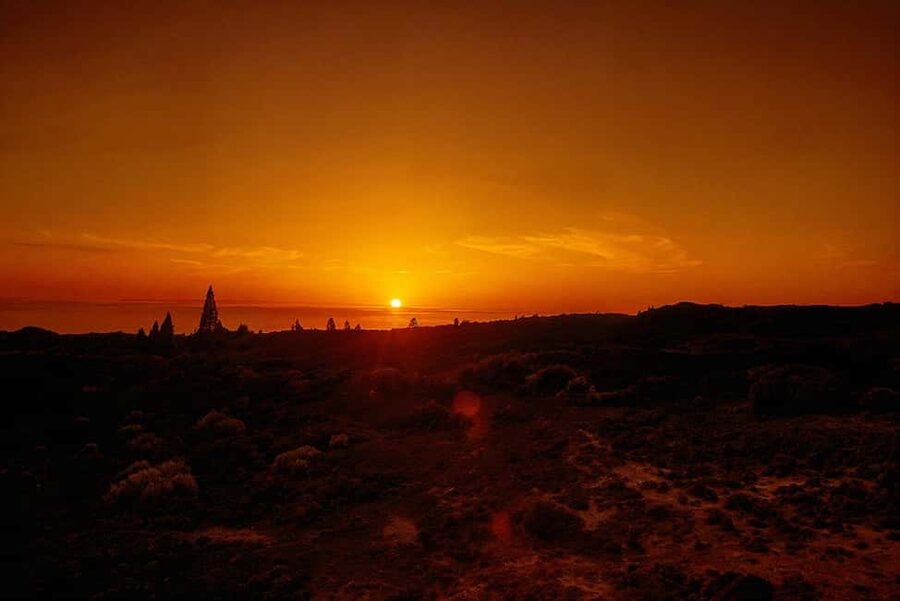
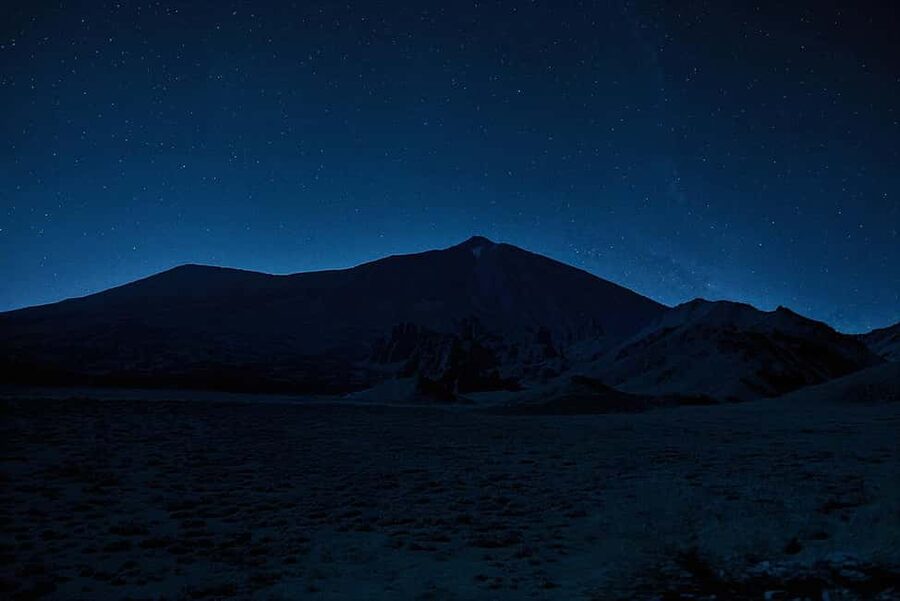
Mt. Teide isn’t just a pretty backdrop. It’s the kind of place where the night air and the altitude can make the sky feel sharper and more dramatic than what you’re used to back home. You’re also in Teide National Park, where the setting is part of the experience: a volcanic world, dark skies, and a “look up” moment that grabs your attention fast.
What I like about doing stargazing here with a guide is that you don’t need to be an astronomy expert. Even if you know only the basics, the monitors and telescope views give you something you can name and understand in real time. And when the sky cooperates, the view can feel almost classroom-like—in a good way.
You can also read our reviews of more tours and experiences in Tenerife.
The 1-hour flow: from arrival to telescope viewing
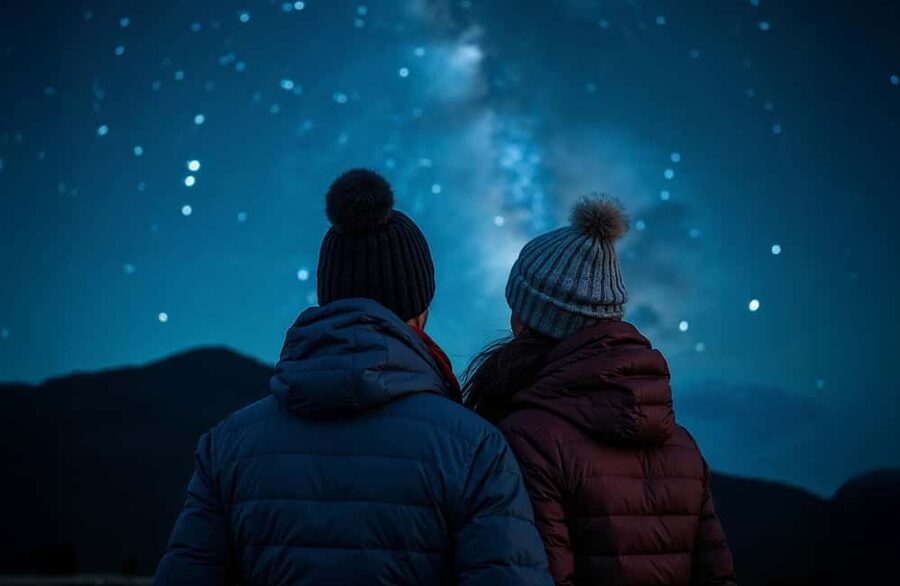
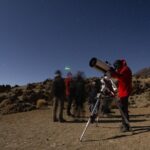
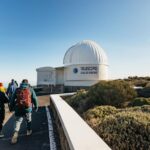
This is a short experience, so it moves with purpose. You’ll meet near the base station area (the exact meeting point can vary by option), and you’ll spend the hour focused on looking up—using stargazing equipment and listening to the guide.
Here’s how it typically plays out:
- You arrive, get oriented, and settle in for the evening’s targets.
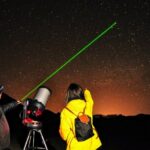
- You use state-of-the-art telescopes while the guide explains what’s visible.
- You also get help from on-site monitors, which connect the live telescope view to constellations and sky features.
Because it’s only 1 hour, you should expect the guide to keep things moving. If you’re the type who loves a long lecture, you might want to temper expectations. If you’re the type who wants to see objects in a guided way and move quickly from one target to the next, this format fits well.
What you can actually see through the telescopes
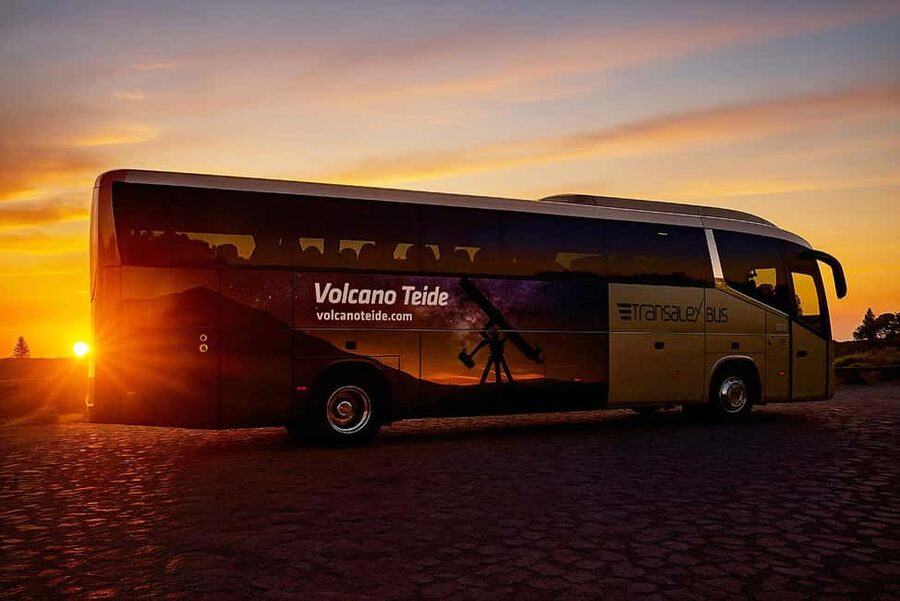
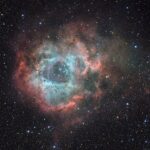
This tour is built around telescope viewing, so you’re not just standing around hearing theory. You’re set up to see planets, galaxies, and other celestial objects above Mt. Teide—right from the volcanic setting.
Based on what shows up often during the session:
- You can spot planets like Saturn and Jupiter through the telescopes. In particular, one visitor had an unforgettable look at Saturn.
- The moon can become the main show on brighter nights. One group found the moon extremely bright and clear through the telescope, which makes it visually impressive even when stars aren’t as easy to pick out.
- If conditions and timing line up, you may also see constellations that are easier to make out from Teide’s climate.
A practical note: if there’s a bright moon, you may end up seeing fewer stars than you expected. That doesn’t mean the telescopes aren’t working—it means the sky light washes out the faintest points. In that case, planets and the moon usually look best.
How the guides and monitors turn night sky confusion into real learning
Stargazing is only as good as the connection between what you see and what it means. This experience leans into that with guides and on-site monitors that help interpret the view.
You’ll get instruction in English, Spanish, or French, and different guides have different styles. Names that have come up include Maxime and Natasha—both clearly comfortable teaching and guiding people through the night sky.
You can expect two layers of help:
- The guide points out what’s visible and explains what it is as you look through the telescopes.
- The monitors provide relevant information so you’re not guessing what you’re seeing.
One useful thing to know from the way the evening is described: you’ll likely learn about the sky and constellations in a way that feels connected to the real-time telescope view, not just a generic “here are constellations” talk. Still, the short duration means the guide can only cover a handful of objects. If you’re hoping for a deep catalog of star names and exact positions, you may feel a bit shortchanged.
Moonlight, star visibility, and why your expectations matter
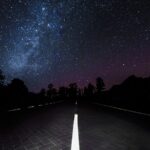
The biggest “watch the sky” factor here is the moon. Several accounts highlight the same theme: a bright moon can make it harder to see the larger number of stars you might imagine when you picture a totally star-filled sky.
So what’s the best way to set your expectations?
- If you want maximum star count, you’re hoping for darker conditions.
- If a bright moon is present, you’ll still have a great view—but the show can shift toward the moon itself and toward planets.
The upside is that planets can still feel dramatic through the telescopes, even if individual details look small. One visitor noted planets like Jupiter and Saturn appeared small and a bit less sharp, which can happen depending on atmospheric conditions that night. The moral: the experience isn’t just about the equipment. The atmosphere matters.
Price and value: is $47 worth it?
At $47 per person for a 1-hour guided stargazing session, you’re paying for three things:
- Guides who help you identify objects and understand what you’re seeing.
- Professional telescope equipment (not a casual “borrow a scope” situation).
- A controlled, nighttime stargazing setting in Teide National Park where the whole experience is structured around the sky.
You’re also not paying for extras that some other tours might include. The price does not include food or transport. That’s not a dealbreaker—just plan ahead so you don’t get stuck hungry or scramble at the last minute.
Is it a bargain? If you’re the kind of traveler who wants both the view and the explanation, it’s strong value. If you’re mostly hunting for a self-guided star show, you might not feel you’re getting as much for the money because the session is short and includes a teaching component.
Logistics that matter: warmth, footwear, and timing
This is a nighttime activity, and it’s high up. The tour info is direct about what to bring: warm clothing and sturdy footwear. Do not treat that as a suggestion. Even if Tenerife feels mild during the day, the night can bite when you’re standing still, looking up, and waiting for your object.
Also, keep an eye on the fact that transport isn’t included. If you’re driving yourself, allow extra buffer. One account describes the area getting crowded with cars and causing a delay. Even a small delay matters when you only have an hour total.
Meeting point can also vary by option booked, so don’t assume it will be the exact same spot every time. The safest move is to read your specific start details before you head out and arrive a few minutes early.
Who this tour is perfect for
This is a great fit if you:
- Want a guided stargazing experience, not just a viewpoint stop
- Appreciate seeing specific objects through professional telescopes
- Like learning as you go, with explanations and on-site monitors
- Can handle cold night conditions and short time on site
It’s also a nice option for families who meet the age requirement and can bring the right documents. Children must have a passport or ID card to confirm their age.
Who should skip it (or choose a different style)
This is not suitable for everyone. The activity specifically notes:
- Not suitable for children under 8
- Not suitable for people with mobility impairments
- Pets are not allowed
One more consideration: because the format is relatively compact, if you require lots of time at the telescope with minimal talking, you might prefer a longer stargazing option. Some accounts mention a lecture-heavy feeling or not enough telescope time, even though the telescopes themselves were impressive.
Should you book the Stargazing at Mt. Teide tour?
I’d book it if you want a structured Tenerife stargazing experience where the night sky comes with clear guidance and real telescope viewing. The equipment and the teaching support are the main value drivers, and you’re likely to leave with at least one “wow” moment—often with Saturn, Jupiter, or a strong moon view depending on conditions.
Skip it or rethink it if:
- You’re expecting a fully star-dense sky like an astrophotography image regardless of the moon
- You hate cold nights and don’t plan to dress properly
- You need lots of time focused only on telescope looking, with minimal explanation
- Your group doesn’t meet the age or mobility requirements
If you’re flexible, bring warm layers, and show up ready to look up, this is one of those tours where the sky feels less like a background and more like a lesson you can actually see.
FAQ
FAQ
How long is the Tenerife: Stargazing at Mt. Teide experience?
It lasts 1 hour.
Where do we meet for the stargazing session?
The meeting point may vary depending on the option booked.
What languages are the guides?
Guides are available in English, Spanish, and French.
Is food included?
No. Food is not included.
What should I bring?
Bring warm clothing and comfortable clothes, plus passport or ID card for children.
Are pets allowed?
No. Pets are not allowed.
Is this suitable for children?
It is not suitable for children under 8. Children must confirm their age with a passport or ID card.
Is it suitable for people with mobility impairments?
No. The activity is not suitable for people with mobility impairments.
What can I expect to see?
You can look at the sky through telescopes and see planets, galaxies, and other celestial objects, plus constellations.
What is the cancellation policy?
You can cancel up to 24 hours in advance for a full refund.