REVIEW · BANFF
Banff OR Moraine Lake: Night Tour with possible Stargazing
Book on GetYourGuide →Operated by Canmore Travel · Bookable on GetYourGuide
Stars change when the lights go out. This Banff OR Moraine Lake night tour is built for one thing: getting you to a dark viewing spot away from town glare, then letting you sit back and take in the mountain night. Expect a cozy setup, a guided night-sky experience, and time to look closer with a telescope when the sky cooperates.
Two things I really like are the comfort level and the people. You’ll get warm blankets, headlamps to keep your way straight, and loungers or chairs so you’re not freezing through the good part. And guides I’ve heard names like Yanik and Sebastian, plus Lynka’s team, often help you work your camera settings so your photos look like what you’re seeing with your eyes.
One consideration: it’s weather-dependent, and aurora sightings are not guaranteed. Also, this is not a hike, but there’s still some walking, and the Moraine Lake version includes stairs—so comfortable footwear matters.
In This Review
- Key things that make this night tour worth your time
- Entering the dark-sky world near Banff or Moraine Lake
- Classic Banff Night Adventure vs Moraine Lake Night Adventure (and why duration matters)
- The pickup plan and the “shared ride” reality
- The secret dark spot setup: blankets, loungers, and headlamps
- Telescope time: what you can realistically expect to see
- Aurora chasing: exciting odds, not a guarantee
- Not a hike, but you still need the right footwear
- Timing that keeps the best part of the night on schedule
- Guides do the heavy lifting, from sky pointers to camera help
- Value at about $108: what you get, and what you still need to plan
- Who should book this night tour (and who should skip it)
- Should you book this Banff or Moraine Lake night tour?
- FAQ
- How long is the Banff or Moraine Lake night tour?
- Where do pickups and drop-offs happen?
- Is a telescope included?
- Is the Northern Lights guaranteed?
- Is this tour a hike?
- What should I bring?
- Do I need a Banff National Park pass?
- Is the tour suitable for children?
Key things that make this night tour worth your time
- A secret dark spot with minimal light pollution, so stars actually look like stars
- Telescope included for up-close views of bright night-sky targets
- Cozy setup: blankets, chairs, inflatable loungers, and headlamps
- Warm drinks included: hot chocolate and tea while you wait for the sky
- Night-sky time is built in: about two hours under the night skies
- Aurora is a bonus—clear skies help, but sightings can’t be promised
Entering the dark-sky world near Banff or Moraine Lake
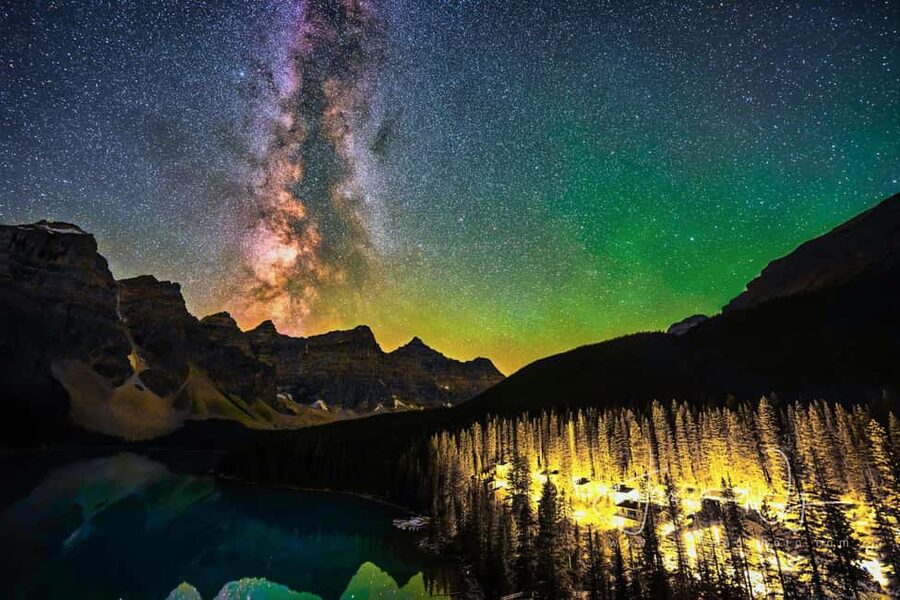
Night sky watching around Banff can be frustrating if you just drive around on your own. Town lights smear the view, and you end up guessing where the dark patches are. This tour solves that part for you. You’re taken to a lower-light area where the stars pop more—and you’re not walking around in the cold trying to figure out where to stand.
The mood is also different from a typical sightseeing stop. Once you arrive, the focus shifts from scenery to sky. You settle in, turn on your headlamp only when needed, then spend time just looking up. That might sound simple, but after dark in the Rockies, it’s the best way to get your bearings and actually enjoy the view.
I also like that the experience is designed for different “comfort levels.” Some people want a straightforward night out with warm drinks and telescope time. Others want photography help while a guide helps them aim at the right things in the sky.
You can also read our reviews of more tours and experiences in Banff.
Classic Banff Night Adventure vs Moraine Lake Night Adventure (and why duration matters)
This tour runs in two versions.
Classic Banff Night Adventure is shorter—about 2.5 to 3.5 hours total. It’s ideal if you want a night-sky fix without giving up your whole evening. You also get roughly two hours under the night skies, so you’re not spending the best part of the night stuck on the road.
Moraine Lake Night Adventure is longer—about 4.5 to 5.5 hours total—and it operates from June to mid-October. If your goal is Moraine Lake at night (when it’s quieter and a lot more dramatic), this is the better match. It also comes with extra physical considerations, since it includes stairs.
Here’s the practical angle: you should choose based on how cold you’re willing to be and how patient you feel about waiting for clear skies. Both options can involve partly cloudy skies, mostly cloudy skies, or even light snow. The guides will still make the most of it, but your viewing experience depends on what the sky gives you.
The pickup plan and the “shared ride” reality
You’ll get hotel pickup with two location options: Canmore or Banff. Pickups in Canmore happen at the start of the tour. If you’re starting in Banff, pickup is approximately 30 minutes after the Canmore departure time.
A small but important detail: arrive ready about 10 minutes before pickup. With traffic and multiple stops, drivers can arrive slightly earlier or later. This is normal on mountain routes, and it helps everything stay smooth.
Transport is shared, and the tour is guided in English. In real terms, that means you’ll likely meet other people going at your pace. Several guides I’ve heard named in recent seasons (including Ronnie and Denise, and others) are described as friendly and good at setting expectations so you’re not scrambling when you arrive at the viewing spot.
The secret dark spot setup: blankets, loungers, and headlamps
When you reach the viewing area, the tour shifts gears to comfort and calm. You’ll set up with chairs or inflatable portable loungers, plus cozy blankets. There’s usually a headlamp involved—enough light to move safely without blasting your eyes and ruining night vision.
This is a big deal if you’re serious about star watching. Blinding lights reduce your ability to pick out faint objects. Using headlamps in the right moments helps you keep your night vision while still letting you walk around without tripping.
Warm drinks are part of the setup too. Hot chocolate and tea are included, which helps more than you might think. In winter, you’re outside for hours, even with two hours focused on the sky. Warm hands mean better focus. Better focus means you actually watch instead of just enduring the cold.
Then there’s the element of surprise. The tour includes a surprise activity once you’re set up. Details aren’t spelled out here, but it’s a common way to keep the evening fun even if the sky is only partially cooperative.
Telescope time: what you can realistically expect to see
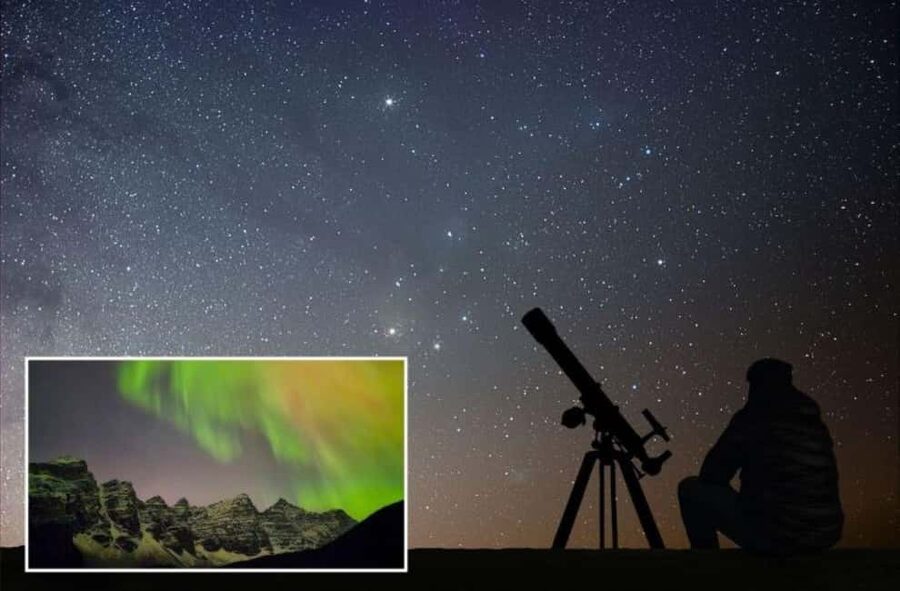
This is one of the biggest advantages of going with a group: you’re not just looking at a blur. You get telescope use for closer views of the universe—stars and celestial objects that you’d miss with the naked eye.
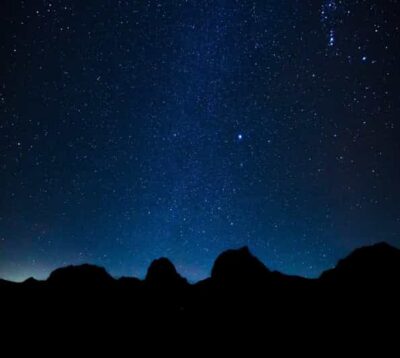
On clear nights, you may catch planets and bright night-sky targets. People have reported views including Saturn and Mars through the telescope, plus crisp constellations and very clear stars. You also might see the Milky Way when conditions line up.
The guide can help you understand what you’re looking at. If you’re into photography, this part often gets the most praise: guides help people figure out camera settings so the photos come out sharp and not just “a dark sky with a bright blob.”
If clouds roll in, don’t panic. Even under partly cloudy or mostly cloudy skies, the tour still gives you a structured way to enjoy the night. Headlamps and telescope time are one thing—but the real win is staying oriented. You’re not guessing where to look the whole time.
Aurora chasing: exciting odds, not a guarantee
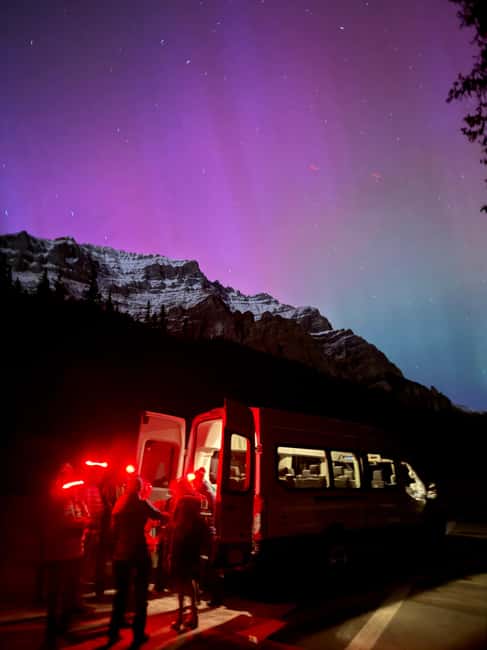
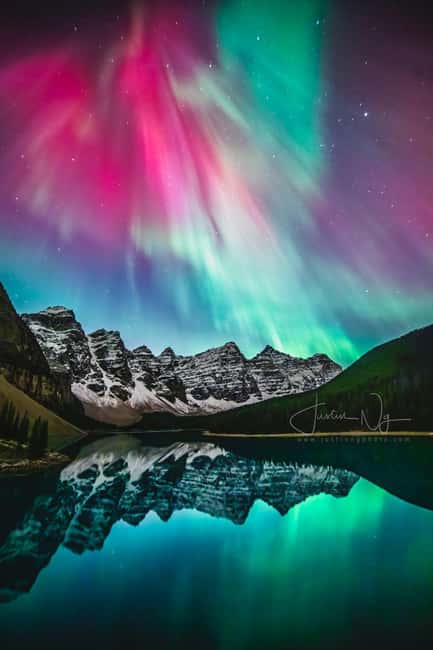
Aurora Borealis is the headline many people hope for. But the correct mindset is this: aurora is possible, not promised. The tour explicitly notes that northern lights sightings aren’t guaranteed.
So how do you keep the night from feeling like a wait-and-worry session? You treat aurora as the bonus and stargazing as the core plan. Even without aurora, you can still get a powerful experience: clearer stars, a better dark-sky view, and telescope views that make the sky feel close.
Also, if you do get aurora, you’ll be in the right place and the right setup to enjoy it. The guides are watching the conditions and managing the observation base so you can look up and soak it in quickly—rather than trying to chase photos while figuring out where to stand.
In short: go for the stars first, and consider aurora a happy surprise.
Not a hike, but you still need the right footwear
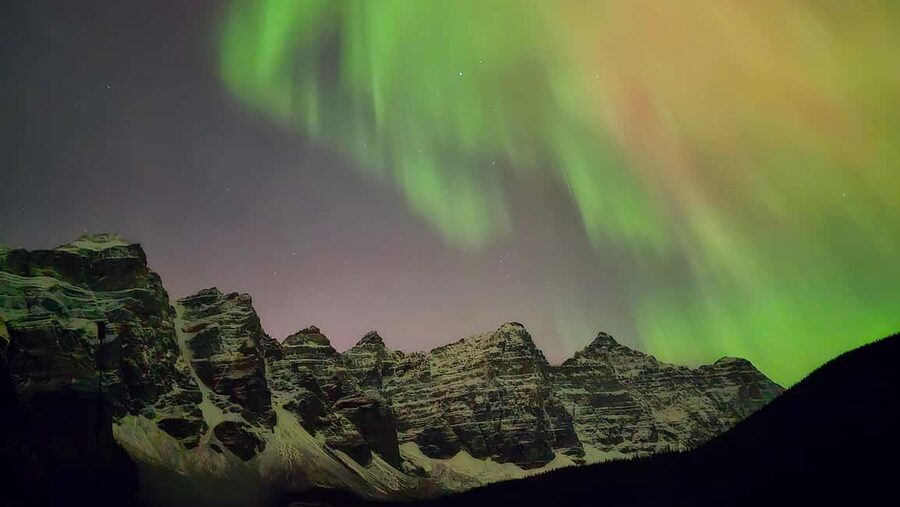
Despite the mountain setting, this isn’t a hiking tour. Still, there’s some walking involved on both versions. The Moraine Lake Night Adventure includes stairs, so comfortable footwear is a must.
In winter, the tour may include cleats on winter routes. That’s there for traction and safety on colder, potentially slick surfaces. If you’re visiting in December, January, or February, plan your footwear like it’s a snow day, not a casual walk.
My practical advice: bring shoes you can move in comfortably for short distances. You don’t need heavy hiking boots for most people, but you do need stability.
And dress like you’ll be still for long stretches. The pace is slow once you’re set up, and warmth matters more than speed.
Timing that keeps the best part of the night on schedule
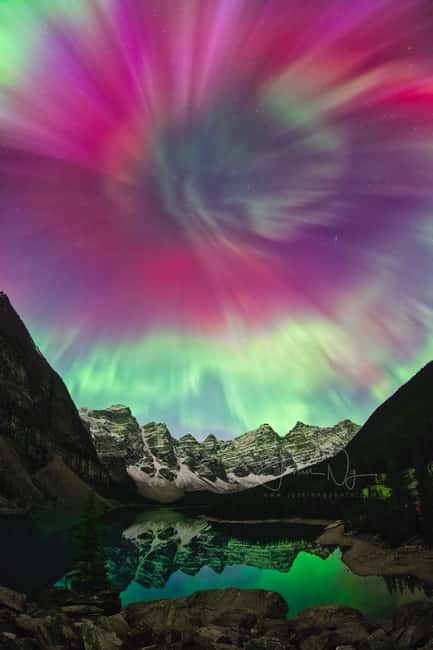
Both tours are built around a core observation window: about two hours under the night skies. Everything before that is about getting you to the viewing spot, then getting set up with comfortable seating and gear.
Classic Banff does this within 2.5 to 3.5 hours total. Moraine runs longer (4.5 to 5.5 hours) because it’s farther and includes extra time on the ground.
If you’re the type who gets cranky when plans run late, choose your tour time thoughtfully. You’ll be outdoors, and in mountain weather, plans can’t always stay perfectly fixed. But the structure is clear: you’re paying for sky time, not just transit.
Guides do the heavy lifting, from sky pointers to camera help
This tour has a human advantage. Guides aren’t just there for logistics; they help you interpret what you’re seeing and how to photograph it.
People often mention guide patience with camera settings, plus a friendly vibe from pickup to drop-off. That matters because night photography is fiddly. If you’re new to it, you can lose 45 minutes figuring out exposure while the sky changes. With a guide, you’re more likely to get a few solid photos.
You might also learn quick star facts while you wait—constellations, what to look for, and how to spot key objects. The point isn’t to turn it into a lecture. It’s to give you just enough context so your viewing feels meaningful.
The surprise activity adds a little extra fun, too. It’s the kind of “we’re not just standing here” moment that keeps the evening from going flat.
Value at about $108: what you get, and what you still need to plan
At $108 per person for roughly a 3-hour experience (Classic) or about a half-day for Moraine, the value comes from what’s included and what it saves you.
What’s included:
- hotel pickup and drop-off
- transportation on a shared tour
- an English-speaking guide
- a telescope for closer looks
- chairs or inflatable loungers, blankets, and headlamps
- hot chocolate and tea
- access fees for Moraine Lake on the Moraine option
- (on winter tours) cleats
What’s not included:
- meals
- Banff National Park passes
So here’s the math you should do in your head. If you try to DIY this, you’d need a dark-sky destination, a safe night-driving plan, cold-weather gear, and likely your own telescope or at least a place to borrow one. Even if you rent or bring basic gear, you still don’t get the guidance on what to aim at and how to make photos work.
You also have fewer decisions. That’s worth money when the alternative is stumbling around after dark with cold hands and tired eyes.
One more practical note: Banff National Park passes are not included. If you’ll be in the park on other days, plan for that separately.
Who should book this night tour (and who should skip it)
This is a strong fit if:
- you want a low-stress way to see a darker sky than you’d get from town
- you like comfort: loungers, blankets, and warm drinks
- you want telescope time and friendly guidance
- you’re traveling solo and don’t want to feel alone out at night
It might be less ideal if:
- you need a lot of walking breaks (there’s some walking and Moraine has stairs)
- you’re traveling with kids under 8 (the tour isn’t suitable for children under 8)
- you’re only interested in northern lights, since sightings are not guaranteed
If you’re a photographer, you’ll probably enjoy this more than you expect. People seem to get the most out of it when they let the guide help them translate the sky into a camera setting.
Should you book this Banff or Moraine Lake night tour?
I’d book it if you want a night in the Rockies that’s guided, warm, and built around actual dark-sky viewing—not just a quick photo stop. The best part is that you’re not left alone to figure out the hard stuff: where to go, how to set up, and what to look for once you’re there.
Choose the Classic Banff option if you want a shorter evening with the same core idea: dark skies, cozy base, and telescope time. Choose Moraine Lake if you’re specifically chasing the drama of that lake at night and you’re comfortable with stairs.
Skip the hunt-for-aurora mindset. Go for stars and telescope views first, then let the northern lights be the extra surprise if the sky allows it.
FAQ
How long is the Banff or Moraine Lake night tour?
The Classic Banff Night Adventure lasts about 2.5 to 3.5 hours. The Moraine Lake Night Adventure lasts about 4.5 to 5.5 hours.
Where do pickups and drop-offs happen?
You can be picked up and dropped off in either Canmore or Banff. Canmore pickups happen at the start of the tour, and Banff pickups are about 30 minutes after the Canmore departure time.
Is a telescope included?
Yes. The tour includes use of a telescope when you’re at the observation spot.
Is the Northern Lights guaranteed?
No. Stars and Northern Lights sightings are not guaranteed.
Is this tour a hike?
No. It’s not considered a hiking tour, but some walking is involved on both options. The Moraine Lake night option also includes stairs.
What should I bring?
Bring warm clothing for the season, including a jacket, gloves, hat, scarf, warm shoes, and thermal layers when appropriate. A windbreaker helps too. If you’re going in winter, winter/snow clothing is recommended, and hand warmers are strongly suggested.
Do I need a Banff National Park pass?
Banff National Park passes are not included.
Is the tour suitable for children?
The tour is not suitable for children under 8 years old.